bluename
How to Choose Non-Fading Composite Pots for Intense Summer Balcony Sunlight
If your balcony gets blasted by strong summer sun for six or more hours a day, the honest answer is this: choose a UV-stabilized, high-density polyethylene or polypropylene composite pot with a matte or speckled finish, thick walls, light or heat-reflective color, and real drainage holes. That single combination is what stops fading, cracking, and root stress. I learned this after watching three cheaper pots turn chalky gray in one July. This guide is everything I wish someone had told me before I wasted money.
I grow tomatoes, peppers, herbs, and a few stubborn succulents on a south-facing balcony that hits 100°F by noon in summer. Over two weeks this past July, I ran a simple side-by-side test with five different composite pots to see which ones actually held their color, kept roots cooler, and survived daily sun punishment. Some passed. Two failed badly. Here is what I found.

What "Non-Fading" Actually Means on a Balcony
Lots of pots say "fade-resistant" on the label. That phrase is vague and, frankly, a bit of a marketing trick. True non-fading performance comes down to whether the manufacturer added UV stabilizers into the plastic itself, not just coated the outside.
If the color is only sprayed or painted on, direct sun will eat through it fast. I had a terracotta-colored composite pot that looked gorgeous in May. By mid-August it had pale streaks down one side. That was a surface coating, not a UV-stabilized material.
The RHS notes that container plants in full sun face far more stress than in-ground plants because roots can't escape the heat. That matters here, because a fading pot isn't just ugly. Once the surface degrades, the plastic gets brittle and cracks.
Why Composite Beats Terracotta and Cheap Plastic in Full Sun
I love terracotta for herbs in spring. In brutal summer sun, though, it dries out so fast I was watering twice a day. Clay also heats up and can crack after repeated wet-dry cycles. Not ideal.
Thin, cheap plastic is worse. It goes brittle, fades to that sad washed-out white, and can literally shatter if you bump it in August. I lost a basil plant that way two summers ago. The pot split down the side after a heatwave and the whole root ball dried out overnight.
Composite pots, meaning blends of resin, recycled plastic, and sometimes stone powder, sit in a sweet spot. They hold moisture longer than terracotta, resist UV damage when made well, and look far better than basic plastic. That's why I switched almost everything over.
The 3 Beginner Mistakes That Killed My Plants First
Let's get the painful stuff out of the way, because most new balcony gardeners repeat these.
Mistake 1: Overwatering. This one is huge. You'd be surprised how many people drown their plants out of love. Here's the stat that changed how I water: 90% of indoor plants die from overwatering. Balcony pots in full sun are a little different because they dry faster, but the principle holds. Soggy roots rot, and no fancy pot saves a drowning plant.
I killed a beautiful rosemary this way. I assumed hot sun meant it needed constant water. It didn't. The roots turned to mush in ten days.
Mistake 2: Putting plants in the wrong light spot. A pot that doesn't fade still can't fix a plant that hates direct sun. I once placed a fern on my sunbaked railing because the pot looked great there. The fern fried in four days. Match the plant to the light first, then worry about the pot.
Mistake 3: Using the wrong pot entirely. Dark, thin-walled, no drainage. That trio is a death sentence in intense sun. Dark colors absorb heat and cook roots. No drainage means standing water. Thin walls mean cracking.
Real Talk: My Two-Week Pot Test
For two weeks in July, I tracked five pots on the same railing, all with identical soil and similar plants. I checked color, soil temperature at 2 p.m., and moisture loss every day.
The results were eye-opening. The thick, light-colored composite pot with UV stabilizers held its color perfectly and stayed roughly 10°F cooler at the root zone than the dark glossy one. The cheap dark pot faded noticeably by day nine and felt hot to the touch.
Here's the practical takeaway. Color and thickness matter as much as the material itself.
How to Pick the Right Pot: A Step-by-Step Approach
Step 1: Check for UV stabilization. Look for words like "UV-resistant," "UV-stabilized," or "frost and fade resistant" on the label. If it says nothing, assume it will fade.
Step 2: Go light on color. White, cream, light gray, and sage tones reflect heat. Black and dark brown absorb it. I now avoid dark pots entirely on my sunny side.
Step 3: Feel the wall thickness. Squeeze the pot gently. If it flexes easily, it's too thin for full sun. Good composite pots feel solid and slightly heavy.
Step 4: Confirm drainage. Every pot needs holes. I add a layer of coarse gravel at the bottom too, just for insurance.
Step 5: Size up, not down. Bigger soil volume means slower moisture swings. A slightly oversized pot handles heat stress far better than a cramped one. According to the AHS, adequate container size is one of the most overlooked factors in container gardening success.
How I Actually Water Sun-Baked Pots
I stopped guessing and started checking. I stick my finger two inches into the soil. If it's dry, I water deeply until it runs out the bottom. If it's still damp, I wait.
In peak summer, that's usually once a day for my tomatoes and every other day for tougher plants. Mulching the top with a thin layer of straw cut my watering frequency noticeably. Simple, cheap, effective.
One trick I swear by: water in the early morning, not at noon. Morning watering lets roots drink before the worst heat hits.
Materials and Longevity: What Lasts
Not all composites are equal. Resin and fiberglass blends tend to hold color best but cost more. Recycled plastic composites are affordable and last several seasons if UV-treated. Stone-powder blends look the most natural and resist fading well too.
I've had one resin composite pot for three summers now. Still looks new. A cheaper plastic one from the same year is already faded and cracked. Price isn't everything, but with pots, you often get what you pay for.
Frequently Asked Questions
Do composite pots really fade in the sun?
Good ones with UV stabilizers barely fade. Cheap ones without it will absolutely fade, sometimes within a single season. It all comes down to the manufacturing.
Are dark composite pots bad for sunny balconies?
Dark colors absorb heat, so they keep roots warmer, which stresses plants. On a hot, exposed balcony, light or heat-reflective colors are the safer pick.
How long should a composite pot last in full sun?
A quality UV-stabilized composite pot can last five to ten years or more outdoors. Cheap untreated ones might only give you one or two seasons before fading and cracking.
Closing Thoughts
Choosing non-fading composite pots for intense summer balcony sunlight really comes down to a few honest checks. Look for UV stabilization. Pick light colors. Feel for thick walls. Make sure drainage works. Then match the plant to the light and stop overwatering.
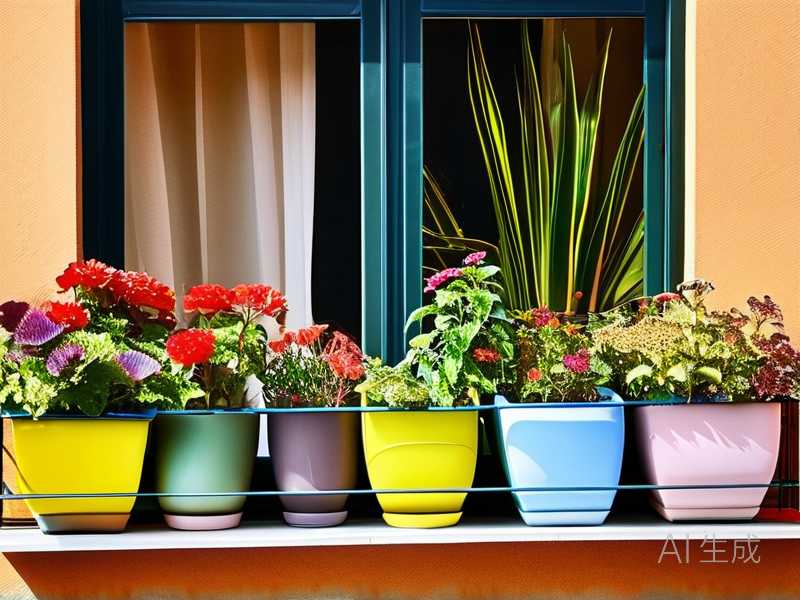
My biggest lesson after killing more plants than I'd like to admit is that the pot and the watering habit matter way more than fancy fertilizer or pretty decorations. Get those two right, and your balcony will thrive through the hottest weeks of summer.