 admin
admin How to Prevent Underwatering of Balcony Rose Seedlings: A Grower's 2-Week Rescue Diary
I almost lost them. Last spring, my precious balcony rose seedlings, nurtured from tiny seeds, began to wilt. Their leaves turned crispy, growth stalled, and my heart sank. I realized I was chronically underwatering my balcony roses. In containers, especially on sunny, windy balconies, their thirst is relentless and easy to underestimate. Through trial, error, and careful observation, I developed a fail-proof system. Here’s my hands-on, two-week journey from diagnosis to vibrant health, focusing on how to prevent underwatering of balcony rose seedlings.
Understanding the Thirst: Why Balcony Seedlings Dry Out So Fast
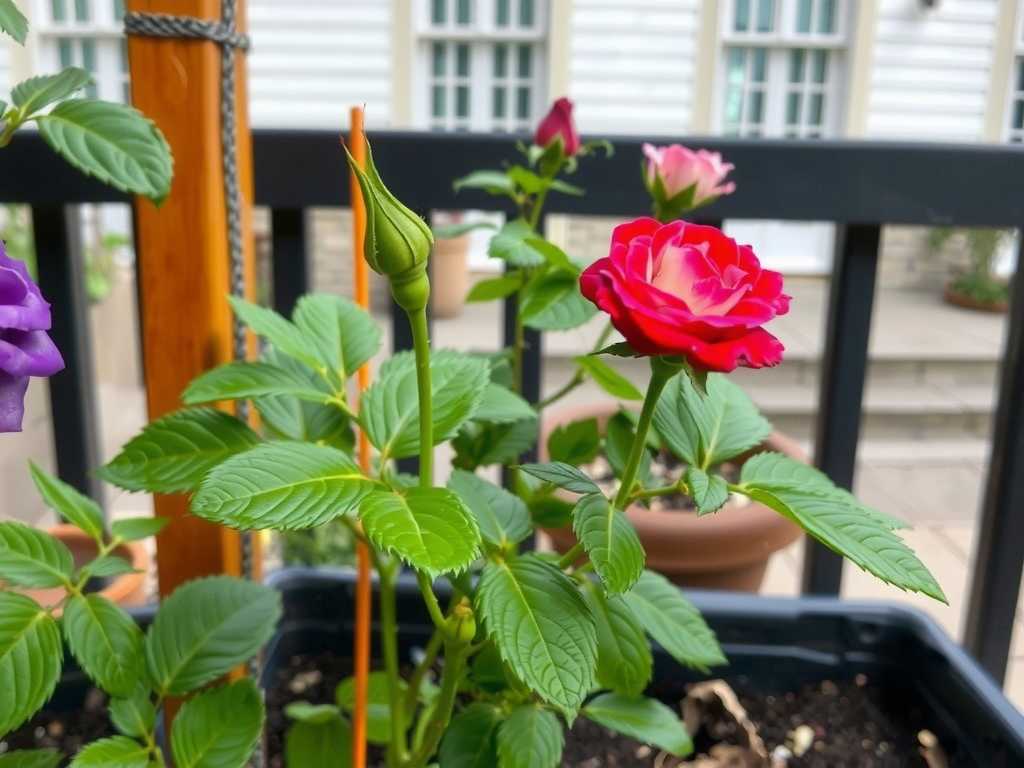
Forget everything you know about watering garden roses. Balcony gardening is a different ball game. Containers have limited soil volume, which means limited water reserves. Exposure to sun and wind accelerates evaporation dramatically. The Royal Horticultural Society (RHS) notes that container plants can require watering once or even twice daily in hot, dry weather—a frequency many new growers, including myself, find surprising.
My seedlings were in 6-inch pots. The top soil looked dry by midday, but I foolishly waited until evening, adhering to a vague "once-a-day" rule. That was my first mistake. The root zone was becoming parched daily, stressing the young plants.
My 2-Week Prevention and Recovery Protocol
I committed to a 14-day intensive care routine to reverse the damage and establish a resilient watering rhythm.
Week 1: Diagnosis and Deep Hydration
Day 1-2: The Finger Test and Soak Method I stopped surface-level sprinkling. First, I performed the classic finger test, plunging my index finger knuckle-deep into the soil. It was bone-dry. For a pot-bound, underwatered plant, surface water often runs down the insides without wetting the root ball. My solution? The soak method. I placed each pot in a shallow basin filled with 2-3 inches of water. I let them sit for 45 minutes to an hour, allowing the soil to wick moisture upward from the bottom. Once the topsoil felt moist, I removed them and let them drain thoroughly. This ensured the entire root mass was rehydrated.
Day 3-7: Establishing a Weight-Based Routine Visual cues and finger tests can be inconsistent. I adopted the "lift the pot" method. After the deep soak, I lifted a pot to feel its fully watered weight. I did this again each morning. When the pot became noticeably light, it was time to water. By Day 4, I noticed the wilting had stopped. New, small leaves began to appear at the nodes.
The Pitfall I Hit: On Day 5, we had unexpected rain. I assumed it was enough and skipped watering. The next morning, the pots were still light—the rose foliage had acted like an umbrella, shielding the soil! I learned to always check the weight, regardless of weather.
Week 2: Mulching and Monitoring for Sustainable Health
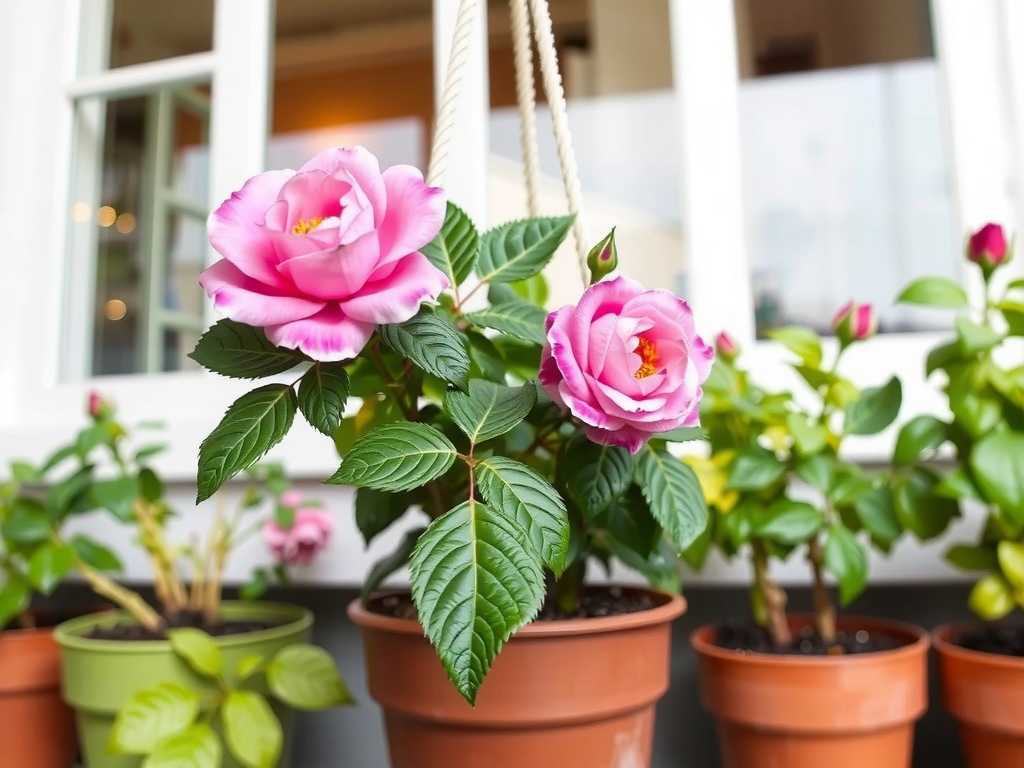
Day 8-14: Locking in Moisture with Mulch To reduce evaporation and extend time between waterings, I applied a 1-inch layer of organic mulch. I used small pine bark chips. This layer acts as an insulator, keeping the soil cooler and significantly slowing down water loss. According to the American Horticultural Society (AHS), mulch can reduce surface evaporation by up to 70%.
Implementing a Consistent Morning Watering Schedule I settled into watering deeply in the early morning. This practice, recommended by both RHS and AHS, allows plants to absorb water before the day's heat, reduces fungal disease risk, and minimizes evaporation loss. I watered until I saw a steady trickle from the drainage holes, confirming the entire soil profile was saturated.
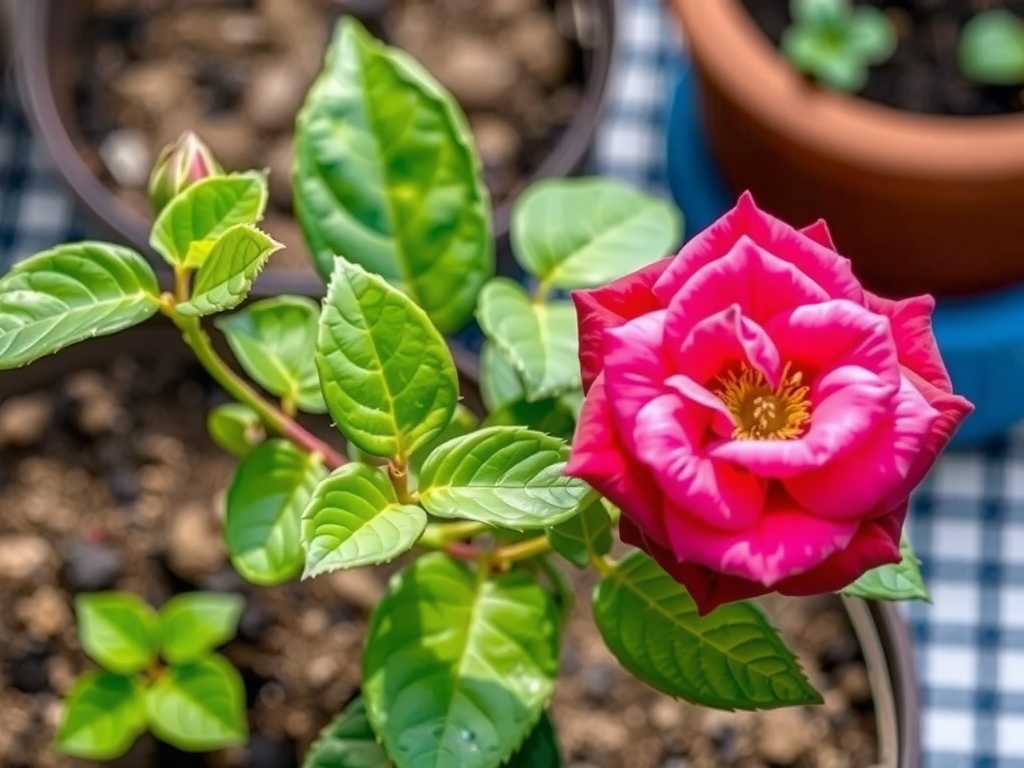
The 2-Week Transformation: Observable Results By the end of the second week, the change was undeniable. The formerly crispy leaves had been shed, and the plants pushed out healthy, dark green new growth. The stems looked turgid and strong. Most importantly, the watering interval had stabilized. With mulch, I was watering every other day instead of daily, and the soil moisture remained consistent. The seedlings were no longer in survival mode but in growth mode.
Advanced Tactics for the Forgetful Gardener
If you're worried about consistency, consider these tools I tested:
- Self-Watering Pots: I repotted one seedling into a self-watering container. The reservoir provided a buffer, and the plant thrived with weekly refills. It's a superb solution for underwatered potted roses.
- Soil Moisture Meters: A simple, inexpensive probe takes the guesswork out. It provides a clear reading of moisture at root level, perfect for beginners.
Navigating Common Concerns
Can overwatering be a problem after focusing on prevention? Absolutely. The goal is consistent moisture, not sogginess. Always ensure pots have drainage holes. The "lift the pot" method is your best defense—a heavy pot means wait, a light pot means water.
What type of soil is best to prevent underwatering? A high-quality, peat-free potting mix designed for containers is key. I avoid garden soil, which compacts. Look for mixes with water-retentive components like coir or vermiculite, but also perlite for drainage. It creates the ideal balance.
My seedlings are still struggling even with regular water. What else could it be? Check for root-bound plants. If roots are circling densely, water might flow straight through. Consider gently loosening the root ball or potting up. Also, intense afternoon sun can scorch recovering seedlings. Providing light afternoon shade for a week can help them bounce back.
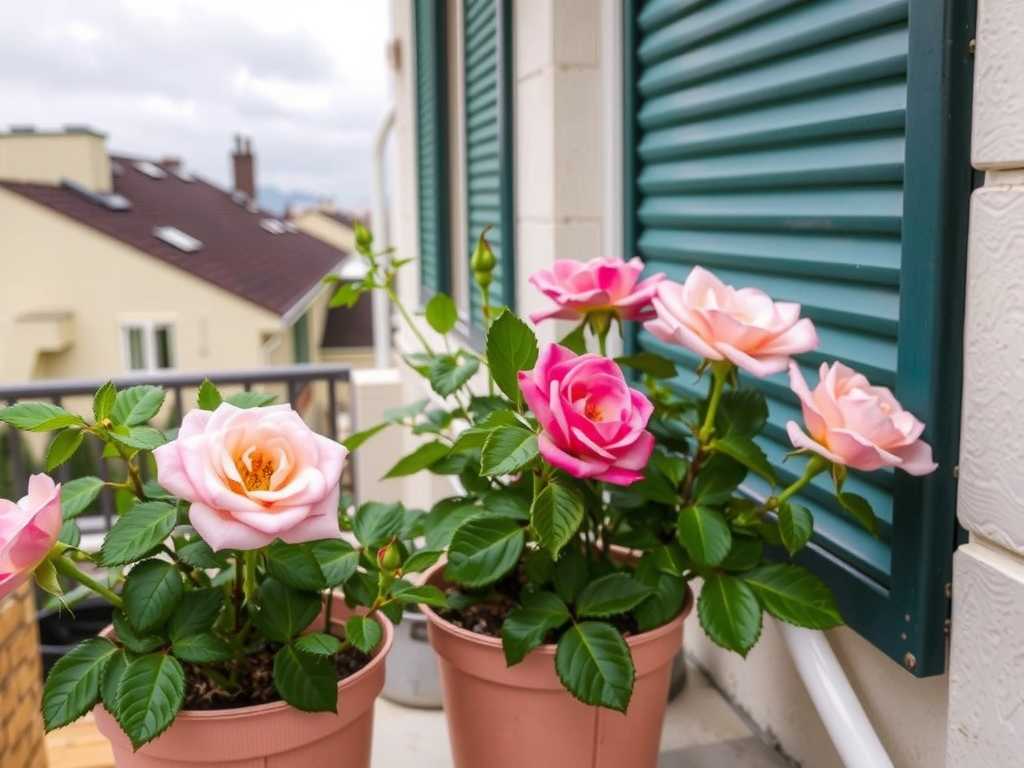
Preventing underwatering in balcony rose seedlings is about proactive care, not reactive panic. It requires understanding their unique, vulnerable environment. By moving from a calendar-based schedule to a plant-needs-based system—using the weight test, watering deeply in the morning, and employing mulch—you create a stable foundation. My two-week rescue mission taught me that consistency is more valuable than any miracle cure. Now, my balcony roses don't just survive; they flourish, boasting buds and vibrant leaves, all because I learned to listen to their silent language of thirst.
发表评论