bluename
How to Offset Multi-Shelf Positions So Lower Balcony Rose Pots Get Sunshine
If your rose pots on the lower shelves of a multi-tier balcony stand are looking pale, leggy, or just plain sulky, the fix is simpler than you think. You don't need to buy new pots or rip out your shelving. You need to offset the shelves themselves so light actually reaches the bottom tier. I've been fiddling with balcony rose setups for years, and honestly, this one adjustment changed everything for my lower pots. In this article I'll walk you through exactly how to offset multi-shelf positions so lower balcony rose pots get sunshine, including the mistakes I made along the way and what two weeks of observation taught me.
Let me be blunt first: roses are sun hogs. Most varieties want six or more hours of direct light a day. On a balcony with tiered shelving, the top shelf hogs everything and the bottom shelf starves. That's the core problem. And it's fixable.
Why Lower Shelves Get Starved in the First Place
Think about how light actually moves across a balcony. The sun arcs overhead, hits the top shelf edge-on, and casts a shadow band on everything below. The deeper your shelving unit, the wider that shadow. It's basic geometry, not bad luck.
I measured my own setup with a cheap light meter last spring. The top shelf read around 40,000 lux at noon. The bottom shelf? Barely 6,000. That's the difference between a rose that blooms and a rose that just survives.
The RHS is pretty clear that roses need full sun for healthy flowering, and lower shelves on shaded balconies just don't deliver it unless you intervene. So intervention it is.
What "Offsetting" Actually Means
Offsetting isn't a fancy term. It just means shifting each shelf slightly forward, backward, or sideways relative to the one above it so sunlight cuts a diagonal path instead of a straight shadow.
There are three ways to do it:
- Stagger shelves front to back so each tier overhangs the one below by less.
- Stagger shelves left to right so they don't sit flush in a single column.
- Angle the whole unit a few degrees toward the sun's path.
I've tried all three. Honestly, the front-to-back stagger worked best for me. Side staggering helped too, but only during mid-morning and late afternoon. Angle adjustments were fiddly and I kept knocking pots. More on that below.
My Two-Week Offset Experiment
Here's exactly what I did, step by step, because I know vague advice is useless.
Step 1: Track the Sun for a Day
Before touching any shelf, I spent one full day watching where light landed on my balcony at 9am, noon, 3pm, and 5pm. I marked the shadow lines on the floor with painter's tape. That gave me a real map instead of guesswork.
Step 2: Measure Overhang
I measured how far each shelf overhung the one below. Mine was 12 inches on a three-tier unit. That's a lot of shade. I decided to pull the middle and bottom shelves forward by 4 inches each. Not too much, because stability matters.
Step 3: Loosen, Shift, Re-Tighten
I loosened the bracket bolts, nudged each shelf forward, and re-tightened. It took about 25 minutes. I also shifted the whole unit two inches to the right so it caught more morning sun.
Step 4: Rotate the Pots Weekly
Offsetting shelves only goes so far. I now rotate each lower pot a quarter turn every week so no side gets permanently shaded. Roses lean toward light, and uneven light makes lopsided plants.
Step 5: Re-Measure Light
After the shift, I re-checked with the light meter. Bottom shelf jumped from roughly 6,000 lux to 18,000 at midday. Not perfect, but a huge improvement.
What I Observed After Two Weeks
- New growth on the lower pots went from pale green to a deeper, healthier green.
- Two of my smaller roses pushed out new buds that had been stalled for weeks.
- Leaf drop slowed noticeably.
- The leggy stretching on the bottom shelf mostly stopped.
I won't pretend everything bloomed overnight. Two weeks isn't enough for full flowering. But the direction changed, and that's what matters. If I'd left it alone, those pots would've kept declining.
Three Beginner Mistakes That Kill Lower-Shelf Roses
I've made all three of these. Learn from my pain.
Mistake 1: Watering Too Much
This is the big one. 90% of indoor plants die from overwatering, and balcony roses in shaded lower pots are especially vulnerable because they don't dry out as fast. I killed my second potted rose this way. The soil stayed soggy, roots rotted, and by the time I noticed, it was done.
Fix: check soil moisture with your finger before watering. If it's damp an inch down, wait. Lower shelves dry slower, so water less than you think.
Mistake 2: Light Misalignment
I once assumed my bottom shelf got "enough" light because the balcony faced south. Wrong. The shelf above blocked almost all of it. That's the light mismatch problem in a nutshell: you think light reaches a spot, but it doesn't.
Fix: measure or at least observe. Don't assume. Offset the shelves and check again.
Mistake 3: Using the Wrong Pot
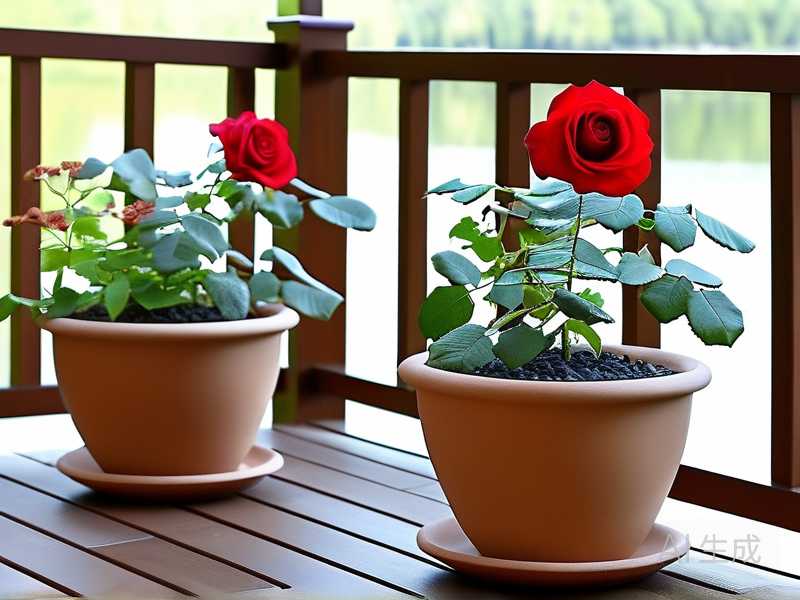
I started with glazed ceramic pots that looked lovely and held moisture like a sponge. Bad combo with shade. I switched to terracotta for the lower shelves because it breathes and dries faster. The AHS also recommends containers with solid drainage for roses, which sounds obvious until you've watched water pool on a saucer for days.
Fix: terracotta or fabric pots for shaded lower shelves. Always check drainage holes.
Refining the Offset: Small Tweaks That Helped
After the first week, I noticed the middle shelf still cast a hard shadow on the bottom in late afternoon. I added two small mirror tiles behind the lower pots. Just cheap craft mirrors. They bounced a bit of extra light onto the foliage. It's not a miracle cure, but it helped.
I also raised the bottom pots on small wooden blocks so they sat closer to the front edge, catching more of the diagonal light path.
順带一提, keeping lower pots slightly forward on the shelf also reduces the overhang shadow effect. It's the little things.
Choosing Roses That Tolerate Lower Light
Not every rose loves a shaded lower shelf. I learned this after trying a full-sun tea rose down there and watching it sulk. Now I stick to more shade-tolerant types for the bottom tier, like certain shrub roses. Contact time with growers taught me that picking the right variety matters as much as moving shelves.
If your lower shelf gets only four to five hours of sun even after offsetting, choose accordingly. Don't fight nature with a plant that needs eight.
A Quick Word on Airflow
Offsetting shelves changes airflow too. Staggered shelves let more air move between tiers, which helps prevent the dreaded powdery mildew that shaded, stuffy corners love. I noticed less mildew on my lower rose leaves after the shift. Bonus win.
Keeping It Stable
One caution: don't over-offset. I pushed a shelf too far forward early on and the bracket strained. Keep shifts within a few inches per shelf, and check bolts monthly. Safety first, sunshine second.
FAQ
Will offsetting shelves work on a north-facing balcony? Honestly, less so. North-facing balconies get minimal direct sun, and offsetting can only do so much. You'll likely need shade-tolerant roses and possibly grow lights.
How much offset is enough? A few inches per shelf usually helps. Start with three to four inches and observe. You can always shift more.
Do I need to re-offset seasonally? Yes, ideally. The sun's angle changes with seasons. What worked in June may need tweaking by September. I recheck my shadow lines each season.
Final Thoughts
Offsetting multi-shelf positions so lower balcony rose pots get sunshine isn't glamorous work. But it's the difference between a mediocre balcony and one where your bottom-tier roses actually thrive. Track your light, shift a few inches, rotate pots, water carefully, and pick varieties that suit your real conditions. I've killed more roses than I'd like to admit learning this, but the fix stuck, and my lower shelves finally earn their keep. Give it two weeks and watch closely. You'll see the change.