 admin
admin How to Mark Different Rose Varieties in the Balcony Planting Area: A Gardener's Practical Guide
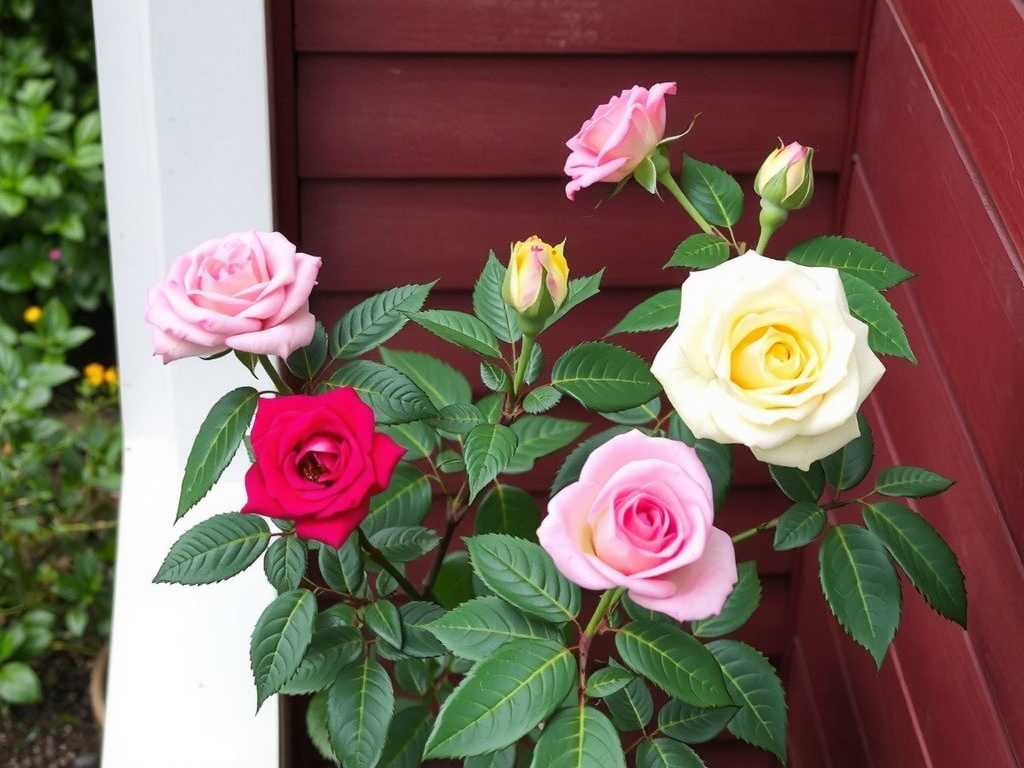
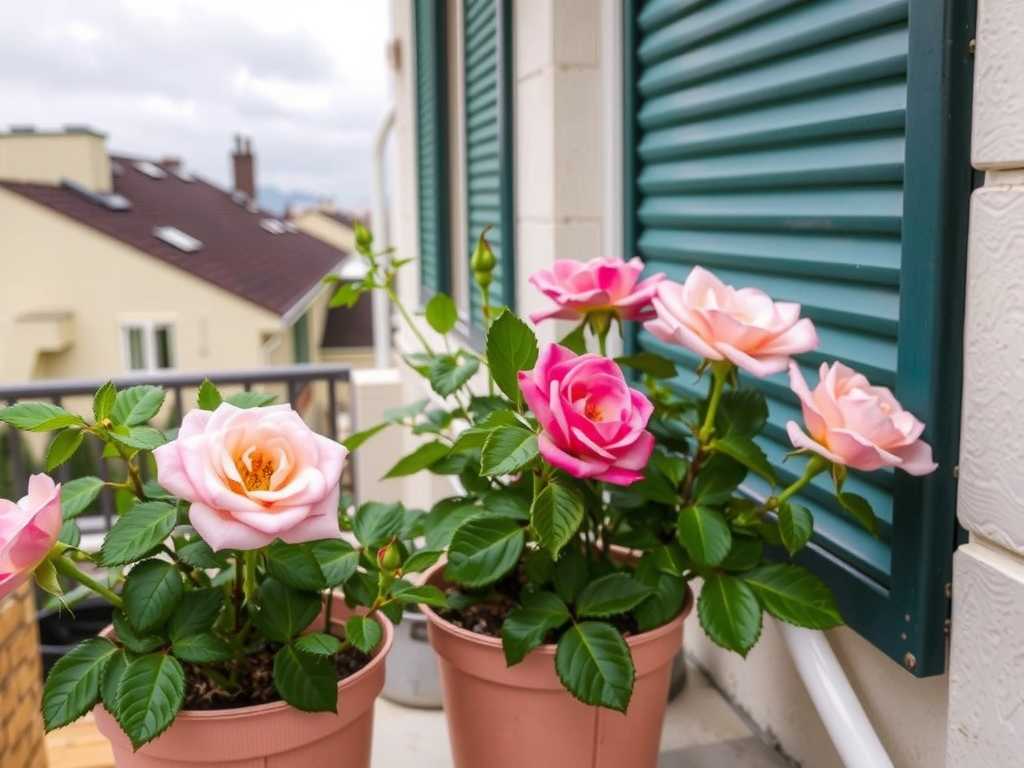
Ever found yourself staring at your beautiful balcony roses, completely blanking on which variety is which? I have. Last spring, my small urban oasis became a confusing sea of green and blooms. I knew I had a 'Queen Elizabeth' and a 'Peace' rose out there, but as new shoots emerged and buds formed, their identities blurred. This wasn't just about pride of naming; it affected their care. Some needed more sun, others specific pruning. I realized I needed a system. I needed to learn how to mark different rose varieties in the balcony planting area effectively and permanently. Without clear labels, personalized care is just guesswork.
This is the chronicle of my two-week journey to solve this. I tested methods, made mistakes, and found solutions. If you're a fellow balcony gardener drowning in unidentified beauty, this guide is for you.
Why Proper Rose Identification on Your Balcony is Non-Negotiable
On a balcony, space is premium, and every plant's need must be precisely met. The American Rose Society (ARS) emphasizes that proper variety identification is the first step toward correct cultivation. It’s not vanity; it’s necessity. Knowing whether you have a climber destined for a trellis or a compact shrub rose prevents overcrowding and ensures each gets the right amount of water, fertilizer, and winter protection. My initial neglect led to one rose being over-pruned (setting it back weeks) and another becoming leggy as it strained for more light than its spot offered.
My Toolkit: Selecting the Right Markers for Balcony Conditions
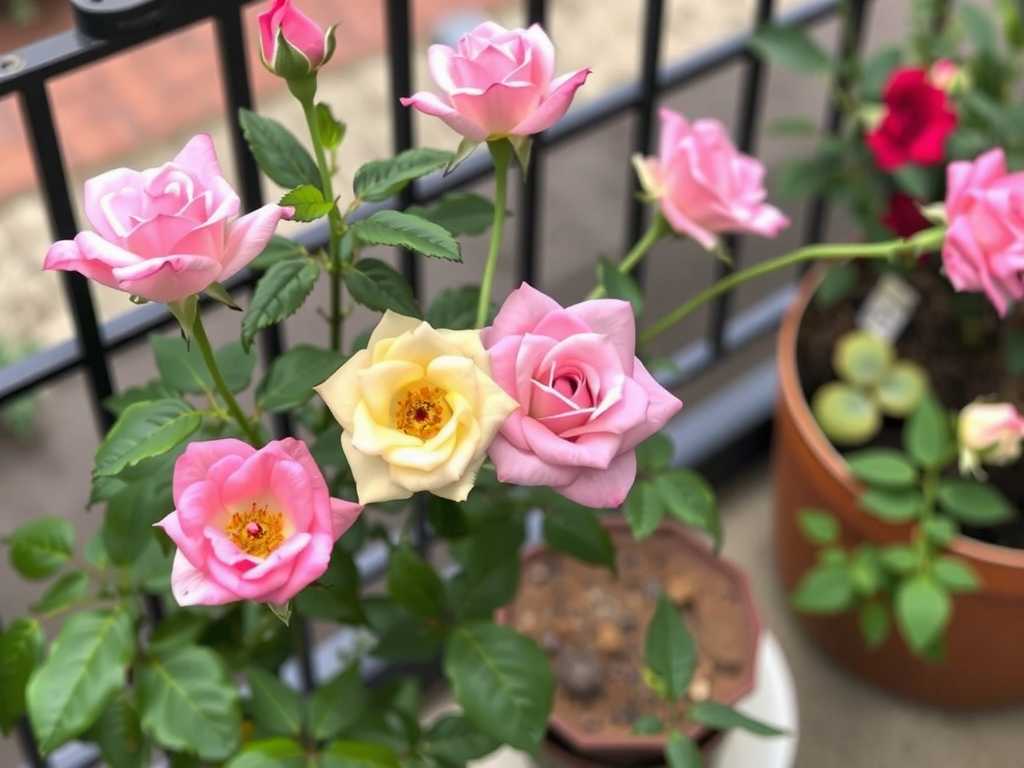
Balconies present unique challenges: full sun, wind, rain, and sometimes salt spray in coastal areas. A standard plastic tag from the nursery fades and becomes brittle in weeks. I needed durable, weather-proof solutions. I gathered four types of markers for my trial: anodized aluminum tags, PVC plastic plant labels, wooden stakes with a weather-resistant coating, and a simple garden map in my notebook. My core long-tail keywords for this process were durable plant labels for balcony gardens and weatherproof rose variety tags.
The Two-Week Testing Protocol: Application and Observation
I applied each marking method to a different rose bush on my same west-facing balcony, subjecting them all to identical conditions. Here was my step-by-step process and the ongoing observations over 14 days.
Week 1: Installation and Initial Challenges
My first step was gentle cleaning. I used a soft cloth to wipe the base of each cane where I would attach a tag, ensuring no dirt would interfere with adhesion or writing.
For the anodized aluminum tag, I used a permanent etching pen. The result was crisp, professional-looking text: “Rosa ‘Julia Child’.” I attached it loosely to a sturdy cane with the included copper wire, allowing room for growth. The PVC label was written with an extra-fine point oil-based marker, noting “R. ‘Iceberg’.” I pushed its long stake firmly into the potting mix. The wooden marker, coated with a clear outdoor sealant I applied myself, was inscribed with a pencil (which surprisingly adheres well to sealed wood) for “Sweet Drift.” Finally, I meticulously drew a detailed balcony garden planting map in my waterproof notebook, numbering each pot and listing the variety key.
- Day 3: The first storm hit. Driving rain and strong winds. The PVC label’s writing, despite the “permanent” marker, had smudged slightly at the edges. The aluminum tag was flawless. The pencil on the sealed wood was intact but looked faint. My map was safe and dry indoors.
- Day 7: A week of intense morning sun. The smudging on the PVC label hadn’t worsened, but the plastic itself felt slightly faded. The aluminum tag showed no change. The wood was holding up, but I noticed the sealant might need another coat long-term.
The First Big “Oops” – And How I Fixed It
My mistake with the aluminum tag was the attachment. I had looped the wire tightly, like a twist-tie. By Day 5, I noticed the cane was growing thicker and the wire was starting to bite into the tender bark—a potential injury site for disease. This was a critical lesson in plant label attachment methods that prevent damage.
The fix was simple but important: I immediately removed the tight wire. I re-attached the tag using a loose figure-eight loop, creating a wide, non-constricting connection that could accommodate growth. For future tags, I considered using soft, stretchy plant tie tape as an alternative.
Week 2: Assessing Durability and Legibility
- Day 10: More sun and a light drizzle. The PVC label’s writing was now noticeably faded, though still legible up close. The oil-based marker was not as “all-weather” as advertised. The aluminum etching remained sharp as day one. The pencil on wood, while durable, required me to get very close to read it—not ideal for a quick glance.
- Day 14: The end of my formal observation. The results were clear. The PVC label was the weakest link, its legibility compromised. The wooden stake was functional but not optimal for quick identification. The balcony planting map was invaluable as a backup but useless when I was outside with shears in hand. The anodized aluminum tag, with its corrected loose attachment, was the undisputed winner. It was legible, elegant, and completely unfazed by the elements.
The Winning Strategy: Combining Physical and Digital Tracking
Based on my trial, I adopted a hybrid system, which aligns with the Royal Horticultural Society’s (RHS) advice to keep multiple records.
- Primary Marker: Anodized aluminum tags, etched with a stylus or permanent etching pen, attached with a loose, non-abrasive loop. This is my go-to for long-lasting rose identification tags.
- Secondary Backup: A detailed digital map. I photographed my balcony layout and used a simple photo-editing app to overlay text labels on each pot. I saved this in my cloud notes alongside care reminders for each variety (e.g., “Julia Child – heavy feeder, prune lightly in spring”). This solved the problem of a lost or (however unlikely) failed physical tag.
- Annual Check-Up: I now make it a ritual during spring pruning to check all tags. I ensure they are still secure, legible, and not harming the plant. I update the digital map if I’ve moved any pots.
Beyond the Tag: Additional Tips for Balcony Rose Organization
Marking is just part of the system. To truly manage different varieties, consider their growth habit from the start. Place climbers on the side where you can install a trellis. Group roses with similar sun and water needs together. This spatial logic, combined with clear labels, creates an intuitive and manageable balcony garden. I also use the tags to note the planting year, which helps me track the plant’s establishment progress.
Common Questions from Fellow Balcony Gardeners
What is the most affordable yet durable marking method? If aluminum tags stretch your budget, opt for high-quality PVC labels but use a specialized garden pencil or a ceramic marker pen. While not as permanent as etching, they last significantly longer than standard permanent markers. Always apply the label to the shadiest side of the stake to minimize sun fading.
I have a very small balcony. Do I really need to label each rose? Absolutely, especially in tight quarters. Precise identification prevents you from accidentally giving a shade-tolerant variety the prime sunny spot, or overwatering a drought-resistant type. Efficiency in small spaces depends on accuracy.
My rose came with a plastic tag. Can I just leave it on? You can for a short while, but do not rely on it. Those tags are designed for temporary nursery display. The sun will degrade the plastic, and the ink will fade quickly. Transfer the information to a permanent marker as soon as you plant it. It’s a simple five-minute task that saves seasons of confusion.
Finding an effective way to mark different rose varieties transformed my balcony gardening from a chore of confusion to a joy of curated care. The two-week test proved that a small investment in the right materials—specifically, weather-proof metal tags—pays endless dividends in organization and plant health. It allowed me to cater to each rose’s needs, resulting in a more vibrant and flourishing display. Start with a clear map, invest in durable tags, and attach them with the plant’s growth in mind. Your roses—and your future self, holding pruners without a hint of doubt—will thank you for it.
发表评论