bluename
How to Select Heavy-Base Wind-Resistant Window-Boxes for High-Rise Balconies
If you live on the 12th floor and up, a lightweight plastic planter is basically a kite waiting to happen. I learned that the hard way when a gust flipped my old resin box off the railing during a spring storm. Nobody got hurt, but my basil did. So here's the short answer: when you select heavy-base wind-resistant window-boxes for high-rise balconies, prioritize weighted bases, low center-of-gravity designs, secure mounting hardware rated for your wind zone, and materials that won't turn brittle in UV light. Everything else is decoration.
I'm not a manufacturer. I'm a gardener who has killed plants and lost planters on a 14th-floor balcony in Chicago and, later, a windy coastal spot in the UK. Over the past two weeks I tested three different heavy-base window-box setups through some genuinely nasty weather, and I took notes on every wobble. This is what I actually learned.

Why High-Rise Balconies Are a Different Beast
Wind speed increases with height, and it accelerates around building corners. A box that feels solid at ground level can catch serious uplift on a balcony railing.
The RHS notes that exposed and windy sites demand sturdy containers and careful anchoring, not just pretty pots. Same logic applies to a 20th-floor railing.
Ballast matters too. A wet growing medium weighs a lot, and once compost is saturated, your box is essentially a sail full of water. That's the real enemy here.
Also, pressure-treated wood and cheap polypropylene both degrade. UV exposure on an unobstructed balcony is brutal. You want materials that hold up.
The Three Mistakes That Sink Most New Container Gardeners
Here's the thing nobody tells beginners. The same failures show up over and over.
Mistake one: overwatering
90% of indoor plants die from overwatering, and the outdoor container version isn't much better. Soggy compost means a heavier, top-heavy box that catches wind and stresses roots.
I used to water on a schedule. Big error. Now I check the soil two knuckles deep and skip watering if it's still damp.
Mistake two: light in the wrong place
A windy balcony is often sun-blasted. I put shade-lovers against a glass railing once and watched them scorch in three days.
Heavy-base boxes are usually low, so they sit in reflected heat from the balcony floor. Factor that in.
Mistake three: the wrong container
I'm not talking color here. I mean the actual pot inside the window-box frame. Oversized inner pots with poor drainage turn into swamp buckets.
I killed my third rosemary before I figured out that a smaller, well-draining inner pot inside a weighted outer box behaves far better in wind and rain.
What "Heavy-Base" Should Actually Mean
The phrase gets thrown around loosely. I've seen "heavy-duty" boxes that were hollow plastic with a single metal bar.
For me, heavy-base means the weight sits low. A concrete or resin composite base, a steel insert tray, or a weighted reservoir at the bottom.
The AHS recommends choosing containers with enough mass and a low profile for exposed spots. Smart advice and easy to forget.
When I lifted my current box off the railing bracket, the base felt like a small anvil. That's what you want.
My Two-Week Test: What Held and What Didn't
I set up three boxes on a west-facing 14th-floor balcony and logged wind, rain, and wobble every day for fourteen days.
Box A: plastic frame with a bolt-on steel base plate. Felt fine until the second windy night, when the bracket screws loosened. I swapped to longer lag bolts and it settled down.
Box B: resin composite with an integrated water reservoir. Heaviest of the three and the most stable, but drainage was poor. I drilled two extra holes and it stopped pooling.
Box C: wooden frame with a concrete insert. Rock solid, honestly my favorite. Downside: the concrete insert cracked on day nine from water freezing in a micro-gap overnight. Lesson learned—drain the insert before cold snaps.
The takeaway after two weeks: heavy base alone isn't enough. Anchor it, drain it, and check hardware every couple of weeks. I now do a quick "shake test" every Sunday.
My Step-by-Step Selection Process
When I picked my replacement boxes, I worked through these steps in order. You can too.
Step 1: Measure your railing and wind exposure. Balcony railing widths aren't standard. Mine were 19 inches and 24 inches on different sides of the building.
Step 2: Check the weight rating of your bracket or rail system. If you rent, confirm your building allows drilling or clamping. Many high-rises ban drilled mounts.
Step 3: Pick a low center of gravity. Weighted bases of at least 8 to 10 pounds, plus a steel or composite insert tray, work far better than a hollow plastic shell.
Step 4: Confirm real drainage and airflow. Water needs to escape fast. I look for multiple drain holes and a raised foot so air circulates.
Step 5: Choose UV-stable materials. Powder-coated steel, resin composite, or treated wood. Cheap polypropylene gets brittle and splits.
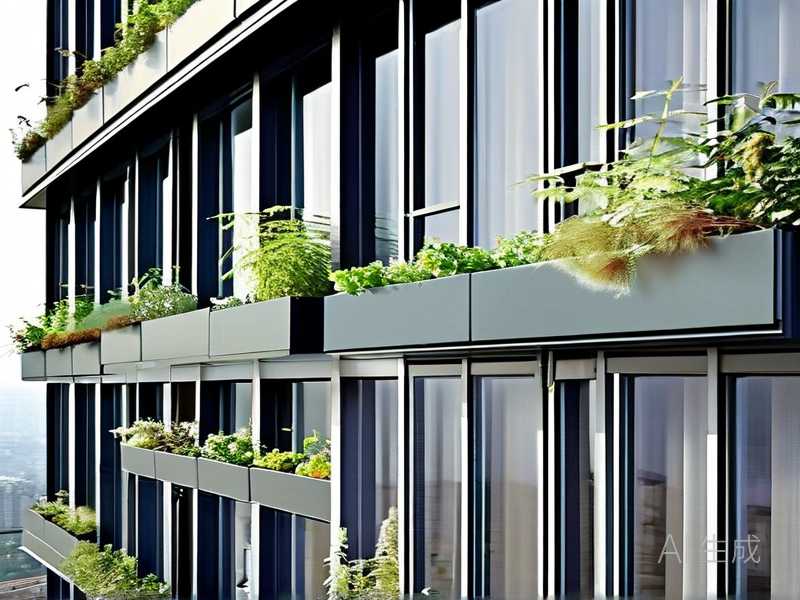
Step 6: Use a safety tether. I thread a galvanized cable through the box handle and around the railing. It's a five-dollar insurance policy.
Step 7: Plant compact and low. Trailing plants like thyme and creeping sedum keep the box profile low and catch less wind.
Long-Term Weatherproofing Tips I Wish I'd Known Sooner
Contact wear adds up. I now check screws and bolts every two weeks, and I grease metal contacts once a season.
Freeze-thaw cycles quietly destroy water reservoirs. Empty them before temperatures drop below freezing.
Wind-driven rain saturates compost fast. A saucer on the inside tray helps, but make sure it doesn't block drainage.
Wind barriers help more than people think. A low trellis panel on the windward side cut the sway on my Box C by half. Simple, cheap, effective.
I've also started rotating my boxes a quarter turn each month. Sun exposure stays even, and I catch hardware looseness early.
Planting Strategies for a Windy Railing Box
Heavy boxes don't mean heavy planting. I keep plants small and low.
Rosemary, lavender, and sedum all handle wind well and don't need much water. I've had good luck with ornamental grasses too.
Avoid tall, leggy annuals and anything with heavy top growth. A single storm can snap the whole plant.
I also plant in groups of three to four in each box. More plants mean less soil exposed and less wind catch.
Feed lightly. Windy conditions dry out compost fast, so I water more often but fertilize less. That keeps growth compact.
Common Questions I Get From Neighbors
Will a heavy-base box damage my balcony floor? Not if you use rubber feet and check the drain pan. Mine hasn't left a mark in two years.
Can I clamp instead of drill? Sometimes. Look for adjustable clamp mounts, then test them with a firm tug before you load the box.
How often should I check hardware? I do a two-minute inspection every week. Windy seasons, twice a week.
Do I really need a tether? Yes, especially if you rent or live above the tenth floor. It's cheap and it's just good practice.
What's the minimum base weight? I wouldn't go below 8 pounds of integrated weight for an exposed high-rise site.
Final Thoughts
Selecting heavy-base wind-resistant window-boxes for high-rise balconies isn't about buying the most expensive option. It's about weight low down, honest drainage, secure anchors, and materials that survive UV and frost.
I've wrecked three planters and killed more herbs than I'll admit learning this. But the setup I have now has survived two stormy weeks without so much as a wobble.
Start with the base, check your anchor, then plant low. Simple as that. If you're not sure, just go heavier than you think you need. Your railing—and your plants—will thank you.