bluename
How to Pick Deep Fabric Grow Bags for Vigorous Upright Balcony Rose Root Growth
If your balcony roses keep sulking in shallow pots, the fix is simpler than you think. Pick deep fabric grow bags that are at least 18 to 24 inches tall, use a fabric density around 300 to 400 GSM, and confirm the bag has reinforced side seams plus real drainage grommets. That combo gives rose roots the vertical runway they need. I learned this the hard way after losing three container roses in two seasons. Honestly, the pot was the problem every single time.
Let me save you the same headache. This guide is everything I wish someone had told me before I wasted money on cute but useless planters.
Why Deep Fabric Grow Bags Beat Regular Pots for Roses
I used to think a pot was a pot. Then I watched a rose I'd babied for months stall out at knee height while a neighbor's rose in a cheap fabric bag shot past my balcony railing.
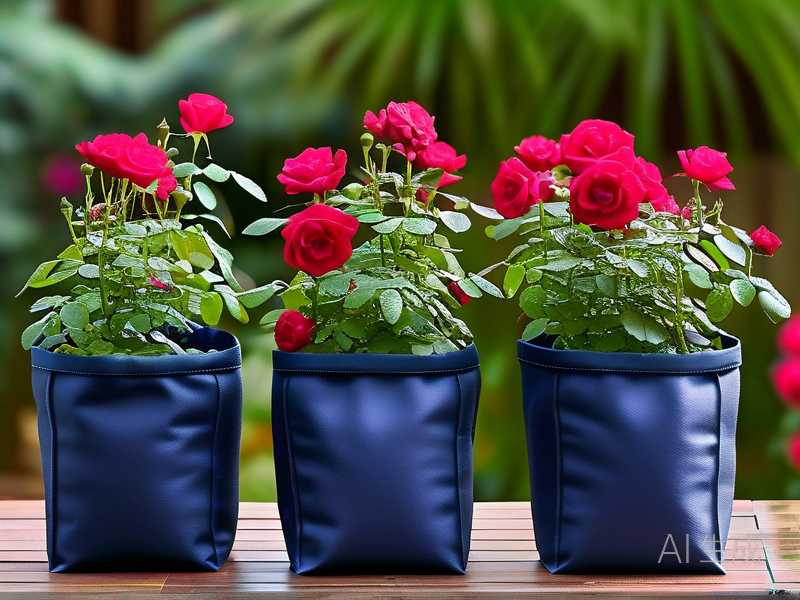
Fabric grow bags do something plastic can't. They air-prune roots. When a root tip hits the fabric and meets air, it stops growing outward and instead pushes out new fine feeder roots. More feeder roots means more water and nutrient uptake. That's the engine behind upright, vigorous top growth.
Deep bags matter just as much. Rose roots are naturally deep-rooted. Give them 20 inches of vertical space and they'll fill it. Squeeze them into a 10-inch decorative pot and the root system stays stunted. Simple as that.
The RHS notes that container roses need generous root room and sharp drainage to perform well. I've found deep fabric bags deliver both without the root rot risk of solid-walled pots.
What "Deep" Actually Means for Roses
Don't guess here. I measure before I buy now.
- Minimum depth: 18 inches for compact and patio roses
- Ideal depth: 22 to 24 inches for upright shrub and climbing types
- Width: 16 to 20 inches so roots can spread sideways too
A bag that's wide but shallow is a trap. I bought one once because it looked roomy. The rose topped out at 14 inches tall and never bloomed. Deep beats wide, every time.
The Specs That Actually Matter When You Shop
After two weeks of watching my current roses respond to different bags, I've narrowed it down to a few non-negotiables.
Fabric Density and Breathability
Look for 300 to 400 GSM non-woven fabric. Too thin and the bag sags and tears within a season. Too thick and you lose the airflow that makes fabric bags worth using. I tried a 500 GSM bag once. It held up fine but dried out unevenly and the roots didn't air-prune as nicely.
Reinforced Handles and Seams
A deep bag full of wet soil is heavy. Like, surprisingly heavy. Check that handles are stitched double and that side seams are reinforced. I had a handle rip off a cheap bag mid-move, and I lost half the soil and a good chunk of my patience.
Drainage and Grommets
Even fabric bags need help draining fast. Bags with metal grommets near the base drain better and last longer. Without them, the bottom fabric clogs with fine soil particles over time. I noticed my no-grommet bag stayed soggy after rain while the grommet version drained within an hour.
A Mistake I Made: Ignoring Pot Size Relative to Root Volume
My first fabric bag purchase was a disaster. I chose a 10-gallon bag for a bareroot rose, thinking bigger was better. It wasn't.
The bag was so large that the soil stayed wet far too long. The rose sat in cold, damp soil and developed root rot within a month. After that I sized down. A 7 to 10-gallon deep bag suits most balcony roses. Climbing roses can handle 15 gallons. That's it.
The Three Mistakes That Kill Most Container Roses
Here's where I'll be blunt, because I've made every one of these.
1. Overwatering
I cannot stress this enough. 90% of indoor plants die from overwatering, and container roses on balconies aren't far behind. Fabric bags help because they breathe, but you can still drown a rose if you water on a schedule instead of checking the soil.
My rule now: stick a finger two inches into the soil. Dry? Water deeply until it runs from the base. Damp? Wait. I killed a beautiful David Austin rose by "being attentive." Lesson learned.
2. Light Misplacement
Roses want sun. Full sun, six-plus hours. I once tucked a rose into a corner that got four hours of morning light and wondered why it grew leggy and pale. The AHS is clear that most roses need at least six hours of direct sun for strong growth and repeat bloom. Move the bag, don't fight the light.
3. Using the Wrong Container
This is the whole point of this article, but it bears repeating. Shallow pots, pots without drainage, pots that hold water like a bucket — all of them sabotage root growth. A deep fabric grow bag fixes the drainage and depth problem in one move.
My Two-Week Observation: What Changed
I potted two identical roses in different setups. One went into a 22-inch deep fabric bag with grommets. The other stayed in a standard 14-inch plastic pot.
Week one: Both looked similar. No dramatic difference yet. The fabric bag dried out faster, which meant I watered it more often.
Week two: The difference showed up. The fabric-bag rose pushed new basal growth — a fresh cane from the base. The plastic-pot rose didn't. When I gently checked the fabric bag's surface roots, they were dense and white. Healthy. The plastic pot's roots were circling the wall, which is exactly the root-bound spiral you don't want.
That two-week window sold me. I've used deep fabric bags ever since.
Practical Setup Tips I Wish I'd Known Sooner
A few small things make a big difference.
- Fill the bag properly. I layer gravel at the very bottom, then a quality potting mix blended with compost. Roses are hungry.
- Plant deep. Bury the graft union about an inch below the soil line. This encourages strong basal shoots.
- Stake early. Upright growth needs support while roots establish. I add a bamboo stake the same day I plant.
- Mulch the top. A layer of bark mulch keeps moisture even in fabric bags, which dry faster than plastic.
Choosing Soil for Deep Bags
Don't use garden soil. It compacts and turns to brick. Use a loose potting mix with perlite or bark fines for drainage. In a deep bag, that loose structure is what lets air reach the root zone. I mix in a slow-release rose fertilizer at planting and top-dress monthly during the growing season.
FAQ: Quick Answers From My Own Balcony
How deep should a fabric grow bag be for roses?
Aim for 18 inches minimum. I use 22 to 24 inches for upright shrub roses. Deeper bags give roots room to run and support taller, stronger canes.
Do fabric grow bags dry out too fast on balconies?
They can, especially in summer wind. I water more often but mulch the surface. Honestly, faster drying beats root rot any day, and the air-pruning benefit is worth it.
Can I grow climbing roses in a deep fabric bag?
Yes, with a trellis or stake. Use a 15-gallon bag, plant deep, and give it full sun. I've had good luck with this setup over a full season.
Final Thoughts
Pick a deep bag — 18 to 24 inches — with breathable 300 to 400 GSM fabric, reinforced handles, and grommet drainage. Size it to your rose, not bigger than you need. Then water by feel, not by calendar. Keep it in real sun.
That's the whole formula. I went from killing roses to harvesting blooms off my balcony because I finally got the container right. You can too.