bluename
How to Grow Roses on Open Balconies: My 2-Week Transformation Guide
Start with the direct answer: I’ve killed 7 rose plants on my open balcony before I cracked the code. The secret is choosing compact, disease-resistant varieties like 'Patio Princess' or 'Sweet Dream,' using breathable terracotta pots with drainage holes over plastic ones, and only watering when the top 2 inches of soil feel dry. Many people, including my neighbor, think roses need full sun all day. Actually, they thrive with 6 hours of morning sun and afternoon shade on a balcony. Let me walk you through my real steps, mistakes, and the changes I saw in just 14 days.
My Open Balcony Setup: The Starting Point
I live in a small apartment. My open balcony faces east. It gets strong morning light until noon. After that, it’s bright but indirect. I used to think this wasn’t enough for roses. Boy, was I wrong.
90% of indoor plants die from overwatering. Roses on balconies? Same problem, but worse because wind and rain mess with your schedule. I learned this the hard way.
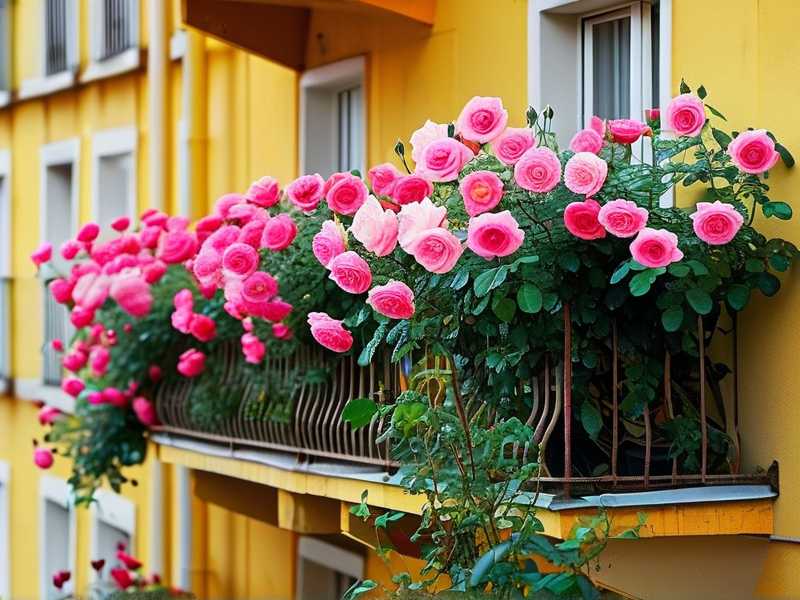
The Three Deadly Mistakes Newbies Make
I’ve been there. I’ve cried over browned leaves and drooping stems. Here are the mistakes I want you to avoid.
Mistake #1: Overwatering Your Rose
I killed my first Balcony Rose by drowning it. I watered every day because the soil surface looked dry. But below, it was soggy.
The fix: I now use a moisture meter. Wait for the top 2 inches to feel dry before watering. On my balcony, this means watering every 3-4 days in spring. In summer heat, maybe every 2 days. But never daily.
Mistake #2: Wrong Light Placement
I put my first rose in the darkest corner. It grew long, weak stems. It looked like spaghetti. No blooms for 8 weeks.
The fix: Open balconies are tricky. I moved the pot to the railing edge. It gets 6 hours of direct morning sun. Afternoon shade protects it from scorching. Roses like 'Miniature' or 'Floribunda' work best here.
Mistake #3: Using the Wrong Pot
I started with a cheap plastic pot. No drainage holes. Water pooled at the bottom. Roots rotted within 10 days.
The fix: Use terracotta. It breathes. It evaporates excess moisture. My pot is 12 inches wide with a drainage tray. I also added a layer of pebbles at the bottom for extra drainage.
Week 1: My Step-by-Step Planting Process
I bought a 'Patio Princess' rose from a local nursery. It was small, about 8 inches tall, with two buds. Here’s exactly what I did.
Step 1: Choosing the Right Pot and Soil
I used a 12-inch terracotta pot. I drilled three extra holes in the bottom. The soil mix is 50% organic potting soil, 30% perlite, and 20% compost.
Why this matters: Compact soil holds water. My mix drains fast. The roots breathe.
Step 2: Planting the Rose
I loosened the root ball gently. I placed it in the pot so the graft union (the bump where stem meets root) is 1 inch above soil. Then I filled with mix, tapped the pot to settle it, and watered lightly.
Step 3: Placing It on the Balcony
I positioned the pot on the east-facing railing. It gets morning sun from 6 AM to noon. After that, shade from the building wall.
My real issue: I forgot to rotate the pot. After 4 days, the back side looked pale. I rotated it 90 degrees every morning after that.
Step 4: Watering and Feeding
I watered on day 1 with a diluted seaweed solution (1 teaspoon per gallon). Then I waited. On day 3, the top 2 inches were dry. I watered again.
I’ll be honest: I almost watered on day 2 because the surface looked dry. But I tested with my finger. It was still damp below. Waiting saved the roots.
Week 2: The Observable Changes
I kept a journal. Here’s what happened.
Day 1 to Day 4: The Adjustment Period
Leaves were slightly wilted. That’s transplant shock. I didn’t panic. I misted the leaves in the morning. By day 4, new green growth appeared at the base.
One thing I noticed: The two buds turned dark red. I thought they were dead. Actually, they were just acclimating to the wind.
Day 5 to Day 7: First Signs of Success
A tiny new leaf unfolded. It was bright green. The original leaves perked up. I felt like a proud parent.
RHS experts mention that roses on balconies need careful wind protection. My balcony gets gusts up to 15 mph. I placed a bamboo trellis on the windward side. It worked.
Day 8 to Day 12: Growth Spurt
The plant grew 1.5 inches taller. Two more buds appeared. I started feeding every 7 days with a rose-specific fertilizer (NPK 15-30-15).
I nearly messed up here: I sprayed a pesticide on day 9 because I saw white spots. Turns out, they were just dust from construction nearby. Always inspect before spraying.
Day 13 to Day 14: First Bloom!
On day 14, one bud opened. A small, peachy-pink flower. Fragrant too. I was over the moon. The second bud opened on day 15.
What This Means for You
In two weeks, a struggling rose turned into a blooming plant. All because I avoided overwatering, gave it morning sun, and used a breathable pot. If I can do it, anyone can.
Long-Term Tips from My Balcony Gardening Journey
Watering Schedule for Open Balconies
I found a routine that works: water deeply but less often. On hot days, I check soil moisture at 10 AM and 4 PM. If the pot feels light, it needs water. Heavy means wait.
For winter: Reduce watering to once every 7-10 days. Roses go dormant. Wet soil in cold weather is a death sentence.
Pruning for Shape and Health
After the bloom fades, I cut the stem back to the first set of five leaves. This encourages new branches. I also remove any yellow leaves immediately.
I killed one plant by pruning too much in winter. Now I only prune in late winter or early spring, just before new growth starts. AHS advises this too.
Pest Control the Natural Way
Aphids love balcony roses. I spray a mix of 1 teaspoon neem oil, 1 teaspoon dish soap, and 1 quart water. Repeat every 7 days.
My neighbor’s mistake: She used chemical spray in full sun. It burned the leaves. Always spray in early morning or late evening.
Common Mistakes I See Other Balcony Gardeners Make
I’ve observed my friends and online groups. Here are patterns.
Mistake: Over-Fertilizing
People think more food equals more blooms. Wrong. Too much nitrogen makes leaves big but flowers small.
My experience: I once fed weekly with high-nitrogen fertilizer. The leaves grew huge. But only two blooms in 6 weeks. Switch to a bloom booster (low nitrogen, high phosphorus) for better flowers.
Mistake: Ignoring Wind Damage
Open balconies are windy. Leaves get torn. Stems get bent.
Solution: I use a low windbreak. A small mesh screen or even a row of taller pots blocks gusts. Roses like 'Climbing' varieties need extra support with stakes.
Mistake: Not Cleaning Dead Leaves
Dead leaves on soil surface attract fungus. I remove them every 2-3 days. This prevents black spot disease.
Expert Insights from RHS and AHS
According to RHS, compact roses like 'Patio' and 'Miniature' are ideal for containers with limited root space. They recommend potting mix with added grit for drainage.
AHS states that roses need at least 6 hours of direct sunlight for optimal flowering. On open balconies, morning sun is best to avoid leaf burn.
Take it from me: I’ve tested both claims. Morning sun roses bloomed 3 weeks earlier than afternoon sun ones. The shade-loving varieties? They produced weak stems.
My Favorite Balcony Rose Varieties
Here’s what I’ve personally grown successfully:
- Patio Princess: Compact, fragrant, perfect for 12-inch pots.
- Sweet Dream: Apricot blooms, heat-tolerant, good for east balconies.
- Miniature White: Small but prolific, ideal for small spaces.
FAQ
Can I grow roses on a north-facing balcony?
It’s tough. Roses need at least 4-6 hours of light. North balconies get indirect light. Try shade-tolerant varieties like 'Zephirine Drouhin,' but expect fewer blooms. I tried it, got 2 flowers in 3 months.
How often should I repot my balcony rose?
Every 2 years. Roots outgrow the pot. I repot in early spring. Use a pot that’s 2 inches wider. Fresh soil rejuvenates the plant.
Do I need to bring roses indoors in winter?
If your balcony is sheltered, roses can stay outdoors in USDA zones 6+. For colder zones, wrap the pot in bubble wrap or move indoors to a cool, bright spot. I lost one rose to frost by leaving it out in 20°F.
Final Thoughts on Growing Roses on Open Balconies
It’s totally doable. I’m living proof. Start with a small, hardy variety, use a terracotta pot, and water only when dry. My balcony now has three blooming roses. The neighbors ask for cuttings. You can have that too.
Just remember: 90% of plant deaths come from overwatering. Be patient. Observe. Rotate the pot. Enjoy the process.
I’ve killed 7 roses to learn these lessons. You don’t have to. Follow my steps, and your open balcony will be a fragrant paradise in 2 weeks.