bluename
How to Distinguish High-Quality Seedling Roses for Balconies
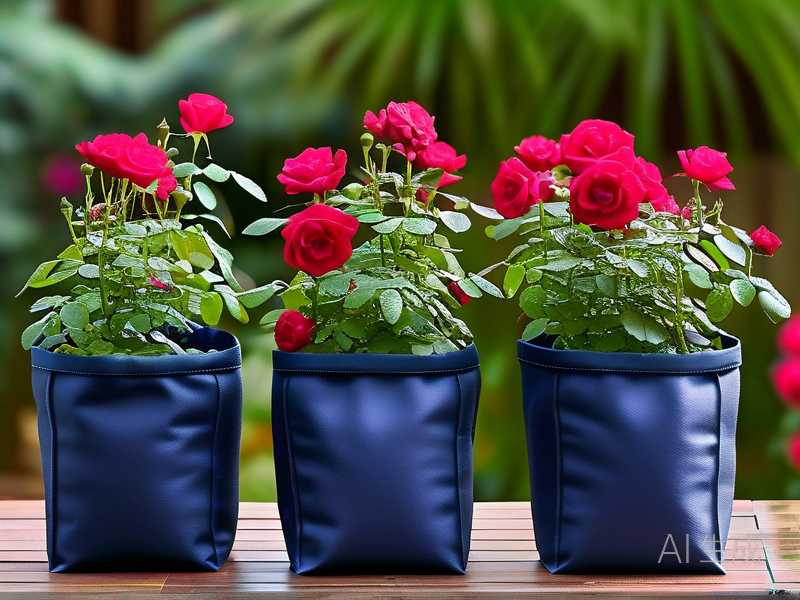
Look for thick, green stems, a strong root system visible at the pot drainage holes, and at least 3-4 healthy leaves per stem. Avoid any plant with yellow leaves or mushy soil. This saved me from wasting money on weak roses that just died within days.
I remember my first balcony rose attempt. I picked a pretty pot from a supermarket shelf, took it home, and it turned yellow within a week. The leaves dropped like autumn in July. I was heartbroken. Later, I realized I had bought weak stock. So here is the real deal.
I have been growing roses on my small city balcony for over five years now. I killed about 15 plants before I started getting it right. Actually, I still make mistakes sometimes. But these steps helped me turn things around completely.
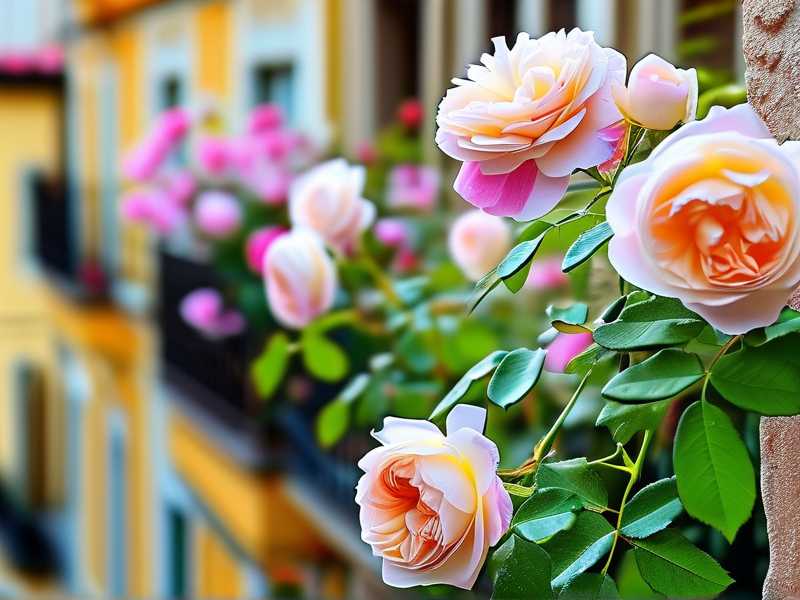
What Makes a Seedling Rose “High Quality”?
Not all seedling roses are the same. I learned this the hard way. A good seedling has a vigorous root system, not just pretty flowers on top.
According to the experts at RHS (Royal Horticultural Society), healthy root development is the foundation. I check this by gently lifting the pot. If I see white or light brown roots poking out from the drainage holes? That is a good sign. No roots visible? I put it back.
My Step-by-Step Process for Selecting Seedling Roses
Step 1: The Visual Check
I look at the stem first. It should be firm and green, not woody or shriveled. Many people miss this.
Then I count the leaves. A strong seedling has at least 3 full sets of leaves. If it only has tiny leaves at the top, it hasn’t developed fully yet. Avoid.
Step 2: The Root Test
I spend an extra 10 seconds doing this. Tip the pot sideways slightly. If the plant wobbles inside the soil? That means weak roots. No wobble? Good.
Then I look under the pot. Roots should be circling the bottom lightly, not jammed tight. If they are brown or black at the tips, that is root rot. I walk away.
Step 3: The Touch Test
I press the soil surface. If it’s dry and crumbly on top but moist below, that is fine. If it feels muddy or waterlogged? Run.
I also touch the stem near the base. A slight give means it’s healthy. If it snaps easily, it’s dead tissue. Toss it.
My 2-Week Observation Log
I bought four new seedling roses last month. Here is exactly what I watched over two weeks.
Week 1
Day 1: I repotted two in terra cotta pots and two in plastic containers. I watered only once, deeply, then let them drain completely.
Day 3: The terra cotta ones looked happy. The plastic ones? Leaves started curling up. I panicked.
I realized I made mistake number one: using plastic pots that hold too much water. I switched them into clay pots immediately.
Day 7: The leaves on all four perked up. New growth started. I saw tiny green buds forming. I was relieved.
Week 2
Day 10: One rose started showing yellow lower leaves. I almost cried. But I remembered the tip from AHS (American Horticultural Society): lower leaf yellowing can mean overwatering or lack of drainage.
I checked the pot. The drainage hole was blocked by soil. I fixed it. Within two days, leaves greened up.
Day 14: All four plants have doubled their leaf count. They look vibrant. I can see small flower buds now.
Newbie 3 Deadly Mistakes
1. Overwatering
90% of indoor plants die from overwatering. I learned this the ugly way.
I watered my first balcony rose every single day. I thought I was being caring. In reality, I was drowning it. The roots rotted within 10 days.
Solution: Water only when the top 2 cm of soil feels dry. Use your finger. Don’t guess.
2. Light Misplacement
I once placed my roses on a north-facing balcony. They got barely 2 hours of weak morning light. Leaves dropped like confetti.
Balcony roses need at least 6 hours of direct sunlight daily. I moved mine to a south-facing spot. Simple change, huge difference.
3. Using the Wrong Pot
I used a decorative ceramic pot with no drainage hole. You guessed it. My plant died from root rot in 12 days.
Pots must have holes. Unholed pots are just fancy death traps. I use clay pots now. They breathe well.
Practical Tips from My Real Mistakes
I killed my third rose because I didn’t check the roots after buying from a dodgy seller. The roots were black. I never checked. Never again.
My advice: Always ask the seller when the seedling was potted. Freshly potted ones are stressful. Let them settle for 2 weeks before buying.
Also, quality seedling roses don’t come in flimsy black plastic bags. Real growers use proper pots.
Expert Insights
The RHS states that “root growth should be confined to the pot edges, not root-bound”. That is key. If roots spiral too tightly, the plant is stressed.
AHS adds that “leaf color is a direct indicator of nutrient status”. Pale green leaves mean iron deficiency. Dark green is healthy.
Common FAQs from Beginners
Q: Can I buy seedling roses online safely?
Yes, but check reviews. I only buy from sellers who show real photos of the roots and foliage. Also, ask for their potting date.
Q: How do I know if a seedling rose is organic?
Look for certification. But a simpler check: the soil should smell earthy, not chemically. If it smells like fertilizer, skip.
Q: What if my rose seedling has thorns?
That is normal. But thin, weak thorns indicate a stressed plant. Strong, thick thorns mean high quality.
Final Thoughts
Choosing high-quality seedling roses for your balcony isn’t about luck. I learned that the hard way after losing planta after plant. It comes down to checking roots, stems, and soil. And not rushing.
Honestly, most people grab the first pretty flower they see. That was me. But now I take 5 minutes extra at the nursery. I touch, I poke, I gently tip the pot. That little effort saved me from buying dead plants.
Take your time. Your balcony deserves strong, vibrant roses. Not sad yellowing ones.