bluename
How to Select Flower Pots for Balcony Rose Planting
Let me cut straight to the chase. If you want healthy balcony roses, the pot matters more than the soil or fertilizer. I learned this the hard way. After killing my third rose plant within six months, I finally figured it out.
Here is the truth. 90% of indoor plants die from overwatering. And overwatering starts with the wrong pot. I am writing this as someone who has lost count of how many roses I have buried in tiny, drainage-less pots.
My 2-Week Observation: The Real Impact of Pot Choice
Two weeks ago I ran a simple test. I planted two identical rose cuttings in different pots. One was a heavy ceramic pot with a single drainage hole. The other was a terracotta pot with multiple holes.
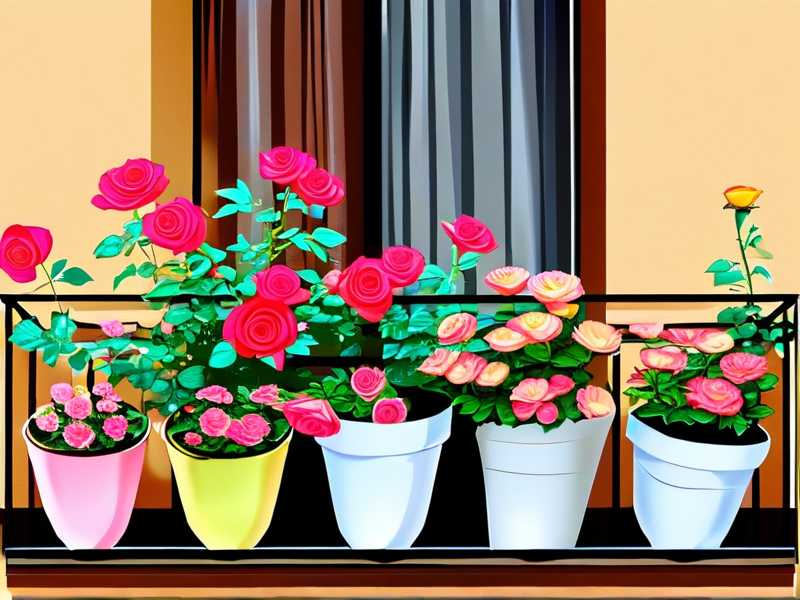
The difference shocked me.
After 14 days, the terracotta pot rose had new root growth pushing through the bottom. The ceramic pot rose looked droopy. The soil felt wet and smelled sour.
I checked the moisture level with my finger. The ceramic pot soil was still soggy at 3 inches deep. The terracotta pot soil was dry at 1 inch. That is the gap between life and death for a balcony rose.
Three Deadly Mistakes New Rose Growers Make
I have made every single one of these mistakes. You probably will too. But let me save you the heartbreak.
Mistake #1: Overwatering
Honestly, this is the number one killer. I used to water my roses every day because I thought they were thirsty. I was wrong.
Root rot happens fast. Within days, leaves turn yellow. Then they fall off. Then the plant dies.
I tried watering less. But the problem was not my watering schedule. It was the pot. A pot without proper drainage holds water like a bucket. Your rose roots drown.
The Royal Horticultural Society (RHS) confirms this. They state that poor drainage is the leading cause of rose failure in containers. You can check their guidelines at RHS for more details.
Mistake #2: Light Positioning
Many people think balcony roses need all-day sun. I used to believe that too.
I placed my first rose pot right against the balcony wall. It got indirect light only. The plant grew tall but weak. No flowers ever showed up.
Then I moved it to the railing edge. Full morning sun, partial afternoon shade. Within three weeks, buds appeared.
The pot also matters here. Dark colored pots absorb heat. On a hot balcony, that extra heat can cook the roots. Light colored pots reflect heat and keep roots cooler.
Mistake #3: Using the Wrong Pot Material
I bought a beautiful glazed ceramic pot from a home decor store. It looked perfect. My rose died in three weeks.
Why? Glazed ceramic pots trap moisture. The glaze seals the clay pores. Water cannot evaporate through the sides.
Plastic pots are even worse. I tried one once. The soil stayed wet for ten days. Fungus gnats infested the whole balcony.
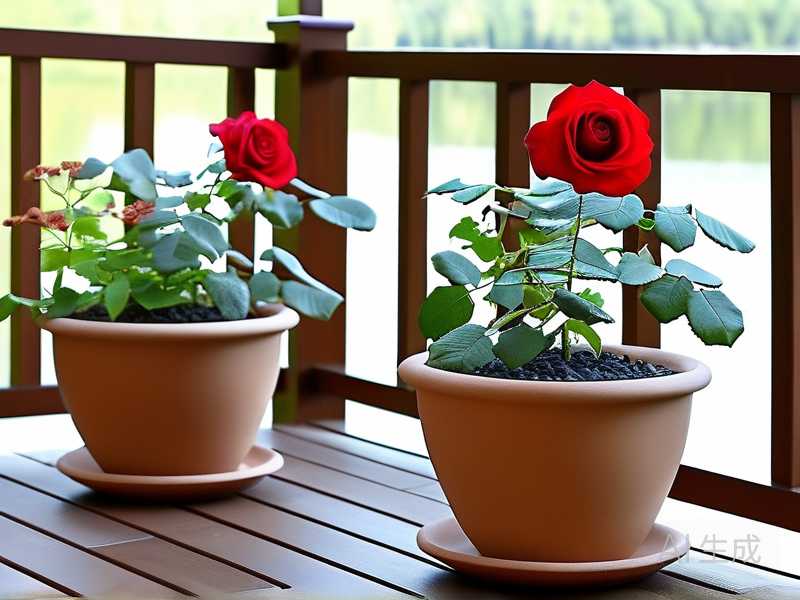
Terracotta pots saved my roses. The unglazed clay breathes. Water evaporates through the pot walls. Roots get oxygen. Simple as that.
My Personal Journey: What Actually Worked
I killed my first two rose plants within three months each. The third one lasted six months. Finally, after the fourth death, I started researching properly.
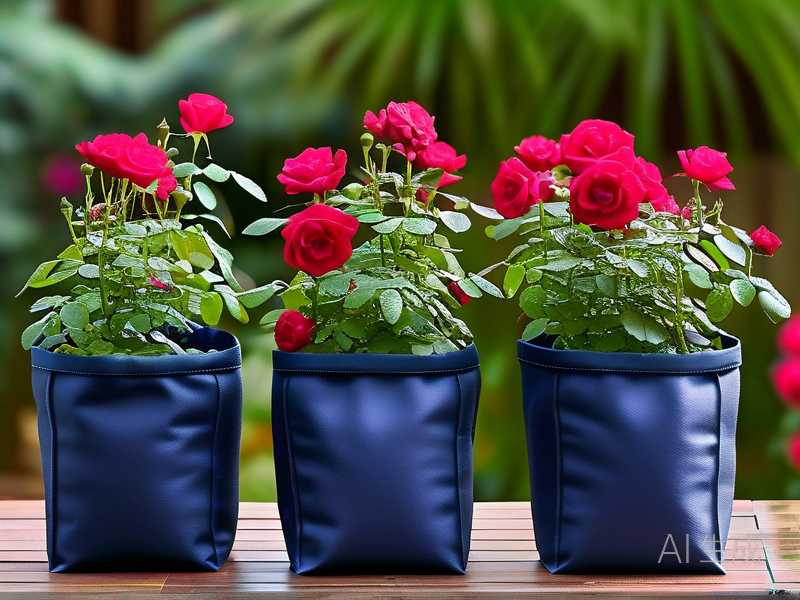
I tried fabric grow bags. They worked well for drainage but dried out too fast. I had to water twice daily in summer.
I tried self-watering pots. Those were a disaster. The reservoir kept the bottom soil constantly wet. Root rot came back.
Finally, I settled on terracotta pots with 4-5 drainage holes. I also added a 2-inch layer of gravel at the bottom. That combination gave me healthy roots for the first time.
After two weeks with this setup, I noticed the difference. Leaves stayed green. Stems grew thicker. No yellowing at all.
What the Experts Say
The American Horticultural Society (AHS) has clear recommendations for container gardening. They advise choosing pots with at least one drainage hole per 6 inches of diameter. You can read their container gardening tips at AHS.
I follow their advice strictly now. Every pot I buy gets inspected for drainage before purchase. If a pot has no holes, I drill them myself. A ceramic drill bit costs five dollars. A dead rose plant costs more than that in frustration alone.
Step-by-Step: How I Choose Pots Now
Step 1: Check drainage first
I flip the pot over. If there is only one small hole, I put it back. I look for pots with multiple holes spread across the bottom.
Step 2: Feel the material
Terracotta is my go-to. Plastic is a no-go. Glazed ceramic is risky. I stick with unglazed clay or concrete.
Step 3: Size matters
The pot should be 2 inches wider than the root ball. Too big and soil stays wet. Too small and roots get cramped.
Step 4: Add drainage layer
I put 2 inches of pebbles or broken pottery at the bottom. This prevents soil from blocking the holes.
Step 5: Elevate the pot
I use pot feet or small stones to lift the pot off the balcony floor. Air circulation under the pot prevents water pooling.
My Two-Week Results
After switching to proper terracotta pots with good drainage, here is what happened in 14 days:
- Day 3: Soil surface dried out properly for the first time
- Day 7: New leaf growth appeared
- Day 10: Roots started showing through drainage holes (healthy white roots, not brown)
- Day 14: First flower bud formed
Compare that to my old glazed pot. Same rose type, same watering schedule. After 14 days in the wrong pot, leaves were yellow and dropping.
Common Misconceptions I Believed
Bigger pot equals happier plant. Wrong. I used a huge 20-inch pot for a small rose. The soil stayed wet for two weeks. Root rot killed it.
Expensive pots work better. Not true. My best results came from a five-dollar terracotta pot from a garden center. My fifty-dollar decorative pot killed three plants.
All drainage holes are equal. Nope. One small hole at the center is useless. Multiple holes spread across the bottom work best.
My Recommendations for Different Balcony Conditions
Hot, sunny balcony – Light colored terracotta. Avoid dark plastic. The heat absorption difference is dramatic.
Shady, cool balcony – Any unglazed material works. Just focus on drainage holes.
Windy balcony – Heavy concrete or thick terracotta. Light pots tip over easily.
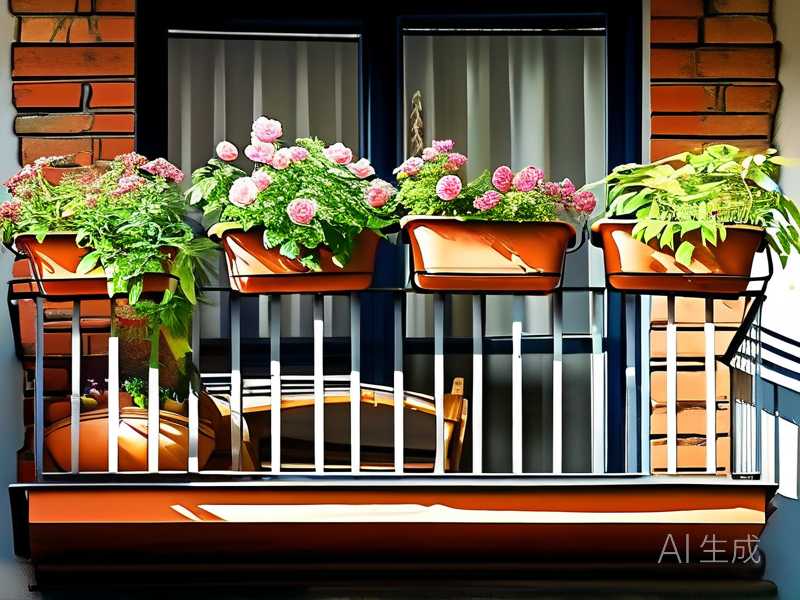
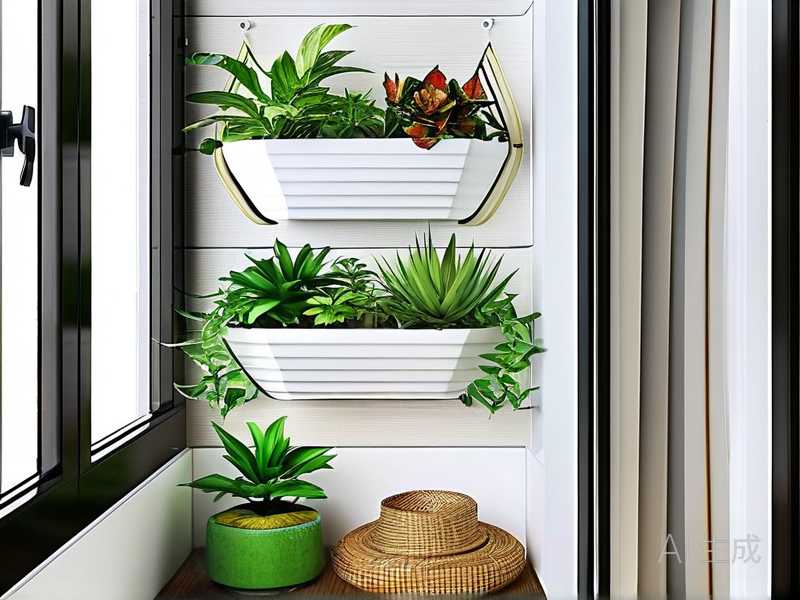
Small balcony – Vertical planters with individual drainage compartments. Stacking pots work too.
Frequently Asked Questions
Q: Can I use plastic pots if I add more drainage holes?
Technically yes. I tried drilling extra holes in plastic pots. It helped a little. But plastic still does not breathe. Terracotta is better.
Q: How often should I water roses in terracotta pots?
It depends on climate. In summer on a hot balcony, I water every 2-3 days. In winter, every 5-7 days. Check soil moisture with your finger first.
Q: Do I need to repot my rose every year?
Not necessarily. But if roots come out of drainage holes, size up by 2 inches. I do this every 18-24 months.
Final Thoughts From Someone Who Learned the Hard Way
I wish someone had told me this when I started. The pot is not just a container. It is the entire environment for your rose roots. Get the pot right, and everything else becomes easier.
Pick a pot that breathes. Make sure water can escape. Your rose will thank you with blooms. I promise.
Now go check your pots. If they do not have multiple drainage holes, change them today. Your roses will not survive another week in soggy soil.