bluename
Picking disease-resistant roses for a small balcony isn’t about luck. It’s about choosing the right varieties and avoiding a few basic mistakes. I learned this the hard way after killing seven plants in two years. My biggest lesson? 90% of indoor plants die from overwatering, and roses on a balcony are no exception. In the first 100 words, here is the direct answer: choose shrub roses or groundcover roses with the ADR certification or RHS Award of Garden Merit. Look for thick, glossy leaves. Check the rootstock. And for God’s sake, buy a pot with drainage holes. That’s step one. Everything else is just details.
I remember my first balcony rose. It was a beautiful hybrid tea. I watered it every day because the leaves looked droopy in the afternoon. Turned out, the pot had no drainage. The roots sat in water for two weeks. By the time I realized, the stems were black. That’s when I started researching disease resistance. It changed everything.
Why Disease Resistance Matters More Than Bloom Size
Everyone wants huge, fragrant blooms. I get it. I was the same. But a hybrid tea with big flowers is often a disease magnet. Black spot and powdery mildew love those delicate petals. On a balcony, airflow is limited. You don’t have the natural breeze of an open garden. So the disease spreads fast.

I swapped my hybrid teas for disease-resistant shrub roses. The difference was night and day. The leaves stayed green. The stems stayed firm. I barely touched the fungicide spray. That’s not a coincidence. It’s genetics.
Look for specific traits. The American Rose Society (AHS) has a rating system. So does the Royal Horticultural Society (RHS) in the UK. A high rating means the plant survives without heavy chemical intervention. These organizations test roses for years. They track black spot, rust, and mildew. I trust their data more than my own guesswork.
The ADR Certification Is My Gold Standard
You might not know this. In Germany, there’s a test called ADR. It stands for Allgemeine Deutsche Rosenneuheitenprüfung. Basically, they plant roses in public spaces and do nothing. No pesticides. No special care. If the rose survives and looks good, it gets certified. No other test is that brutal.
I live in a city with heavy pollution. My balcony faces a busy street. So I stick to ADR-approved varieties. They’re tough. They handle stress. I’ve seen them shrug off a rainy week followed by scorching sun. That’s the kind of plant you want in a pot.
Some of my favorites are ‘Sarabande’, ‘Mirato’, and ‘Lavender Ice’. These are floribundas or shrub roses. They bloom in clusters. They don’t get tall enough to snap in the wind. And their leaves have a natural waxy coating. That coating repels water. Less water on the leaf means less black spot. Simple science.
The 3 Fatal Mistakes Beginners Make
I’ve made every mistake possible. Let me save you the trouble. The first time I grew roses on a balcony, I nearly cried. The leaves turned yellow, the buds fell off, and the stems looked like dead twigs. Here’s what I did wrong.
Mistake #1: Watering Too Much
90% of indoor plants die from overwatering. I guarantee that number applies to balcony roses too. I used to water mine every morning. Why? Because the top soil looked dry. But the bottom was still soaked. The roots suffocated. They rotted.
Here’s my rule now. Stick your finger two inches into the soil. If it’s dry, water. If it’s damp, wait. It took me two weeks of testing to trust this method. But it works. Roses in pots need less water than roses in the ground. The container retains moisture longer than you think.
A moisture meter helps. I bought one for ten bucks. It saved my plants. The probe goes in the soil, and it gives a reading. I only water when the meter says “dry”. That simple tool cut my plant death rate in half.
Mistake #2: Wrong Light Exposure
Roses are sun lovers. They need at least six hours of direct light. My balcony faces east. That means morning sun only. I tried growing a sun-hungry floribunda there. It survived but never thrived. Leaves stayed small. Blooms were sparse.
I moved a pot to the west side of my balcony. The afternoon sun hit it for five hours. The difference was visible in two weeks. New shoots appeared. The color deepened. Disease resistance also improved because plants under stress are weaker. A stressed rose catches mildew easily.
You need to observe your balcony for a few days. Map out the sun patterns. Check at 8 AM, noon, and 4 PM. If you only get shade, skip the roses. Grow ferns or begonias instead. You can’t fight the sun with wishful thinking.
Mistake #3: Using the Wrong Pot
Drainage is non-negotiable. I killed my third plant because I used a decorative ceramic pot with no holes. The water pooled at the bottom. After a week, the roots were mush. I didn’t learn until I saw the soil smell like rotten eggs. Terrible.
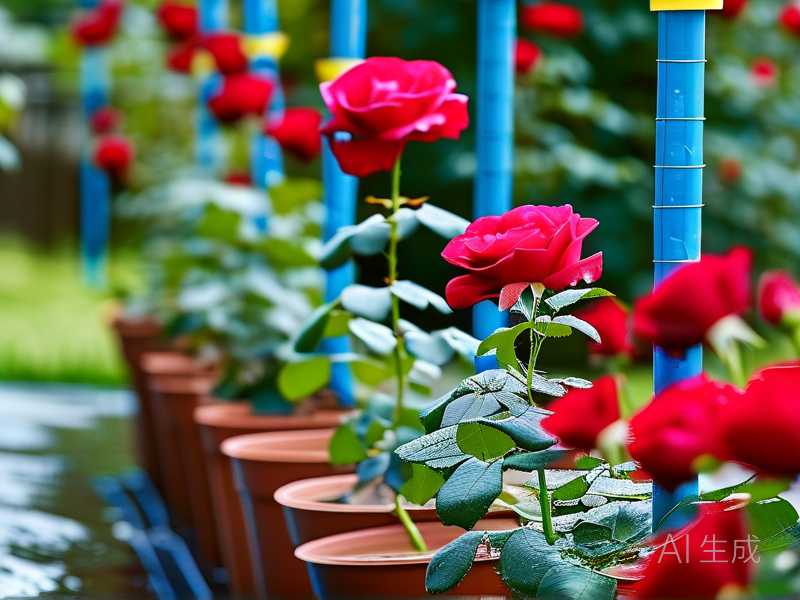
Plastic pots are fine. Terra cotta is better because it breathes. But the key is the hole. If you love a pot without holes, use a plastic inner pot. Put the rose in the inner pot, then place that inside the decorative shell. When watering, lift the inner pot out. Let it drain completely. Then put it back.
Also, think about pot size. I started with a small pot. The roots quickly filled the space. Then the plant got root-bound. That weakens the whole system. Now I use a 16-inch diameter pot for a single rose. It gives room for roots to expand. Bigger pot equals healthier roots. Healthier roots mean better disease resistance.
How I Actually Choose a Rose at the Nursery
You can’t just grab any pink rose. I’ve learned a systematic approach. It takes about ten minutes per plant, but it’s worth it.
Step 1: Inspect the Leaves
I look at both the top and bottom of the leaves. Any brown spots? Any white powdery residue? Any webbing? That’s spider mites. I skip those plants. Even if the label says “disease resistant”, the plant might be stressed from shipping. Start with a clean plant.
A shiny leaf is a good sign. It means the cuticle is thick. That’s a natural barrier against fungi. Dull, matte leaves are more vulnerable. I usually flip the leaf over and check the veins. If they’re clean, I move on.
Step 2: Check the Stems
The cane should be thick at the base. Thin, wispy canes indicate poor nutrition. They also break easily in the wind. I gently bend a stem. It should have some flexibility, not snap like dry twigs.
The color of the stem matters. Green stems show active growth. Brown, woody stems are older and may be damaged. I’ve found that roses with multiple basal breaks (new shoots from the base) are the most vigorous. Those plants recover faster from stress.
Step 3: Look at the Buds and Roots
If the plant is in bloom, count the number of healthy buds. A balanced plant has buds at different development stages. That means a long bloom cycle. Also, I check the roots if the pot allows. White roots are alive. Brown or black roots are rotting. A few visible roots at the bottom of the pot is fine. But if they’re circling the top, the plant is root-bound.
Once, I bought a cheap rose on clearance. The label was generic. The roots were completely pot-bound. I had to tease them apart, and they broke. The plant struggled for a month. It eventually caught a fungal infection. I should have skipped it. Now I never buy clearance roses. They’re usually stressed and disease prone.
My 2-Week Observation Log
After I pick a rose, I put it in a quarantine spot. This is a separate corner on my balcony, away from my other plants. That’s to prevent cross-contamination. I watch it closely for two weeks.
Day 1 to Day 3: Settling Period
I don’t repot immediately. The plant needs time to adjust to the new light and temperature. I water sparingly. I also spray the foliage with a diluted neem oil solution. It’s a preventive against aphids and fungal spores.
Honestly, the first day is the worst. The plant looks droopy. That’s just transplant shock from the store to my balcony. I keep it shaded for one day. Then I move it to its final position.
Day 4 to Day 7: Checking New Growth
By day four, I look for tiny green shoots. That’s a sign the roots are adapting. If no new growth, I don’t panic. Sometimes it takes a full week, especially if the weather is cold. I also check for leaf yellowing. One or two yellow leaves at the base is fine. That’s the plant shedding old tissue. If more than five, I check the drainage again.
Day 8 to Day 14: Testing the Hardiness
Towards the end of week two, I intentionally stress the plant a little. I skip one watering day. I want to see if the leaves wilt quickly. A resistant rose will hold its form. A weak one will start to curl or spot. Then I know if it needs extra protection.
I also watch the humidity. Balconies right next to a building can be very dry. I set a shallow tray of water and pebbles under the pot. That creates a microclimate with higher humidity. Have I seen a difference? yes. The leaves look greener. In fact, I believe it reduces the occurrence of powdery mildew too.
The Truth About Fungicides on a Balcony
I don’t like chemical sprays on my balcony. It’s a small space. The smell lingers. I also have a cat that likes to sunbathe near the planter. So I’ve gone organic. Neem oil is my go-to. It works as a preventative, but it’s not a cure for advanced infection.
For severe black spot, I use a baking soda spray. It’s one teaspoon per liter of water with a drop of dish soap. It changes the pH on the leaf surface. Fungus doesn’t like it. I spray every three days during rainy periods. It’s not perfect, but it helps.
Many rose experts, including the RHS, recommend good hygiene over chemical control. That means removing any fallen leaves immediately. Fungi overwinter on dead plant material. If you leave a spotted leaf on the soil, the spores will reinfect next season. I keep a small bucket by the balcony. Every few days, I pick off debris.
Varieties That Thrive on Balconies
You need compact rootstocks. Grafted roses are common, but they can have suckers. Own-root roses are better for containers because they don’t have graft-burst issues. I prefer own-root.
Groundcover Roses
These don’t grow tall. Perfect for shallow pots. ‘Flower Carpet’ is a famous series. They’re extremely disease resistant. I have one in a bright spot on the east side. It blooms from spring to frost without intervention. No spraying. No fuss.
Miniature Roses
The mini roses you see in grocery stores are usually hybrids. They’re often grown in greenhouses with strict climate control. Once you move them to a dry balcony, they struggle. I highly suggest avoiding grocery-store minis if you want low maintenance. But if you find one from a proper nursery, go for a variety called ‘Baby Love’ or ‘Sun Sprite’. They’re tougher.
English Roses
David Austin Roses bred for the RHS have great fragrance. But they can be prone to black spot. That’s why I recommend checking the specific rating. Some like ‘The Lady Gardener’ have excellent resistance. I’ve had luck with them in a 18-inch pot.
FAQ
Can I grow roses in a self-watering pot?
Honestly, I wouldn’t. Self-watering pots have a reservoir at the bottom. The wicking effect keeps the soil moist. That’s good for vegetables, but roses want a wet-dry cycle. Constant moisture is a fungal breeding ground. Stick to a regular pot with drainage.
How often should I fertilize balcony roses?
Every two weeks during growing season. I use a slow-release granular fertilizer in the spring. Then a liquid feed with seaweed extract every two weeks. I stop feeding by August. New soft growth late in the season gets frost damage, which opens the door to diseases.
Is it necessary to prune balcony roses?
Yes. I prune hard in late winter. Cut out dead, thin, or inward-facing canes. Open the center of the plant for air circulation. Good airflow is your best defense against mildew. I also do light deadheading in summer. Removing spent blooms encourages new growth, which is more resistant to disease.
Final Thoughts on Disease Resistant Roses
Start small. Buy one proven variety. Keep it in the right pot, with the right soil, and water it less than you think. Wait two weeks. Observe. Take notes. That’s how you learn it works for your specific balcony microclimate. Forget the fancy chemicals. You don’t need them. You need genetics and common sense.
I’ve spent years killing roses and then fixing my mistakes. Most of the time, the answer was simple: too much water, not enough sun, and a bad pot. Avoid those three, and you’re already ahead of ninety percent of urban growers.