bluename
How to Pick Compact Square Fabric-Bag Planters for Grid-Style Balcony Shelf Units
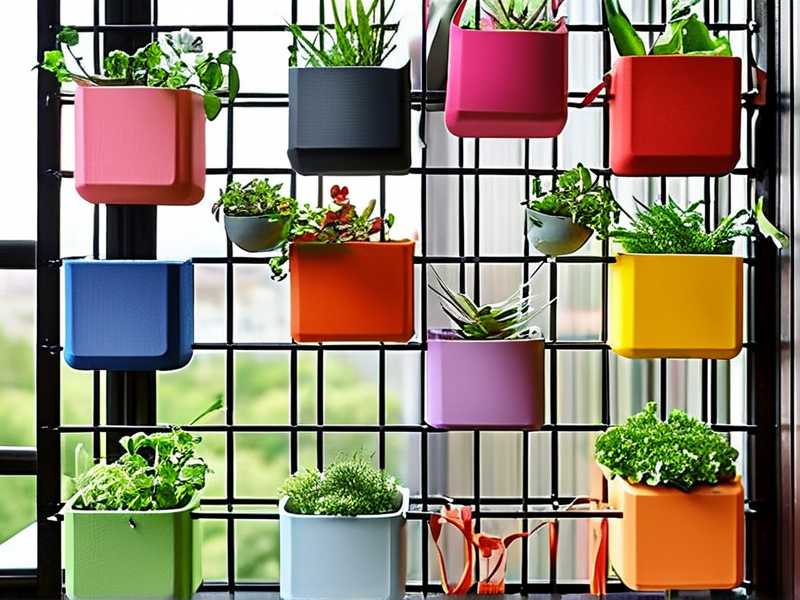
If you're staring at a grid-style balcony shelf unit wondering why your herbs keep dying in those cute little square pots, I get it. I killed five basil plants and three mint starts before I figured out the real problem wasn't my watering schedule—it was the pots themselves. Here's the short answer: for grid-style balcony shelf units, you want compact square fabric-bag planters that are 7–10 inches wide, made from non-woven geotextile fabric (not felt), with reinforced side seams and drainage grommets—not plastic liners. That combination gives you the air-pruning benefits fabric pots are known for, fits standard grid openings, and prevents the root rot that kills most balcony container plants.
Let me walk you through everything I learned the hard way, so you don't waste a growing season like I did.
Why Fabric Bags Beat Plastic Pots in Grid Shelves
I used to cram standard 6-inch plastic nursery pots into my grid shelves. They fit fine. But every single one of them ended up with circling roots by mid-summer. The roots would spiral around the bottom, the soil would stay soggy for days after watering, and fungus gnats moved in like they were paying rent.
Fabric bags changed that completely.
The porous walls let air reach the root zone. When roots hit the fabric edge, they stop growing outward and instead branch into finer feeder roots. This is called air pruning, and honestly, it's the closest thing to a cheat code for container gardening.
The RHS notes that container plants benefit significantly from improved drainage and aeration—which fabric bags deliver naturally. No extra perlite ratios to obsess over. No drilling holes. The bag does the work.
But here's the catch: not all fabric bags work in grid shelves. Some are too floppy, some are too wide, and some start sagging after two weeks of watering. I learned that the hard way.
What "Compact Square" Actually Means for Grid Shelves
"Compact square" isn't just a marketing phrase. It's a set of real measurements that determine whether your planter will sit properly in a grid opening or slump through like a deflated pillow.
After measuring about a dozen different shelf units (mine and my neighbors'), I found that most grid openings in balcony shelving fall between 8 and 12 inches. So your fabric bag needs to be slightly smaller than the opening to sit flush without wobbling.
Here's what I look for now:
Width: 7–10 inches square. Anything wider won't fit standard grids. Anything narrower wastes growing space.
Depth: 8–12 inches. Shallow bags (under 7 inches) dry out too fast on windy balconies. I tried 6-inch-deep bags one summer and was watering twice a day. Never again.
Fabric weight: 260–300 GSM non-woven geotextile. Lighter fabric (under 200 GSM) tears at the seams within a season. I had a cheap set split open in week three—soil everywhere, roots exposed, plant dead by week four.
Seam construction: Double-stitched side seams with reinforced corners. Single-stitched bags blow out when the soil expands after watering. Trust me on this one.
Drainage: Look for grommeted drain holes or a breathable bottom panel. Some bags have a waterproof liner on the bottom "to protect your shelf"—that's just a root rot trap. Skip those.
The 3 Mistakes That Kill Almost Every Balcony Planter
I've made all three of these. Multiple times. Let me save you the grief.
Mistake #1: Overwatering
You've probably heard this before, but it bears repeating: 90% of indoor plants die from overwatering. That statistic comes up again and again in horticulture circles, and my own experience backs it up. I killed four pothos and two rosemary plants before I accepted that "more water = more love" is a lie.
Fabric bags help because they wick excess moisture away from the root zone. But they don't fix overwatering entirely. If you're pouring a quart of water into a 9-inch bag every morning, you're still drowning the roots.
What I do now: stick my finger two inches into the soil. If it's damp, I wait. If it's dry, I water until it runs out the bottom—then I stop. During a two-week observation period last July, I watered my fabric-bag mint every third day instead of daily. It grew twice as fast as the control plant I watered every morning.
Mistake #2: Light Mismatch
Balcony shelves create microclimates. The top shelf gets full sun. The bottom shelf might get two hours of indirect light. I once put shade-loving lettuce on the top shelf of a south-facing balcony in August. It bolted in nine days.
Match your plant to the shelf level:
- Top shelf: sun-lovers (tomatoes, peppers, basil, lavender)
- Middle shelf: partial sun (lettuce, chard, parsley, chives)
- Bottom shelf: shade-tolerant (mint, cilantro, most ferns)
Rotate your bags a quarter-turn every few days. This prevents one side of the plant from stretching toward the light while the other side sulks.
The AHS recommends monitoring light exposure changes throughout the season, especially on balconies where the sun angle shifts from spring to fall. What's full sun in May might be partial shade by September.
Mistake #3: Using the Wrong Planter
I saved this for last because it's the one most people overlook. You can nail your watering schedule and light placement, but if your planter is wrong, nothing else matters.
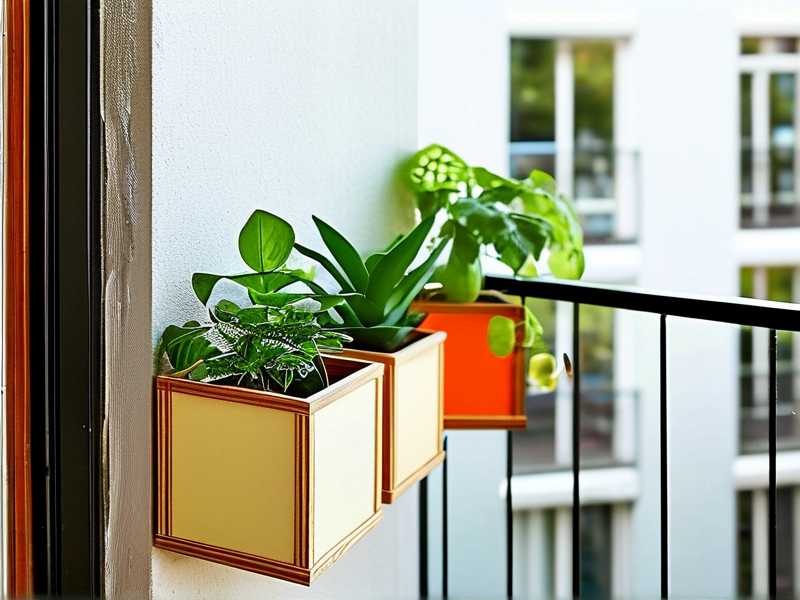
Plastic pots in grid shelves create stagnant moisture. Terracotta pots are too heavy for most wire grids and crack when you bump them. Felt bags look nice but collapse when wet and don't hold their square shape in a grid opening.
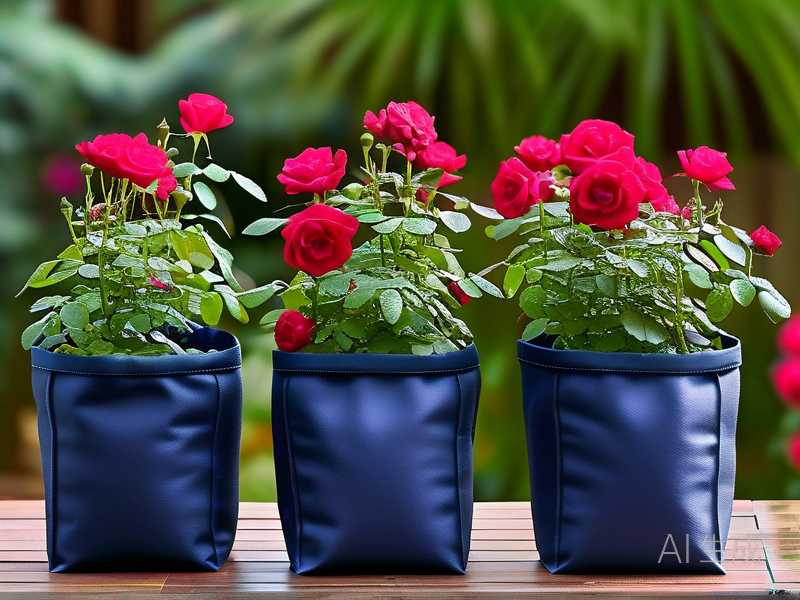
Compact square fabric-bag planters designed specifically for grid systems hit the sweet spot. They hold their shape. They breathe. They fit. And when you pick them up to check root health, they don't fall apart in your hands.
My 2-Week Test: What I Actually Observed
I ran a side-by-side test on my 10-inch grid shelf last June. Three planters: one plastic nursery pot, one cheap felt bag, one 280 GSM square fabric bag with reinforced seams.
Week 1: All three looked similar. The felt bag started sagging by day four. The plastic pot's soil stayed visibly wet on top. The fabric bag's surface dried evenly.
Week 2: Differences showed up fast. The plastic pot had fungus gnats. The felt bag was growing green algae on the outside. The fabric bag was clean, the basil was pushing new leaves, and when I lifted the bag, I could see fine white roots poking through the fabric—air-pruned and healthy.
By week four, the plastic pot's basil was yellowing. The felt bag's plant was stunted. The fabric bag's basil was ready for its first harvest.
That test sold me. I replaced every pot on my grid shelves with compact square fabric bags and haven't looked back.
How to Choose: A Quick Checklist
When you're shopping, run through this list:
- Measure your grid opening first. Width and depth. Write it down.
- Choose 260–300 GSM non-woven fabric. If the listing doesn't state GSM, ask the seller or skip it.
- Check for double-stitched seams and reinforced corners.
- Make sure there are drainage grommets or a breathable bottom.
- Avoid bags with plastic liners or waterproof bottoms.
- Pick a color that reflects heat if you're in a hot climate. Light gray or tan stays cooler than black.
- Buy one more than you need. You'll want a spare when you repot or when one wears out.
I also recommend handles. Not the flimsy ribbon kind—the stitched fabric loop kind. You'll be lifting these bags to check moisture and root health. Handles make that easy. Without them, you're awkwardly scooping a wet bag of soil and hoping for the best.
Long-Term Care for Fabric-Bag Planters
Fabric bags aren't permanent. Expect 2–3 seasons before the fabric weakens or the seams start to go. Here's how I extend their life:
Clean them between plantings. Rinse with a hose, scrub off salt buildup with a soft brush, and let them dry in the sun. Don't machine wash—it destroys the fabric structure.
Don't drag them across rough surfaces. The grid itself can fray the bottom if you're constantly sliding bags around. Lift, don't slide.
Rotate your crops. Even in fabric bags, soil gets depleted. I refresh the top two inches of soil between plantings and swap heavy feeders (tomatoes) with light feeders (herbs) each season.
Store them dry. At the end of the season, empty the soil, rinse the bags, and store them somewhere dry. Damp fabric bags grow mold over winter. I learned that one after finding a fuzzy surprise in my storage bin in March.
Frequently Asked Questions
Can I use fabric bags on metal grid shelves without a tray underneath?
Yes, but be ready for drips. Fabric bags drain from the sides and bottom. If your grid shelf is above a neighbor's balcony or a walkway, put a shallow tray under each bag. I use boot trays cut to size—cheap and effective.
How often should I water compact square fabric bags compared to plastic pots?
More often, actually. Fabric breathes, so soil dries faster. In summer, I water every 2–3 days. In plastic pots, I watered every 4–5 days. But the fabric bags' drainage means less risk of root rot, so it balances out.
Do I need to line fabric bags with anything?
No. That defeats the purpose. The whole point is airflow. If you're worried about soil washing out, use a coarser potting mix with more bark and perlite. Skip the liner.
Final Thoughts
Picking the right compact square fabric-bag planter for your grid-style balcony shelf isn't complicated once you know what matters: fabric weight, seam quality, drainage design, and fit. Get those right, and you'll spend less time fighting root rot and more time actually enjoying your plants. I wish someone had told me this before I sacrificed a small fortune in basil and mint to the container gardening gods. Consider this your shortcut.