bluename
How to Grow Old Rose Bushes on the Balcony: A Lover’s Journey from Struggle to Bloom
I used to think growing old rose bushes was a privilege reserved for sprawling gardens. My balcony, a sunny but confined space, seemed like an impossible home for these timeless beauties. The dream of fragrant, heirloom blooms felt just out of reach, tangled in concerns about space, root systems, and the right care. If you’ve ever felt that ache of wanting to cultivate history and fragrance in a container, you’re not alone. My journey to successfully grow old rose bushes on my balcony taught me that it’s not only possible but profoundly rewarding. This guide is the culmination of my hands-on experience, complete with missteps, solutions, and the specific steps that led to a thriving balcony rose garden.
Understanding the "Old Rose" Advantage for Containers

First, let’s clarify what we mean by "old rose bushes." Often called heirloom or antique roses, these are varieties predating 1867. I learned from resources like the American Rose Society that many old garden roses, particularly certain Albas, Damasks, and even some Bourbons, possess a natural resilience and adaptability that modern hybrids sometimes lack. They often have stronger disease resistance and a more forgiving nature, which is a massive advantage in the controlled but challenging environment of a balcony container. Their growth habit can also be more manageable. I chose a ‘Zéphirine Drouhin’ Bourbon rose—a thornless, climbing variety known for its continuous blooms and shade tolerance—perfect for my partially shaded balcony. This was my first core long-tail focus: selecting shade tolerant old roses for pots.
My Step-by-Step Process for Balcony Success
Week 1: The Foundation – Planting and Initial Setup
The success of growing old rose bushes in containers hinges on the start. I began with a 20-inch diameter, 18-inch deep pot with excellent drainage holes—non-negotiable for preventing root rot. Using a high-quality, loamy potting mix formulated for roses was my next critical step. I amended it with a handful of bone meal for root development, as recommended by many horticultural experts.
I gently teased out the roots of my bare-root ‘Zéphirine Drouhin’ and soaked them in water for a few hours before planting. Positioning the graft union (the knobby bump) just above the soil line, I backfilled the pot, watered it deeply until it ran out the bottom, and placed it on a wheeled saucer in the brightest corner of my balcony. My second core long-tail strategy came into play here: organic feeding schedule for balcony roses. I decided against immediate chemical fertilizers and opted for a light top-dressing of compost to encourage microbial life in the soil.
The First 48 Hours – The First "Gotcha"
Here was my first major pitfall. A sudden, unseasonable heatwave hit. Within a day, the new leaves looked wilted and stressed. I panicked, thinking I’d overwatered. The solution? I moved the pot to a spot with afternoon shade and set up a temporary, diffuse shade cloth for two days. I also watered in the early morning, ensuring the soil was moist but not soggy. The key was understanding that a newly planted rose on a balcony is extremely vulnerable to microclimate extremes—wind, reflected heat from walls, and intense sun can shock it. Protecting it during establishment is crucial.
Weeks 1-2: Observation and Adjustment
The two-week mark is a telling period. After recovering from the initial heat stress, I focused on consistent care.
- Watering: I stuck my finger two inches into the soil daily. The balcony wind dried the pots much faster than ground soil. I learned to water slowly and deeply every other day, rather than a daily sprinkle, to encourage deep root growth.
- Feeding: I began my organic feeding schedule for balcony roses with a diluted liquid seaweed fertilizer, providing a gentle boost of micronutrients without burning tender roots.
- Observation: New, red shoots began to emerge from the base! This was the sign I was waiting for—the plant was acclimating and growing. However, I also noticed a few leaves with tiny holes. Inspection revealed early signs of sawfly larvae. Instead of reaching for harsh spray, I manually removed them every morning for a week. This hands-on, daily check is vital in a confined space where pests spread quickly.
My third integrated long-tail concept was ensuring disease resistant climbing roses for containers lived up to its promise. ‘Zéphirine Drouhin’ is famously black-spot resistant, and in the clean air of my balcony with good air circulation (I spaced pots adequately), no fungal issues appeared. The combination of smart variety selection and proactive care was working.
Ongoing Care Beyond the First Fortnight
The first two weeks set the tone. For continued success, I established a rhythm. Every two weeks, I alternated between a liquid fish emulsion and the seaweed feed, sticking to my organic regime. As the canes grew, I gently tied them to a small, freestanding trellis against the balcony wall, training my disease resistant climbing rose vertically to maximize space. Deadheading spent blooms became a joyful weekly ritual, encouraging more of the stunning, cerise-pink, fragrant flowers.
Pruning, even for a young plant, involved removing any spindly or dead wood to direct energy. In winter, I moved the pot to the most sheltered corner, wrapped it in burlap, and mulched heavily to protect the roots from freeze-thaw cycles—a critical step for growing old rose bushes on the balcony in colder zones.
Seeing the tangible results—the vigorous growth, the first intoxicating bloom after about 6 weeks—validated every step. The balcony transformed into a vertical tapestry of green and pink, a living testament that space is no barrier to growing heirloom beauty.
Common Questions from Fellow Balcony Gardeners
Can any old rose grow in a pot? Not all. Focus on varieties described as "shrubby," "compact," or explicitly recommended for containers. Avoid giant ramblers or very vigorous species roses. Consulting with the American Rose Society or a reputable nursery specializing in antique roses is invaluable for making the right choice for your space.
How often should I really water? There is no universal schedule. Wind, sun, and pot size create a unique environment. The finger-test method is your most reliable tool. In peak summer, daily watering might be necessary; in spring, it could be every three days. Always water at the base, early in the day, to keep foliage dry and prevent disease.
My rose’s leaves are turning yellow. What did I do wrong? Don’t panic. Yellow leaves can signal overwatering, underwatering, or a nutrient deficiency. Check the soil moisture first. If it’s soggy, let it dry out more between waterings. If it’s bone dry, improve your watering depth. If watering seems right, a yellowing between veins might indicate a need for chelated iron or a balanced feed. Isolate the issue step-by-step before making drastic changes.
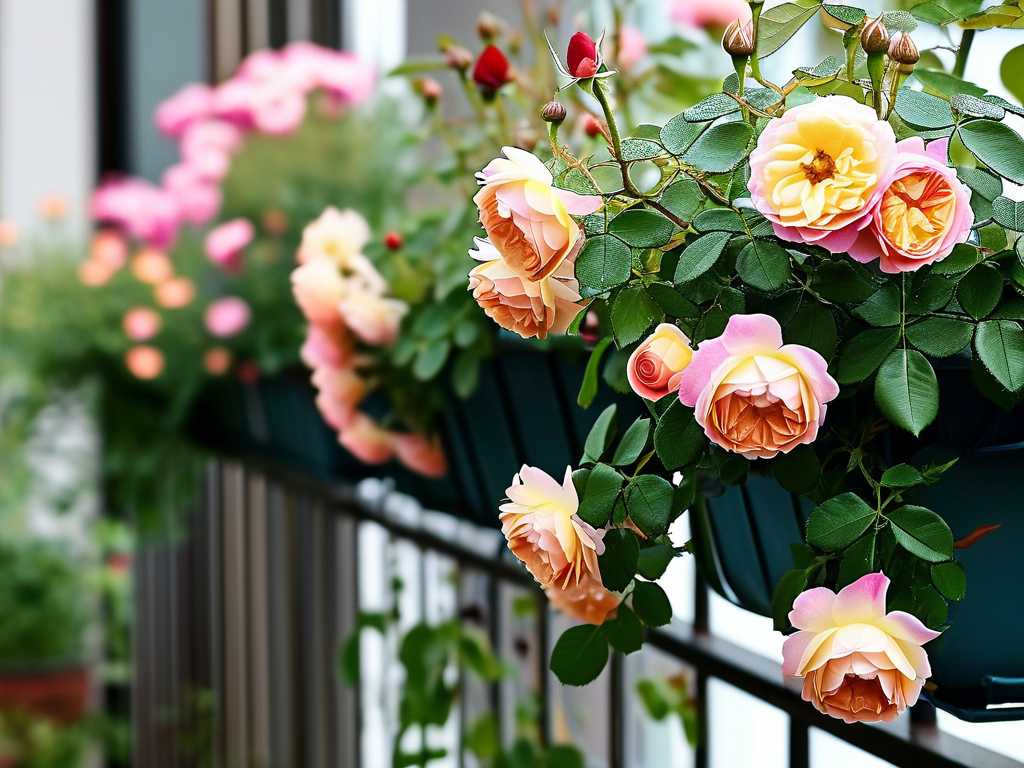
Growing old rose bushes on a balcony is an exercise in attentive, patient gardening. It connects you deeply to the rhythm of the plant. By choosing the right resilient variety, providing a stellar foundation with the correct pot and soil, navigating initial pitfalls with observation, and committing to a consistent, organic care routine, you can create a breathtaking, fragrant oasis high above the ground. The proof isn’t just in the articles you read; it’s in the vibrant, living rose thriving right outside your door, just as it is now on mine.