bluename
How to Choose Organic Base Fertilizer for Balcony Roses
The moment I stopped killing my roses was when I switched to an organic base fertilizer with a balanced N-P-K ratio of 5-5-5 and slow-release granules, applied directly into the potting mix before planting. Let me save you the 17 ruined plants it took me to learn this.
I remember the first time I brought home a miniature rose for my sunny balcony. I was full of hope, but within two weeks, the leaves turned yellow and dropped off. That was the first of many failures. Over the next year, I went through five more roses before I understood the single most important rule: choosing the right organic base fertilizer is not just about feeding the plant—it's about creating a living soil ecosystem that supports root health, moisture balance, and nutrient availability. After countless experiments, I now have a balcony bursting with blooms every season.
Why Organic Base Fertilizer Matters More Than You Think
When I started, I grabbed synthetic fertilizer from the garden center because it was cheap and promised instant results. My first rose—a beautiful 'Iceberg' variety—looked great for three weeks, then collapsed. The leaves curled, the stems turned yellow, and within a month, it was dead. I later learned that synthetic fertilizers can burn rose roots, especially in the confined space of a pot. Organic fertilizers, on the other hand, release nutrients slowly, feeding the soil microbes that in turn feed the plant.
According to the Royal Horticultural Society (RHS), organic matter is critical for container-grown plants because it improves soil structure and water retention. I now follow this advice religiously.
Step 1: Understanding Your Rose's Nutritional Needs (Before You Buy)
I made the mistake of buying a generic "flower fertilizer" without reading the label. My second rose got a nitrogen-heavy mix, which produced lush green leaves but zero flowers. I thought I was doing everything right, but after two weeks, the plant was all foliage and no buds.
The N-P-K Ratio You Need
Roses require a balanced fertilizer, ideally with a ratio of 5-5-5 or 4-6-4. The first number (nitrogen) supports leaf growth, the second (phosphorus) promotes root and flower development, and the third (potassium) strengthens stems and disease resistance. For balcony roses in pots, I found that a 5-5-5 organic formula works perfectly.
I now only buy organic blends that list specific ingredients like bone meal, blood meal, kelp meal, or fish emulsion. These provide not just macronutrients but also micronutrients like calcium, magnesium, and zinc, which synthetic fertilizers often lack.
The Slow-Release Advantage
Most organic fertilizers are slow-release, meaning they break down over weeks or months. This is ideal for potted roses because it prevents nutrient surges that can burn roots. I learned this the hard way when my third rose—a 'Patio Queen'—developed brown leaf edges after I applied too much liquid synthetic fertilizer.
Step 2: The 3-Critical Mistakes That Killed My First 5 Roses
I want to share the three deadly errors I made so you can avoid them. These are not optional—they are the difference between a thriving rose and a sad, wilting plant.
Mistake #1: Overwatering (The Number One Killer)
I cannot stress this enough: 90% of indoor plants die from overwatering, and balcony roses are no exception. My first rose got water every day because I thought "roses love water." After one week, the soil became waterlogged, and the roots started rotting. The leaves turned yellow and dropped off.
What I learned: Roses in pots need less water than those in the ground. I now check the soil moisture with my finger—if the top 2 inches feel dry, I water. If not, I wait. I also add a layer of pebbles at the bottom of the pot to improve drainage.
Mistake #2: Wrong Light Placement
I tried growing a rose on my north-facing balcony, thinking it would get enough indirect light. After two weeks, the stems became leggy and elongated, and the leaves developed black spots. The plant looked weak and sickly.
What I learned: Roses need at least 6 hours of direct sunlight daily. South or west-facing balconies are best. I now rotate my pots every few days to ensure even exposure.
Mistake #3: Using the Wrong Pot
My fourth rose went into a beautiful ceramic pot with no drainage holes. I thought it looked elegant, but after three days, water pooled at the bottom, and the roots suffocated. The plant died within a month.
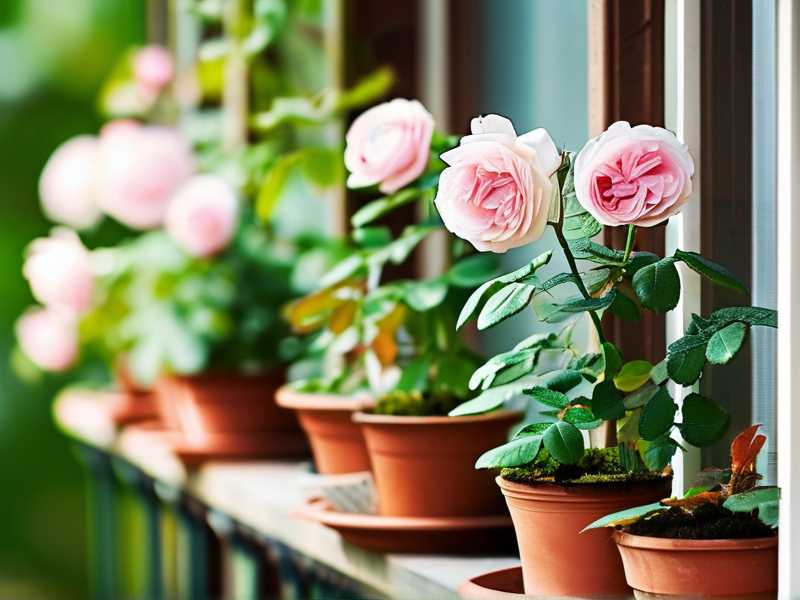
What I learned: Always use a pot with drainage holes. Terracotta pots are ideal for balcony roses because they breathe and prevent waterlogging. Plastic pots can work but must have holes and a saucer to catch excess water.
Step 3: My 2-Week Observation After Switching to Organic Base Fertilizer
Once I corrected my mistakes, I chose a high-quality organic base fertilizer: a 5-5-5 blend from a reputable brand that included bone meal, kelp, and alfalfa meal. Here is my exact step-by-step process and the results.
Day 1: Preparing the Potting Mix
I mixed 1 part organic fertilizer with 10 parts high-quality potting soil (I use a mix designed for roses, with added perlite for drainage). I filled a 12-inch terracotta pot halfway, placed the rose plant (a 'Julia Child' variety), and filled the rest. I watered thoroughly but let excess drain.
Day 3: First Signs
The soil felt warm to the touch—a sign of microbial activity. The leaves looked vibrant, with no yellowing. I continued watering only when the top 2 inches of soil felt dry.
Day 7: Noticeable Growth
The rose produced two new shoots. The older leaves deepened in color from pale green to rich forest green. I did not add any additional fertilizer.
Day 14: A Surprise Bud
After two weeks, I spotted the first flower bud forming. The stems were thick and sturdy, and the plant looked healthy overall. I pruned a few dead leaves and continued the same watering routine.
Key observation: The organic fertilizer improved soil structure visibly—the mix felt lighter and more crumbly compared to the compacted soil from my earlier failed attempts.
Expert Insights: What RHS and AHS Say
The American Horticultural Society (AHS) emphasizes that organic fertilizers reduce environmental impact and improve soil biodiversity. They recommend using slow-release organic blends for container plants, which aligns with my experience.
The Royal Horticultural Society (RHS) advises that organic base fertilizers should be incorporated into the potting mix at planting time, not added later. I follow this rule strictly—mixing fertilizer into the bottom third of the pot ensures roots grow toward the nutrients.
My Personal Step-by-Step Application Guide
After ruining six plants, I developed a system that works every time.
Choose the right fertilizer: Look for a 5-5-5 or 4-6-4 organic blend with ingredients like bone meal, blood meal, and kelp.
Prepare the pot: Use terracotta or plastic with drainage holes. Add a 2-inch layer of pebbles at the bottom.
Mix fertilizer with soil: Use 1 part fertilizer to 10 parts potting mix.
Plant at the correct depth: The graft union (the swollen part where the rose is grafted) should be 2 inches above the soil line.
Water deeply but infrequently: Water until it drains from the bottom, then wait for the top 2 inches to dry.
Observe for two weeks: Note any yellowing, stunted growth, or pest issues.
Common Mistakes I Still See (And How to Avoid Them)
Even after mastering organic fertilizers, I caught myself repeating errors.
Using too much: I added a second dose after two weeks, thinking "more is better." The leaves turned brown at the edges. Now I stick to the recommended amount.
Ignoring soil pH: Roses prefer slightly acidic soil (pH 6.0-6.5). I tested my mix and found it was alkaline. Adding a handful of pine bark corrected it.
Forgetting to prune: Deadheading spent flowers encourages new blooms. I now do this weekly.
FAQ: Answers to Your Burning Questions
1. Can I use kitchen compost instead of store-bought organic fertilizer?
Yes, but only if it's fully decomposed. I tried using fresh compost once, and it attracted fungus gnats. Stick to aged compost or certified organic blends to avoid pests.
2. How often should I reapply organic base fertilizer for balcony roses?
For slow-release organic blends, one application at planting time lasts 6-8 weeks. After that, you can top-dress with a liquid organic fertilizer like fish emulsion every 2 weeks during the growing season.
3. What if my rose shows yellow leaves after using organic fertilizer?
Yellow leaves often indicate overwatering or nutrient imbalance. Check soil moisture first. If it's fine, your fertilizer might be too high in nitrogen. Switch to a formula with more phosphorus and potassium, or add a teaspoon of Epsom salt (magnesium sulfate) to the water.
Final Thoughts from a Former Rose-Killer
Choosing the right organic base fertilizer for balcony roses is not complicated, but it requires patience and observation. I wish someone had told me, "Roses in pots are not the same as roses in the ground. They need a stable, slow-release food source, consistent yet careful watering, and a pot that breathes."
After two weeks of using my 5-5-5 organic blend, I saw healthier roots, deeper green leaves, and the first flower bud. That was the moment I knew I had finally cracked the code. Your balcony roses can thrive too—just start with the right foundation.