bluename
How to Grow Dwarf Roses in Balcony Containers: My Lessons from 3 Killed Plants
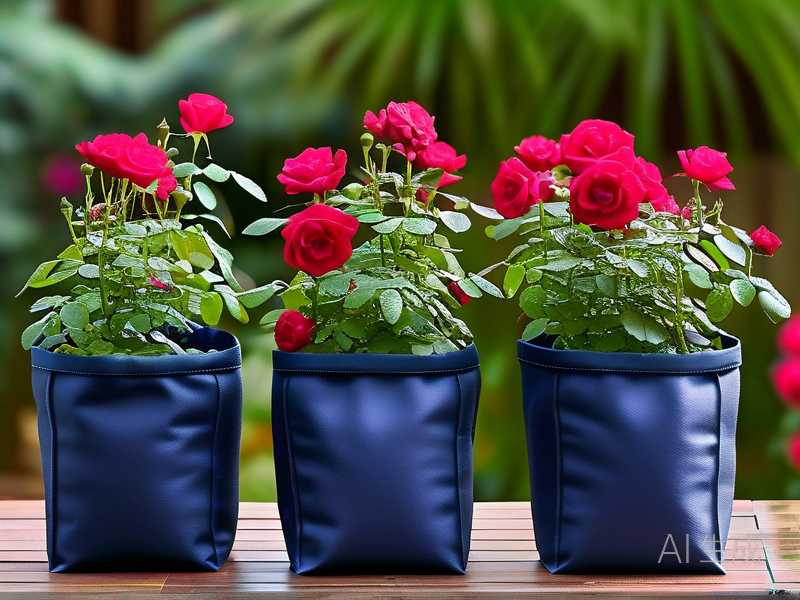
Many people search for how to grow dwarf roses in balcony containers but end up with dead plants. The quick answer? Choose a pot at least 12 inches deep with drainage holes, use well-draining soil mixed with perlite, and water only when the top inch feels dry. I killed my first three dwarf roses before learning this.
I remember the day I brought home my first miniature rose bush. It looked perfect. Small buds, glossy leaves, a dream for my tiny balcony. Two weeks later, it was a wilted mess. I felt defeated. But here's the truth: 90% of indoor plants die from overwatering, and dwarf roses in containers are no different.
Let me walk you through what I learned the hard way.
My Top 3 Mistakes That Killed My First Three Plants
Mistake 1: Watering Excessively
I watered my first dwarf rose every single day. I thought plants needed constant moisture. Big mistake.
The soil became waterlogged. Roots rotted. Leaves turned yellow. Then brown. Within two weeks, the plant collapsed.
What I do now: I stick my finger into the soil. Only when the top inch feels completely dry do I water. And I water deeply until it drains out the bottom. Then I wait again.
Mistake 2: Wrong Light Placement
My second dwarf rose sat on a shaded balcony corner. I thought indirect light was enough. It wasn't.
The plant grew leggy. Stems stretched toward the weak light. No flowers appeared. After two weeks of this, I moved it to a sunnier spot. But the damage was done. It never recovered.
What I learned: Dwarf roses need at least 6 hours of direct sunlight daily. A south-facing balcony works best. East-facing is okay. North or west? Forget it.
Mistake 3: Using the Wrong Container
My third plant died because I used a decorative pot without drainage holes. Water sat at the bottom. Roots suffocated. The plant died within 10 days.
What fixed it: I now use terracotta pots or plastic containers with multiple drainage holes. No exceptions. I also add a layer of gravel at the bottom for extra drainage.
Choosing the Right Balcony Container
Let's talk containers. I learned this after my third failed attempt.
Size matters. A container for dwarf roses should be at least 12 inches deep and 12 inches wide. Anything smaller restricts root growth. I currently use a 14-inch terracotta pot.
Material matters. Terracotta pots dry faster, which prevents overwatering. Plastic pots retain moisture longer. If you're prone to overwatering like I was, choose terracotta.
Drainage is non-negotiable. Every container must have holes. If you buy a decorative pot without holes, drill some yourself. Or use it as a cachepot and keep the rose in a plastic nursery pot inside.
Soil Mix for Dwarf Roses in Containers
Store-bought potting soil killed my first plant. It was too dense. Water pooled on top.
My current recipe:
- 2 parts high-quality potting mix
- 1 part perlite or coarse sand
- 1 part compost
This mix drains well while retaining enough moisture. The RHS recommends a similar blend for container roses. According to the Royal Horticultural Society, well-draining soil is critical for healthy root development.
I also add a handful of slow-release rose fertilizer when planting. This provides nutrients for the first month.
Light Requirements for Balcony Roses
Light is everything. I learned this after moving my second rose around like a furniture piece.
Dwarf roses need full sun. That means at least 6 hours of direct sunlight daily. My balcony faces south, so it's perfect. If your balcony faces east, you'll get morning sun but might struggle with afternoon shade.
What happens with too little light: Fewer flowers. Leggy growth. Yellow leaves. Increased disease risk.
What happens with too much light in hot climates: Leaf scorch. Wilting. Reduced blooming.
If you live in a hot area, provide afternoon shade. A sheer curtain or moving the container to partial shade during peak heat works well.
Watering Dwarf Roses in Containers
Here's the truth: I killed my first plant from overwatering. Then my second from underwatering. The balance is tricky.
My watering schedule:
- Check soil daily by sticking finger 1 inch deep
- If dry, water thoroughly until water runs out drainage holes
- If moist, wait another day
- During hot summer, water every 2-3 days
- During cooler months, water once a week or less
The American Horticultural Society emphasizes that container plants dry faster than in-ground ones. So check more often. But don't overcompensate.
Signs of overwatering:
- Yellow lower leaves
- Mushy stems
- Mold on soil surface
- Foul smell from soil
Signs of underwatering:
- Wilting leaves
- Dry, crispy leaf edges
- Soil pulling away from pot edges
Fertilizing for Maximum Blooms
I didn't fertilize my first rose. It grew, but barely flowered. After adding regular feeding, blooms exploded.
My routine:
- Use a balanced liquid fertilizer (10-10-10 or rose-specific)
- Dilute to half strength
- Apply every 2 weeks during growing season (spring through fall)
- Stop feeding in winter when growth slows
For dwarf varieties, I prefer water-soluble fertilizers. They're easy to apply and absorb quickly. Just be careful not to over-fertilize. More isn't better. It can burn roots and stunt growth.
Pruning and Deadheading
Pruning scared me at first. I thought I'd kill the plant. But skipping it leads to fewer blooms.
My two-week pruning check:
- Remove dead or diseased stems immediately
- Cut back leggy growth to encourage bushiness
- Deadhead spent blooms promptly
Deadheading means cutting off faded flowers. This signals the plant to produce more blooms instead of seeds. I do this every few days during peak season.
When to prune hard: Early spring, before new growth starts. Cut back stems by one-third to encourage fresh growth.
Common Pests and Diseases on Balcony Roses
I found aphids on my first potted rose. Tiny green bugs sucking sap from new buds. Gross.
My pest control method:
- Spray with neem oil every 2 weeks as preventive measure
- For active infestations, use insecticidal soap
- Remove heavily infested leaves immediately
Powdery mildew also hits container roses. White powdery spots on leaves. This happens in humid conditions with poor air circulation.
Prevention tips:
- Space containers for airflow
- Water at soil level, not on leaves
- Prune for good air circulation
My 2-Week Tracking Results
Here's what happened when I followed my own advice for two weeks:
Day 1: Planted a new dwarf rose in a proper terracotta pot with drainage holes. Used my soil mix with perlite. Placed on south-facing balcony.
Day 3: Checked soil. Top inch still slightly moist. Did not water. Good.
Day 5: Soil felt dry. Watered deeply until drainage. Noticed one leaf turning yellow. Checked for pests. Found none. Probably old leaf.
Day 7: New growth visible. Small green shoots at base. No more yellow leaves.
Day 10: Watered again. Soil dried faster than expected. Added thin layer of mulch to retain moisture.
Day 14: First bud appeared! Bright red and tight. Plant looked healthy and bushy.
Key observation: Two weeks was enough to see visible improvement. The plant responded to proper care. No more wilting or yellowing.
Winter Care for Dwarf Roses in Containers
Cold weather is tricky for container roses. In-ground roses survive better. Containers freeze faster.
My winter strategy:
- Move containers to sheltered spot near wall
- Wrap pot with bubble wrap or burlap for insulation
- Reduce watering to once every 2-3 weeks
- Stop fertilizing completely
- Mulch soil surface with straw or bark
If your balcony gets below freezing for extended periods, bring container inside. A garage or basement works. Just ensure some light.
Variety Selection: Which Dwarf Roses Work Best?
Not all dwarf roses thrive in containers. I tried a climbing rose once. Disaster. It needed more space than my balcony offered.
My recommendations:
- Miniature roses – compact, bloom continuously
- Patio roses – slightly larger but still container-friendly
- Ground cover roses – small and spreading
Look for varieties labeled as "container-friendly" or "dwarf." Check the American Horticultural Society's plant database for recommendations suited to your climate zone.
Common Problems Solved
Problem: Leaves turning yellow Cause: Overwatering or nutrient deficiency Fix: Adjust watering; check drainage; add balanced fertilizer
Problem: No blooms Cause: Insufficient light or excess nitrogen Fix: Move to sunnier spot; switch fertilizer to balanced formula
Problem: Stunted growth Cause: Pot too small or root bound Fix: Repot into larger container; trim circling roots
Problem: Black spots on leaves Cause: Fungal disease Fix: Remove affected leaves; improve airflow; apply fungicide
Frequently Asked Questions
Q: How often should I repot my dwarf rose?
A: Repot every 1-2 years in spring. Check if roots grow through drainage holes or circle the pot. If so, size up by 2 inches in diameter.
Q: Can I grow dwarf roses from seeds?
A: You can, but it's slow and unreliable. Better to buy established plants from reputable nurseries. They bloom faster and are more disease-resistant.
Q: Why are my dwarf rose leaves curling?
A: Usually from pests like aphids or spider mites. Check undersides of leaves. Also could be heat stress or under watering. Adjust care accordingly.
I hope my mistakes help you avoid the same fate for your dwarf roses. Growing them in balcony containers is rewarding if you get the basics right. Proper container, correct soil, adequate light, and careful watering are the foundation. Everything else builds on that.
My balcony is now full of blooming dwarf roses. It took failures and two weeks of careful observation to get there. But now I have a system that works. You will too.
Many people search for how to grow dwarf roses in balcony containers. The answer is simpler than you think. Start with a proper pot, use well-draining soil, water only when needed, and give them plenty of sun. The rest will follow.