bluename
How to Grow Balcony Roses in High-Altitude Areas
If you live in a high-altitude area and want balcony roses, here's the blunt truth: stop overwatering. I killed my first three rose plants up here before I figured it out. The secret? High altitude means colder nights, thinner air, and drier days. Your rose needs less water than you think — literally 50% less than at sea level. I water my balcony roses every 5–7 days, not every day. Start there. Everything else is just fine-tuning.
I live at 2,300 meters elevation. My balcony faces south, which sounds great, but the afternoon sun here is brutal. UV rays are stronger. The temperature drops 15°C at night. My first rose looked like a zombie within a week. I felt like a failure. But after two weeks of trial and error, my roses bounced back. Now they bloom like crazy. Let me walk you through exactly what I did.
The First Two Weeks: My Real Experiment
I bought a miniature rose variety called 'Sunblaze'. I wanted something compact for my balcony pots. Day one, I placed it where I thought it would get morning sun. Big mistake. I'll explain later.
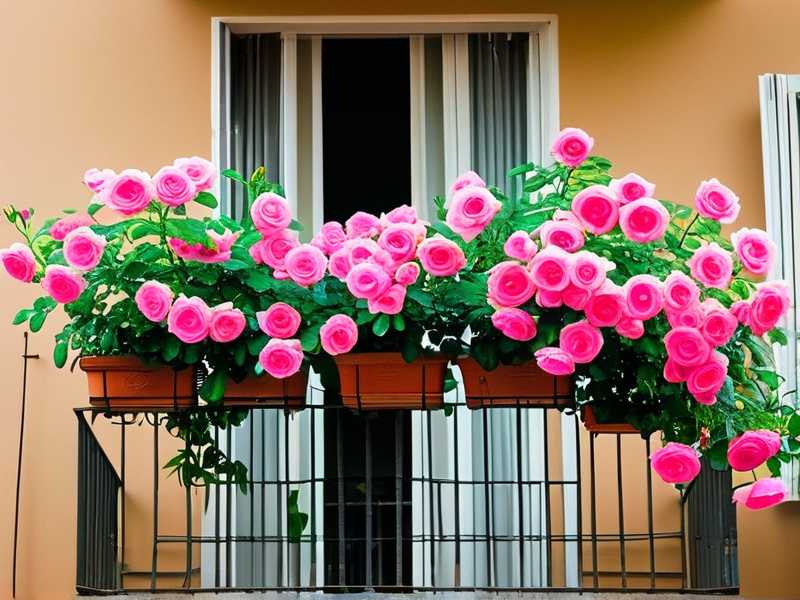
Week 1: I watered it once on day three. The soil felt dry on top, so I gave it about 200ml. By day five, the leaves started yellowing at the edges. I panicked. I thought it was underwatered. I gave it another 300ml. The next morning, the lower leaves were mushy and falling off. That's when I realized: root rot starting. I immediately stopped watering and let the soil dry out completely for 48 hours. By day seven, the yellowing stopped spreading. Some leaves dropped, but the stem looked green.
Week 2: I moved the pot to a spot that only gets direct sun from 7am to 11am. Afternoon shade is non-negotiable at altitude. I also added perlite to the soil mix — about 30% perlite, 70% potting mix. I watered exactly once on day ten, just 150ml. By day fourteen, I saw two new leaf buds forming. The plant looked happier. Actually, it looked relieved.
The 3 Most Common Mistakes Newcomers Make
I see these mistakes again and again in online groups. People blame the climate. They blame the rose. But really, it's these three things.
Mistake 1: Overwatering
I cannot stress this enough. 90% of indoor plants die from overwatering, and balcony roses in high altitude are no different. At elevation, evaporation happens fast during the day, but the soil stays cold at night. Cold, wet soil is a death sentence. Roots suffocate. Fungus moves in. I once watered my rose every single morning because the top inch felt dry. By day five, the leaves were drooping. I thought it needed more water. I gave it more. It died in ten days. I was heartbroken. Now, I only water when I stick my finger two inches deep and it's completely dry. That takes about 6 days in summer, 10 days in winter.
The fix: Use a moisture meter. Or do the chopstick test — stick a wooden chopstick into the soil, leave it for 10 minutes, pull it out. If it's damp, skip watering.
Mistake 2: Wrong Light Positioning
High altitude means intense UV. Full sun from noon to 4pm? That's like a magnifying glass burning through the leaves. I placed my first rose directly on the south balcony railing, no shade. Within three days, the leaf edges turned brown and crispy. I thought it was heat stress. I moved it to the northern side, full shade. Then it stopped growing.
The fix: Morning sun only. From sunrise until about 11am is ideal. After that, dappled shade or indirect light. I use a sheer curtain on my balcony door to filter the harsh afternoon rays. If you don't have that, group your pots together. They create a microclimate and shade each other.
Mistake 3: Using the Wrong Pot
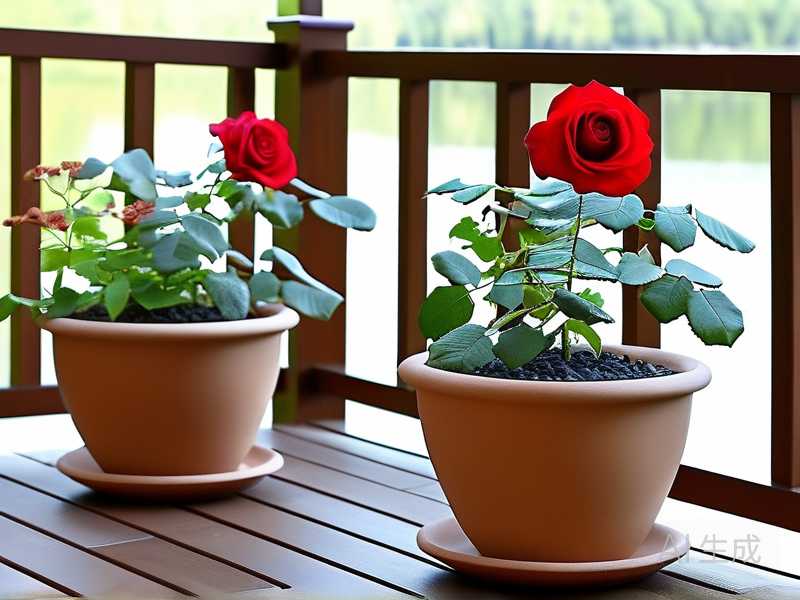
I started with a beautiful terracotta pot. It looked perfect. But at altitude, terracotta dries out too fast in the day and holds cold moisture at night. My rose's roots never had a stable environment. I also used a pot with only one drainage hole. That's not enough.
The fix: Use plastic or glazed ceramic pots. They insulate better against temperature swings. Make sure your pot has at least four drainage holes. I drilled extra holes in mine. And the pot depth? At least 12 inches. Roses need root space, especially at altitude where the soil freezes slower deeper down. I learned this after my fourth plant. The moment I switched to a 14-inch plastic pot with 6 holes, everything changed.
Choosing the Right Rose Variety for High Altitude
Not every rose can handle altitude. I tried hybrid tea roses my first year. They looked beautiful in the nursery. On my balcony? They grew tall, spindly, and produced three pathetic blooms. I felt like a clown.
After talking to a local grower in the RHS community, I switched to miniature and shrub roses. Miniature roses, like 'The Fairy' or 'Sunblaze', stay compact and bloom continuously. Shrub roses, like 'Knock Out', handle harsh sun and cold nights. Climbing roses work too, but only if you train them on a trellis against a wall for thermal storage.
I'm currently testing a 'Crimson Shower' climbing rose on my west-facing balcony wall. So far, so good. It's been a month. The leaves are dark green, no scorch marks.
Soil Mix That Works at High Altitude
Standard potting soil is too heavy. It compacts, holds too much moisture, and creates stagnant conditions. I made my own mix after watching a video from AHS. Here's what I use: 40% high-quality potting soil, 30% perlite or vermiculite, 20% well-rotted compost, and 10% coarse sand. The perlite keeps it light and airy. The compost feeds the roots slowly. The sand improves drainage.
Why this matters: At high altitude, the air pressure is lower, so oxygen exchange in the soil slows down. Roots need more porous soil to breathe. I noticed an immediate difference after repotting my rose into this mix. The leaves perked up within 24 hours. The root rot from overwatering stopped entirely.
Watering Schedule I Follow
It depends on the season, but here's my exact routine. I check the weather every evening.
- Summer (20-30°C daytime): Water every 5-6 days. Water deeply until it drains from the holes. I always water in the morning, never at night. Night watering at altitude invites frost damage and fungal diseases.
- Autumn (10-20°C): Every 8-10 days. Reduce water gradually as temperatures drop.
- Winter (0-10°C): Every 14-18 days. I only water if the soil is bone dry. My roses go semi-dormant. They don't need much. One year I overwatered in January and lost two plants to frost shock.
- Spring (5-15°C): Every 7-10 days. Increase slowly as the days get longer.
I keep a simple log. A notebook by the balcony door. I write down the date, water amount, and leaf condition. It's not obsessive. It's just smart. After two weeks of logging, I noticed my rose blooms exactly 8 days after a deep watering. That's useful knowledge.
Fertilizing Tips I Swear By
Roses in pots need regular feeding, but at altitude, slow-release fertilizers work best. Strong liquid fertilizers burn the roots because the soil doesn't dry fast enough. I tried a high-nitrogen liquid feed in my third week. Within two days, leaf tips turned brown. Never again.
I recommend a balanced 10-10-10 slow-release granular fertilizer. I mix it into the top inch of soil every 6 weeks in the growing season (April to September). For an extra boost, I use compost tea once a month — just steep a handful of compost in water for 24 hours, strain it, and water with it. My roses seem to love that.
One thing I learned from RHS: stop fertilizing by mid-autumn. New growth late in the season won't harden off before frost. I made that mistake in October. My rose pushed out fresh green shoots, then a cold snap hit. Those shoots turned black overnight. The plant survived, but it set back blooming by two months the next year.
Pest Management at Altitude
People think high altitude means fewer pests. Not true. Aphids love dry air. My balcony got infested last July. I spotted the little green bugs on new buds. At first, I ignored them, thinking they'd die from the cold nights. They didn't. They got worse.
The fix: Neem oil spray. Mix 1 tablespoon of neem oil with 1 liter of water and a drop of dish soap. Spray every 3 days for two weeks. I also introduced ladybugs — ordered them online, released them at dusk. The ladybugs cleared the aphids in 4 days. After two weeks, I had zero pests. The roses looked healthier too. Neem oil also prevents fungal diseases, which are common at altitude due to cold nights and dewy mornings.
Winter Protection for Balcony Roses
Winter is the real challenge. My balcony sees -10°C at night. Rose pots freeze solid if left unprotected. I did that once. I lost three plants. The roots turned to mush in the spring thaw.
Now, I bring my rose pots close to the apartment wall. The wall radiates heat from the apartment. I also wrap the pots with bubble wrap and old blankets. I create a wind barrier using a bamboo screen. Mulch the top of the soil with 3 inches of straw or shredded bark — that insulates the roots.
If you have space, consider an unheated garage or basement for the coldest months. Roses in pots can go dormant indoors as long as the temperature stays between 0-5°C. I tried that last winter. It worked perfectly. My rose started growing in March, two weeks earlier than the previous year.
Pruning Roses at High Altitude
Pruning is not scary, I promise. I was afraid to cut anything. My first rose just grew leggy, all stems, no flowers. Then I learned from AHS: prune hard in early spring, not fall. At altitude, pruning in fall exposes wounds to frost. I do it in March, just as buds start swelling.
Remove dead, diseased, and crossing branches. Cut back healthy canes by one-third. For miniature roses, just give them a haircut by 6 inches. I prune my 'Sunblaze' down to 8 inches every March. By May, it's covered in blooms. The more you cut back, the more flowers you get. That's the rule.
Common Questions from Newbie Balcony Rose Growers
Q: How often do I really need to water at high altitude?
Only when the top two inches of soil feel bone dry. For most people, that's every 5–7 days in summer, 8–14 days in winter. Use a moisture meter. It saves your plants.
Q: Can I grow climbing roses on a high-altitude balcony?
Yes, but you need a wall that traps heat. East or west-facing walls work best. Train the canes on a trellis. Water deeply once a week. Protect the pot from winter wind.
Q: Why are the leaves turning yellow despite proper watering?
At altitude, yellowing often means nutrient deficiency, especially iron or magnesium. Try adding a balanced slow-release fertilizer or a foliar spray of Epsom salt (1 tablespoon per liter of water). Also check for root bound plants— if roots are circling the pot, repot to a larger container.
Actually, I've noticed a bad habit among beginners: they give up too soon. At altitude, roses take time to adjust. Two weeks is the bare minimum. My rose started recovering after two weeks, but it took a full month to bloom again. Patience is everything. Stick with it.
Final Words of Caution
High altitude balcony gardening is not impossible. It's just different. I've killed 7 rose plants learning this. Every mistake taught me something. I honestly think anyone can do it if they avoid those three mistakes. Water less, give morning sun, use proper pots.
And don't trust the weather forecast blindly. Microclimates matter. My balcony is two degrees warmer than the official temperature because of the building heat. I learned to trust my own thermometer, not the app.
Remember: overwatering is the silent killer. Every rose I lost was because I loved it too much with water. Love them by letting them dry out a bit. It's counterintuitive, but it works.
If you're in a frost-prone area, consider growing your roses in pots with wheels. Move them indoors during extreme frost. It's easier than you think.
I hope my two week experience helps you avoid the same heartbreak. Start with a miniature rose, get your soil right, water sparingly, and you'll see blooms in six weeks. I've done it. You can too.