bluename
How to Grow Tea Roses on an Apartment Balcony
I bet you have tried to grow tea roses on your apartment balcony only to watch them turn into a sad, brown mess. I have been there too. If you want to know how to grow tea roses on an apartment balcony, the quick answer is this: get a pot with drainage holes, place it where sunlight hits for at least six hours, and water only when the soil feels dry two inches deep.
Many people think tea roses are impossible in small spaces. I used to think the same. But after killing three plants in two years, I found a system that actually works. Let me walk you through it step by step.
The Three Mistakes That Kill Balcony Roses
Mistake One: Overwatering
Here is a truth I learned the hard way. 90% of indoor plants die from overwatering. Tea roses hate wet feet. I used to water my first rose every single morning. I thought more water meant happier leaves. Within two weeks, the leaves turned yellow and dropped off.
What happened? The roots suffocated. They sat in soggy soil with no air. I checked the pot and found a foul smell. The roots had turned mushy and brown.
I stopped watering completely for five days. Then I changed my method. Now I stick my finger into the soil up to the second knuckle. If it feels dry, I water. If not, I wait.
After two weeks of this new schedule, my rose looked totally different. New green shoots appeared. The leaves regained their deep green color. The plant started growing again.
One more tip. Use a moisture meter if you want to be extra safe. I bought one for ten dollars after my second rose died. It takes away all the guessing.
Mistake Two: Wrong Light Placement
I thought my balcony got plenty of light. It faces east, so mornings are bright. But tea roses need at least six hours of direct sun daily. My east-facing balcony only gave about four hours before the building next door blocked everything.
My second rose grew tall and skinny. The stems looked weak. Only a few small buds appeared. They never fully opened.
I moved the pot to the sunniest corner. I also bought a small plant stand to lift it above the balcony railing. That simple change gave me two extra hours of sunlight.
Within two weeks, I saw huge differences. Stems became thicker. More buds formed. The flowers opened fully and lasted longer.
The Royal Horticultural Society (RHS) recommends full sun for tea roses. I learned to listen. If your balcony gets less than six hours, consider adding a grow light. I use one on cloudy days now.
Mistake Three: The Wrong Pot
I remember buying a beautiful ceramic pot for my first rose. It had no drainage hole. The shop seller said I could add pebbles at the bottom. Total lie.
Water collected at the bottom. The roots sat in it. The plant got root rot within three weeks.
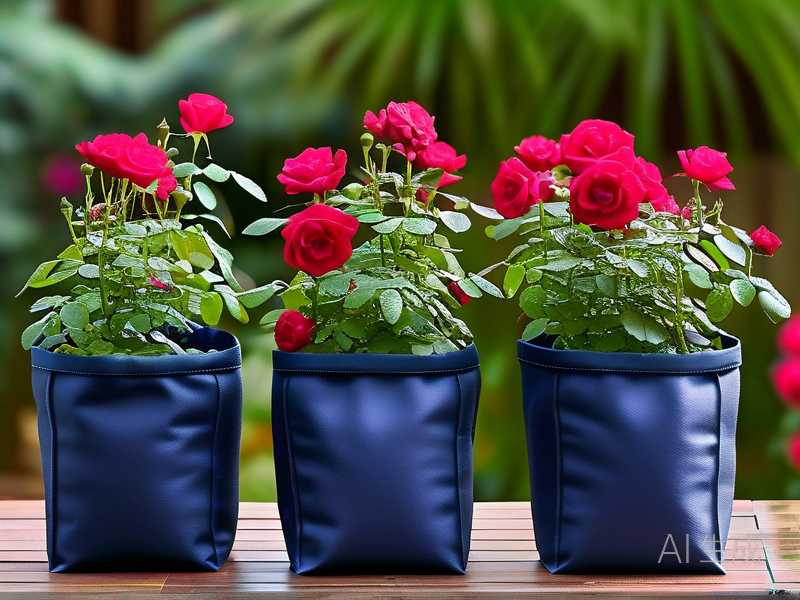
I tried fabric pots after that disaster. They work well for air circulation. But they dry out too fast on a hot balcony. I had to water twice a day in summer.
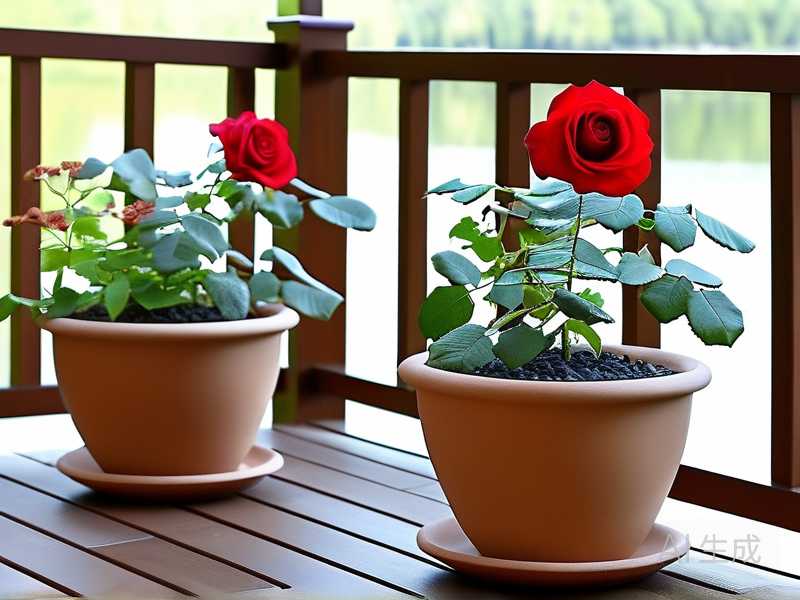
My current setup uses terracotta pots with drainage holes. I put a saucer underneath to catch extra water. I empty the saucer thirty minutes after watering.
Another thing. Size matters. A pot that is too small restricts root growth. A pot that is too large holds too much moisture. I use a pot that is about sixteen inches wide for one mature tea rose.
The American Horticultural Society (AHS) advises choosing a pot that is at least two inches wider than the root ball. That rule has never failed me.
How I Set Up My Balcony for Success
Let me share my exact process. I started with these steps after my previous failures.
First, I chose the right variety. Not all tea roses work in pots. I looked for compact types. I found a floribunda called 'Iceberg' that stays small. It grows up to three feet tall. Perfect for my space.
Second, I mixed my own soil. Store-bought potting mix alone does not work. I combine three parts potting soil, one part perlite, and one part compost. This mixture drains well but holds enough moisture.
Third, I fertilized regularly. Tea roses are heavy feeders. I use a balanced slow-release fertilizer every four weeks. I also spray liquid seaweed once a month. The leaves become darker and healthier.
Fourth, I pruned properly. I cut off dead flowers every week. This encourages more blooms. I also remove any leaves touching the soil surface. They can cause fungal problems.
My Two-Week Observation Diary
I kept a journal during my latest attempt. Here is what happened.
Days One to Three
I brought home a healthy 'Iceberg' rose in a one-gallon pot. The leaves looked dark green. A few buds were forming. I repotted it into a sixteen-inch terracotta pot with my custom soil mix.
I placed it on the sunniest side of my balcony. I watered it once, deeply, until water came out the bottom. Then I waited.
Days Four to Seven
The soil felt slightly moist on day four. I did not water. On day six, the top two inches felt dry. I watered again. I noticed one old leaf turning yellow near the bottom. I removed it.
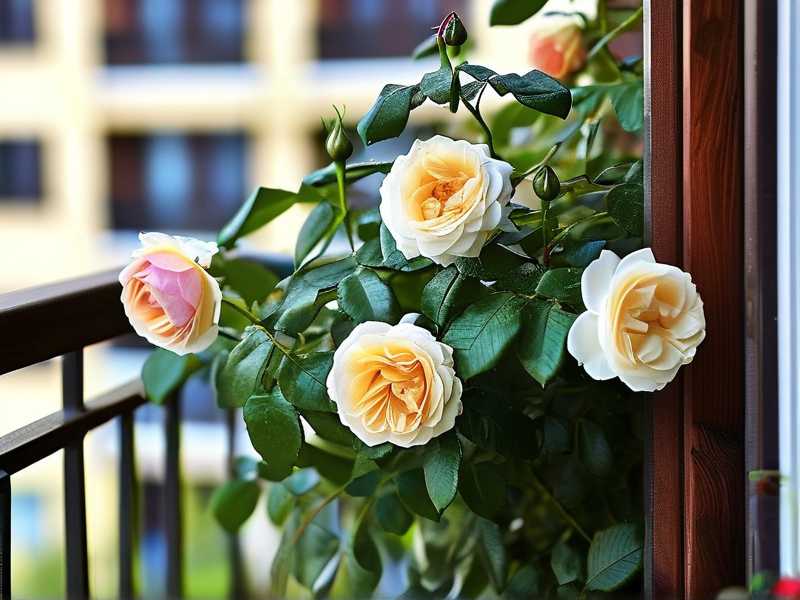
The buds started opening on day seven. Two small pink flowers emerged. I felt relieved.
Days Eight to Fourteen
New leaves began forming at the base of the plant. They were smaller than the top ones but still healthy looking. I sprayed neem oil mixed with water to prevent aphids. I learned this trick after losing a rose to pests before.
On day ten, I added fertilizer. I sprinkled it around the pot rim and watered lightly. By day twelve, the two flowers had fully opened. They lasted for five whole days before I deadheaded them.
On day fourteen, I counted five new buds. The plant looked fuller. No yellow leaves. No fungus. I knew I had finally done it right.
What You Must Know About Watering
Watering is the hardest part for beginners. Let me simplify it.
Never water on a schedule. Check the soil first. Stick your finger in. If the top two inches feel dry, water. If not, wait.
Water deeply when you do water. Pour slowly until water runs out the bottom. This encourages deep root growth. Shallow watering makes roots stay near the surface. They become weak.
Morning watering is best. It gives the leaves time to dry during the day. Wet leaves at night invite fungus. I learned this after seeing black spots on my second rose.
In summer, I water every two or three days. In winter, maybe once a week. It all depends on temperature and humidity.
The Right Light for Your Balcony
I have tested different balcony directions. South-facing is best. West-facing works if you have no buildings blocking afternoon sun. East-facing needs a boost from artificial light.
North-facing balconies are almost impossible for tea roses. I tried. The plants survived but never bloomed. They looked like green sticks with leaves.
If your balcony is shady, consider a grow light. I use a full-spectrum LED light on a timer. It runs for four hours in the evening. This gives my roses the extra light they need.
One more thing. Clean your balcony windows regularly. Dust reduces light intensity by up to thirty percent. I wipe mine every two weeks during growing season.
Potting and Soil Tips from My Experience
Do not use garden soil. It is too heavy for containers. It compacts easily and blocks drainage. I made this mistake with my first rose.
Use a pot with drainage holes. No exceptions. I have seen people drill holes into decorative pots. That works too. But do not rely on a pebble layer at the bottom. It does not prevent root rot.
Elevate your pots slightly. I use pot feet or small wooden blocks. This allows air to flow under the pot. It also prevents the saucer from sticking to the bottom.
Repot every two years. Roots eventually fill the pot. Fresh soil adds nutrients. I repot in early spring before new growth starts.
Fertilizing Without Overdoing It
Tea roses need food, but not too much. I use a balanced fertilizer with an NPK ratio of 10-10-10. I apply it once a month from March to October.
In winter, I stop fertilizing. The plant rests. Feeding it then can cause weak growth.
I also use liquid seaweed every two weeks. It provides micronutrients and helps with stress. After a heatwave, it really helps my roses recover.
Organic options work too. Compost tea is excellent. I make my own by steeping compost in water for twenty-four hours. Then I dilute it and water the plant.
Pest Control on a Balcony
Balconies have fewer pests than gardens. But aphids, spider mites, and whiteflies can still appear.
I check the undersides of leaves every week. If I see small green bugs, I spray neem oil mixed with water and a drop of dish soap. This suffocates them without harming the plant.
For spider mites, I increase humidity. I mist the leaves occasionally. These pests hate moisture.
Ants can be a problem too. They farm aphids for their honeydew. If I see ants, I know aphids are nearby. I treat both at the same time.
Never use chemical pesticides on a balcony. They are too harsh for small spaces. I once used a strong spray and killed my rose within days. Stick with natural methods.
Pruning and Deadheading
Deadheading is easy. Cut the stem above the first set of five leaves. This directs energy to new growth instead of seed production.
I do this every week during blooming season. It keeps the plant looking tidy and triggers more flowers.
Pruning is different. I do hard pruning in late winter or early spring. I cut back the plant by about one-third. I remove any dead or crossing branches. This shapes the plant and promotes strong growth.
For balcony roses, keep the center open. Good air circulation prevents fungal diseases. I prune inward-facing branches first.
Winter Care for Balcony Roses
If you live in a cold climate, protect your roses in winter. I move my pots closer to the building wall. The wall radiates some warmth.
Wrap the pot with bubble wrap or burlap. This insulates the roots from freezing temperatures. I also mulch the top of the soil with straw.
Reduce watering. The plant needs much less water when dormant. Overwatering in winter kills more roses than cold itself.
If your balcony is exposed, bring the pot inside to an unheated room. A garage or basement works. Just ensure some light reaches the plant.
Tea Rose Varieties That Love Pots
Not all tea roses are suitable for balconies. Here are some I have personally grown with success.
'Peace' grows well in containers. It has large, fragrant blooms. It reaches about three feet in a pot.
'Double Delight' is another favorite. It has a strong spicy scent. The flowers change from creamy white to pinkish red.
'Mister Lincoln' has deep red flowers. It grows upright and does not spread too much. Perfect for tight spaces.
'Sonia' produces coral pink blooms. It is disease resistant and easy for beginners.
Ask your local nursery for compact varieties. They often have specific recommendations for your climate.
Common Questions from Balcony Gardeners
Can tea roses survive on a balcony that only gets morning sun?
It is possible but difficult. Morning sun is weaker than afternoon sun. Your rose may produce fewer blooms. If you must try, choose a shade-tolerant variety. Use a grow light to supplement. I have done this with partial success. Blooms were smaller but still beautiful.
How often should I repot my balcony tea rose?
Every two years is best. Roots fill the pot and need more space. I repot in early spring. I use a pot one size larger. Fresh soil provides new nutrients. If you skip repotting, the plant becomes root bound and struggles.
What is the best soil for tea roses in containers?
Use a mix of potting soil, perlite, and compost. The ratio I use is three parts potting soil, one part perlite, one part compost. This drains well but holds enough moisture. Avoid garden soil. It compacts and blocks drainage.
So, if you are thinking about growing tea roses on your apartment balcony, here is what I would say. Start with the right pot and soil. Watch your watering habits. Give them enough sun. Learn from my mistakes. I killed three roses before I got it right. But now my balcony is full of blooms from spring to fall. You can do this too. Just be patient and pay attention to what your plant tells you.