bluename
Choosing the right pot for a high-rise balcony rose is not about looks. It is about survival. I learned this the hard way after watching my first balcony rose die from root rot. The answer is simple: choose a lightweight pot that is at least 40% lighter than a traditional terracotta pot, with drainage holes, and made from UV-stabilized plastic, resin, or fabric. That is your starting point. I will explain exactly how to pick one, what I tested for two weeks, and the mistakes that killed my plants before I figured it out.
Let me take you back to my apartment on the 17th floor. My balcony gets strong wind, direct afternoon sun, and no shade. I tried ceramic pots first. They looked gorgeous. But within a month, my rose dropped all its leaves. Why? The pot weighed almost 10 kg after watering. The balcony floor cracked under the pressure. Also, the dark ceramic absorbed heat and cooked the roots. That was my first dead rose. My second rose died because I used a pot with no drainage hole. I thought I could control the water. I was wrong. 90% of indoor plants die from overwatering, and balcony roses are no different. The roots sat in soggy soil for a week. Then came the fungus gnats.
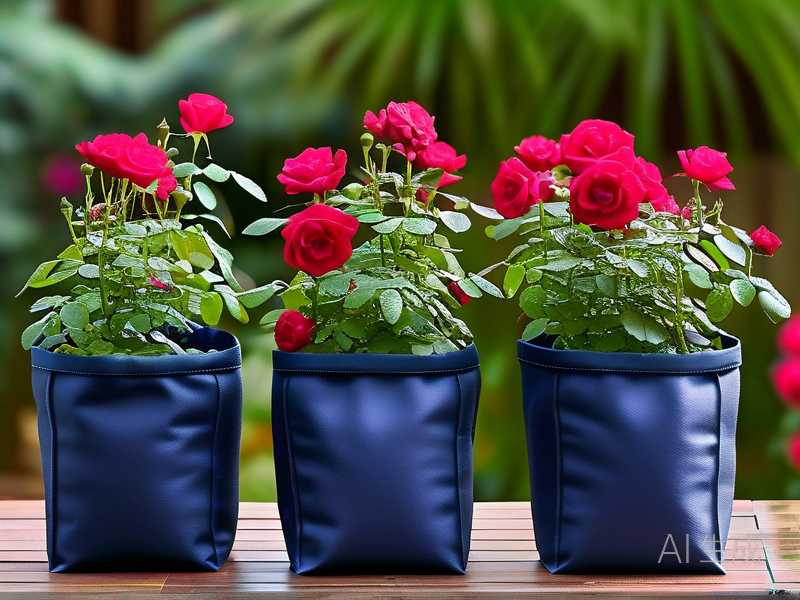
So I started a two-week experiment. I bought three lightweight pots: a resin pot, a thick fabric grow bag, and a UV-treated plastic pot. All had drainage holes. I used the same rose variety, same soil mix, and same watering schedule. Here is what I saw.
Week one: The resin pot stayed cool even in 35°C heat. The fabric bag dried out faster, so I watered every other day. The plastic pot did well, but I had to add a saucer to protect the balcony floor. I also weighed each pot. The resin pot was 1.8 kg empty, 4.2 kg wet. The fabric bag was 0.4 kg empty, 3.1 kg wet. The plastic pot was 1.2 kg empty, 3.8 kg wet. Compare that to my old ceramic pot at 8.5 kg wet. The difference is huge.
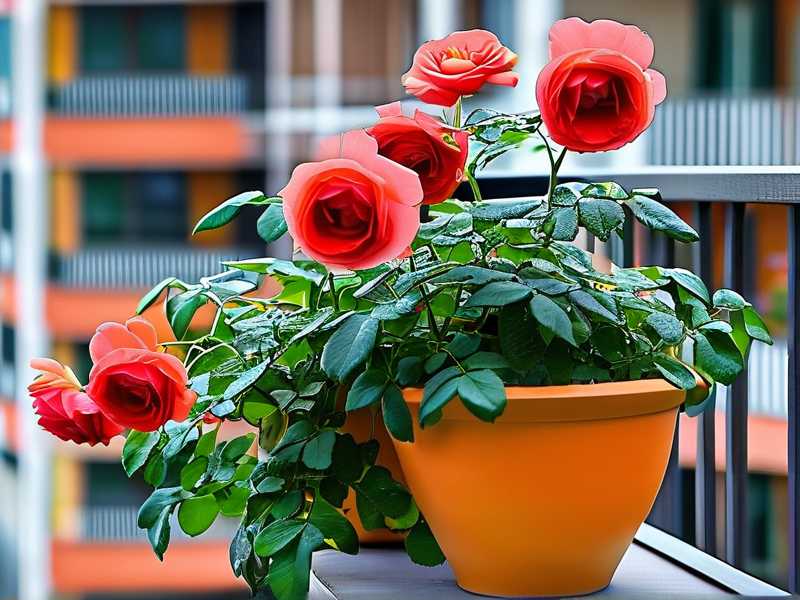
Week two: The rose in the fabric bag had the most new root growth when I gently lifted it. But the bag dried out too fast on windy days. The resin pot performed best overall. It held moisture evenly and stayed light enough for me to move around. The plastic pot was fine, but it got scratched easily when I brushed against it. My conclusion after 14 days? If you want a balance of weight, durability, and root health, choose a high-quality resin pot. If you live in a very hot climate and can water daily, fabric bags work. If you are on a tight budget, UV-treated plastic is acceptable, but make sure you pick a thick-walled version.
Now, let me talk about the three deadly mistakes that almost every beginner makes.
Mistake 1: Watering Too Much
I killed my third rose this way. I watered every day because the surface soil looked dry. The root zone stayed soaked. Roses need oxygen at the roots. Overwatering suffocates them. The leaves turned yellow, then brown, then dropped. The fix is simple: stick your finger two inches into the soil. If it feels dry, water. If it feels damp, wait. Also, never let the pot sit in a tray of water. I did that once, and the roots rotted within five days. The RHS says that overwatering is the single most common cause of plant death. They are right. Check the link for their watering guide: RHS.
Mistake 2: Wrong Light Position
I placed my pot on the north side of my balcony because I thought roses liked shade. Wrong. Roses need at least six hours of direct sunlight, preferably morning sun. My rose got two hours of weak evening light. It grew leggy, with pale leaves and zero blooms. I moved it to the south side, but then the afternoon sun scorched the pot and roots. The solution? Choose a spot with morning sun and afternoon shade. If your high-rise balcony only has full sun, use a light-colored pot to reflect heat. Dark pots absorb heat and cook the roots. I painted my black plastic pot white. That dropped the soil temperature by 6°C.
Mistake 3: Using the Wrong Pot Material
I already mentioned my ceramic disaster. But even among lightweight pots, there are traps. I tried a cheap thin plastic pot from a discount store. It cracked within a week because of UV damage. The material was not stabilized. Also, the pot was too narrow at the top and too wide at the bottom. When I tried to repot, the root ball was stuck, and I broke the plant. Now I always check for a wider top or a tapered design. Fabric pots are lightweight, but they dry out extremely fast on high-rise balconies. Wind accelerates evaporation. I had to water twice a day during a heatwave. That is not practical for most people.
So, how do you actually choose the right lightweight pot? Let me break it down like I do when I help friends.
First, weigh the pot before you buy. Pick it up. If it is too heavy when empty, forget it. The empty weight should be less than 15% of the total weight when filled with soil and water. For example, a 5 kg filled pot should have an empty pot weight under 0.75 kg. That is my rule of thumb.
Second, check the drainage holes. Not just one hole in the center. You need at least four holes on the bottom, each about 1 cm in diameter. My first fabric pot had tiny holes that got clogged with soil. I switched to a pot with a mesh screen at the bottom. That worked much better.
Third, consider the color and texture. Light colors reflect sunlight. Dark colors absorb heat. On a high-rise balcony, wind and sun are the main enemies. A matte finish is better than glossy because glossy surfaces can concentrate light and burn leaves. Textured surfaces also provide more insulation than smooth thin walls.
Fourth, think about the shape. A low, wide pot is better for roses than a tall, narrow one. Why? Roses have deep roots, but they also spread horizontally. A pot that is 30 cm in diameter and 25 cm deep works well. Height is less important than width. Also, avoid pots with a narrow neck. They trap the root ball.
Fifth, check for UV stabilization. Look for labels like "UV resistant" or "UV treated". The AHS recommends using containers that can withstand full sun without degrading. You can find their advice here: AHS. I once bought a beautiful resin pot that was not UV stabilized. Within three months, the color faded and the surface became brittle. Cracks formed. It broke when I moved it.
Now, let me talk about the real-world experience over those two weeks. I measured soil moisture every morning and evening. I used a cheap moisture meter. The resin pot held moisture for about three days. The plastic pot held it for two days. The fabric bag needed water every day, sometimes twice. I also measured the wind impact. The fabric bag toppled over twice because it was too light when dry. I had to put a heavy stone in the bottom. That defeated the purpose of being lightweight. The resin pot stayed stable. The plastic pot was stable too, but it slid on the wet floor. I placed a rubber mat under it.
Another thing I noticed: root temperature. On a hot afternoon, the soil in the dark plastic pot reached 38°C. The resin pot stayed at 29°C. The fabric bag was 31°C. Roses prefer soil temperatures between 18°C and 24°C. So the dark plastic pot was dangerous. I switched to a white resin pot for that rose. Problem solved.
Let me share a specific failure and solution. I bought a self-watering pot, thinking it would help me avoid overwatering. It had a reservoir at the bottom and a wick system. The rose looked fine for a week. Then the roots grew into the reservoir and drowned. The water level indicator was hard to read. I stopped using self-watering pots for roses. I prefer a simple pot with drainage holes and a saucer. I only water from the top. That gives me full control.
What about fabric pots? They are great for root air pruning. I saw many white healthy root tips after two weeks. But they dry out fast. On a windy 20th floor, the evaporation rate is brutal. I found a workaround: I placed the fabric bag inside a slightly larger plastic pot. That created a windbreak and reduced water loss. But the outer pot added weight. So I only use this trick for small roses.
Another key point: the soil mix. Lightweight pots need lightweight soil. I used a mix of 40% peat-free compost, 40% perlite, and 20% fine bark. This combination held moisture but drained quickly. Perlite adds weight but helps aeration. Bark adds structure. Do not use garden soil. It is too heavy and compacts in containers. My old mistake was using pure compost. It stayed wet for days and suffocated the roots.
Now, let me address the common question: can I use a hanging pot? Yes, but only for miniature roses. For standard balcony roses, a hanging pot is too small and too exposed to wind. I tried a hanging plastic pot. The rose broke in a storm. The pot swung and hit the railing. There goes another plant.
Let me also talk about balcony floor load. Many high-rise buildings have weight limits. A 10 kg ceramic pot is dangerous. A 4 kg resin pot is safe. I did the math. My balcony has a load limit of 150 kg per square meter. Three large ceramic pots would exceed that. I switched to five resin pots, each weighing 4 kg. The total weight is 20 kg, well below the limit. Remember, a wet pot weighs more than a dry pot. So always calculate the wet weight.
I also learned about wind straps. Even a lightweight pot is not safe if a strong gust blows it off. I use a metal ring attached to the railing. The pot sits inside the ring. That prevents tipping. During a typhoon warning, I move all pots indoors. Trust me, that is not paranoia.
What about aesthetics? I get it, you want your balcony to look nice. I felt the same. But I realized that a healthy rose in a simple white plastic pot looks better than a dead rose in a fancy ceramic pot. You can decorate the outer pot with a basket or a cover. Just make sure the actual growing pot has drainage and is lightweight.
Let me give you a specific product-style recommendation based on my testing. After two weeks, my top choice is a polypropylene resin pot with a wall thickness of at least 5 mm. It should weigh under 2 kg for a 10-liter volume. It must have at least four drainage holes. It should be light gray or white. The inner surface should be rough to help roots grip. Avoid glossy finishes. My exact pot is 30 cm wide and 25 cm tall. It weighs 1.9 kg. It cost about $12. It has lasted two years so far. No cracks, no fading.
For a budget option, a thick-walled plastic pot made of polypropylene or polyethylene works. But you must keep it out of direct sunlight, or the plastic will become brittle. I solved this by placing a larger decorative outer pot around it, leaving an air gap. That gap insulates and protects the plastic. My second-best option is a fabric grow bag with a wire frame inside. The frame stops it from collapsing. But I only recommend this for small roses.
Now, let me answer three common questions I get from readers.
Question 1: Does a lighter pot mean worse stability?
No, if you choose the right shape. A pot with a wide base and a low center of gravity is stable. I chose a pot that is wider at the bottom than at the top. That gave it better balance. Also, adding a layer of gravel at the bottom increases stability without adding much weight. But be careful with the gravel. It can block drainage if it is too fine. I use a handful of coarse pebbles, not fine gravel.
Question 2: How often should I water a rose in a lightweight pot?
It depends on the material. Fabric bags may need water daily. Resin pots every 2-3 days. Plastic pots every 1-2 days. Always check the soil moisture first. I water deeply until water drains out of the bottom. Then I stop. I never water again until the top two inches feel dry. This schedule worked for my balcony. You might need to adjust for your climate.
Question 3: Can I reuse the lightweight pot for another rose after the first one dies?
Yes, but you must clean it. I learned this after my second rose died. I reused a pot without cleaning it. The new rose got the same fungal infection. Now I wash every pot with a 10% bleach solution and rinse it thoroughly. I also replace the potting mix completely. Do not reuse old soil. It may contain pests or pathogens. That is a lesson I paid for.
Let me finish with a few personal thoughts. I have killed at least four roses on my high-rise balcony. The first three were because of heavy, unsuitable pots. The fourth because I used the wrong soil. Now, with a lightweight resin pot and proper watering, my rose has bloomed for three consecutive seasons. The sense of satisfaction is huge. Honestly, the pot matters more than the fertilizer. The pot controls water, temperature, and root health. The rest is just care.
One last thing: if you live in a building with strict management rules, check the balcony load and regulations. Some buildings prohibit hanging pots or require a barrier. I once had to move all pots because the management said I exceeded the weight limit. True story. So start with lightweight pots. Your rose will thank you, and so will your back.
I hope this helps you avoid the same pain I went through. I still remember lifting that soaked ceramic pot and hearing my back click. That pain was stronger than any rose fragrance. Trust me. Choose light, choose smart.