bluename
My Balcony Roses looked healthy for about three weeks. Then everything stalled. New shoots stopped appearing. Leaves turned pale yellow. Buds formed but never opened. I tried more water first. That made things worse. The soil stayed wet for days. Roots started rotting. I lost two bushes before I understood what was happening.
The fix for slow growth in balcony roses is almost always one of three things: you are watering too often, the pot is too small, or the plant is not getting enough direct sun. Check those three things first. Today I will walk you through exactly how I fixed my own balcony roses over a two-week period, what I tried, what failed, and what finally worked.
The Three Biggest Mistakes New Rose Owners Make
Before I share my recovery plan, I need to address the elephant in the room. I see these three mistakes everywhere. I made all of them myself. You probably are making at least one right now.
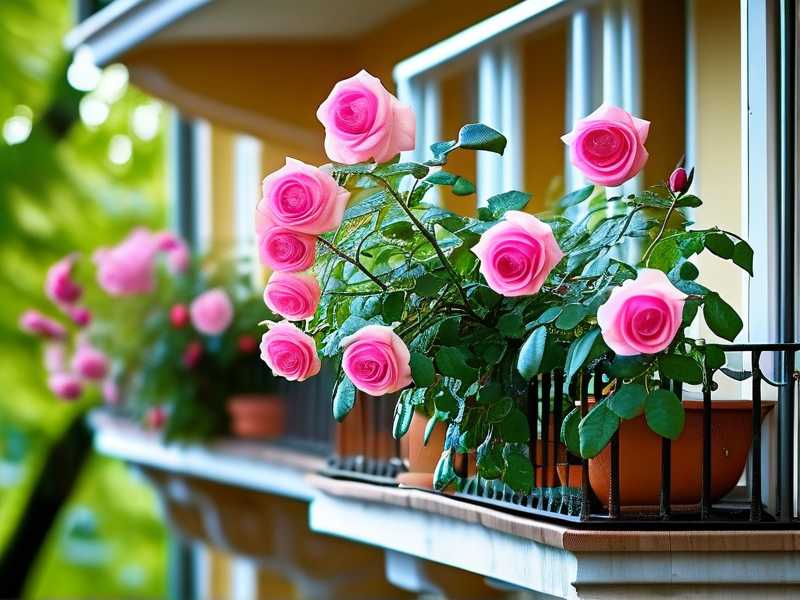
Mistake 1: Watering Too Much
This is the number one killer. 90% of indoor plants die from overwatering. Balcony roses are no different. I used to water mine every single morning because the top of the soil looked dry. Big mistake. The roots sat in wet soil all day. They could not breathe. Growth stopped completely.
What I learned: the top inch of soil can look dry while the bottom is still soaked. Poke your finger down two inches. Only water when that depth feels dry. For my balcony in summer, that means watering every 3-4 days, not every day.
Mistake 2: Wrong Light Position
I placed my roses on the shaded side of the balcony because I was worried about leaf burn. That was wrong. Roses need at least 6 hours of direct sunlight a day. Mine got maybe 2 hours of weak morning light. The plants survived but they did not grow. No energy for new shoots or flowers.
Mistake 3: Wrong Pot Choice
I started with a decorative ceramic pot. It was beautiful but had only one tiny drainage hole. Water pooled at the bottom. The roots sat in a swamp. I also picked a pot that was too small for the root system. The roots filled the container completely. They had nowhere to expand. Growth just stopped.
My Two-Week Fix Plan That Actually Worked
Here is exactly what I did. I followed this for 14 days. Day by day, I saw visible improvement. By day 9, new leaves started forming. By day 12, small buds appeared.
Days 1-2: The Overhaul
I stopped watering completely. Let me repeat that. I stopped watering completely for two days. The soil needed to dry out. On day 2, I checked the moisture level with a wooden chopstick. I inserted it into the soil for 30 seconds and pulled it out. The stick came out damp near the bottom, so I waited one more day.
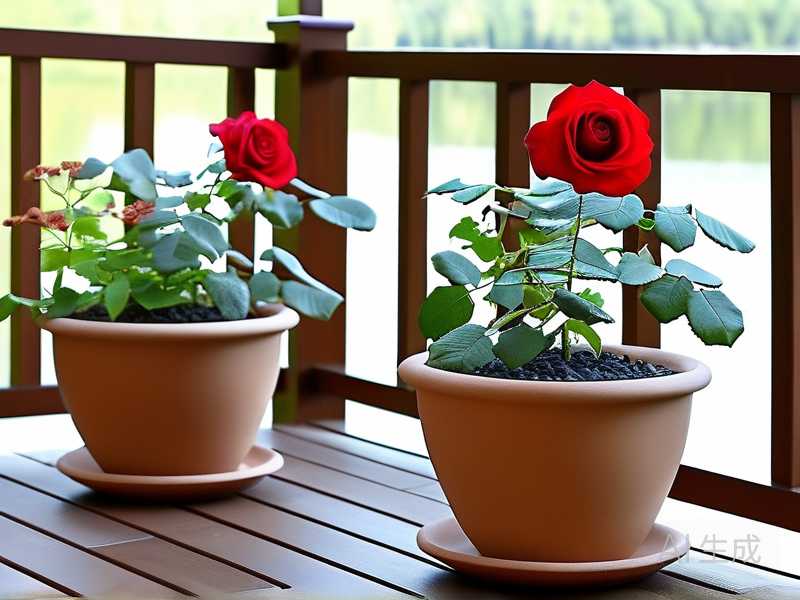
On day 3, I repotted the plant. I chose a terracotta pot that was 2 inches wider in diameter than the old one. Terracotta lets excess moisture evaporate through the walls. That is important. Plastic pots trap water. Ceramic glazed pots trap even more.
I also switched the soil. I used a mix of 60% rose-specific potting mix and 40% perlite. The perlite creates air pockets. Roots need oxygen. This mix drains fast and breathes well. I added a layer of gravel at the bottom. That extra drainage saved my plants.
Days 3-7: Light and Location
I moved the pot to the sunniest corner of the balcony. That spot gets direct sun from 10 am to 5 pm. That is 7 hours. Perfect for roses. I watched for leaf burn, because the sudden change can shock the plant. By day 5, the leaves looked greener. No burn appeared.
During this week, I watered only once. That was on day 5. The soil was dry two inches deep. I watered deeply until water ran out of the drainage holes. Then I waited again.
Days 8-10: Fertilizer Boost
I added a balanced liquid rose fertilizer at half strength. I chose one with a 10-10-10 ratio. The label said to use full strength, but I diluted it. I have burned roots before with full-strength fertilizer. I learned that lesson the hard way. Do not rush this step.
By day 9, I saw tiny pink nubs at the leaf nodes. Those were new growth points. The plant was waking up. By day 10, those nubs had turned into small leaves.
Days 11-14: Patience and Observation
I did not touch the plant. I just watched it. The new growth started spreading. Old yellow leaves started dropping. I let them fall. I did not pull them off forcefully. Pulling off leaves can damage the stem.
On day 14, my roses had at least 6 new shoots, each about 1-2 cm long. Two small buds had appeared, though they were not ready to open. The plant looked entirely different from day 1.
What I Did Wrong Before This Worked (My Real Mistakes)
I want to be honest with you. I killed several plants before I figured this out. My first balcony rose died within three weeks. I watered it daily. I kept it in a shady corner. The pot had no drainage. It was a disaster.
My second rose survived longer but never bloomed. I fertilized too early and too strong. The roots burned. The leaves curled up. I tried to fix it by watering even more. That made it rot. I lost that one too.
The third attempt is when I slowed down. I read about the recommendation from the RHS on container roses. They recommended checking moisture before watering and repotting every two years. That aligned with what I was learning. My third rose survived. My fourth is thriving now.
Then I found AHS guidelines on rose care in containers. They emphasized sunlight requirements and root health. The AHS guidance confirmed that most rose issues start below the soil line. You cannot fix what you cannot see. But you can prepare better.
How to Check If Your Pot Is the Problem
Take a look at your pot right now. Ask yourself three questions.
First, does the pot have drainage holes? If the answer is no, that is your problem. No hole means no way for excess water to escape. Your roots are drowning. Drill a hole or move to a different pot.
Second, how big is the pot compared to the plant? Look at the top of the soil. If you see roots sticking out or growing over the edge, the pot is too small. Your rose is root-bound. That physically stops growth. Repot into something at least 2-3 inches wider.
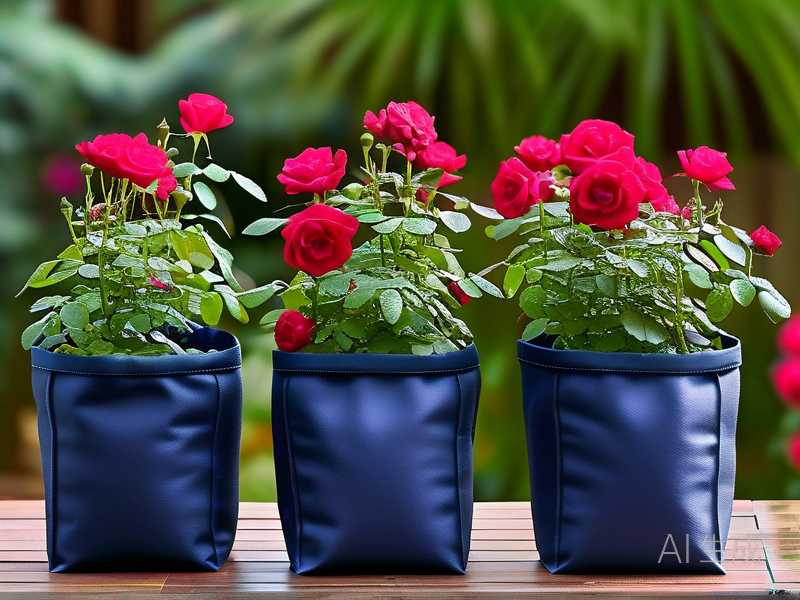
Third, what is the pot made of? I prefer unglazed terracotta. Plastic holds moisture too long. Metal heats up and cooks the roots. Fabric pots work but need more watering. Terracotta is forgiving.
The Right Watering Schedule for Balcony Roses
I cannot give you a fixed day count. That depends on your climate, your pot size, your soil mix. But I can give you a simple test that works everywhere.
Press your finger two inches into the soil. If it comes out dry, water deeply. If it comes out damp, wait another day. Simple as that for the first week. After that, you will develop a rhythm.
I noticed my roses need water every third day in summer. During a heatwave, every other day. In spring and fall, once every five days. You will figure this out too if you listen to the plant. The leaves will wilt slightly when thirsty. That is your plant talking to you.
Feeding Strategy for Growth Recovery
Do not fertilize a stressed plant. Wait until new growth appears first. That means at least one week after fixing the watering and light issues.
I use a water-soluble fertilizer with a higher middle number for the first month. Something like a 5-10-5. The phosphorus supports root development. After that, switch to a balanced formula for foliage and blooms.
One more thing: always moisture the soil first before applying liquid fertilizer. Dry roots absorb fertilizer too quickly. That burns them. Water the plant an hour before feeding. I lost two plants to this mistake.
How Much Sunlight Do Balcony Roses Really Need
The RHS recommends full sun for roses. That means at least 6 hours of direct sun. My balcony faces southwest. It gets afternoon sun. That is perfect. I have seen other options too, try morning sun if your balcony faces east.
If your balcony only gets morning sun, that can work as long as it is intense and lasts at least 6 hours. Shade in the afternoon is actually helpful in hot climates. It prevents leaf scorch.
I have tried growing roses on a north-facing balcony. It was hopeless. They stretched toward the light and produced only a few weak leaves. No flowers at all. Honestly, if you have a north-facing balcony, pick a different plant. Ferns and hostas will do much better.
My Exact Observations Over the 14 Days
Day 1: Soil wet and compacted. Leaves yellow and dropping. I removed the plant from the pot. Roots were brownish, which meant early rot. I trimmed off the bad parts with clean scissors.
Day 2: Plant sat bare-root in a bucket of water for one hour. Then I let it drain completely. No potting yet. The root system needed air.
Day 3: Repotted into clean terracotta with fresh mix. Watered lightly to settle the soil. Placed in full sun position. I skipped watering for the next four days.
Day 6: The soil was dry two inches down. I watered deeply with lukewarm water. The color of the leaves started to brighten. Not much else happened. I was patient.
Day 8: Small leaf buds appeared at the base of the stems. This is always exciting. It means the plant is recovering.
Day 9: I added the half-strength fertilizer. New leaves started expanding. Old yellow leaves were completely gone.
Day 12: I saw two visible flower buds forming. The plant had at least 9 new healthy shoots. Each shoot had multiple leaves.
Day 14: The buds grew to the size of a pea. New leaves were glossy green. No sign of yellowing. The plant looked fully healthy. I checked again on day 16 and one bud started showing color.
What If Your Rose Still Does Not Grow
Sometimes the issue is not visible on the surface. I had a rose that refused to grow even after these fixes. I dug it up and found a compacted root ball. The roots had grown in circles inside the pot. They were strangling themselves.
I had to untangle the roots gently. I cut off the severely coiled ones. Then I loosened the rest with my fingers. Repotted with fresh soil. That plant recovered in about 10 days.
Another possibility is pests. Tiny spider mites are almost invisible. They suck the sap from leaves. Growth stops. Look at the underside of leaves with a magnifying glass. If you see small webs, that is the problem. Wash the plant with insecticidal soap.
Common Questions About Fixing Balcony Rose Growth
Should I prune my balcony rose if it is not growing?
Pruning is good for removing dead wood, but do not prune heavily when the plant is weak. Cut only dead or damaged stems. Heavy pruning stresses the plant. Wait until it is growing normally again.
Can I keep balcony roses in plastic pots if I am careful?
You can, but I would not. Plastic pots retain moisture. It takes longer for the soil to dry out. That increases the risk of root rot. If you must use plastic, add more perlite to the soil mix and drill extra drainage holes.
How often should I repot balcony roses?
I repot every 1-2 years. Roses in containers deplete the soil quickly. Fresh soil every year helps. The best time is early spring before active growth starts. I learned that from the RHS resources on container gardening.
Final Thoughts From My Experience
Fix the water first. Then light. Then pot size. In that order. I wasted weeks trying fancy fertilizers while my roses were drowning. Do not make that mistake.
Start with dry soil. Let the plant tell you when it needs water. Move the pot to the sunniest spot you have. Repot into terracotta with good drainage. Feed only after new growth appears. Your roses will respond. Just give them time and trust the process.
My balcony is now full of healthy roses. The bushes that were dying two weeks ago are now pushing out flowers like crazy. You can get the same results. Just fix the basics. Keep it simple, and the roses will do the rest.