bluename
How to Avoid Fertilizer Burn on Balcony Rose Roots
If you grow roses on a balcony, you have probably seen it happen. The leaves turn brown at the edges. The tips look scorched. The plant stops growing. That is fertilizer burn. It happens when salts from fertilizer build up in the soil and pull moisture out of the roots. The roots literally get dehydrated by the very food you gave them. Here is the direct answer: you avoid fertilizer burn by never feeding a dry plant, by using half the recommended dose, and by flushing the pot with clean water every two weeks. That is the whole trick. I learned this the hard way after I killed three beautiful balcony roses in one summer. I want to save you from that.
I remember the exact day I realized my mistake. I had a lovely 'Pat Austin' rose in a terracotta pot. The leaves looked vibrant. I felt proud. Then I sprinkled a handful of slow-release granules on top of the soil. I watered it right after. Two weeks later, the lower leaves had brown edges. The new growth looked stunted. I thought it was a disease. I bought fungicide. I sprayed it. Nothing changed. It got worse. The roots, when I finally tipped the plant out, were dark brown and mushy. The soil smelled sour. I had overfed a plant that was already stressed from the summer heat. That was my first big lesson.
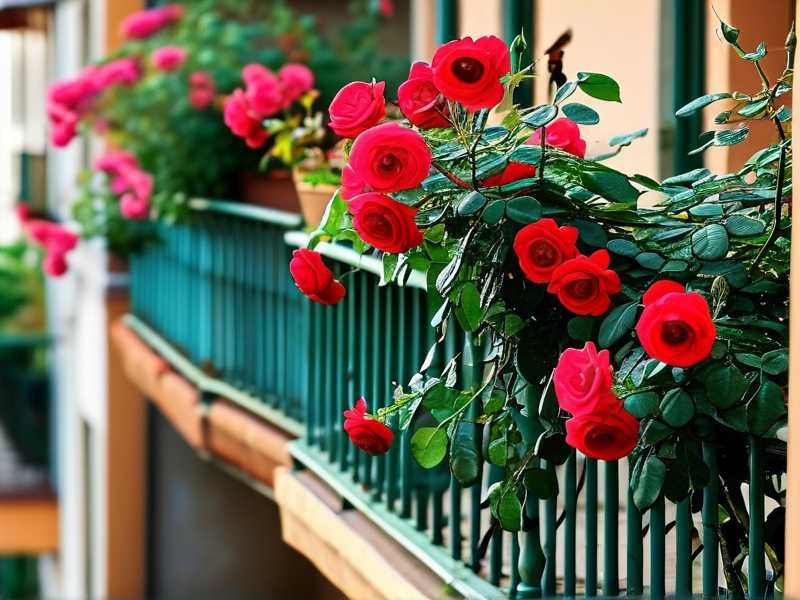
Most beginners think fertilizer is like medicine. More is better. That is wrong. In fact, 90% of indoor plants die from overwatering, and a huge number of balcony roses die from overfeeding. The root system is delicate. The fine root hairs do the actual work of absorbing water and nutrients. When the salt concentration in the soil is higher than the salt concentration inside the root cells, water flows out of the roots. It is basic osmosis. The roots burn. They can not recover. The plant wilts even though the soil is wet. That is a classic sign of root burn.
So let me walk you through what I actually do now. This routine has kept my balcony roses alive and blooming for three straight seasons. I will share the exact steps. I will also tell you what I almost did wrong.
The First Mistake I Made Was Watering Too Much
I used to water my roses every morning. I thought they needed it. The balcony gets hot, I reasoned. So I watered. The soil stayed soggy. The roots sat in water. They could not breathe. Then I added fertilizer on top of that wet mess. The combination was deadly. Wet soil plus fertilizer equals a salt soup. The roots had no chance.
Now I check the soil before I water. I stick my finger two inches deep. If it feels dry, I water. If it feels cool and damp, I wait. This sounds simple, but it took me months to trust it. I was so afraid of underwatering that I killed my plants with kindness. The truth is that most balcony roses can handle a little dryness. They hate sitting in wet soil. Especially when fertilizer is involved.
Here is what you do. Water your rose thoroughly until water runs out of the drainage holes. Wait ten minutes. Water it again. This ensures the whole root ball gets moist. Then do not water again until the top two inches feel dry. In summer, that might be every two days. In cooler months, it might be once a week. The point is to let the soil breathe.
The Second Mistake Was Getting the Light Completely Wrong
I had my roses in a corner of the balcony that got morning sun only. I thought that was enough. Roses need at least six hours of direct sunlight. My corner got maybe three. The plant looked thin. The stems were leggy. The leaves were pale. I thought it needed more fertilizer. So I fed it. That was the double mistake. A weak plant that is not photosynthesizing properly will not use the nutrients. The salts just accumulate in the soil.
I shifted the pots to the sunniest spot on my balcony. Full sun, from about 10 a.m. to 4 p.m. The difference was remarkable. Within a week, the new leaves were darker. The growth was sturdier. And because the plant was actually growing, it could use the fertilizer I gave it. If the plant is not actively growing, do not feed it. That is a rule I wish someone had told me earlier. Wait for a flush of new growth in spring. Then feed. Feed only when the plant can use the food. Otherwise, you are just pouring salt into the pot.
I found that the RHS suggests a similar approach. They recommend feeding roses regularly but caution against overfeeding in containers. Their guidance is to use a balanced fertilizer and to water well before applying. That water before feeding step is critical. I never did that. I just sprinkled fertilizer on dry soil. Then I watered. That was wrong. The granules sat near the surface and dissolved too quickly. The roots underneath were dry and vulnerable. The sudden salt spike hit them hard.
The Third Mistake Was Using the Wrong Pot
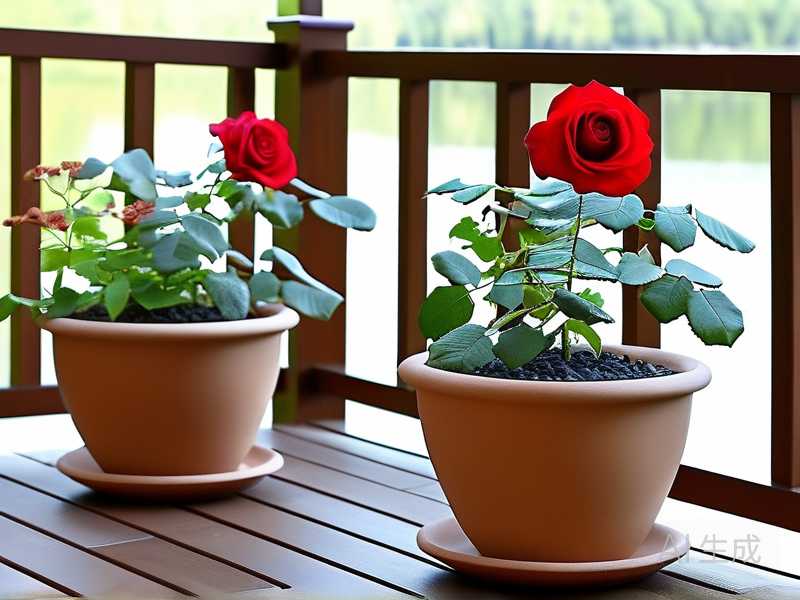
My first balcony roses were in a beautiful ceramic pot. No drainage hole. I thought I was being clever by adding a layer of pebbles at the bottom. That does not work. Water still pools at the bottom. The roots sit in that pool. They rot. Then fertilizer makes it worse because the salts concentrate in that trapped water.
I switched to plastic pots with multiple drainage holes. Plastic is not pretty, I know. But it works. It does not absorb moisture from the soil like terracotta does. Terracotta is porous. It wicks water away from the roots and creates a dry ring at the edge of the pot. The roots avoid that dry zone. Then they crowd into the center where the salts accumulate. That is a recipe for burn.
Use a pot that is slightly bigger than the root ball. Maybe two inches wider. A pot that is too large holds too much wet soil. The roots can not drink it all. The soil stays wet. The salts build up. If you are not sure, go smaller. Roses grow fine in snug pots. I repot mine every two years in early spring. I use fresh potting mix. I make sure the drainage holes are clear. That has made a massive difference.
The Two-Week Flush Routine That Saved My Roses
Let me share exactly what I do every two weeks during the growing season. This is my flush routine. It removes the built-up salts before they reach toxic levels.
I take the pot to the sink or the bathtub. I run lukewarm water through the soil for about five minutes. I use a gentle stream, not a blast. The point is to push water through the soil and out the bottom. I let it drain completely. Then I wait an hour. Then I feed the plant, but at half the recommended dose. I learned this from a rose society member. He told me that the flush cleans the soil. The half-dose feed gives the plant what it needs without adding too much salt. This routine has completely changed my balcony rose game.
I have been doing this for about one year now. I started in May. By late June, I noticed the leaves were a deeper green. The tips were not browning anymore. The new canes were thicker. The flowers were bigger and lasted longer. I continued through July and August. My roses bloomed in waves instead of just one big flush. The plants looked healthy even during the hottest weeks. I was stunned. I used to lose all my blooms by mid-July. Now they kept going until October. That is the power of avoiding fertilizer burn.
One thing I want to emphasize is the symptom timeline. If you overfeed, you will not see damage immediately. It takes about ten days to two weeks for the salts to build up enough to show. So you might think you are doing fine. Then suddenly, the leaf edges turn brown. That is why the two-week flush works. It clears the salts before they reach that critical level. Do not wait for symptoms. Be proactive.
I also started using a liquid fertilizer instead of granules. Liquid feeds are easier to control. I dissolve it in a watering can. I use a quarter of the recommended dose. I feed once a week during active growth. That gives a steady, low level of nutrients. No spikes. Granules are convenient, but they release unevenly. Sometimes they dump too much at once. That is what burned my first roses.
Three Critical Mistakes Every Beginner Makes
Let me lay this out clearly. If you avoid these three, you will be ahead of 90% of balcon people.
Mistake One: Watering Too Much
The soil is always wet. You water every day because the top looks dry. But the bottom is soaked. The roots suffocate. Then they are vulnerable to salt damage. Fix: Stick your finger in the soil. Water only when the top two inches are dry. And always water thoroughly, not a little bit every day.
Mistake Two: Getting the Light Wrong
You put the rose in a shaded corner. Or maybe you put it in direct sun during a heatwave without acclimating it. Either way, the plant is stressed. A stressed plant can not process fertilizer. Fix: Give roses at least six hours of direct sun. If you live in a hot climate, morning sun is best. Afternoon sun is harsh. And if you move a rose from shade to sun, do it gradually over a week.
Mistake Three: Using the Wrong Pot
No drainage holes. Or a pot that is too large. Or using garden soil instead of potting mix. Garden soil compacts in containers. It holds too much water. The roots burn. Fix: Use a pot with drainage holes. Use a high-quality potting mix with perlite or bark for aeration. Make sure the pot is just a bit larger than the root ball. I killed my second rose because I put it in a massive container with garden soil. The bottom turned into a swamp. The fertilizer pooled in that swamp. Root death was inevitable.
What the Experts Say
I have read a lot about this. The AHS has some solid advice on growing roses in containers. They mention that fertilizing a dry plant is a classic mistake. They recommend watering first and then feeding. They also suggest reducing fertilizer in autumn. I do that. From September onwards, I stop feeding. The plant starts to slow down. I let it harden off for winter. That has prevented winter kill in my area.
The RHS also publishes detailed guidance on container roses. They pointed out that roses in pots lose nutrients faster because the soil volume is small. So you need to feed regularly. But because the soil volume is small, salts build up faster too. That is why flushing is so important. I actually read that article after I started my flush routine. I felt validated.
I want to share one more personal story. Last year, I bought a new rose. It was a beautiful 'Gertrude Jekyll'. Gorgeous fragrance. I planted it in a fresh mix. I was so careful. I watered correctly. I gave it half-dose liquid feed. But I forgot to flush. For six weeks. The leaves started yellowing. I thought it was a nutrient deficiency. So I fed it more. Big mistake. The yellowing got worse. The edges browned. I finally flushed the pot thoroughly. I used a lot of water. The next week, the plant started to recover. New green shoots appeared. The lesson? Even a careful routine can fail if you skip the flush. The salts sneak up on you.
A Step-by-Step Feeding Schedule That Works
Let me give you a simple calendar. This works for my balcony in a temperate climate. Adjust for your zone.
In early spring, when the first leaves appear, I do not feed yet. I just water. The plant is waking up. The soil has fresh nutrients from repotting. Two weeks later, I start feeding. I use a balanced liquid fertilizer at half strength. I feed once a week. I flush once every two weeks.
In summer, during peak bloom, I keep the same schedule. But if the heat spikes above 30°C, I skip the feeding. The plant goes into survival mode. It does not need food. It needs water and shade. I move the pot to a spot with afternoon shade during heatwaves. That has prevented a lot of stress.
In late summer, I reduce feeding to every other week. The plant is slowing down. Then in autumn, I stop completely. I do one final flush to clear all the salts before winter. I let the soil dry out more between waterings. The rose goes dormant.
I have had people ask me if organic fertilizer is safer. I have used compost tea and worm castings. They are gentler. But they can still burn if you use too much. The salt principle still applies. The flush routine still works. So I treat all fertilizers with the same respect. Half dose. Water first. Flush regularly.
What If It Is Too Late? How to Save a Burned Rose
If you see browning leaves, do not panic. First, stop feeding. Immediately. Then flush the pot with a lot of water. I mean a lot. Run water through for at least ten minutes. Let it drain. Flush again the next day. This washes out the excess salts.
Wait a week. See what happens. The brown tips will not turn green. Those leaves will eventually drop. That is normal. Look at the new growth. If the new leaves are green and healthy, your rose will recover. If the new growth is also browning, flush again. And consider repotting in fresh soil. I have had to do that once. The old soil was so salty it felt crunchy. I washed the roots gently under lukewarm water. I trimmed the mushy brown roots. I potted in fresh mix. The rose came back. It took about a month, but it survived.
But here is the honest truth. Some plants do not recover. The root damage can be too severe. If the stem is shriveled and the plant has no new growth after a month, it might be done. I lost my third rose that way. I watered, I flushed, I repotted. Nothing helped. The roots were completely dead. I had to start over. That was my wake-up call.
Frequently Asked Questions
How often should I fertilize balcony roses? During the active growing season, from spring to midsummer, I feed once a week at half strength. In late summer, I cut it to every other week. In autumn, I stop. This prevents salt buildup while still supplying nutrients. Remember to flush with clean water every two weeks to reset the soil.
Can I use coffee grounds or eggshells as fertilizer? I have tried both. Coffee grounds are not a complete fertilizer. They add nitrogen slowly, but they also increase soil acidity. Roses like slightly acidic soil, but too much is bad. Eggshells take years to break down. They do nothing for a potted rose in the short term, and they can attract pests if not dried well. I stick to balanced liquid fertilizer. It is easier to control and much easier to prevent burn.
What is the best way to water a balcony rose to avoid burn? Water deeply and thoroughly. Do not sprinkle a little bit daily. I water twice, with a ten-minute break in between, until water runs out of the drainage holes. Then I wait until the top two inches of soil are dry before watering again. I also use a saucer but I empty it after watering. I never let the pot sit in standing water. That is a guaranteed way to concentrate salts around the roots.
One Last Thought
I have been growing roses on my balcony for five years now. I have lost count of the pots I have killed. But I have also had many triumphs. The roses that survive are the ones I treat with restraint. Less fertilizer. Less water. More attention. More patience.
If you take nothing else from this, remember this simple sentence. Fertilizer is not food. It is a supplement. And too much of a good thing can kill. Water your rose well. Let the soil breathe. Give it sunlight. Feed it gently. Flush the salt away. Your roses will thank you with months of beautiful blooms. I promise you, it works. It took me three dead plants to figure that out. I hope you do not have to go through the same loss.