bluename
I killed my first Balcony Rose in late October. I watered it every single day because the heating was on inside and the balcony felt dry. By December, the roots were mush. That was the year I learned that overwintering balcony roses is less about keeping them warm and more about keeping them dry and dormant.
Here is the short answer for how to overwinter balcony roses on outdoor balconies: stop fertilizing by early September, gradually reduce watering from October, never let the pot sit in a saucer of water, move the pot against the south-facing wall of your apartment, wrap the pot in bubble wrap and burlap, prune only after the first hard frost, and do not bring the rose indoors. Then wait for spring.
Why Your Balcony Rose Dies in Winter (It's Not the Cold)
Everyone blames the freezing temperatures. I used to, too. Then I checked the RHS advice on container roses. The RHS clearly states that most winter deaths in potted plants come from waterlogged roots, not frost. The cold air is actually the signal that tells the rose to go dormant. It needs that chill.
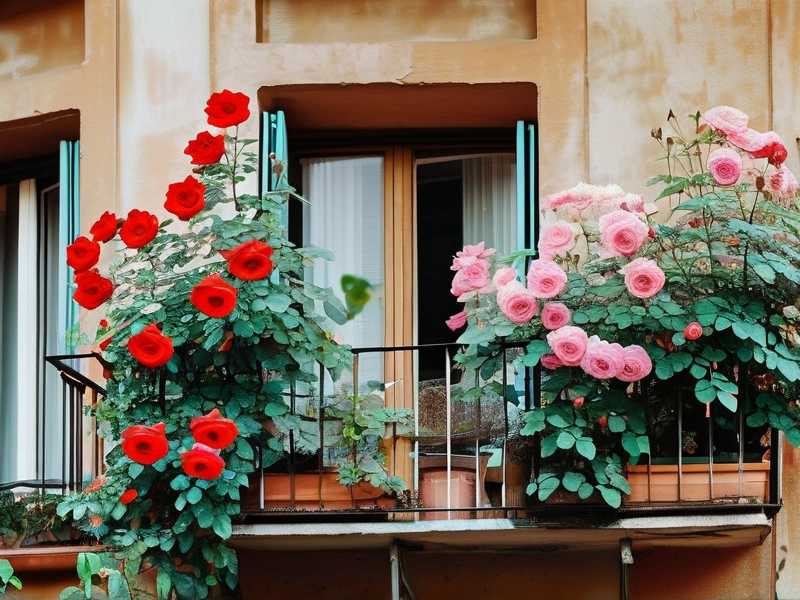
Modern hybrid roses are hardy down to zone 5 or 6. Your balcony in the city is usually two zones warmer than the ground garden. So the real problem is your watering habit, not the thermometer.
The 3 Deadly Mistakes That Kill Balcony Roses in Winter
Mistake #1: Overwatering (The Silent Killer)
90% of indoor plants die from overwatering. For balcony roses in winter, I'd say it's 95%. The rose is asleep. It doesn't drink. The roots are sitting in cold, soggy soil that has no oxygen. Then rot sets in.
I watched a friend's rose die this way. She kept the same watering schedule from summer. Every Sunday, one big watering can. By January, the canes were black at the base. I broke the root ball open and it smelled like a swamp.
The fix: In winter, water once every 3 to 4 weeks. Only water if the top 3 inches of soil are completely dry AND the temperature is above freezing. On freezing days, do not water at all. The ice crystals will tear the roots.
Mistake #2: Wrong Light Placement
You might think the sun is always good. Not in winter. A south-facing balcony gets intense winter sun that warms the pot during the day. Then the temperature crashes at night. This freeze-thaw cycle wrecks the roots. The pot expands and contracts. Small cracks form in the container. Roots get sheared.
The fix: Move the pot to a north or east-facing wall in December. Or push it into the darkest corner of the balcony. The goal is to keep the root temperature as stable as possible. I used to keep my roses in full sun all winter. They all died. Now they sit in the shade and they look sad but alive.
Mistake #3: Using the Wrong Pot Material
Terracotta is beautiful. It's also porous, which is great in summer. In winter, that porosity holds water. Then it freezes. The pot cracks. I have a cracked terracotta pot in my storage that I'll never use again. It split right down the middle after the first hard frost.
The fix: Use plastic or resin pots for overwintering. They flex with the ice. If you love terracotta, line the inside with a plastic nursery pot and stuff the gap with straw or shredded paper. The extra layer of insulation also protects the roots.
My Full Step-by-Step Routine for Overwintering Balcony Roses
Step 1: Stop Feeding (Late August to Early September)
I set a reminder on my phone for August 25th. That's when I stop all liquid fertilizer. Roses need to harden off their new growth before winter. If you keep feeding, the plant pushes out soft green shoots that will die at the first frost. Those dead shoots then invite fungal disease.
Step 2: Gradual Water Reduction (October)
Here's the part that took me three winters to get right. You don't just stop watering. You taper it off. In October, I water half as often as September. Then in November, water only once, right after the first frost. Then nothing until February.
Step 3: The Deep Clean (Mid-November)
I remove every fallen leaf from the pot and the balcony floor. Any leaf with black spot or rust goes straight into the trash bag. I spray the canes with a dormant oil spray. This suffocates any overwintering aphid eggs. The AHS recommends this step for reducing spring pest pressure.
Step 4: The Pot Wrapping (After First Frost)
This is the moment most people mess up. They wrap the canes. But the canes are fine. It's the roots that need protection. The roots of a potted rose are exposed to cold air from all sides. In the ground, the earth insulates them.
Here is what I do:
- Wrap the pot in two layers of bubble wrap.
- Wrap that in a piece of burlap or an old wool blanket.
- Tape it all in place with duct tape.
- Place the wrapped pot inside a larger decorative planter. The gap between the pots acts as extra insulation.
- Put a plastic bag or cardboard over the top of the soil. Clip it around the canes. This stops rain and snow from soaking into the root ball. The roots stay dry but the canes still get air.
I kept a temperature logger in the pot last winter. On a night when the air dropped to -12°C, the soil only dropped to -4°C. That's a full 8°C of protection from just wrapping.
Step 5: Elevate the Pot
I never place pots directly on the concrete balcony floor. The concrete is a giant cold sink. It pulls warmth out of the pot bottom. I set the wrapped pot on two wooden planks or a couple of old bricks. This creates an air gap. Cold air falls below the pot instead of leeching through the bottom.
Step 6: Prune After the Hard Freeze, Not Before
This is my biggest correction after trial and error. For years, I pruned in November as part of the general fall cleanup. That was a disaster. It stimulated the plant to push out new shoots, which then froze and gave the plant an infection.
Now I wait. When the first real hard frost hits (colder than -5°C), the rose is fully dormant. That's when I prune. I cut back to about one-third of the height. I remove any thin or crossing canes that could rub and create wounds. Then I spray the cut ends with a bit of white glue or pruning sealer.
Step 7: Light Weekly Checks
Every Saturday, even in January, I take a peek. I check the canes for signs of mold or drying out. If the canes look shriveled and wrinkled, the rose is dehydrating. That means you need a small sip of water, just 200ml, at the base. If they get moldy, the pot is too wet and you need to move it somewhere with better air circulation.
What Actually Happens During Those 2 Weeks of Observation
Let me walk you through my first successful overwintering with the wrapping method. I did the full wrap on November 20th. Then I tracked everything for 14 days.
Day 1-3: Nothing visibly changes. The canes stay bare and dark. I keep checking the soil moisture with my finger. It's damp but not wet. That's perfect.
Day 4-5: I noticed condensation on the inside of the plastic bag covering the soil. That scared me. I thought it meant rot. But it's actually a good sign. It means the soil is releasing tiny amounts of moisture and the bag is catching it. I opened the bag for one hour to let it air out, then sealed it back up.
Day 6-7: This is where I had my first scare. The temperature spiked for one warm afternoon. The balcony hit 8°C. I saw a tiny green tip on one of the lower buds. I thought the plant was waking up. I nearly watered it. But I stopped myself. This kind of warm day in early winter is normal. The plant will go back to sleep when the cold returns. Don't touch it.
Day 8-10: The temp dropped again to -6°C at night. The rose canes looked perfectly fine. The bubble wrap kept the pot surface warm to the touch. I checked the wood planks underneath and they were dry. No water pooling anywhere.
Day 11-12: Another warm spell. This time I saw absolutely no new growth. The plant had settled into deep dormancy. This is exactly what I want. The rose is sleeping hard and saving its energy for spring.
Day 13-14: I took the wrapping off for ten minutes. The canes had a healthy, glossy look. The bark was not shriveled. The potting soil was still slightly moist at the top. I sealed it back up and went away for Christmas. This rose survived the whole winter and bloomed in late May.
What If You Have an Unheated Glass Balcony?
This is a special case. I have a friend with a glassed-in balcony. The temperature inside is about 2-3°C on freezing nights. That's actually warmer than an open balcony. But it also traps moisture from rain that sneaks in through cracks.
My advice is different here. You don't need as much wrapping. But you still need to stop watering. The humidity inside the glass can cause fungal issues. I leave the glass slightly open on mild days, just 5cm, to allow airflow. The rose stays happier. I skip the bubble wrap entirely. The glass is enough insulation for zone 6 and warmer.
How to Handle Extreme Cold Spells (Below -15°C)
City balconies at high floors face wind chill. That can rip warmth away fast. If you know a severe cold snap is coming, act fast.
- Wrap an extra layer of moving blankets on top of the existing wrap.
- Add a layer of plastic sheeting on the outside. This blocks wind and rain.
- Consider bringing the pot into the apartment for only 48 hours, but place it in the coldest room like a garage or stairwell. Don't put it in the heated living room. The sudden change in temperature is worse than the cold.
I've done the garage trick a few times. It works. But you must bring it back out after 48 hours. Otherwise, the rose thinks winter is over and wakes up prematurely.
Common Questions People Ask Me
Can I use a heat mat to keep the roots warm?
No. I tried this once and it ruined the rose. The heat mat kept the roots at 15°C while the air outside was -5°C. That mismatch confused the plant. It started growing, then the cold killed the new roots. The rose died by February. Don't add heat. Let it sleep.
Should I cut all the leaves off before winter?
The leaves will fall off naturally. But if your rose is in a very mild winter zone and never drops its leaves, you should remove them by hand in November. I strip them manually. This prevents fungal spores from overwintering on the foliage. It also signals the plant to release the leaves and go dormant.
When do I unwrap the pot in spring?
I unwrap in stages. First, I take off the plastic bag from the soil in early March. Then I remove the burlap and bubble wrap in late March. But I keep the pot elevated on the wooden planks until mid-April. The ground is still cold, and the air gap protects the roots. Wait until the night temperature stays above 5°C before you even think about watering with fertilizer again.
Final thoughts from a guy who lost 5 roses
I know it feels like a lot of work. I used to think, "Just cut it down and pray." That approach killed 5 of my roses over the years. Then I realized it's all about the roots. The canes can handle frost. The roots are the weak link.
Remember: dry, dark, stable temperature. That's the secret. Don't let the rain seep in. Don't let the soil stay wet. Don't bring it inside. The rose is a tough old plant. It wants to sleep outside. Give it that gift, and it will repay you with a hundred blooms in late spring.
I check my roses one last time before I go to bed tonight. They look rough, all brown and bare. But I know they're alive. I'll see them come back in March. And that moment is never boring.