bluename
Balcony roses are scorching under that afternoon sun, and you’re watching the leaves turn crispy brown. I get it. I lost three bushes before I figured out the fix. The short answer is this: block the harsh rays between 11 a.m. and 4 p.m. with a shade cloth, move pots away from reflective walls, and water only at the base in the early morning. That’s it. Let me walk you through exactly how I did it, step by step, with the mistakes I made along the way.
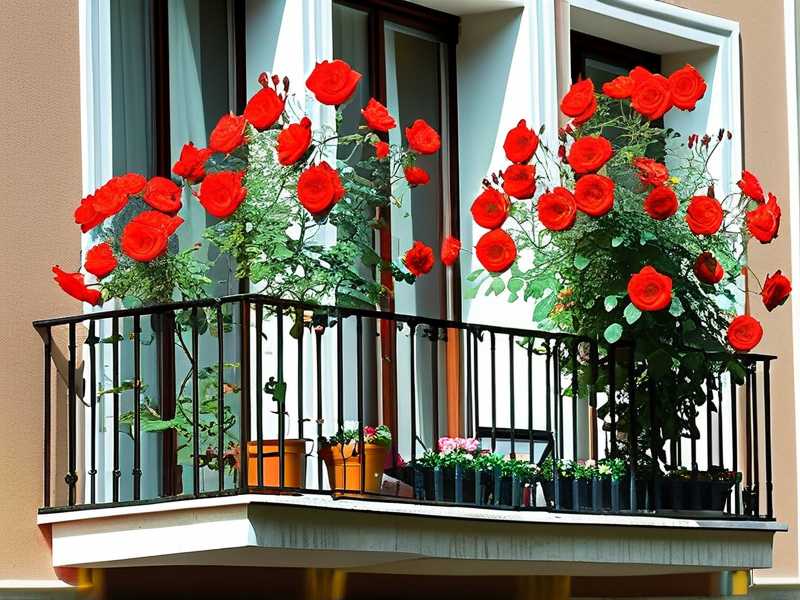
I’ve been growing roses on my south-facing balcony for six years now. It’s a brutal spot. Full sun from 9 a.m. until sunset, with concrete bouncing heat right back at the pots. My first summer was a disaster. The leaves looked bleached. The blooms lasted a day then dropped. I panicked and watered more, which only made things worse. 90% of indoor plants die from overwatering, but balcony plants drown just as fast when you misread their stress signals.
The Three Biggest Mistakes Beginners Make
Before I give you my routine, let’s clear the air. These are the errors that killed my first few roses.
Mistake #1: Watering Too Much
I thought scorched leaves meant dry roots. So I doubled the water. Bad call. The roots sat in soggy soil, suffocated, and rot set in. Roses want consistent moisture, not a swamp. Stick your finger two inches into the soil. If it’s damp, walk away. If it’s dry, water slowly at the base. Never spray the leaves in direct sun. Water droplets act like tiny magnifying glasses and burn holes in the foliage.
Mistake #2: Getting The Light Position Wrong
I assumed roses loved all the sun they could get. True, they need six hours. But my balcony gives them ten, all of it intense afternoon glare. Roses aren’t desert cacti. They need a break. I learned to give them morning sun and afternoon shade. That’s the sweet spot.
Mistake #3: Using The Wrong Pot
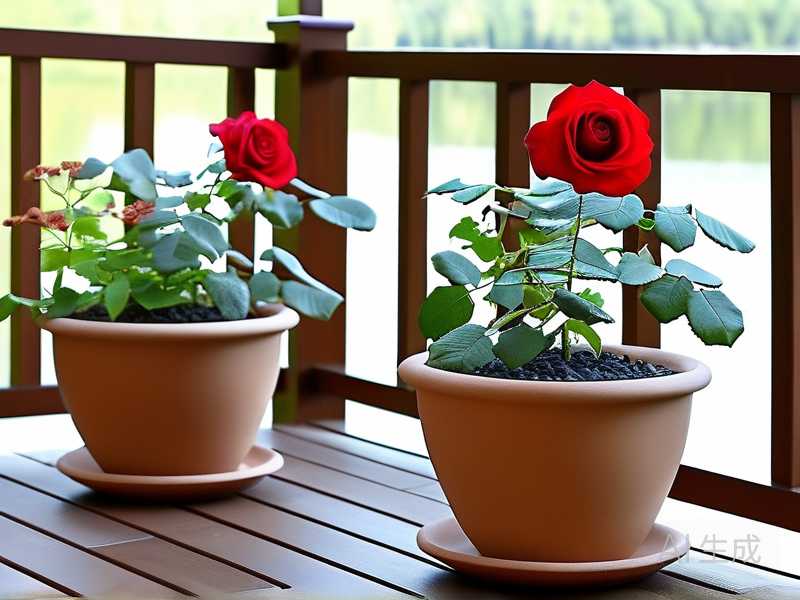
My first roses were in dark, thin plastic pots. Those things absorb heat like a black car in July. The soil temperature hit 100°F easily. Roots cooked. I switched to light-colored ceramic pots with thick walls, and the difference was night and day.
My Two-Week Fix: What I Actually Did
I’m not a scientist. I just trial-and-error things until they work. Here’s my exact process, day by day, for the past two weeks. It fixed my yellowing leaves and gave me blooms that last four days each.
Day 1: I Bought A Shade Cloth
Simple truth: you cannot move the sun. But you can filter it. I ordered a 50% shade cloth, the kind that lets half the light through. I hung it horizontally, about a foot above the rose canes, using small hooks on the balcony railing and wall. This softens the midday blast without making the spot gloomy. The leaves stopped curling within two days.
Day 2: I Moved The Pots Off The Wall
My balcony wall is white plaster. It reflects heat straight onto the plants. I pulled the pots a foot away from the wall. This simple move dropped the ambient temperature around the leaves by several degrees. You can feel the difference with your hand. Trust me.
Day 3: I Switched To Morning Watering
I used to water at sunset. But that left the soil wet overnight, inviting fungus. Now I wake up and water at sunrise. The water soaks in, the roses drink during the cool morning, and by afternoon the excess has drained away. Also, I always pour at the base, never over the foliage.
Day 4 to Day 7: I Mulched The Soil Surface
I put a one-inch layer of small pebbles on top of the soil. Why? It keeps the sun off the roots and slows evaporation. The soil stays cooler and more even. The results were visible by day five. New growth started coming in green, not washed out.
Day 8: I Pruned The Damaged Leaves
I cut off all the burnt, crispy leaves. It hurt. But the plant was wasting energy on dead tissue. Once I cleared it out, the plant put energy into new shoots. By day ten, I saw fresh, dark green foliage pushing out.
Day 9 to Day 14: I Started Feeding Lightly
Once the heat stress eased, I gave them a half-strength liquid rose feed. Not too much, just enough to support the new growth. By day twelve, buds formed. By day fourteen, two roses opened, and they held their shape for four full days. That’s a record on my balcony.
Additional Tricks I Picked Up
The shade cloth handles 70% of the problem. Here’s the rest.
Use A Second Pot Inside The Pot
I double-pot my roses. The inner pot has drainage holes. The outer pot is decorative. I fill the gap between them with damp sphagnum moss. This creates a cooling effect, like an evaporative cooler for the roots. It brings the root zone temperature down, which is critical during heatwaves.
Group The Pots Together
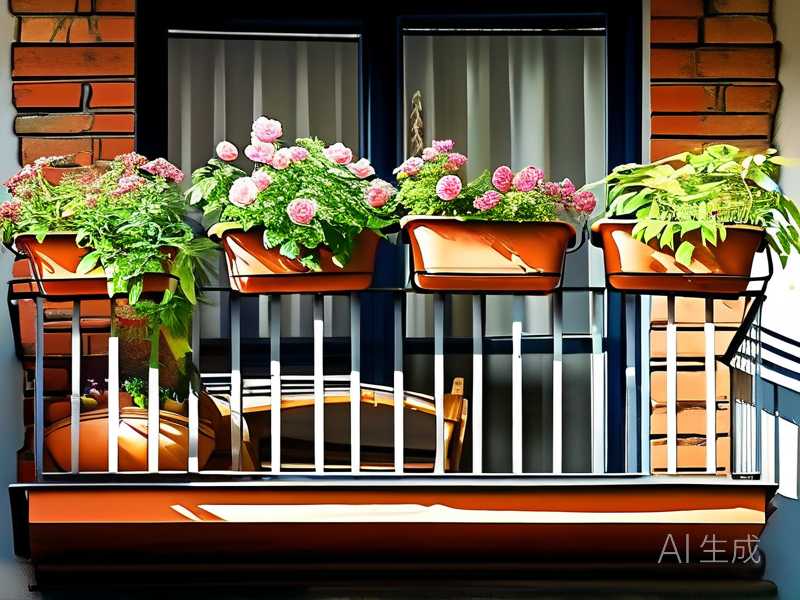
Roses hate lonely, exposed root balls. I cluster three pots side by side. The leaves shade each other’s lower stems, and the crowded arrangement creates a humid microclimate. It sounds odd, but it works.
Pick Heat-Tolerant Varieties
If you live anywhere with brutal summers, don’t buy just any rose. I’ve had great luck with the Knock Out series and the Flower Carpet series. They shrug off sun like it’s nothing. The RHS actually lists several varieties as “sun-resistant” in their planting guides. I checked their database last spring, and it saved me a ton of grief.
Water With Cool, Not Cold, Water
I fill my watering can the night before. By morning, it’s room temperature. Ice-cold tap water shocks the roots. That shock makes the plant drop leaves faster than any heatwave. Simple tip, but it makes a difference.
What The Experts Say
I look at research too, not just my own trials. The AHS has a great resource on managing heat stress in ornamental plants. They emphasize that consistent soil moisture is more important than wet-dry cycles during peak summer. I second that. My roses showed immediate improvement when I stopped letting the soil go bone dry between waterings.
The key is not to over-correct. I killed my fourth rose by overwatering in a panic. Don’t be me. Check the soil with your finger, not your anxiety.
My Exact Daily Routine
For clarity, here’s what a typical morning looks like now.
- Wake up at 6:30 a.m. Check the weather forecast on my phone.
- Fill the watering can from the dehumidifier (free distilled water).
- Water each pot slowly at the base until I see water run out the bottom.
- Mist the moss between the pots, if I have it.
- At 10:30 a.m., I pull the shade cloth over the top assembly. It clips on in seconds.
- At 5 p.m., I unclip the shade cloth so they get the softer evening light.
That’s it. Ten minutes a day. No drama.
Common Problems And How I Fixed Them
Problem: Leaves Still Turning Yellow After Shading
That’s usually a water issue, not a sun issue. Lift the pot. If it’s heavy, the soil is wet. Wait two days before watering. If it’s light and the top inch feels dry, water thoroughly. I learned to lift pots from my neighbor, who grows prize-winning roses on her east-facing balcony.
Problem: Black Spots On Leaves
That’s black spot fungus, which thrives in hot, humid, stagnant air. I had it once when I watered at night. I removed the infected leaves and stopped watering in the evening. The new leaves came in clean. Also, I made sure there was airflow between the pots. Cramming them together helps with humidity, but it can trap still air. So I rotate the pots weekly to get even airflow.
Problem: Buds Dry Out Before Opening
This happened right when I was watering too much. The roots were damaged, so the plant couldn’t take up water, even though the soil was wet. I repotted the rose into fresh, well-draining mix with perlite. Recovery took about a week. Now I stick to the finger test and don’t deviate.
FAQ
How can I protect balcony roses from strong midday sun without a shade cloth?
Move the pot to the shadow of a taller plant, like a dwarf citrus tree or a large fern. Place it behind a balcony rail that double as a screen. Or hang a light cotton sheet on a rope. Honestly, the sheet works in a pinch. Just flip it over the railing and clip it with clothespins.
At what temperature do roses get leaf burn?
Typically above 95°F (35°C), especially with strong, direct UV radiation and low humidity. At those temps, the leaves can’t cool themselves fast enough. My rule? When the balcony heat index hits that mark, the shade cloth stays down all day, not just at noon.
Can you grow roses successfully on a west-facing balcony?
Yes, but it’s hard mode. West balconies get the harshest afternoon sun. I’d say you need a 60% shade cloth and a thick pot. Start with floribundas or shrub roses, which tolerate more stress than hybrid teas. I personally gave up hybrid teas on my South exposure. Too fussy.
Final Thoughts
Look, I’m not a professional horticulturist. I’m just a guy who killed a few bushes and learned from it. The fastest way to fix this issue is to stop the water, fix the pot, and block the sun. My two-week observation shows that roses rebound fast if you give them shade and stable moisture. Don’t overthink it. My roses looked horrible on day one. Now they’re pushing out new buds. Yours will too.
Go clip on that cloth and water them in the morning. You’ll see a difference within days.