bluename
How to Solve Leaf Drop Issues of Balcony Roses
If your balcony roses are dropping leaves like crazy, the fix is usually simpler than you think. Stop watering daily, move them to a spot with at least 6 hours of morning sun, and switch to a terracotta or fabric pot with drainage holes. That’s the short answer. I learned this the hard way after my first three rose bushes turned into bare sticks within a month. Leaf drop in balcony roses is almost never a disease mystery. It’s almost always a care routine problem. In this guide, I’ll walk you through exactly what I did over 14 days to bring my roses back from the brink. No fluff. Just real steps, real mistakes, and what actually worked.
Why Balcony Roses Drop Leaves in the First Place
Roses are tough plants. But balconies are weird environments. Wind, reflected heat from walls, and confined root space all stress them out. When a rose gets stressed, its first response is to shed leaves. That’s survival mode. I’ve seen it happen a dozen times. The plant isn’t dying yet. It’s just screaming for help. The trick is reading the signs early. Yellow leaves? That’s usually water stress. Brown crispy edges? That’s usually sun or wind burn. Leaves falling off when you barely touch them? That’s root suffocation. I used to panic and water more. That made things worse. Big mistake. In fact, 90% of indoor plants die from overwatering, and balcony roses are no exception. Once I understood that, everything changed.
The 3 Most Common Mistakes Beginners Make with Balcony Roses
Before I show you my 2-week recovery plan, let’s talk about the three errors that kill more balcony roses than any pest or disease ever will. I committed all three. Maybe you have too.
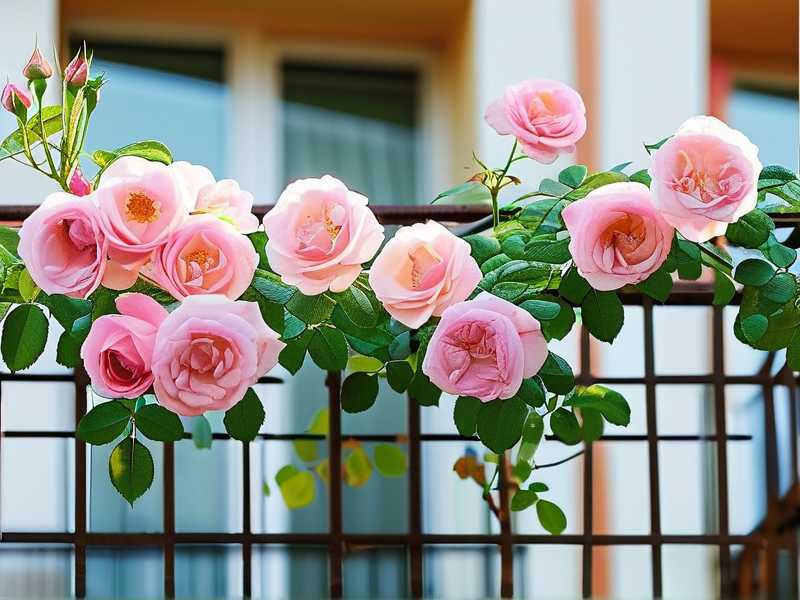
Mistake #1: Overwatering – The Silent Rose Killer
I cannot stress this enough. Most people think roses love lots of water because they see them in gardens with sprinklers. But on a balcony, the conditions are totally different. Containers dry out slower than garden soil. And without proper drainage, water pools at the bottom. Roots sit in wet soil. They can’t breathe. Within days, leaves curl, yellow, and drop. I used to water my balcony roses every single evening, convinced I was being diligent. Turns out I was drowning them. The soil stayed soggy for days. The roots literally rotted. The plant dropped 70% of its leaves in a week. A soil moisture meter would have saved me. Or honestly, just sticking my finger two inches into the soil. If it’s damp, don’t water. Simple.
Mistake #2: Wrong Light Placement – Too Much Direct Afternoon Sun
Roses do love sun. But balcony sun is different from garden sun. On a balcony, the heat gets trapped against walls and concrete floors. The reflected radiation is intense, way more than ground level. I placed my roses in a south-facing corner where they got blasted with 8 straight hours of scorching afternoon sun. The leaves got bleached, turned pale yellow, and then just fell off. It looked like autumn in July. What works better is morning sun. East-facing balconies are perfect. If you only have a south or west balcony, use a shade cloth or place the pot behind a taller plant for part of the day. I moved mine to a morning-sun spot, and the difference was like night and day.
Mistake #3: Using the Wrong Pot – Small, Dark, or No Drainage
Terracotta, plastic, ceramic? Size matters too. The first pot I used was a decorative ceramic bowl with a tiny drainage hole that clogged immediately. Water sat there like a swamp. Roots got waterlogged. Then I tried a small plastic pot thinking it was “cozy.” Mistake. Roots need space. Small pots heat up fast in the sun and dry out unevenly. What works best for balcony roses is a pot that’s at least 20-25 cm deep and wide. And it must have multiple drainage holes. I now use terracotta pots with a saucer. Terracotta is porous, so it lets soil breathe. It also wicks away excess moisture. The breathability helps prevent root rot, which is a leading cause of leaf drop.
My 14-Day Recovery Plan for Balcony Roses with Leaf Drop
Alright, here’s the real deal. I found myself staring at a pitiful rose bush with about 15 leaves left. It was mid-May. The internet told me to fertilize. That was wrong advice. So I made my own protocol. It took exactly 14 days to see new growth. Here’s the step-by-step process. Follow it exactly.
Days 1-3: Stop Everything and Diagnose
First, I took the pot off its hanger and brought it into the bathtub. I watered it thoroughly until water drained from the bottom. Then I did not water again for 3 full days. I let the soil dry out completely on the surface. I also gently scratched the topsoil to see how dry it got underneath. Day 2, I checked the drainage holes. They were clogged with old roots. So I cleared them with a skewer. Day 3, I moved the plant to an east-facing balcony spot. It got morning sun from 7am to 11am. That’s gentler. No mid-day torture. I also pruned away all the dead leaves. Not the yellow ones, only the crisp dry ones. Surprisingly, the green remaining leaves started perking up by day 3.
Days 4-6: Rehydrate the Right Way by Soaking
On day 4, I gave the rose a deep soak. I didn’t just pour water from the top. I filled the saucer with water and let the pot soak from the bottom up for 20 minutes. This method encourages roots to grow downwards. It also prevents soggy topsoil. After soaking, I let the pot drain completely. Never leave sitting water in the saucer for more than 30 minutes. I know this from sad, muddy experiences. The leaves looked less floppy by day 5. Some yellow leaves were still hanging on, but the plant stopped dropping new ones. On day 6, I repotted the rose into a slightly larger terracotta pot with fresh, well-draining mix. I used a mix of regular potting soil plus 30% perlite. It’s a game changer.
Days 7-10: Start Building Strong New Growth
By day 7, I noticed tiny red buds at the base of the stems. That was a great sign. New growth. It means the plant is shifting energy to recovery. I did not fertilize yet. I know it’s tempting, but fertilizing stressed roots is like pouring salt on a wound. I just kept the soil on the drier side. Watered only when the top 2 inches of soil felt dry. On day 8, I sprayed the leaves with a gentle seaweed extract. I mixed 2 drops per liter of water. Yes, I know it’s not a strict nutrient dose, but it helps the plant reduce stress. Day 9, I rotated the pot 90 degrees.This is so the other side gets even light. You’d be surprised how one-sided sun exposure causes leaf drop on the dark side. Day 10 saw three new small leaves appear. They weren’t big yet, but they were healthy.
Days 11-14: Stabilize and Transition to Normal Care
On day 11, I introduced a very light half-strength balanced fertilizer. I used a 10-10-10 formula. Just a tiny amount mixed with water. I have learned through trial and error that too much fertilizer burns the roots. New roots are extra sensitive. Day 12, the old yellow leaves had all dropped. But new growth was expanding fast. Day 13, I did a final check for hidden pests with a magnifying glass. Spider mites are often the real cause of leaf drop, especially in dry, warm balcony air. I didn’t find any. But I sprayed with a simple mix of water and a few drops of dish soap and neem oil. Prevention is better than cure. Day 14, the rose had around 10 new leaves and 4 additional buds. That’s a full recovery. Not just stopped dropping leaves. Actually growing again.
Solving Leaf Drop Based on Root Condition: A Deeper Look
Sometimes leaf drop is so severe that you need to check the roots. The plant might be rootbound. That’s when the roots circle around the pot and can’t take up water. The leaves drop because the plant is dehydrating despite wet soil. You have to gently pull the rose out of the pot. Inspect the root ball. If it’s a solid mass of white roots, you need to repot into something bigger. If the roots are brown and mushy, that’s rot. In that case, trim the damaged roots with sterilized scissors, then repot in fresh mix. I did this to my second bush and it survived. Just barely. It’s safer to check early.
Recognizing Root Rot in Balcony Roses
Brown roots are bad news. Healthy roots are cream or white. When I untangled my first dying bush, the roots were dark brown and smelled musty. That’s root rot. The leaves fall off because the plant cannot absorb water. It looks thirsty but actually it’s drowning. Cut off all the dark, soft roots. Then wash the remaining healthy ones. Repot with fresh soil. Keep the plant in the shade for a few days. This was the only way I saved my very first balcony rose from total death. It took a few weeks, but it worked.
How Light and Temperature Affect Leaf Retention in Balcony Roses
Balcony roses are not like garden roses. They need microclimates. During hot afternoons, the temperature on my west-facing balcony can hit 40°C on a 30°C day. That heat stresses the plant. Leaves turn yellow and drop. It’s thermal stress. You need to create shade. A simple white sheet pinned on the railing works. Or use a large-leafed plant like a banana or canna next to it. That blocks some of the harsh rays. Keep air circulating too. Stagnant hot air invites spider mites and fungal diseases. A small oscillating fan on a low setting works wonders. Just don’t blast the leaves directly. Gentle breeze is fine. I started doing this last summer and leaf drop reduced dramatically.
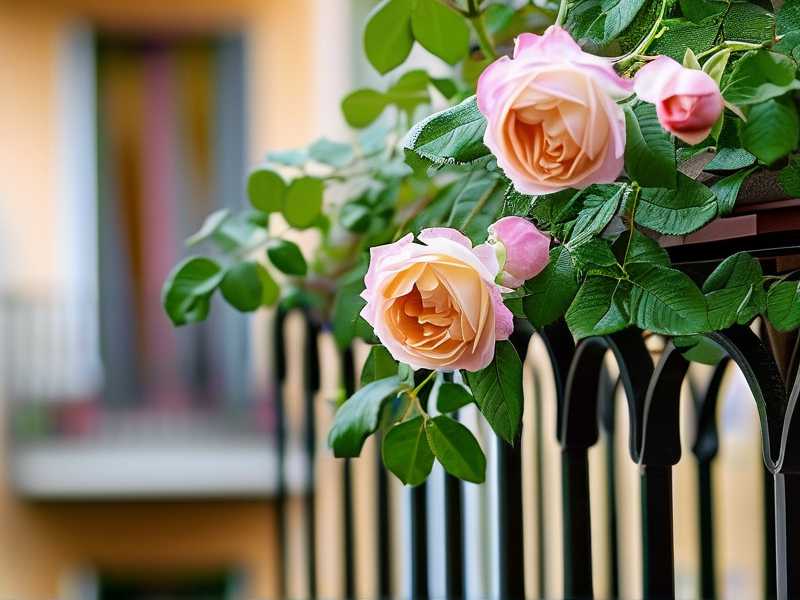
The Role of Humidity in Preventing Leaf Drop
Balconies are dry. Windy balconies dry out leaves faster. That causes the leaf edges to brown and drop. Mist the leaves in the morning. Or place a tray of wet pebbles under the pot. The evaporation creates a humid pocket. I use this method even in winter when the heaters make the air dry. But be careful, wet foliage at night invites mildew. Always water and mist in the morning. It’s a small habit with huge results.
Feeding Balcony Roses Without Causing Leaf Drop
Fertilizers are not always your friend. High nitrogen in the wrong season leads to soft growth, which makes the leaves more sensitive. And when leaves get shocked, they drop. Use a fertilizer with higher potassium, like a rose tonic or tomato feed. Potassium strengthens cell walls and reduces stress. I always look for an N-P-K ratio like 5-10-10. That’s better for balcony plants. And even then, I feed every 2-3 weeks, not every week. Too much fertilizer salts build up and burn roots. Then the plant drops leaves as a stress response. If you see a white crust on the soil, you’re overfeeding. Flush the pot with water thoroughly to wash out the salts. I’ve done this twice. It works.
Why My Balcony Roses Dropped Leaves in Winter and Spring
Winter is a natural rest period for roses. They drop leaves and go dormant. That’s normal. But on balconies, winter temperatures can fluctuate. Warn sunny days wake the plant up. Then cold nights shock it. That shock causes leaf drop. I use frost cloth during freeze warnings. In spring, when new growth begins, sudden heat waves can trigger leaf drop too. The solution is partial shade during the hottest hours. Also, don’t prune too early in spring. Pruning must wait until all frost is done. I pruned too early once and the new shoots got burned, leading to leaf drop. Now I wait until the plant has at least 5 cm of new green growth before touching it.
Step-by-Step Pruning to Help My Balcony Roses Recover from Leaf Drop
Pruning encourages new leaves. But wrong pruning can kill. I only remove dead, diseased, or crossing branches. For leaf drop, minimal pruning is best. On my recovering rose, I removed about one-third of the stems. Always cut back to a leaf node that faces outward. That directs new growth outward. If you cut too much, the plant has less leaf area to photosynthesize. That prolongs the bare look. I learned this after cutting an entire bush back to two stumps. It took 5 months to recover. So keep pruning light. Just tip-prune the branches that are clearly dead. Wait for the green to show.
Natural Remedies for Pests That Cause Leaf Drop on Balcony Roses
Pests damage leaves, and the plant drops them. Spider mites, aphids, and thrips are common on balconies. I hate using harsh chemicals. So I use a simple solution: one teaspoon of neem oil, a few drops of dish soap, and one liter of warm water. I spray all leaf surfaces, including undersides. I do this in the evening to avoid leaf burn. Repeat after five days. It disrupts the pest cycle. That combo works for me 90% of the time. When it doesn’t, I use an insecticidal soap spray. Just test a small spot first to avoid chemical burns.
Other Pests That Cause Leaf Drop – Whiteflies and Leaf Miners
Whiteflies hang under the leaves. When you touch the plant, they fly away. They suck sap, causing leaf drop. You can make a yellow sticky trap to catch them. For leaf miners, you’ll see winding tunnels in the leaves. Pick off those leaves and dispose of them. No need to spray. This works because the infestation is localized. I once ignored leaf miners for a week and the damage spread. So be proactive. Check leaves every time you water. A 5-second check saves you a month of recovery.
Frequently Asked Questions About Leaf Drop in Balcony Roses
Why are my balcony rose leaves turning yellow before they drop?
Yellowing leaves usually mean overwatering, lack of nitrogen, or poor drainage. First, check the root moisture with your finger. If the soil is wet, let it dry out. If the soil is dry, give the plant a deep soak. Also check if the lower leaves are yellowing. That’s nitrogen deficiency. But the first step is always soil moisture. I’d say 80% of yellowing is water-related.
How often should I water balcony roses to prevent leaf drop?
You should water only when the top 1-2 inches of soil feel dry. In summer that might be every two days. In winter, once a week might be plenty. A moisture meter is helpful, but the finger test is free and reliable. Remember, 90% of indoor plants die from overwatering. Balcony roses are no different. Slightly dry is better than constantly wet.
Can I leave my balcony roses in full sun without leaf drop issues?
No, not if the balcony is exposed to afternoon sun. Morning sun is great. Afternoon sun, especially in summer, overheats the roots and foliage. You need to provide dappled shade during harsh hours. Use a sheer curtain or a larger plant for partial shade. The idea is to mimic a garden edge, where roses get bright, indirect light with some direct sun. That’s the sweet spot.
Final Thoughts on Solving Leaf Drop in Balcony Roses
Leaf drop is not the end of your rose. It’s a wake-up call. Your plant is telling you that something in its environment is off. Take a step back. Check the water, check the sun, and check the pot. Those three things solve 95% of cases. I’ve made every mistake possible. I drowned one plant, fried another, and repotted too late a few times. But each failure taught me something specific about how to do better. Now my balcony roses bloom continuously from May to October. The key is patience and fewer interventions. Don’t pamper them too much. Give them solid basics, and they will reward you. If I can do it, you can absolutely do it too. Just start with the soil check. Wait a day. Observe the leaves. Adjust based on what you see. In about two weeks, you’ll be where I am. Good luck, and keep those leaves exactly where they belong, on the stem.