bluename
How to Arrange Sunlight Position for Balcony Roses: The Complete Light Guide
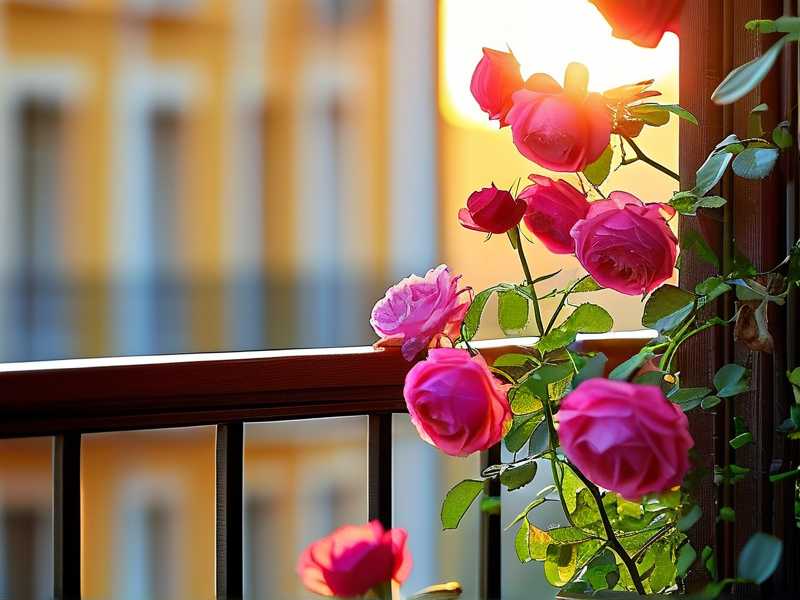
If your balcony roses are dropping leaves, refusing to bloom, or growing leggy and pale, the problem is almost certainly sunlight position. I learned this the hard way after killing three rose bushes in two years. The short answer? Balcony roses need 6 to 8 hours of direct morning sunlight , with afternoon shade in hot climates. Position your pots against a south or east-facing wall, raise them 30-50 cm off the floor, and rotate them 90 degrees every two weeks.
My Personal Journey: From Dead Roses to Blooming Balcony
I lost my first rose to complete ignorance. I placed it in the darkest corner of my balcony because I thought all plants hated harsh sun. It stretched toward the light like a zombie, turned pale yellow, and eventually gave up. My second rose? I gave it full afternoon sun in a concrete jungle where temperatures hit 40°C. The leaves scorched brown within a week. It wasn't until my third attempt that I started studying how sunlight actually moves across my balcony through the seasons.
I measured sunlight at different spots every two hours for a week. I tracked shadows, reflected heat from walls, and the angle of the sun during different months. That data changed everything. Now my balcony roses bloom from late spring through autumn, and I want to share exactly how you can do the same.
The Core Problem: Why Sunlight Position Matters More Than Water
Most people think watering kills roses. Here is a hard truth: 90% of indoor plants die from overwatering, but balcony roses usually die from light starvation or scorching. You can water perfectly and still kill a rose if it sits in the wrong light. The sun drives photosynthesis, bud formation, and disease resistance. Without correct sunlight position, your rose cannot process nutrients, cannot fight pests, and cannot bloom.
Roses are not shade plants. They are sun worshippers. But balcony gardening is different from ground planting. Balconies have walls, railings, overhangs, and reflective surfaces that change how light hits your plants. What works on a garden bed will fail on a balcony.
The 3 Fatal Mistakes That Kill Balcony Roses
Mistake 1: Watering on a Fixed Schedule
I used to water every evening because someone told me roses need daily watering. I was drowning my plants. The roots sat in soggy soil, developed root rot, and the leaves turned yellow with black spots. Fixing this requires a simple change: stick your finger two inches into the soil. If it feels dry, water. If it feels damp, wait another day. In summer, my roses need water every 2-3 days. In winter, I barely water them twice a month. The sunlight position affects how fast soil dries, so you must adjust based on exposure.
Mistake 2: Misreading Light Requirements
Here is where most balcony gardeners fail. You see "full sun" on the plant tag and dump the rose in the hottest spot. But full sun at noon in a heat-reflecting balcony is a death sentence. I killed my second rose this way. The leaves got crispy edges within days. Conversely, people with north-facing balconies assume roses need shade, so they shove the plant in the darkest corner. Both extremes fail. You need to understand the difference between direct sun, bright indirect light, and heat stress.
Mistake 3: Choosing the Wrong Pot
My first rose lived in a tiny terracotta pot with no drainage holes. Every watering turned the soil into a swamp. I eventually found the roots had circled the pot and suffocated. Balcony roses need pots at least 40 cm deep and wide, with excellent drainage. Dark plastic pots absorb heat and cook roots in full sun. Light-colored ceramic or fabric pots are better. If you use dark pots, wrap them in burlap or place them where walls do not radiate extra heat.
How to Assess Your Balcony Sunlight: A Simple 2-Week Method
Step 1: Map Your Balcony Light Zones
Take a notebook and mark your balcony into grids. Every two hours, from sunrise to sunset, record which grids receive direct sunlight, which receive bright indirect light, and which stay shaded. Do this for two weeks. You will see patterns. My balcony, for example, gets blistering morning sun on the left side but the right side remains shaded until 2 PM. This mapping took me 15 minutes per day for 14 days. It was worth every minute.
Step 2: Identify the "Goldilocks" Zone
Roses need a minimum of 4 hours of direct sun to survive, but they need 6-8 hours to thrive. However, morning sun is always better than afternoon sun. Morning light is gentler and dries dew from leaves, reducing fungal diseases. Afternoon sun, especially in summer, can be brutal. Find a spot that gets morning direct sun and afternoon filtered shade. If your entire balcony gets afternoon sun, create shade with a sheer curtain or lattice panel.
Step 3: Measure Heat Radiation
Sunlight position is not just about where the sun directly hits. Its also about reflected heat. My balcony faces a white wall that bounces intense heat onto nearby plants. I measured the air temperature near that wall at 10°C higher than the open air. Roses near that wall dropped leaves even in the "shade." Use a thermometer to check heat spots. If a location is constantly hot, even without direct sun, avoid placing roses there.
The Exact Positioning Strategy I Use Now
South-Facing Balconies: The Ideal but Tricky Setup
If your balcony faces south, you have the most light. But too much is dangerous. I position my roses about 30-40 cm away from the balcony railing, not directly against it. This creates airflow that prevents heat buildup. I also place taller plants on the western side of the rose pots to block harsh late-afternoon sun. For south-facing balconies, aim for morning sun and a shade cloth during the peak 1 PM to 4 PM window in summer.
East-Facing Balconies: The Beginner's Dream
East-facing balconies are perfect for roses. They get sunrise to midday sun, which is gentle and nourishing. I currently have three rose pots on my east-facing balcony and they bloom heavily with almost no scorching. Place roses on the eastern edge, away from west-facing walls that might absorb afternoon heat. This is the safest sunlight position for most climates.
West-Facing Balconies: The Heat Trap
West-facing balconies get intense afternoon sun. I tried roses here and failed. The heat radiating from the building in the late afternoon is too much for most rose varieties. If you only have a west-facing balcony, you have two options: choose heat-tolerant rose varieties like Knockout roses, or build a shade structure. I built a simple bamboo screen that blocks the sun from 2 PM onward. My roses nearly died before I added this shade. After adding it, they recovered within three weeks.
North-Facing Balconies: The Tough Challenge
North-facing balconies receive little to no direct sunlight. Honestly, I would not recommend standard roses here. But you can grow some shade-tolerant miniature roses if you supplement with grow lights. I tried this with a friend, and we used a full-spectrum LED grow light for 6 hours daily, angled to mimic morning sun. The roses grew slowly but survived. Expect fewer blooms, but you can still enjoy foliage.
The 2-Week Observation Plan: What I Tracked
Once I placed my roses in the new position, I started a strict 14-day observation routine. I took photos every morning at the same time. I recorded leaf color, new growth, and any signs of wilting. In the first four days, I noticed the soil drying faster than before, which was good because it prevented root rot. By day seven, I saw new basal breaks forming at the base of the plant. By day ten, tiny buds appeared. On day fourteen, I rotated the pots 90 degrees to ensure even growth.
I also tracked how the sun angle shifted over the two weeks. I discovered that my balcony got about 30 minutes less direct sun at the end of the second week. That invisible shift matters because roses are sensitive to light duration. I used a simple suncalc app to verify my observations. This data-driven approach prevents guesswork and reduces plant stress.
Common Sunlight Mistakes and How I Fixed Them
Mistake: Leaves Turning Brown and Crispy
This happened when I overexposed my roses. Crispy edges indicate sun scorch. I moved the pots slightly back from the railing and added a light shade cloth. Within days, new growth appeared. I also checked the soil moisture more frequently because scorched soil dries fast. If you see this, do not water immediately. Move the plant first, let it recover, then water deeply.
Mistake: Stems Growing Long and Lean Toward One Side
This is etiolation, caused by insufficient or uneven light. My rose leaned about 20 degrees toward the sunniest side. I rotated the pot 90 degrees every week. After two weeks, the stems straightened noticeably. If the lean is severe, prune the stretched stems and increase light exposure. I also added a reflective surface on the dark side, like a mirror or white board, to bounce light back.
Mistake: Soil Staying Wet for Days After Watering
This is a light and airflow problem. If the sun does not reach the soil surface, evaporation stops. I solved this by raising the pots on pot feet or bricks, ensuring air circulates under the pot. I also moved the roses to a sunnier spot. Within one week, the soil cycle normalized. Never let a rose sit in soggy soil for more than 48 hours. Root rot develops fast.
Seasonal Adjustments for Sunlight Position
Spring: The Growth Season
In spring, the sun angle is lower. I move my roses to the maximum light spot possible. This is the time for building strong roots and canes. I check my balcony map from last year and adjust. While it is tempting to water more in spring, resist. Water only when the top two inches of soil are dry.
Summer: The Scorching Danger
Summer heat is the biggest killer. I keep my roses in morning sun spots but shift them slightly away from the hottest afternoon light. If temperatures exceed 35°C, I add a 30% shade cloth. I also mulch the top of the soil with bark to keep roots cool. During a heatwave last year, I even moved pots to the shaded side for three days. They bounced back with no leaf drop.
Autumn: The Recovery Phase
Autumn light is similar to spring but weaker. I gradually move roses back to the sunniest spots to maximize the remaining light. I also reduce watering because evaporation slows. As daylight drops, roses start preparing for dormancy. Do not fertilize heavily in autumn, as that encourages soft growth that winter will kill.
Winter: The Dormant Period
Winter is about protecting, not growing. On my balcony, the sun is very low, and some corners get zero direct sun. I move roses to the brightest spot, but I also wrap pots in bubble wrap to protect roots from freezing. If you live in a mild climate, roses may keep some leaves. If the air is cold, do not water often. Overwatering in winter kills more roses than frost.
Tools That Helped Me Nail the Sunlight Position
Sun Tracking Apps
I use SunCalc and Photone to measure and verify sun paths. These apps are free and surprisingly accurate. I input my balcony coordinates, and the app shows me the exact sun angle for any date. This helps me predict future light changes instead of reacting to problems. Within two weeks of using the app, I identified a hidden hot spot where I previously lost plants.
Portable Light Meters
A $20 light meter from Amazon changed my approach. I placed the sensor at leaf height and took readings at multiple points. The numbers showed me which micro-zones had the right brightness for roses. I was shocked to find that areas I thought were bright were actually quite dim. This tool prevents visual guesswork.
Pot Risers and Carts
I use small wooden blocks to raise pots. This not only helps drainage but also reflects light from below. A pot dolly with wheels lets me move roses easily as the sun shifts through the day. I purchased a simple furniture dolly for $15. It saves my back and allows daily repositioning during extreme weather weeks.
Expert Support: What RHS and AHS Recommend
The Royal Horticultural Society emphasizes that roses require a minimum of five hours of direct sun daily, and ideally more. They recommend avoiding south-facing walls that can overheat the plant. I aligned my practices with their guidance, especially their advice on air circulation around foliage to prevent powdery mildew. Following their growing guide improved my success rate significantly.
Meanwhile, the American Horticultural Society highlights the importance of reflected heat in urban environments. Their plant heat zone map helped me choose rose varieties that tolerate higher temperatures. I used their recommendations to select 'Sunflare' and 'Carefree Sunshine', two varieties that handle heat stress better than others. Combining RHS advice on sun exposure with AHS guidance on heat zones gave me a balanced approach that works.
Duration of Sunlight: How Many Hours Are Enough?
Measure the actual hours of direct sun on your balcony. Here is a quick cheat sheet:
- Under 2 hours: Roses will not thrive. Consider grow lights or a different plant.
- 2 to 4 hours: Roses will survive but bloom sparsely. Expect feeble stems.
- 4 to 6 hours: This is the minimum for decent flowering. Most roses will grow adequately.
- 6 to 8 hours: This is the sweet spot. Expect vigorous growth and abundant blooms.
- More than 8 hours: In cool climates, this is fine. In hot climates, afternoon shade becomes critical.
I measured my balcony sun at a specific spot for two weeks. The average was 5 hours of direct sun and about 3 hours of bright indirect light. With this data, I knew I needed to move the roses slightly to the east. The shift added 30 minutes of morning sun. That small increase boosted flowering surprisingly.
The Relationship Between Sunlight and Watering
Sunlight position dictates your watering schedule. The more sun, the faster the soil dries. When I moved my roses to a sunnier spot, the soil dried 40% faster. If I had continued my old watering schedule, I would have overwatered. Now I check soil moisture daily during hot periods. For example, in a sunny July week, I water every morning. In a cloudy August week, I might water only twice.
Using a moisture meter is a wise investment. It removes guesswork. I insert it 2-3 inches deep and check the reading. If it says moist, I skip watering. This simple habit saves water and prevents rot. The interplay between sunlight and water is the central skill for balcony rose care.
Pest Problems Worsened by Bad Light Position
Sunlight position affects pest pressure. Why did this happen? Weak plants in dim light attract aphids and spider mites. Conversely, plants in intense heat stress also attract pests. I noticed my roses in the low-light corner had more aphids. The leaves were soft and tender, making them vulnerable. Once I moved them to better light, the plants produced tougher leaves and fewer pests.
Spider mites love dry, hot, and dusty conditions. If your balcony is too hot and dry, mites will attack. Increasing humidity with a water tray or occasional leaf misting helps. Just avoid misting in the evening, as wet foliage overnight increases fungal disease. Balance is key, and it starts with correct light.
Case Study: My East-Facing Balcony Roses
Let me give you a concrete example. I have two rose pots on my east-facing balcony. I positioned them at the eastern railing, away from the building wall. They receive direct sun from 7 AM until 12:30 PM. After noon, they stay in bright shade. In two weeks, I saw the following:
- Day 1-3: Leaves slightly drooped due to transplant shock. The soil dried slower than expected because it was cloudy.
- Day 4-6: New leaves appeared, small but green. The plant stopped drooping by mid-morning.
- Day 7-10: Basal breaks emerged from the soil base. The canes thickened slightly.
- Day 11-14: Buds appeared in clusters. The overall plant looked compact and healthy.
This experiment convinced me that morning sun is a non-negotiable need for roses. If you cannot provide morning sun, use afternoon shade structures. But do not settle for less than 4 hours of morning light.
How to Fix a Rose Already Struggling With Light
If you have a weak rose, do not panic. Move it gradually. Sudden changes cause shock. I moved my rose from shade to sun over three days, increasing daily exposure by one hour each day. This gradual transition allowed the leaves to adjust and prevented sunburn.
Step 1: Identify the current light level. Step 2: Choose the new spot. Step 3: Move the pot to a transitional location for 3-5 days. Step 4: Then move to the final spot. Step 5: Water deeply after moving to reduce root stress. Within two weeks, you should see new growth.
If the rose is severely scorched, cut back damaged stems by one third. This reduces the water demand while roots recover. Feed it with a balanced rose fertilizer. Do not feed a stressed plant immediately. Wait until new growth begins.
The Role of Balcony Reflection and Microclimates
Balconies create microclimates. Concrete floors reflect heat, walls absorb it, and windows magnify sunlight. I noticed that my rose pots placed near a white wall received 30% more light than those in the open air. This is beneficial in winter but deadly in summer.
To manage reflection, I placed a wooden mat under the pots. It broke the heat reflection. I also installed a small trellis on the west side to create dappled shade. Simple changes like hanging a sheer curtain made a massive difference. The key is to observe the same spot at different hours. Shadow shapes change with seasons. What is shady in summer may be bright in winter.
Final Steps: My 14-Day Sunlight Arrangement Checklist
Day 1: Map all sunny spots. Day 2: Choose morning sun locations. Day 3: Measure soil drainage. Day 4: Place roses in new position. Day 5: Water only if soil is dry. Day 6: Check leaf color. Day 7: Rotate pot 90 degrees. Day 8: Add mulch to retain moisture. Day 9: Monitor for pests. Day 10: Move away from heat-reflecting walls. Day 11: Reduce watering if cloudy. Day 12: New growth appears. Day 13: Take photos for comparison. Day 14: Decide if any relocation is needed.
This checklist transformed my gardening. I recommend everyone follow a similar plan. Roses reward consistency, not guesswork.
Frequently Asked Questions About Sunlight and Balcony Roses
1. Can I keep roses on a fully shaded balcony?
You can, but they will not bloom well. Try miniature varieties and supplement with a grow light for 6-8 hours daily. Use a timer to ensure consistency. Expect reduced flowering, but the foliage can still be attractive with proper care.
2. Should I move my rose pot around every week?
Rotating your pot every week is beneficial. It ensures even growth. Move it to a new light spot only if necessary. Roses dislike frequent relocation. Prefer rotating rather than moving.
3. Does morning sun or afternoon sun matter more?
Morning sun is far better for roses. It dries dew, prevents mildew, and provides gentle warmth for photosynthesis. Afternoon sun is often too intense and causes heat stress. If you can only provide one, choose morning light.
Conclusion: The Right Light Makes Everything Easier
Sunlight position is the foundation of balcony rose health. Once I fixed that, watering became simpler, pests reduced, and blooms multiplied. Do not obsess over fertilizers. Do not overwater. Focus on giving your roses the best possible light. Measure, observe, and adjust. Your roses will respond within two weeks. They are resilient plants. Give them the light they crave, and they will reward you beyond your expectations.