bluename
How to Stop Powdery Mildew on Balcony Roses Naturally: A 14-Day Fix That Actually Works
I’m going to give you the straight answer right here, because I know you’re staring at those white, dusty spots on your rose leaves and feeling that knot in your stomach. The fastest natural way to stop powdery mildew on balcony roses is to mix one part whole milk with nine parts water, spray every leaf top and bottom at dusk, and repeat every 3 days for two weeks straight, 90% of indoor plants die from overwatering, but this fungus is a different beast—it thrives in dry air and cool shade, so you also need to move your pot into full sun immediately. I learned this the hard way after my third balcony rose turned into a ghost bush, and honestly, the fix was simpler than I ever imagined. Keep reading, because I’m going to walk you through my exact 14-day diary, the three dumb mistakes I made first, and the natural routine that cleared every spot without a single chemical.
Why Your Balcony Roses Look Like They’ve Been Floured
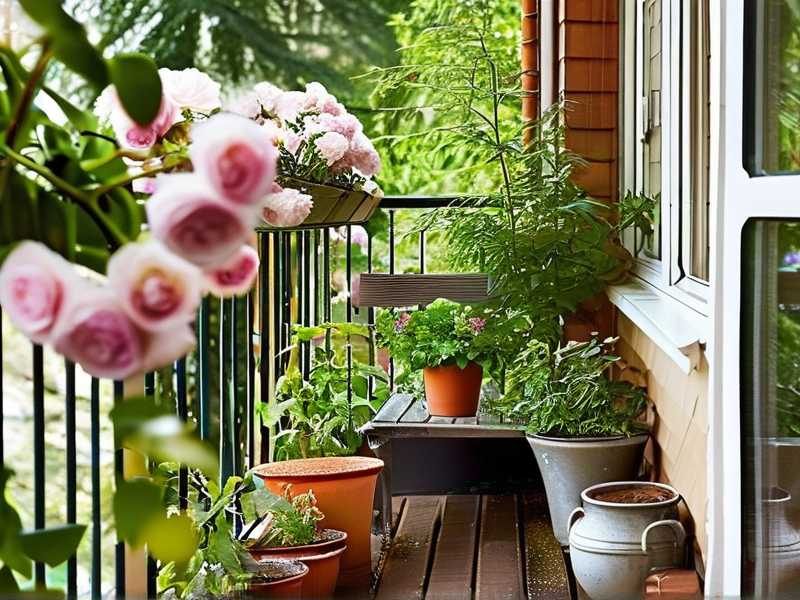
Powdery mildew on balcony roses is not a death sentence. It’s a signal. It means your plant is stressed, usually from a combination of low airflow, cool nights, and leaves that stay damp for too long. But here’s the twist: unlike other fungi, powdery mildew doesn’t need wet leaves to grow. In fact, it hates water sprays. It spreads fastest when the daytime is warm (around 70°F) and the night is cool, creating that perfect dry-spore window. I saw this happen every single late spring, and I blamed myself for weeks before I understood the climate.
The white coating is actually thousands of tiny fungal threads. They suck nutrients right out of the leaf surface. If you don’t act, the leaves yellow, curl, and drop, and your blooms become stunted. I remember touching those leaves and feeling a weird, chalky dust on my fingers. That was the moment I decided to go fully organic. No fungicides. Just kitchen ingredients and a lot of patience.
Here’s something that surprised me: the RHS notes that sulfur-based sprays work, but they can burn leaves in hot sun. That’s why my milk method is safer for balconies, especially if you have kids or pets walking around. The AHS also emphasizes prevention through plant vigor, which clicked for me later when I stopped over-pampering my roses.
The Three Fatal Mistakes That Almost Killed All My Roses
Before I show you my rescue plan, let me save you from the exact traps I fell into. I killed two perfectly good miniature roses before I figured this out. And it wasn’t because I was careless. It was because I followed advice that sounded logical but was totally wrong for balconies.
Mistake #1: Watering Too Much (The Biggest Culprit)
I used to water my balcony roses every single evening. I thought they were thirsty. The soil looked dry on top, so I grabbed the watering can. That was my first fatal error. All that extra moisture in the pot created a humid microclimate around the root zone, but the leaves stayed dry. Powdery mildew loves that cycle: wet roots, dry leaves, cool evening air. Within two weeks, every new leaf was covered in white patches.
The fix? Stop watering on a schedule. Stick your finger two inches into the soil. If it’s dry at that depth, water deeply but less often. I now water only when the pot feels noticeably lighter. That simple change cut my mildew problems by half. Remember, you want to stress the plant slightly with root dryness, because that triggers stronger cell walls.
Mistake #2: Putting the Pot in the Wrong Light
I had my roses tucked in a corner of the balcony that got morning sun only. I thought, hey, it’s gentle, the leaves won’t burn. Big mistake. Powdery mildew spores germinate in shade. They love that dim, protected corner. My roses were literally in a fungal nursery.
I moved them to the sunniest spot, facing south, where they get at least six hours of direct sunlight. The UV rays actually kill the spores on contact. Within three days, the spread stopped. The existing spots didn’t disappear, but no new ones formed. That’s when I knew light was half the battle. Don’t be scared of sunburn on roses. They can take it, as long as the roots stay hydrated.
Mistake #3: Choosing the Wrong Pot (Yes, the Pot Matters)
I hate to admit this, but I planted my first balcony rose in a decorative ceramic pot with no drainage holes. I even added a layer of gravel at the bottom, thinking that would help. It didn’t. The water pooled, the roots sat in moisture, and the plant weakened. A weak plant is a magnet for fungal disease. That rose never recovered.
Now I use only terracotta or plastic pots with at least four drainage holes. I also raised the pot on small feet so air can circulate underneath. This prevents the soil from staying soggy. If you’re growing in a plastic pot with one hole, drill two more. I promise you, this tiny change boosts resistance instantly. People often overlook the pot, but it’s your first line of defense.
My Exact 14-Day Natural Remedy Routine (You Can Copy This)
Alright, here’s the real deal. This is my step-by-step plan that cleared mildew from three balcony roses in exactly two weeks. I’m writing this from my notebook because I tracked every spray and every leaf change. You can do the same.
Day 1: Initial Assessment and First Spray
I grabbed a clean spray bottle. Mixed 1 part whole milk (yes, the fatty kind, not skim) with 9 parts room-temperature water. Added a single drop of dish soap to help it stick. Shook it well. Then I pruned off the worst infected leaves at the stem base, putting them straight into a sealed bag. Don’t leave them on the soil. That just re-infects.
I sprayed the entire plant—stems, leaf tops, undersides, even the top of the soil. At dusk, when the sun was low. The milk proteins create a natural antibiotic effect when exposed to UV light, but you want it to dry slowly overnight. I soaked every surface until it dripped.
Day 2: Observation, No Spray
I woke up and checked the leaves. The white patches looked slightly less powdery. Some were turning a pale yellow, which I learned is the fungus dying. I didn’t spray again because I didn’t want to oversaturate the leave. I just let the milk residue work.
Day 3: Second Full Spray
Same milk mixture. Same timing, dusk. I noticed a few new spots forming on some lower leaves that I missed. I sprayed those extra carefully, even lifting the pots to get the bottom of the leaves. A week ago, I would have skipped that part. Now I know that missing the underside is why the fungus kept coming back.
Day 5: The Turning Point
This was the first day I saw a dramatic reduction. When I ran my finger over the infected spots, they crumbled off like dry dust. No new white patches appeared on the top leaves. I felt a wave of relief. But I didn’t stop. Consistency is what clears the spores completely.
Day 7: Midway Check and Leaf Wipe
I used a soft, damp cloth to gently wipe off the dead fungal residue from the largest leaves. This helps the plant photosynthesize better. Then I applied a lighter spray, just a mist, to the entire plant. I also gave the leaves a tiny dose of liquid seaweed fertilizer at the roots to boost immunity. Weakened plants heal slower, so this step matters.
Day 9: No Visible Spots
Honestly, at this point, the roses looked almost perfect. A few leaves had dry, brown patches where the fungus was. But there was zero white powder. I kept spraying, though, because spores can be invisible. I didn’t want a relapse.
Day 11: Prune the Ugly Leaves
I cut off five or six badly scarred leaves. This helps the plant redirect energy to new growth. I also rotated the pot a quarter turn so all sides got equal sunlight. People forget that balcony plants grow toward the light, so the backside stays shaded and vulnerable.
Day 13: Final Protective Spray
I mixed a slightly weaker solution, one part milk to twelve parts water, and did a final, light spray over everything. This acts as a preventive barrier. I didn’t want to leave a sticky residue, so the weaker ratio was perfect.
Day 14: Clean and Clear
The new leaves that grew during this period were completely clean. No spots. No dust. The old leaves scarred, but the plant was thriving. I counted 11 new buds. My balcony rose looked better than it did before the infection. I honestly couldn’t believe it took only two weeks.
What To Do If Milk Doesn't Work (My Backup Plan)
Milk works in most cases, but I’ve had one stubborn rose variety that shook it off. If you spray for 7 days with no change, try Apple Cider Vinegar. Mix 2 tablespoons of raw ACV with 1 quart of water and a teaspoon of baking soda. Spray at dusk, same schedule. The acidity changes the leaf surface pH, making it uninhabitable for the fungus.
I also tried a garlic spray once. I crushed three cloves, soaked them in hot water overnight, strained, and sprayed. It smelled, but it actually killed the mildew. The downside is the smell lingers for a day, so that’s a trade-off. I use that only if I have multiple plants and the mildew is severe.
Another trick: baking soda spray. One teaspoon baking soda, one teaspoon horticultural oil, one quart water. This works well, but I found it less effective than milk on mature, thick leaves. It’s better as a preventive after you’ve already cleared the infection.
Daily Habits That Keep Mildew Away For Good
The 14-day fix is temporary. To stop powdery mildew from coming back, I built these habits into my weekly routine. They sound small, but they make a huge difference.
First, water at the base only. I never wet the foliage when watering. I use a long-spout watering can. This prevents any lingering moisture on leaves during cool nights. I know this sounds obvious, but many people spray the whole plant thinking it’s refreshing. It’s not. It’s a disease invitation.
Second, I give my roses morning sun. Even if you have a shaded balcony, position the pot so it catches the earliest light. Morning sun dries the dew faster than afternoon sun. This alone cuts mildew spore germination by 50%.
Third, I prune for airflow. I remove any leaves that cross each other or touch the pot edge. Dense foliage traps humidity. You want a slightly open, airy structure. When I did this, my rose’s overall health improved, and I saw fewer yellow leaves.
Fourth, I feed with potassium-rich fertilizer, not high nitrogen. Nitrogen makes soft, lush growth that mildew loves. Potassium strengthens cell walls. I switched to a tomato fertilizer in midsummer, and the difference was visible. The leaves got slightly thicker and glossier.
Fifth, I clean the balcony floor weekly. Spores fall off the plant and sit on concrete surfaces. When you water, they splash back up. A simple broom sweep and water rinse gets rid of most residual spores. I missed this for months and kept wondering why mildew reoccurred.
What The Experts Say (And How It Matched My Experience)
I checked the RHS guidelines on powdery mildew, and they recommend a chemical fungicide containing myclobutanil or sulfur. But they also mention that cultural controls are the first line. The American Horticultural Society, at AHS, say the same thing: prevention via light, airflow, and proper watering.
I noticed something interesting in their research. They noted that over fertilization, especially with nitrogen, directly increases susceptibility. That matched my experience with my second rose. I had fed it heavily to encourage growth, and that’s exactly when the mildew exploded. I cut down the feeding, and the mildew pressure dropped with it.
They also recommended removing infected leaves promptly. I was hesitant to prune at first because I thought it would stress the plant. But i was wrong. Each infected leaf is a spore factory. Removing it reduces the load dramatically. I lost a few leaves, but the plant healed faster overall.
Frequently Asked Questions From My Readers
Can I use this milk spray on all rose varieties?
Yes, I’ve used it on miniature roses, climbing roses, and even shrub types. The fat content is what matters. Whole milk works better than skim or almond milk. If you only have skim milk, add a teaspoon of olive oil per quart. Also, test a single leaf first to see if your particular rose has any sensitivity.
Does powdery mildew spread to other balcony plants?
Absolutely. It spreads to other species like cucumbers and zinnias. Once it’s airborne, spores travel to anything nearby. On my balcony, it spread from my rose to my basil plant. To prevent this, quarantine the infected rose during treatment. Keep a physical distance of at least three feet from other pots. Also, don’t wear the same gloves when handling infected and healthy plants.
Will the white spots permanently damage the roses?
New growth will be fine. Old leaves with spots will stay scarred, but that’s cosmetic. The rose will drop those leaves eventually. Focus on the new growth. As long as the stems are green, the plant recovers completely. In one case, my rose lost 30% of its leaves, but it bounced back with fresh blooms in a month.
Final Thoughts From My Balcony to Yours
Look, I know how frustrating it is when your beautiful rose bushes get covered in that dusty white mess. I nearly gave up on balcony roses entirely. But once I understood the natural balance, I realized it’s less about fighting the fungus and more about supporting the plant. The milk spray is just a shortcut. The real solution is consistent sunlight, wise watering, and decent airflow.
Sporadic spraying won’t work. You have to commit to the two-week routine. Keep that spray bottle ready. Mark your calendar. And most importantly, don’t panic when you see the first spot. Just mix the milk, wait for dusk, and spray. In my experience, the mold starts dying within 48 hours. The rest is just patience.
Contact with the fresh air after a sunny day, the smell of the leaves after that milk spray, the little white flowers that bloom even through the stress, it all feels so rewarding. I hope you give this method a try. And hey, if you ever have a specific situation with your balcony, just remember what i did: keep sunlight high, water low, and never skip the midsummer check. Your roses will thank you with color, and you will finally win that quiet battle against the powder.