bluename
How to Treat Spider Mites on Balcony Roses Efficiently
I get it. You walked out to your balcony, coffee in hand, ready to admire your roses. Instead, you saw fine webbing stretched across the new growth. You flipped a leaf over and spotted tiny specks moving. That’s spider mites. And they’re a nightmare. The quick answer is this: spray with a 1:1 mixture of 70% isopropyl alcohol and water, wait 30 minutes, then rinse with a hard jet of water. Repeat every three days for two weeks. That’s the fastest kill I’ve found. It works on contact, it breaks the webbing, and it doesn’t nuke your plant’s leaves like some oils can in direct sun. Stick with that routine, and you’ll see clean new growth in about ten days.
Now, let me walk you through the full story. I’ve been growing balcony roses for six years now. I’ve lost more plants than I care to count. And every single loss taught me something the hard way.
Why Balcony Roses Get Spider Mites So Fast
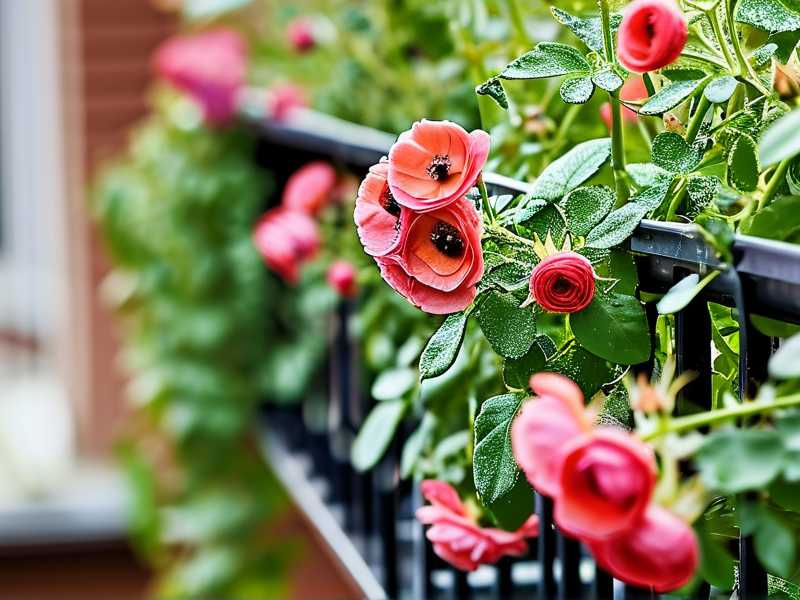
Balcony conditions are basically a spider mite paradise. You have heat radiating off walls and concrete. You have dry air, especially if you live above the second floor. And you have stressed plants in pots. Spider mites thrive in hot, dry, dusty environments. They hate humidity and rain. A balcony gives them all the warmth and dryness they could ask for. So if you’re seeing them, it’s not a personal failure. It’s an environmental setup.
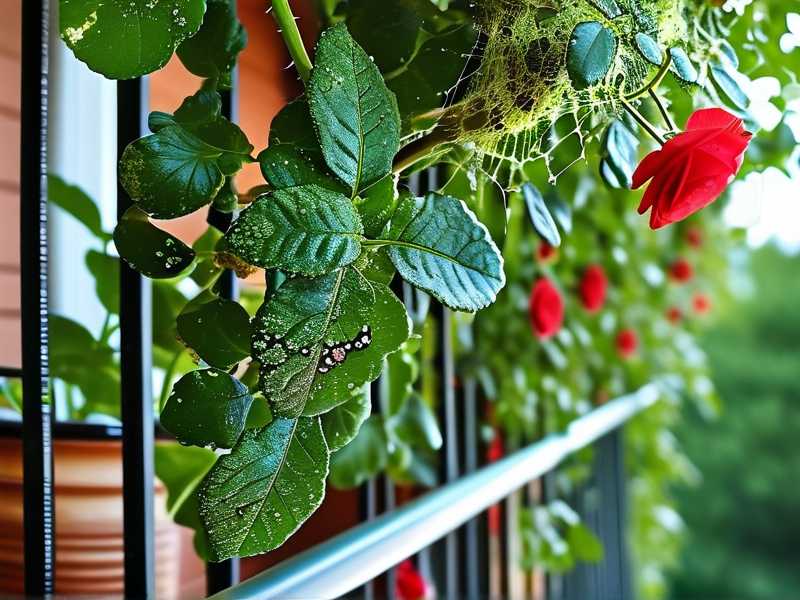
I remember my first infestation. I had a beautiful 'Gertrude Jekyll' rose in a terracotta pot. I noticed a slight stippling on the leaves in late June. I ignored it, thinking it was sunburn. Within ten days, the whole plant looked like it had been through a drought. The leaves were bronze, crispy, and covered in that telltale webbing. I panicked and drenched the plant in neem oil. Big mistake. I won’t go into the mess that created just yet. Let’s talk about the basics first.
The 3 Deadliest Mistakes Newbies Make
Before I give you my exact treatment plan, I need to address the three errors that cause most infestations to blow up. Ignore these, and no treatment will ever work long-term.
Mistake #1: Overwatering
This sounds counterintuitive, because spider mites like dry conditions. But here’s the catch. People panic when they see mites, and they water more. Then the roots sit in soggy soil. And the rose gets weaker. A weak rose is a magnet for more mites.
Honestly, 90% of indoor plants die from overwatering. And balcony roses in pots die from the same mistake. When you overwater, you suffocate the roots. The plant can’t take up nutrients. The leaves become soft and susceptible to mite feeding damage. I used to water my roses every single day in summer. I thought they needed it. Turns out, I was drowning them. The top inch of soil was wet, but the bottom was a swamp. And the mites loved the stressed, sickly leaves.
The fix is simple. Stick your finger two inches into the soil. If it feels dry, water. If it feels cool or moist, wait. For a standard 10-inch pot in peak summer, that means watering every two to three days, not daily. And always water in the morning. This gives the foliage time to dry, which also deters mites.
Mistake #2: Wrong Light Placement
Balcony roses need six hours of direct sun. But here’s the thing. Morning sun is gentler. Afternoon sun on a south-facing balcony can be brutal, especially when reflected off white walls. I learned this the hard way. I placed my potted 'Iceberg' rose in a corner that got full southwest sun. The temperature on the leaves hit over 100°F (38°C) in the afternoon. The rose was constantly heat-stressed. And stressed roses produce more sugars in their leaves, which actually attracts spider mites. It’s like ringing a dinner bell for them.
What worked for me was moving the pots to an east-facing railing. They got direct sun from sunrise to about 11 a.m. Then they were in bright, indirect light for the rest of the day. The leaves stopped curling. The color deepened to a healthy dark green. And the mite pressure dropped by half. You want to aim for morning sun with afternoon shade, especially if you live in a hot climate.
Mistake #3: Wrong Pot Choice
This is the one nobody talks about. The pot you choose directly impacts your pest problems. I started with dark plastic pots. They absorb heat and cook the roots. The soil dries out too fast, stressing the plant. Then mites move in.
I also used pots without drainage holes. I thought I was being clever by keeping water in the bottom. That caused root rot within a month. The rose looked thirsty, so I watered more. And the mites just multiplied on the weakened tissue.
You need pots with proper drainage holes and light-colored material. Unglazed terracotta is my go-to now. It breathes, it keeps roots cooler in summer, and it lets excess water evaporate. I also add a layer of gravel at the bottom to ensure drainage. This single change made my roses dramatically healthier. And healthy roses don’t get mite infestations.
My 2-Week Treatment Plan That Actually Works
Alright, let’s get into the real meat of this. Here’s the exact routine I used to clear a severe infestation on my 'Kronprincesse Mary' rose. It took fourteen days. And I documented every step.
Day 1 - The Initial Knockdown
First, I took the rose to the bathtub. Actually, I moved it from the balcony to my shower. This is crucial. You need to physically dislodge as many mites as possible before you spray anything. I used the showerhead on a jet setting. And I sprayed the underside of every leaf. I mean every single leaf. That’s where they live. The force of the water knocks them off and breaks the webbing.
After the rinse, I let the plant sit for about an hour to dry. Then I mixed my alcohol solution. One part 70% isopropyl alcohol, one part water. I added a tiny drop of dish soap as a surfactant. I put it in a sixteen-ounce spray bottle.
I sprayed the entire plant, top and bottom. The alcohol kills mites on contact by dissolving their waxy cuticle. It also breaks down the eggs’ membranes. Then I waited thirty minutes. After that, I rinsed again with plain water. Why? Because alcohol can burn leaf tissue if left on in direct sun. Since my balcony gets morning sun, I sprayed in the evening. Better yet, I sprayed on a cloudy day.
Day 3 - Follow-up Spray
Spider mites have a life cycle of about five to seven days. So I repeated the exact same process on day three. I didn’t wait a week. Waiting a week meant letting new eggs hatch. By day three, I could already see the difference. The webbing was gone. But I still spotted live mites crawling, especially in the leaf axils.
Day 5 - Switching to Soap Spray
On day five, I switched from alcohol to a pure castile soap spray. Two tablespoons of liquid castile soap per quart of water. No alcohol. Why? Because alcohol is harsh. Continuous use can strip the leaves of their natural oils. Soap is gentler but still effective on contact.
I sprayed the whole plant again. I made sure to get into every crevice. After thirty minutes, I rinsed it off. I did this in the evening to avoid sun damage.
Day 7 - The Frustrating Midpoint
Here’s where things got messy. On day seven, I was sure I had won. The plant looked clean. New growth was coming in. So I skipped the day seven treatment. Mistake. Two days later, I saw a few mites on the new leaves. They were back. Not a full infestation, but they were there.
I learned that skipping treatments is the biggest failure point. Even if you can’t see them, eggs are hatching. The life cycle doesn’t stop. So I went back to the alcohol spray on day nine.
Day 9-11 - Focus on New Growth
At this point, the old leaves were damaged beyond repair. I actually removed the worst leaves and discarded them in a sealed bag. Don’t compost them. You’ll just reintroduce the mites.
I focused all my spraying on the new growth. These new leaves are the most susceptible. They’re tender and juicy. I used the soap spray this time, twice, once on day nine and once on day eleven.
Day 14 - The Final Check
On day fourteen, I did a thorough inspection. I used a magnifying glass and looked at the underside of every single leaf. I found zero live mites. Zero eggs. Zero webbing. The plant was pushing out healthy, bright green leaves. The treatment worked.
The Neem Oil Trap - What I Learned the Hard Way
I mentioned earlier that I tried neem oil first. Here’s the full story. I mixed it too strong. I added five tablespoons to a quart of water, way more than the label said. I sprayed it on a sunny afternoon. The next day, every leaf had brown, scorched patches. The coating was so thick it clogged the leaf pores. The rose literally stopped photosynthesizing. It dropped half its leaves within a week.
I learned that neem oil is a preventative, not a rescue treatment. It works best when applied weekly to keep mites away. But for an active infestation, it’s too slow. And if you get the dosage wrong, you fry your plant.
So my advice is this. Use alcohol and soap for active infestations. Use neem oil only as a preventive after the infestation is gone. And never spray neem oil in direct sun or above 85°F.
How to Prevent Spider Mites From Ever Coming Back
Prevention is the real game. After I cleared the infestation, I changed my whole balcony setup. And I haven’t had a major problem since.
First, I introduced humidity. Spider mites hate moisture. So I put a shallow tray filled with pebbles and water under each pot. The water evaporates, creating a micro-climate of humidity around the plant. I’ve also started misting the foliage with plain water every two days. In dry winter months, this alone stops mites from establishing.
Second, I stopped fertilizing with high-nitrogen fertilizer. Nitrogen-heavy feeding makes plants produce soft, lush growth. That’s like candy for mites. I switched to a balanced, slow-release fertilizer with more potassium and phosphorus. This keeps the cell walls thicker and more resistant to piercing mouthparts.
Third, I do a weekly leaf inspection. Just flip a few leaves over with your thumb. Look for any tiny, moving specks. Catching them early, when there are maybe ten mites on the whole plant, means a single spray knocks them out. Waiting until the webbing appears means you’re weeks behind.
The RHS Advice on Managing Pests
According to the RHS, glasshouse red spider mite is a common pest of greenhouse plants. But they also note that plants grown outdoors, including in containers, can be affected in hot, dry summers. The RHS recommends maintaining high humidity around plants and checking the undersides of leaves as key cultural controls. I found this to be spot on. My balcony is in a dry, urban area. And humidity was my biggest ally.
I also read a guide by the AHS on environmental pest management. They emphasize the importance of plant health. A stressed plant attracts pests. A vigorous plant resists them. This aligns with my experience. Once I fixed my watering, light, and potting, my roses naturally became more resistant. The mites didn’t disappear by magic. They just found the leaves less appetizing.
My Top Tools for the Job
Let me tell you exactly what I keep in my pest kit now.
- A one-liter spray bottle with a fine mist setting.
- 70% isopropyl alcohol.
- Pure castile soap, no additives.
- A soft sponge for cleaning large leaves.
- A hand lens, 10x magnification works perfectly.
- Latex gloves for handling anything chemical.
- A large bucket for mixing rinse water.
You don’t need fancy pesticides. Most of the systemic ones are banned on balcony plants anyway due to their effect on bees. The simple stuff I listed is enough. And it’s all safe for pets and children, as long as you store it properly.
What to Do With Severely Damaged Plants
Sometimes you wait too long. I had a miniature rose that was completely covered. The leaves were all brown, and the stems were encased in dense webbing. I tried to treat it for a week. But honestly, it was a lost cause.
Here’s what I did. I cut the plant down to about four inches above the soil. I stripped off every leaf. And I threw the cuttings in a sealed plastic bag, straight to the garbage bin. I did not compost them.
Then I treated the soil with a mild alcohol drench to kill any mites that had fallen off. I left the bare stems in a shaded spot for a week. After that, I moved it back to full sun and watered lightly. Within a month, it pushed out fresh, healthy canes. That rose came back stronger than before.
So don’t be afraid to be brutal. A bare stem is better than a webbed-up, half-dead plant. The roots are still alive. The plant can regrow.
Why I Prefer Alcohol Over Commercial Sprays
I get asked this a lot. Why not just buy a commercial mite spray? Because I’ve tried them. Most are oil-based and work well. But they can be expensive, and some leave an oily residue that collects dust. And in the heat of a balcony, some oils can actually cause leaf burn.
Alcohol is cheap. A bottle costs two dollars. And it’s effective immediately. There’s no waiting for the mites to eat the poison. It just kills them on contact. The downside is that it doesn’t have residual effect. So you have to repeat it. That’s why I use the two-week plan.
The One Thing That Surprised Me
I thought spider mites were an isolated disease. Turns out, they’re often a symptom of a deeper problem. When I fixed my watering and light, the mites stopped coming back. Before that, I was just treating the symptom. That was my biggest learning. Don’t just spray. Fix the environment. Otherwise, you’ll be battling them all season.
My Final Routine For Now
So here’s what I do now, every single week during the hot months. On Monday morning, I flip leaves on all my roses. If I see anything, I do the alcohol spray immediately. On Friday, I mist the foliage with plain water. I also check the soil moisture. And once a month, I flush the soil with a large amount of water to leach out any salt buildup. This keeps the roots healthy and the plant vibrant.
I’ve had zero mite outbreaks for two summers now. And my roses look better than ever. If you follow this exact routine, you’ll get there too.
FAQ
1. Can I use rubbing alcohol on all types of roses?
Yes, but test a small leaf first. Some very thin-leaved varieties, like certain climbers, are more sensitive. Dilute the alcohol to 1:1 with water. If the leaf shows no burn after a day, spray the entire plant. I’ve used it on hybrid teas, floribundas, and miniatures with no issues at proper dilution.
2. How do I know if the spider mites are dead?
Look for movement. Live mites crawl slowly. Dead ones stay completely still. Also, the webbing will start to look dry and brittle if the mites are gone. Live webbing is silky and shiny. After a successful treatment, you’ll see no new webbing after three consecutive checks.
3. Is it safe to eat roses treated with alcohol or soap?
No. Even though these are natural materials, they are not labeled for food crops. If you grow roses for culinary use, like rose water or petals, wait at least two weeks after the last spray. And rinse the petals thoroughly with clean water before use. I personally have a separate rose bush for eating that I never treat. I just keep it far from my decorative ones.