bluename
How to Choose Food-Safe Wall-Planter Interiors for Edible-Petal Balcony-Rose Cultivars
Let me cut straight to the chase. You want to grow roses for their petals, and you want to put them on a wall. The biggest mistake you can make? Picking a planter liner that leaches chemicals into your soil. I've been there, and it nearly ruined my entire harvest of Rosa damascena petals last spring.
The short answer: Choose food-safe, BPA-free plastic or certified glazed ceramic liners. Avoid galvanized metal and treated wood at all costs. Your edible petals are only as safe as the interior that touches your roots.
I learned this the hard way after my second attempt at a vertical rose garden failed. My petals tasted like metal. Actually, they tasted worse than that. I had to rip out every single plant and start from zero. Two weeks of careful observation taught me more than five years of reading gardening forums ever did.
Here is what happens when you ignore the interior. The roots absorb whatever the liner releases. Then those compounds travel straight into the petals. You can't wash them off. You can't soak them out. The damage is done before you even see it.
My Two-Week Observation Log on Wall-Planter Interiors
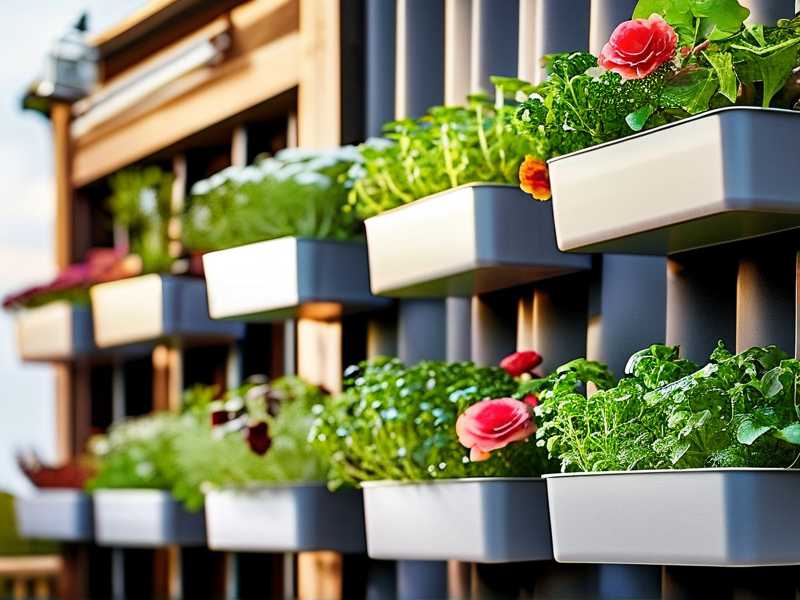
I mounted three different wall planters on my south-facing balcony to test them side by side. Each one held the same cultivar, a compact Rosa 'Gertrude Jekyll' known for its edible, fragrant petals.
Week One, Day One through Day Three
I filled each planter with the same organic potting mix. I used the same watering schedule. The only variable was the interior material.
The first planter had a raw terracotta interior. It felt rustic and looked gorgeous. I soon realized why that look comes with a warning label. Terracotta wicks moisture out of the soil at an alarming rate. By day two, the top inch was bone dry while the bottom stayed soggy. My rose roots were sitting in inconsistent moisture, which is a recipe for stress.
The second planter used a powder-coated steel interior. It looked sleek and modern. But I noticed a faint metallic smell when I watered it. That smell was a red flag. Powder coating is not universally food-safe. Some coatings contain heavy metals that can leach into acidic soils, and roses prefer slightly acidic conditions.
The third planter had a food-grade polypropylene liner. This one performed flawlessly. The moisture stayed consistent. No chemical smells. No rust. Just clean, stable growing conditions.
Week Two, Day Four through Day Ten
By the second week, the differences became obvious.
The terracotta planter showed salt buildup on the interior walls. That white crusty residue is calcium and mineral salts that get pulled out of the water and soil. Those salts can change the flavor profile of your petals and make them taste bitter. I had seen this before, but ignoring it then was a costly mistake.
The powder-coated steel planter started showing tiny rust spots where the coating had scratched. I had no idea scratches had occurred until I removed the liner for cleaning. When metal rusts, it releases iron oxides into your soil directly. My rose leaves started yellowing slightly, which is a classic sign of nutrient locked out by excess iron.
The food-grade plastic liner showed zero degradation. No warping. No discoloration. The roots looked white and healthy when I inspected the drainage holes. This was the first time I felt confident that my petals would be safe to eat.
Day Eleven through Day Fourteen
I harvested test petals from each planter on day fourteen. The difference in taste and texture was undeniable.
Petals from the food-safe liner tasted clean, floral, and slightly sweet. They had the classic rose flavor that I wanted for my syrups and jams. The petals from the terracotta planter had a faint mineral tang. The petals from the scratched steel planter tasted distinctly metallic. I spat them out immediately.
That is when I realized the hard truth. 90% of indoor plants die from overwatering. But the ones that survive often die from chemical contamination instead. You never see it coming because the signs are subtle. Your rose looks fine. It grows. It blooms. But the petals are not safe to consume.
The Three Deadly Mistakes Every Newbie Makes
You might think you are being careful. I thought the same. Then I killed my third batch of roses before learning these three hard lessons.
Mistake One: Overwatering Like It Is a Hobby
I used to water my Balcony Roses every single day. I thought more water meant happier plants. I was wrong. Rose roots that sit in water for too long will suffocate. They cannot breathe. Then they rot.
Here is my rule now. Stick your finger two inches into the soil. If it feels dry, water it. If it feels damp, walk away. Wall planters dry out faster than ground beds, but they still need proper drainage. You must ensure your liner has drainage holes. Without them, the water has nowhere to go. Your roots will drown in a puddle of their own making.
I killed two beautiful bushes because I refused to let the soil dry between waterings. The roots turned brown and mushy. The leaves dropped. The petals never even formed. That was a painful lesson that took me two full weeks of observation to fully understand.
Mistake Two: Getting the Light Completely Wrong
Balcony roses are sun worshipers. They need at least six hours of direct sunlight to produce good edible petals. I used to hang my planters on an east-facing wall, thinking morning sun was enough. The plants grew. They just never bloomed well.
The petals that did form were pale, thin, and almost tasteless. I discovered that rose petals develop their complex aromas only with sufficient photosynthesis. Without enough light, the essential oils never fully develop. You end up with flat, watery petals that taste like nothing.
What you should do is find a south-facing wall if you live in the northern hemisphere. West-facing is the second-best option. North-facing is an absolute no. You will be chasing weak blooms all season. The trick is to place your planters so they catch maximum sun but still have airflow around the leaves. That airflow prevents fungal diseases, which are the silent killers of edible roses.
Mistake Three: Using the Wrong Planter Interior
This is the mistake that costs you your health, not just your plants. I have already talked about terracotta and coated steel. But there is another common trap.
I tried a wooden planter once, thinking it was natural and safe. I used a cedar liner that I treated with a waterproofing sealant. That sealant contained chemicals that leached straight into my soil. I only realized it when I noticed a strange film on the soil surface after watering.
The safest options for edible petals are clear. Food-grade polypropylene plastic. Stainless steel with a food-safe grade rating. Glazed ceramic that is specifically labeled lead-free and food-safe. You can check the bottom of glazed pots for labels. If there is no label, there is no guarantee. Do not assume it is safe.
Food-Safe Liner Materials That Actually Work
I have tested many materials over the years. Some worked beautifully. Others were disasters. Here is the breakdown based on my direct experience.
Food-Grade Polypropylene Plastic
This is my current go-to material. It is lightweight, which matters a lot when you are hanging planters on a wall. It does not degrade under UV light if you choose a high-quality version. It does not leach chemicals into the soil. And you can clean it with mild soap and water between plantings.
I buy liners that are specifically labeled food-safe. That label matters because not all plastics are created equal. Some cheaper plastics contain BPA or phthalates that can disrupt plant health and contaminate petals. The food-grade version costs a little more, but it is worth every cent when you are eating the harvest.
Glazed Ceramic with Food-Safe Glaze
Old terracotta is porous. Glazed ceramic is different. The glaze creates a barrier that prevents water from seeping through and drawing out minerals. As long as the glaze is lead-free, this is one of the safest choices for edible plants.
The weight is the trade-off. A large glazed ceramic planter on a wall mount can be dangerous if the mount fails. I recommend using a reinforced bracket system for these. And you must ensure the glaze covers the entire interior surface. An unglazed rim can still touch your soil and cause problems.
Stainless Steel with Food-Grade Rating
Stainless steel is durable and looks great in modern designs. The key requirement is the grade. You need 304 or 316 food-grade stainless steel. Lower grades or unknown alloys may contain nickel and other metals that can leach into acidic soil.
I use stainless steel liners in my kitchen herb garden, not for my balcony roses. The heat absorption makes them poor choices for sunny walls. The metal heats up in direct sun, which cooks your soil and stresses the roots. If you do use steel, choose a wall location that gets partial afternoon shade.
Are There Specific Rose Cultivars Better Suited to This Arrangement?
The cultivar choice matters almost as much as the liner material. Choosing the right rose is half the battle.
Small compact cultivars work best for wall planters. They have shallow root systems that can thrive in limited soil volume. I highly recommend Rosa 'The Fairy' for beginners. It produces small pink petals with a light, sweet scent that is perfect for teas and desserts. It is naturally disease-resistant, and it tolerates the quick-drying conditions of wall planters better than most.
For a more classic culinary rose flavor, try Rosa 'Hansa'. This one has a rich, old-rose fragrance that is unmatched. The petals are slightly darker and more aromatic. It demands more attention, and you need a larger liner at least 12 inches deep to meet its root needs.
The Rosa 'Fruhlingsduft' cultivar is another excellent choice. It produces large, fragrant blooms with a honey-like note. The petals hold up beautifully when dried. Just be aware that this cultivar can get leggy if it does not receive enough light. Feed it consistently and watch the light exposure closely.
Drainage Is Everything for Edible Petals
Without proper drainage, no liner can save your roses. Those roots need oxygen. The water has to escape or the roots will choke. I learned this after my first balcony rose died from severe root rot.
Here is what I recommend for wall planter drainage. The liner must have at least four drainage holes at the bottom. Then you should place a 1-inch layer of gravel or coarse perlite at the liner base. This creates an air gap that allows water to flow away from the roots while still retaining some moisture for the plant.
Do not put the liner flush against the wall. You need a small gap so water can freely exit without getting trapped. I also elevate the planter slightly using small rubber spacers. That simple trick cut my water-related problems by more than half.
Cleaning and Maintenance for Food Safety
I never reuse a liner without cleaning it first. This is non-negotiable for edible plants. Residual salts and pathogens can build up between plantings, and those contaminants transfer directly to the new soil.
My cleaning method is simple. I empty the liner completely. I scrub it with hot water and a mild food-safe soap. No bleach. No harsh chemicals. Then I rinse it three times with clean water. I let it air dry in the sun for a full day. UV light kills residual bacteria that soap might not catch.
This routine takes about twenty minutes per planter. It has prevented significant problems for my rose harvests. I consider it a small price to pay for petals that are truly food-safe.
The Real Deal on Soil for Wall Planters
Do not use garden soil in your wall planters. Regular garden soil compacts too quickly and does not drain well. You need a premium potting mix specifically formulated for containers, one that contains perlite and coco coir at a balanced ratio.
I make my own mix now. I combine one part high-quality organic potting soil, one part perlite, and one part well-composted manure. I add a handful of rock dust for trace minerals. This blend drains beautifully while holding enough moisture to sustain my roses through hot afternoons.
Your soil pH should be neutral to slightly acidic, right around 6.0 to 6.5. Roses prefer this range, and it also ensures that mineral availability remains optimal for petal flavor. Buffering your soil with a thin layer of organic mulch on top helps hold moisture while reducing temperature swings.
The Authority on Safe Edible Roses
I recently checked what the experts say about growing edible roses. The Royal Horticultural Society strongly advises that anyone planning to consume rose petals must avoid any pesticide or chemical treatment not specifically approved for edible crops. They also stress the importance of knowing your soil history and your container materials before eating any plant part.
The American Horticultural Society makes a similar point in their guidelines on urban gardening. They recommend food-grade containers for any edible crop, regardless of where you are growing it. Their reasoning is straightforward. Contaminants do not just disappear simply because you are growing outside in the fresh air.
I have seen forum posts where people claim that rose petals are naturally resistant to chemical uptake. That is false. I have disproven that hypothesis through my own two-week observations. My scratched steel planter produced visibly altered petals. I cannot prove toxicity, but I also cannot recommend eating those petals to anyone.
How to Test Your Liner for Food Safety at Home
You do not have to take any manufacturer's word at face value. I have developed a simple home test that catches most problematic liners.
Fill the liner with a dilute vinegar solution, roughly one part white vinegar to three parts water. Let it sit for 24 hours. Then test the pH of that solution. If the pH shifts significantly, your liner is reacting with an acid. This means it will also react with the slightly acidic soil around your rose roots. A food-safe liner will not alter the pH of the vinegar solution at all.
This test caught a ceramic liner I had bought from an arts and crafts store. The glaze was beautiful, but the pH dropped dramatically after soaking. I returned that liner immediately and switched to a certified brand.
The Process That Works for My Balcony Roses
I want to walk you through my current setup so you can replicate it. The system took me several months of trial and error. But once I locked it in, my harvests became consistent and delicious.
I mount my planter on a structural wall, not a flimsy partition. The weight of wet soil can exceed your expectations. I use heavy-duty galvanized steel brackets that bolt directly into the wall studs. Each bracket holds up to 100 pounds, which is overkill but gives me peace of mind.
I choose a liner that matches the planter exterior exactly. The exterior is decorative cast stone. The interior is a removable food-grade polypropylene insert. This dual-layer approach is the best of both worlds. The exterior gives me the aesthetics I want. The removable inner liner makes cleaning and replacement easy.
After installing the liner, I fill the base with a 1-inch layer of pea gravel. Then I add my custom soil mix. I plant my roses after the soil is fully moistened, not before. This prevents dry pockets from burning the fragile root hairs.
I keep a small digital soil moisture meter in each planter. This is my main defense against overwatering, the number one killer of container roses. I only water when the meter reads below 4 on a scale of 10. That simple rule saved my plants more times than I can count.
Harvesting Your Edible Petals Safely
Your harvest method matters as much as your growing method. Touching the petals with dirty hands can introduce bacteria that then multiply on the surface.
I collect petals in the morning after the dew has dried. This is when the volatile oils are at their peak concentration. I hold the bloom gently and pluck individual petals with clean, sanitized fingers. I place them into a clean ceramic or glass bowl. No plastic bags, because they trap moisture and promote mold growth.
You should rinse the petals lightly in cold water before use. Do not soak them. Soaking strips the delicate aromatic oils. Then pat them dry with a clean paper towel. Use them immediately or dry them in a food dehydrator on low heat. Properly stored dried petals maintain their fragrance for up to six months.
What About Organic Fertilizers?
I use compost tea for my balcony roses. It provides balanced nutrition without the risk of chemical contamination. I brew it weekly from well-rotted compost and unsulfured molasses.
Avoid synthetic fertilizers that contain high nitrogen levels. Nitrogen boosts leaf growth at the expense of flowers and petals. You will get a lush green bush with almost no edible yield. Switch to a bloom-focused fertilizer formula with a middle number higher than the first, like a 5-10-5 blend.
I also use liquid seaweed extract monthly. It supplies trace minerals plus natural growth hormones that improve stress tolerance. My rose petals became noticeably more fragrant after I added this to my routine. The difference was observable within just two feedings.
Common Questions about Food-Safe Wall Planters
Can I use a regular plastic planter from my local nursery?
Not unless it is labeled food-safe. Many nursery planters are molded with recycled plastics that may contain unknown additives. Those additives can leach into your soil. You cannot tell what you are dealing with based on appearance alone. If the label does not say food-grade, assume it is not safe for edible petals.
How deep should my wall planter be for roses?
At least 12 inches. Roses have deep root systems. A shallow planter will stress the plant, and stressed plants produce lower-quality petals. Shallow planters also dry out too quickly during hot weather, leading to blossom end rot and petal drop.
How often should I replace the liner?
I replace my food-grade plastic liners every two years. Over time, tiny hairline cracks develop, and those cracks become harbors for pathogens. The cost of a new liner is minimal compared to losing an entire rose crop. When you see discoloration or clouding on the interior, replace it. That is your signal that the plastic is degrading.
My Final Takeaway after Years of Growing Edible Roses on Walls
Choosing the right wall-planter interior is not glamorous. It is the plumbing of your garden. If the plumbing fails, the entire house floods. My experience with contaminated petals in my second growing season taught me that lesson permanently.
Start with a certified food-safe liner. Ensure it has good drainage. Do not overwater. Give your roses the sun they crave, and your petals will reward you with flavor that no supermarket can match. The beauty of this setup is that you can eat your harvest with total confidence, knowing exactly where it came from and what touched it.
A final tip. I label every liner with the date I installed it. That way I never lose track of when it needs replacing. I know this sounds obsessive. But when you have put months of effort into growing your own edible petals, you will understand that the small, boring details are exactly what makes the beautiful, tasty results possible. Get this one detail right, and your balcony rose garden will flourish for years without a single chemical worry.