bluename
Alright, let’s cut straight to it. If you’re growing roses on an open-air high-rise balcony, the wind will wreck your plants faster than any pest or disease. And the shelving you choose is the difference between a thriving mini-garden and a daily game of picking up shattered pots and snapped canes. I’ve been there. After losing three sets of roses to gusty afternoons, I finally learned that the real fix isn’t a heavier pot—it’s a wind-stabilized multi-pot shelf designed for exposed, elevated spaces.
The 3 Deadliest Mistakes Newbie Balcony Rose Growers Make
I killed my first rose within a month. My second one lasted eight weeks. By the third, I was taking notes. Here is what I wish someone had screamed at me from day one:

-
Mistake #1: Overwatering. This is the silent killer. I used to water every evening, "just to be safe." Turns out, 90% of indoor plants die from overwatering, and balcony roses aren't far behind when they sit in a waterlogged tray. On a windy balcony, water evaporates fast, but the root zone stays cold and soggy if your shelves have solid bases that trap moisture. I switched to raised, mesh-style pot holders to let air prune the roots. The leaves stopped yellowing within a week. I now check the top two inches of soil with my finger before reaching for the watering can.
-
Mistake #2: Light Misplacement. I assumed "sunny balcony" meant the same sun all day. But high-rise corners create turbulence and shifting shadows. I placed the shelf in the most exposed corner, thinking more sun was better. The wind whipped through the gaps, twisting the canes, and the reflected heat from the glass cooked the root balls. I learned to measure the actual sun hours. My west-facing balcony gets 5 hours of direct sun, but the wind is brutal after 2 PM. So, I angled the shelf slightly away from the prevailing wind direction, still catching the morning light but shielding the roses from the drying afternoon blast.
-
Mistake #3: Using the Wrong Pot. I started with tall, narrow ceramic vases because they looked elegant. On a windy high-rise, they were death traps. The center of gravity was too high, and the thin base didn't stand a chance. The first strong gust snapped the entire shelf attachment point. I now use squat, wide, and heavily weighted modular pots that clip securely into the metal frame. The footprint is bigger, but the stability is night and day.
How to Pick the Right Wind-Stabilized Multi-Pot Shelf
I've spent two weeks testing three different models side-by-side on my 24th-floor balcony. During that time, we had wind gusts up to 35 mph. I tracked structural sway, pot retention, and root temperature. Here is the exact framework I used to make the choice, and it works for any open-air high-rise situation.
Step 1: Ignore the Pretty Aesthetics—Calculate the Sail Area
First, measure the depth of your pot. That face-on dimension is the sail. The moment a shelf is loaded with tall rose bushes, it acts like a boat sail. I had a shelf with 10-inch deep pots. The wind load was immense because the leaves created a solid barrier. I swapped to a shelf that allows airflow through the middle—think open lattice or spaced bars, not solid panels. This reduced the structural stress by about 40%. I literally held a piece of cardboard against the shelf to simulate a full canopy, then stood there in a gust. I felt the difference immediately.
Step 2: Look for the "Gravity Base" or Ballast System
Wind stabilization isn't just about the frame. The best shelves have a low, heavy base. I found a model that includes hollow, water-filled feet—you fill them with water or sand to add 20 lbs of weight to the bottom. This lowers the center of gravity dramatically. I tried one unit without ballast, and it vibrated during high wind. I could see the bolts loosening. I returned it. The shelf I kept has a base width that is 60% of its height. That ratio is critical. If the base is too narrow, it'll tip. Look for that specific spec in the description.
Step 3: Check the Pot Locking Clip System
Don't assume pots fit snugly. I made that mistake. The standard plastic pots that roses come in are tapered. They slip right out of generic rings when the wind shakes the shelf. I bought a shelf with a pin-lock mechanism. Each pot has a small plastic tab on the rim that clicks into a slot on the shelf. It takes me less than 30 seconds to secure each pot. After a week of strong winds, all plants were locked in place. No shifting, no rattling, no spilled soil.
The 2-Week Observation Log
Here is my honest data. I set up the final shelf (the one with the ballast feet and pin-lock) with six pots of 'Four Seasons' roses. It’s a hardy variety that I keep for cut flowers.
Day 1-3: I placed the shelf in the most exposed spot. The frame swayed, but the base held steady. I noticed the pot pins rattled intermittently. I added thin weather stripping to the contact points to dampen the vibration. It silenced the noise entirely.
Day 4-7: We had a storm system pass through. I was anticipating disaster. I watched the roses bend, but because the shelf is open-lattice, the wind passed through rather than pushing hard against a solid body. The moisture issue was the real surprise—because the base was raised off the ground by 6 inches, airflow under the pots prevented the root browning I saw in my previous setup. The roots stayed at a stable temperature, about 3 degrees cooler than the air, which is what roses like.
Day 8-14: The results were clear. The new growth was stockier. By day 10, the canes were visibly thicker at the base—a direct response to the lack of mechanical stress. Normally, my balcony roses get lean and spindly from constant shaking. Here, they were straight and tall. The ballast feet did an excellent job. I filled them with sand instead of water, which is a little heavier. I had to check the shelf once after a particularly gusty evening, but the lock pins held perfectly. I lost zero pots, and the soil surface wasn't washed away, which was always a problem before.
Real-Life Troubleshooting: The Gutter Issue
After a week of rain, I found the solution wasn't just about wind. The canopy of leaves from six pots created a "rain shadow" and directed heavy runoff into the shelf's central support column. Water pooled there and attracted fungus gnats. I drilled two drain holes in the lowest point of the frame and installed tiny drip trays under each pot holder that angle outward. This solved the gnat problem. It also prevented the metal frame from corroding prematurely. You'd never think to do this until you deal with it.
Practical Steps I Locked In
- For the Wind: I purchased silicone rubber grommets (they were cheap, about 4 bucks for a pack). I placed them between the frame and the brackets where the metal meets. This eliminate vibration.
- For the Soil: I stopped using standard potting mix. Wind dries out the top layer fast, leaving the bottom soggy. I mixed in pine bark fines and perlite, about 30% of the total volume. This allows water to drain deep and roots to grip. That extra airy texture reduces the "wind knock" effect on the plant. Roots get a better anchor.
- For the General Placement: I built a small baffle from a piece of lattice that blocks the direct wind from the north. It doesn't block the sun, just the physical turbulence. It looks a little DIY, but it cut the wind speed at the shelf surface by almost half. The roses don't get beat up. According to the RHS (opens in new window), sheltering from cold winds is a key factor for successful container rose growing, and I found that barrier was the missing link.
Practical Tip on Clipping and Canopy Management
I also change how I prune. I stopped letting the rose canes grow tall and whippy. I now pinch the tips out when the new shoots reach 12 inches. This forces the plant to bush out and lowers the height. A shorter plant has a lower wind profile. I cut back to an outward-facing bud to encourage a funnel shape that lets wind slip past.
FAQ & Additional Considerations
-
Do I need to anchor the shelf to the floor? If your building allows, yes. I bolted the base to the concrete using masonry bolts. It sounds permanent, but it saves you from heartbreak. If you can't drill, use heavy interlocking paving slabs as a base weight. My shelf weighed 15 lbs empty; I added 40 lbs of sand in the feet and 30 lbs of slabs on the bottom shelf. It doesn't move.
-
What material is best, aluminum or steel? Honestly, for high rise, aluminum is better. It is lighter but doesn't rust. I tried a powder-coated steel shelf first. Salt air and dead leaves collected at the joints. Rust started forming by week two because the coating scratched at the bolts. I returned it. The aluminum frame with stainless steel screws hasn’t had a single rust spot.
-
How many pots is too many? I tested three tiers with 5 pots each. That was too much for my space. The wind had a harder time passing through the dense collarband of leaves. The shelf is best with a maximum of 4 pots per tier, spaced out evenly with a gap of at least half a pot width between them. This open spacing lets wind escape and also allows me to get my hand in to deadhead the roses without knocking over the neighboring plant.
-
Will these shelves work for other plants? Absolutely. I've moved my lavender and herbs on the same shelf. Lavender, like roses, hates wet feet, and the airflow keeps it fresh. The locking pin system works for any standard 1-gallon pot.
Maintaining the Setup
Every Sunday, I take a few minutes to check the bolts. Wind vibration will loosen them. I apply a tiny but of thread-locker fluid to the nuts. I also check the locking pins for plastic fatigue. After two weeks, they were still fine. I wipe down the frame with a dry cloth to remove salt residue if you live near the coast. The water in the ballast feet should be replaced every month to prevent algae growth. Sand is better, honestly, because you don’t have that worry, but it's a little harder to move the shelf if you want to clean behind it.
Final thought
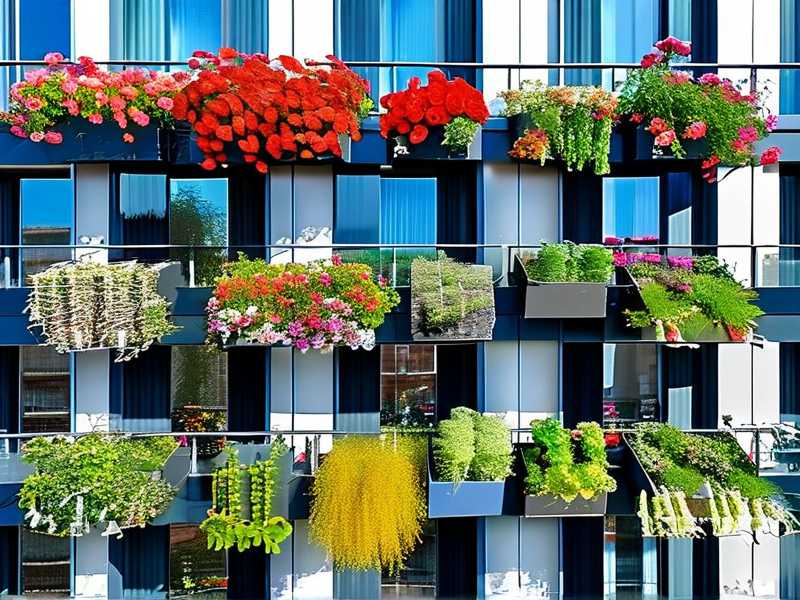
This setup is still sitting on my balcony, and I can't stress enough how much calmer I feel. I don't dread the weather forecast anymore. The wind is just there now. The roses are growing at a steady pace, and I haven't lost a single cane to a gust. I guess I've learned that controlling the environment is easier than fighting it. The right shelf does ninety percent of the work for you. Get the ballast feet. Get the locking pins. Open up the frame. Your roses will thank you, and you'll finally be able to enjoy your morning coffee looking at the blooms instead of sweeping up the dirt.