bluename
How to Pick Compact Modular Wall-Planter Panels for Small-Space Vertical Balcony Rose Growing
If you want roses on a tiny balcony, the fastest answer is this: pick compact modular wall-planter panels that are at least 5 to 6 inches deep, made of UV-stable food-grade plastic or powder-coated metal, with individual cell widths around 6 to 8 inches, and a mounting system rated for wet soil weight. That single combination solves drainage, airflow, and root space at once. I learned this the hard way after killing three miniature roses in cheap felt pockets before switching to rigid modular panels.
My name is Dana, and I garden on a 4-by-6-foot balcony in USDA zone 7. For the past two years I have grown miniature and patio roses vertically on my railing wall. I have tested felt pockets, terracotta stackers, and five different modular panel systems. In this article I will share the exact criteria I use now, a two-week observation log from my latest setup, and the mistakes that cost me real plants and real money.
Why Roses Are Different From Lettuce in a Vertical System
Most wall-planter advice online is written for herbs and greens. Roses are not herbs. They are woody perennials with deep roots, high light demands, and a strong thirst for airflow. Push them into a shallow 3-inch pocket and you are basically asking for black spot, root rot, and a slow death.
The Royal Horticultural Society notes that roses need well-drained soil and good air circulation to reduce fungal disease. That is not optional on a balcony where humidity gets trapped between panels and a wall. I learned this after my first vertical rose trial ended in a wall of yellow leaves by week three. Shallow pockets hold moisture against the root crown. Roses hate that.
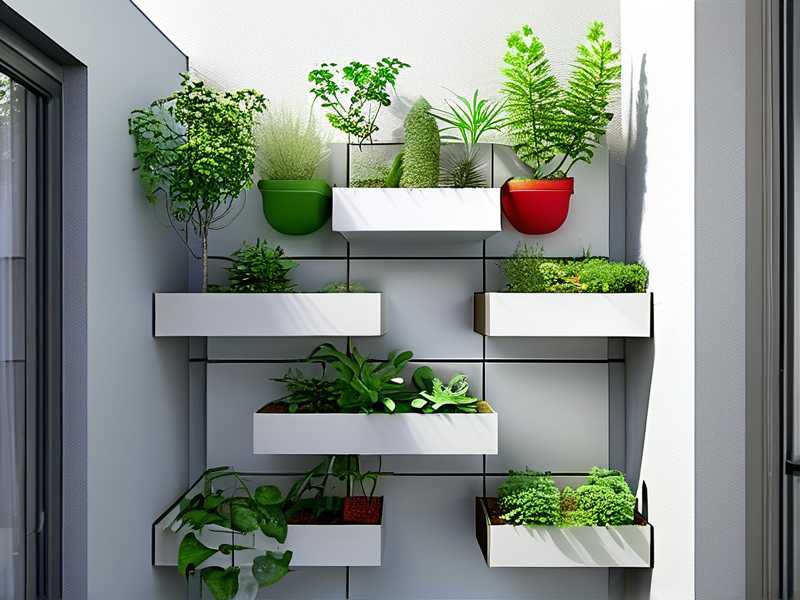
So when I say compact modular wall-planter panels, I mean panels designed for real root volume, not decorative pockets. The word compact here refers to the panel footprint, not the soil depth. That distinction matters more than any brand.
The Three Fatal Mistakes I See New Growers Make
Let me get these out of the way early, because they show up in almost every message I get.
Mistake one: overwatering. I have to say it plainly. 90% of indoor plants die from overwatering, and roses in vertical panels are no exception. Vertical panels dry out unevenly, so people panic and water everything. The top cells stay soggy while the bottom cells stay dry. Root rot starts at the top. I lost a beautiful 'Sweet Chariot' miniature rose this way, and I still feel bad about it.
Mistake two: light misplacement. Roses want six or more hours of direct sun. A vertical panel on a north-facing wall will grow leaves but almost no blooms. I tried a shaded wall for one season because it looked tidier. The roses survived but produced exactly two flowers all summer. Never again.
Mistake three: using the wrong container. This is the big one. Felt pockets, thin ceramic wall vases, and decorative tin planters are not built for roses. They dry too fast, heat up too much, or have no real drainage. I killed my first two roses in a cute metal wall basket with a single drainage hole that clogged within a week.
What Actually Matters When Choosing Panels
Depth and cell volume
Aim for at least 5 inches of soil depth. Six to eight inches is better for miniature roses. Each cell should hold roughly 1.5 to 2 gallons of potting mix if you want the rose to live more than one season. I now refuse to buy any panel where I cannot fit my whole hand in a cell down to the second knuckle.
Material and UV stability
Cheap plastic cracks after one summer of UV exposure. Look for UV-stabilized polypropylene or powder-coated steel. Food-grade plastic is a nice bonus because it does not leach weird stuff into your soil. I had a no-name panel turn brittle and snap at the mounting bracket in August. That was the end of that experiment.
Drainage design
Every cell needs its own drainage hole, and the panel should have a slight backward tilt or a built-in channel so water does not pour down your wall. I hang a strip of weatherproofing foam behind my panels now, because water stains on balcony walls are a real problem if you rent.
Mounting hardware
Wet soil is heavy. A ten-cell panel with saturated mix can weigh 40 to 60 pounds. I use stainless steel brackets rated for at least 75 pounds, anchored into studs or a railing-rated clamp system. The plastic clips that come in the box? I toss them. I have watched a full panel fall off a wall at 2 a.m. It is not a fun sound.
Modularity and spacing
Modular panels let you add cells over time, which is great for roses because they grow. But the panels should also let you space them apart. Airflow between panels cuts down on powdery mildew. I leave at least 4 inches between columns now, and my disease pressure dropped noticeably.
My Two-Week Observation Log
Here is what I actually did and what I saw, so you have real data instead of marketing copy.
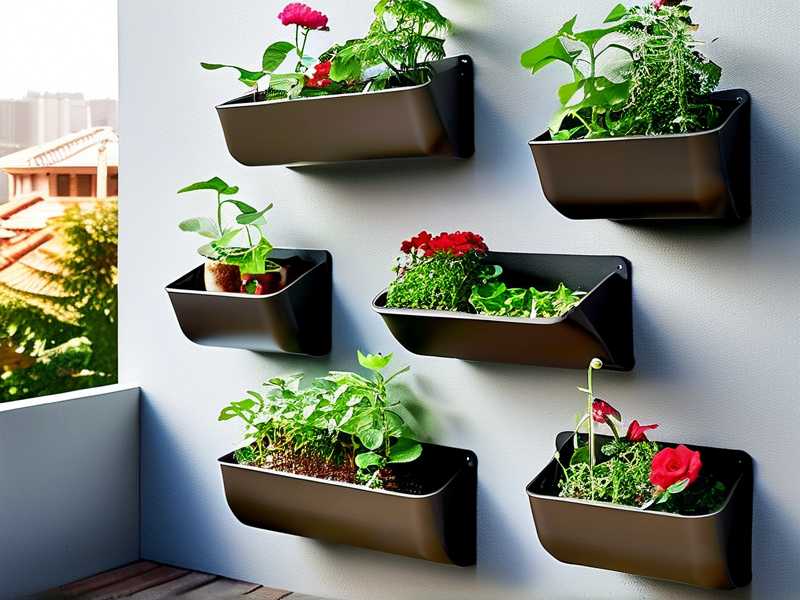
Week one, day one: I mounted two 8-cell modular panels on my south-facing railing wall. Each cell is 6 inches deep and 7 inches wide. I filled them with a mix of 60% potting soil, 30% perlite, and 10% compost. I planted six miniature roses and left two cells empty for airflow.
Week one, day four: The top row was drying faster than the bottom row, just like I expected. I watered only the top four cells and left the bottom alone. This is a trick I picked up after my overwatering disaster. Vertical panels do not need uniform watering.
Week one, day seven: I noticed condensation on the wall behind the middle row. I added small rubber spacers to push the panels 1 inch off the wall. Problem solved.
Week two, day ten: New basal breaks on four of the six roses. No yellow leaves. No signs of rot.
Week two, day fourteen: First tiny buds forming on 'Rainbow's End' and 'Gourmet Popcorn'. I also spotted one aphid cluster on a new shoot, which I removed by hand. Overall, this setup is working. The two empty cells are now acting as airflow gaps, and I plan to keep them empty permanently.
The Rose Varieties That Actually Work Vertically
Not every rose belongs in a wall panel. I stick to miniature and patio types with compact root systems. 'Gourmet Popcorn', 'Rainbow's End', 'Sweet Chariot', 'Incognito', and 'Sun Runner' have all performed well for me. Avoid climbing roses, hybrid teas, and anything labeled "grandiflora" for a wall panel. They want more root run than a modular system can give.
I also avoid bare-root roses for vertical planting. Potted miniature roses transplant into panels with far less shock. I tried bare-root once in spring and lost half the plants before they broke dormancy.
Watering and Feeding in a Vertical Rose Wall
Vertical roses dry out faster on the sunny side and slower on the shaded side. I water by weight, not by schedule. If a cell feels light when I lift the corner of the panel, it gets water. If it feels heavy, I skip it.
For feeding, I use a half-strength liquid rose fertilizer every two weeks during the growing season. Full strength burns roots in small cells. I learned that after scorching a 'Rainbow's End' in July. The leaves crisped at the edges and the plant stalled for a month.
The American Horticultural Society recommends regular feeding for container roses but warns against over-fertilizing, which is exactly the trap vertical growers fall into. Less is more in a panel.
Dealing With Pests and Disease on a Vertical Wall
Airflow is your best friend. Powdery mildew and black spot both love still, humid air. Spacing panels apart and pruning inward-facing growth helps a lot. I also remove any leaf that touches the wall behind the panel, because trapped moisture there is a fungus factory.
For aphids, I just blast them with water in the morning. It works and it does not harm pollinators. I keep a small spray bottle of diluted insecticidal soap for bad outbreaks, but I rarely need it now that my airflow is better.
Frequently Asked Questions
Can I grow full-size roses in modular wall panels?
No. Full-size roses need too much root volume and vertical support. Stick to miniature, patio, or polyantha types. Even then, give each plant at least 1.5 gallons of soil.
How often should I water vertical rose panels?
Check by weight every one to two days in summer. Water only the cells that feel light. In cool weather, once a week is often enough. Never water on a fixed schedule.
Do modular panels damage balcony walls?
Not if you use spacers, waterproof backing, and proper anchors. I learned this after leaving a rust stain on a rented wall. Now I use rubber spacers and a foam strip behind every panel.
Final Thoughts
Picking the right compact modular wall-planter panels for small-space vertical balcony rose growing comes down to depth, drainage, material, and mounting strength. Get those four right, and roses will actually thrive on a wall. Get them wrong, and you will be replacing plants every month.
I spent two seasons and too much money learning this. You do not have to. Start with deep cells, space them for airflow, water by weight, and choose miniature varieties. That is the whole formula, and it works.