bluename
How to Prepare Calcined-Clay-Pumice Mixed Drainage for Balcony Rose Hanging-Baskets
If your balcony roses keep sulking in hanging baskets, the fix usually starts below the soil line, not above it. I learned that the hard way after killing three miniature roses in two summers. The answer, short and direct: mix calcined clay and pumice at roughly a 60/40 ratio by volume, use it as a bottom drainage layer plus a light top dressing, and pair it with a basket that actually drains. That single change turned my soggy, root-rotted disaster into healthy cascading blooms in about two weeks of consistent watering.
I'm writing this as someone who gardens on a fourth-floor balcony in a windy, wet climate, so I've tested this mix through heat waves and torrential rain. I'm not a lab researcher. I'm a hobbyist who reads too much, experiments too much, and has the dead plants to prove it.
Why Balcony Rose Hanging Baskets Fail in the First Place
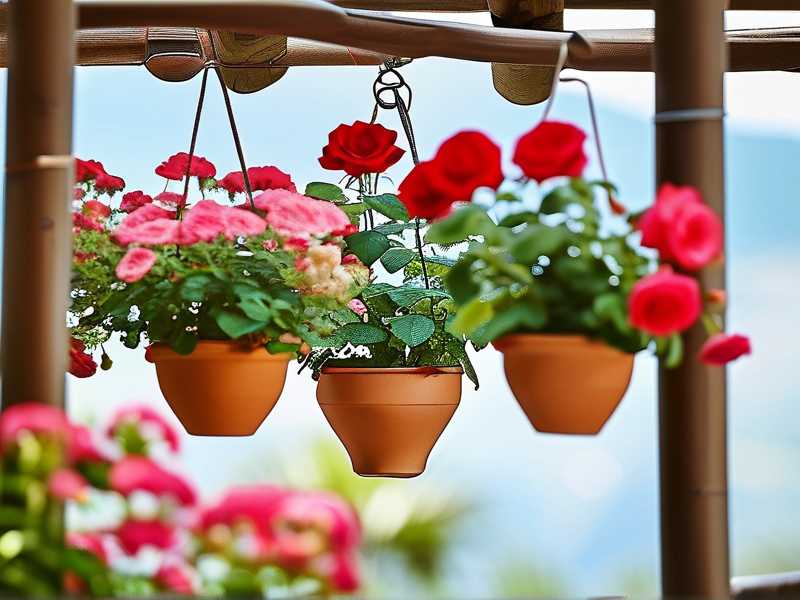
Hanging baskets dry out fast on top and stay wet at the bottom. That's the cruel joke of container growing.
Wind strips moisture from the surface, so you water more. Water sinks and pools near the drainage holes. The roots sitting in that saturated zone rot. Meanwhile the top roots are thirsty.
Roses hate this contradiction. They want consistent moisture but absolutely refuse to sit in a swamp.
The RHS is blunt about container drainage: roses in pots need free-draining growing media, and standing water is one of the fastest ways to lose them. That matches everything I've seen on my balcony.
Calcined clay and pumice solve the contradiction. Calcined clay holds some moisture and releases it slowly. Pumice is porous and lightweight, creating air pockets that let excess water escape while still holding a little reserve.
Together they keep the root zone evenly damp without turning into a bog.
What Exactly Are Calcined Clay and Pumice?
Calcined clay is clay that's been fired at high heat. It puffs up and becomes hard, porous, and stable. It doesn't break down quickly like compost does. You'll see it sold as soil conditioner, calcined clay granules, or sometimes under brand names like Turface.
Pumice is volcanic rock full of tiny holes. It's lighter than gravel, holds moisture in its pores, and drains beautifully. It's a staple in bonsai and succulent mixes for exactly this reason.
Neither is fertilizer. Neither is a magic cure. They're structural ingredients, and that's the point.
I keep both in a bucket on the balcony. A 10-quart bag of each lasts me a full season across six baskets.
The Mix I Actually Use
Here's my working recipe for balcony rose hanging baskets. This makes enough for a standard 12-inch basket.
- 4 parts calcined clay
- 3 parts pumice
- 2 parts quality potting mix
- 1 part compost or worm castings
Wait, that's not 60/40. Let me clarify, because the ratio depends on what you're doing with it.
For the drainage layer at the bottom of the basket, I go 60/40 calcined clay to pumice, pure, no soil. For the growing medium the roots live in, I blend the clay and pumice into potting mix at about 30 to 40 percent of total volume.
That distinction matters. A pure clay-pumice layer at the bottom is your flood control. The amended mix above it is where the roots thrive.
I measure by volume, not weight. A cheap plastic scoop from the dollar store works fine. Precision isn't the goal here. Consistency is.
Step-by-Step: Building the Basket
Step 1: Choose the Right Basket
This is where most people go wrong before they even touch soil. More on that in the mistakes section.
For roses, I use a basket at least 12 inches across. Coco liner or a breathable fabric liner beats plastic. Plastic liners trap water against the sides.
Step 2: Add the Drainage Layer
Pour two to three inches of the 60/40 calcined clay and pumice blend into the bottom. Don't press it down hard. You want those gaps to stay open.
I used to skip this layer, thinking drainage holes were enough. They're not. Water channels and pools regardless.
Step 3: Add the Growing Medium
Fill the basket two-thirds full with your amended mix, the one with clay and pumice blended in. Leave room for the root ball.
Step 4: Position and Backfill
Set your rose so the crown sits level with the final soil line. Backfill gently. Tamp once. Don't compact it like you're building a driveway.
Step 5: Top Dress Lightly
I scatter a thin layer of pumice on the surface. It stops the potting mix from splashing out in rain and deters fungus gnats a little.
Step 6: Water to Settle
Water slowly until it runs from the bottom. This is the only time I want to see runoff pouring out.
My Two-Week Observation Log
I planted a miniature climbing rose in one basket using this method and kept a comparison basket with standard potting soil.
Days 1 to 3: Both looked the same. No drama. The clay-pumice basket drained visibly faster when I watered.
Days 4 to 7: The standard basket's soil stayed damp to the touch two inches down. The clay-pumice basket felt moist but not wet. That difference is everything.
Days 8 to 11: We got two heavy rain days. The standard basket's leaves yellowed lower down. The clay-pumice basket didn't flinch.
Days 12 to 14: New growth on the clay-pumice rose. The standard basket stalled and dropped a bud.
By week two I was convinced. Not because of some dramatic transformation, but because nothing went wrong. That's the win with drainage.
The Three Mistakes That Kill New Growers
I've made all three. Repeatedly.
Mistake 1: Overwatering
This is the big one. You've probably heard that 90% of indoor plants die from overwatering, and container roses outside aren't immune to the same trap. People water on a schedule instead of checking the soil.
I used to water every morning because it felt responsible. I drowned a rose that way. Now I stick a finger two inches into the mix. If it's damp, I wait.
The clay-pumice mix gives you a bigger safety margin, but it won't save you from yourself.
Mistake 2: Light Mismatch
Roses want sun. A basket hung in deep shade on a north-facing balcony will limp along and never bloom, no matter how perfect your drainage is.
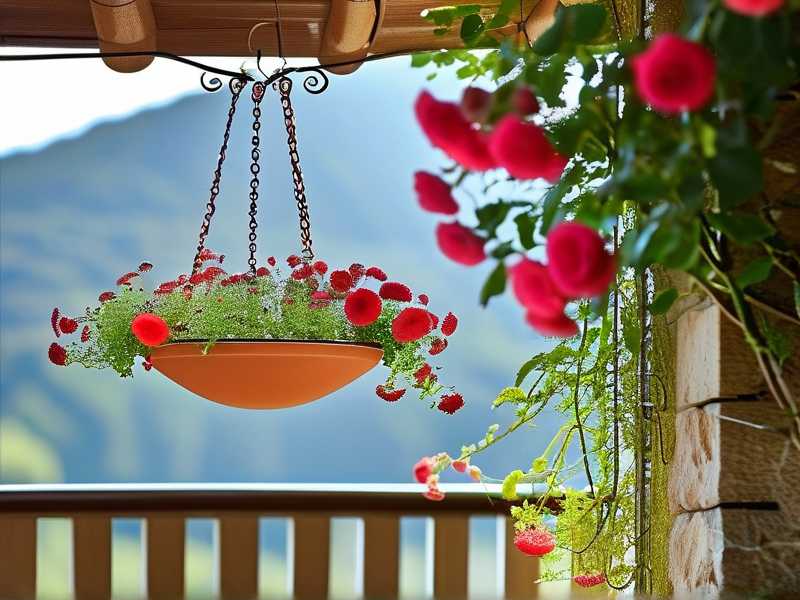
I hung my first basket under an overhang for "protection." It got maybe two hours of weak light. The rose grew tall, thin, and flowerless.
Now I hang baskets where they get six or more hours. The AHS backs this up, noting that most roses need full sun for strong flowering. Drainage and light work as a team.
Mistake 3: The Wrong Basket
I tried a cute plastic-lined basket because it looked nice. The liner held water against the roots. Root rot by week three.
Breathable liners, real drainage holes, and a size that fits the root system matter more than aesthetics.
Common Questions I Get From Friends
Can I use this mix for other plants? Yes. It works great for lavender, succulents, and anything that hates wet feet. I use leftovers in my herb pots.
How often do I replace the drainage layer? Refresh it each season. Calcined clay and pumice break down very slowly, but roots and debris work their way in.
Does this mix need more fertilizer? A little. It drains fast, so nutrients leach out quicker. I feed a diluted liquid rose fertilizer every two weeks during the growing season.
Final Thoughts
Good drainage for balcony rose hanging baskets isn't complicated. It's calcined clay, pumice, and the discipline to check your soil before you grab the watering can. Get those right and your roses will do the rest. My fourth basket is the first one that's actually thriving, and I'm not doing anything special. I'm just letting the roots breathe.