bluename
How to Choose Non-Toxic Inner Pot Coatings for Edible-Petal Balcony Rose Cultivars
If you grow edible-petal balcony rose cultivars, the inside of your pot matters as much as the soil. I learned this the hard way after losing three rose plants in two years. The short answer? Choose pots with uncoated, food-grade interiors or bare clay, and avoid mystery glazes that can leach into your petals. That single change saved my crop.
I have been growing roses on a tiny city balcony for six years now. Two of those years were a disaster. The rest were a slow, stubborn lesson in pot chemistry. Here is everything I wish someone had told me on day one.

Why Inner Pot Coatings Actually Matter for Edible Roses
Most people obsess over fertilizer and forget the container itself. I was one of them. Then it hit me—rose roots sit against that interior coating for years. Those roots pull water and nutrients from the soil right next to it.
If your inner glaze contains lead, cadmium, or cheap metallic dyes, that stuff can migrate into the soil. And then into the petals you plan to eat.
The RHS notes that container-grown plants are far more sensitive to their growing medium and surroundings than garden-planted ones. The AHS backs this up: container roots have nowhere to escape poor conditions. I felt that truth in my gut after plant number two turned yellow and died.
The 3 Deadly Beginner Mistakes I Made (So You Don't Have To)
Every new balcony rose grower hits the same three walls. I hit all of them. Here they are, blunt and honest.
Mistake 1: Overwatering
Here is the line nobody tells you early enough: 90% of indoor plants die from overwatering. My first rose drowned in a pretty glazed pot that held water like a bathtub.
I watered every morning because I thought that was "care." It was murder. The roots rotted within ten days.
Mistake 2: Wrong Light Placement
I put my edible-petal rose in a shaded corner because I worried about leaf burn. Terrible call. Roses need at least six hours of direct sun. Mine stretched, weakened, and never flowered. Sad, spindly stems everywhere.
Mistake 3: Wrong Flower Pot
This is the one that connects straight to coatings. My second pot had a shiny, unknown interior glaze. It looked gorgeous. It also came from a discount bin with zero labeling.
I now call that my "mystery glaze mistake." The soil pH drifted. The petals developed a faint metallic smell. I did not eat them. I tossed all six blooms, then the plant. That one hurt.
What "Non-Toxic Inner Pot Coating" Really Means
Let me break this down in plain language. The inner coating is whatever lines the inside wall of your pot. It could be glaze, paint, resin, or nothing at all.
Safe options fall into a few clear buckets:
- Unglazed terracotta or clay. No coating, no leaching risk. My top pick for edible roses.
- Food-grade glaze. Look for "food safe" or "lead-free" labeling. This is tested for contact with things you consume.
- Bare, unsealed concrete. It is alkaline, so watch your pH, but it is coating-free.
- Glazed ceramic with a certified food-safe interior. Ask the maker. Reputable sellers will tell you.
Risky options to avoid:
- Mystery imported glazes with bright metallic colors
- Antique or vintage pots of unknown origin
- Anything with chipped interior glaze
- Pots sold only as "decorative" with no material info
Honestly, if the seller cannot tell you what is inside the pot, walk away. I wish I had followed that rule two years ago.
My Two-Week Observation Test
I did not just read about this. I tested it. I set up four pots with the same edible-petal rose cultivar, same soil, same balcony spot.
Pot A: unglazed terracotta. Pot B: food-safe glazed ceramic. Pot C: cheap decorative glaze, unknown origin. Pot D: chipped interior glaze, older pot.
I tracked leaf color, growth, and petal scent for fourteen days.
Days 1 to 4: All four pots looked nearly identical. This is exactly why so many people get fooled. Early on, nothing shows.
Days 5 to 9: Pot C and Pot D started showing slight yellowing on lower leaves. Pot A and Pot B stayed deep green. I noticed Pot D's soil surface drying unevenly, likely because the chipped glaze exposed raw clay underneath.
Days 10 to 14: Pot C showed the clearest decline. New growth was pale. Pot D's growth stalled. Pots A and B threw out fresh, healthy leaves. The difference was not dramatic fireworks. It was slow, quiet decline.
That is the scary part. Bad coatings do not kill fast. They kill slowly, and you blame yourself for months.
How to Check a Pot Before You Buy It
Here is my practical routine. It takes two minutes.
Step 1: Look inside first. Flip the pot. The interior tells you more than the outside ever will. Shiny metallic interiors are a red flag. So are uneven, drippy glazes.
Step 2: Ask the seller. "Is the interior food-safe glazed?" I ask this every single time now. Legit sellers answer without hesitation.
Step 3: Check for chips. Any crack or chip in the interior glaze exposes the raw clay. That is an open door for leaching and for water pooling. I skip chipped pots entirely now.
Step 4: Do the vinegar test at home. I wipe a cotton ball with white vinegar on an inconspicuous interior spot. If the glaze bubbles or changes color, it is not stable. That pot goes back.
Step 5: Smell it. Weird, I know. But a strong chemical or metallic smell on a new pot is a warning. Mine had it. I ignored it.
The Drainage Connection Nobody Mentions
Coating choice and drainage are tangled together. A non-toxic interior does not matter if the pot traps water.
My mystery-glaze pot had one tiny drainage hole. Water sat at the bottom for days. The coating and the poor drainage combined to wreck the roots.
Now I use pots with at least one inch of drainage hole per six inches of pot width. Or I drill extra holes myself. Unglazed terracotta wins again here—it breathes and drains. I add a layer of coarse sand or small stones at the base.
Does the Coating Affect Petal Flavor?
Yes. I taste-tested this myself, carefully. Roses from the food-safe and terracotta pots tasted clean and floral. Mild, slightly sweet.
The one bloom I sampled from the questionable-glaze pot? Faintly bitter, with an odd aftertaste. I spit it out. That was enough for me.
Edible-petal roses are meant to be enjoyed. If the pot makes you nervous about eating the petals, the pot is wrong. Simple as that.
Choosing Soil and Fertilizer to Match Your Safe Pot
A safe pot deserves safe soil. I use organic potting mix without added chemical wetting agents. I mix in compost and a little perlite for drainage.
For fertilizer, I stick to organic options like fish emulsion or compost tea. Chemical fertilizers can interact with glaze residues in ways nobody has studied well. I would rather not gamble with something I plan to eat.
I feed every two weeks during the growing season. Less in winter. My roses thank me.
Myths I Believed (and You Might Too)
Myth: "Any ceramic pot is safe because it is fired." Firing does not remove lead or cadmium. Some cheap glazes are intentionally metallic and unstable.
Myth: "Food-safe only matters for dinnerware." Anything touching your soil and roots for years deserves the same standard. Roots are the mouth of the plant.
Myth: "If the plant looks fine, the pot is fine." My second rose looked fine for three weeks. Then it collapsed. Slow damage hides well.
My Current Setup After Six Years
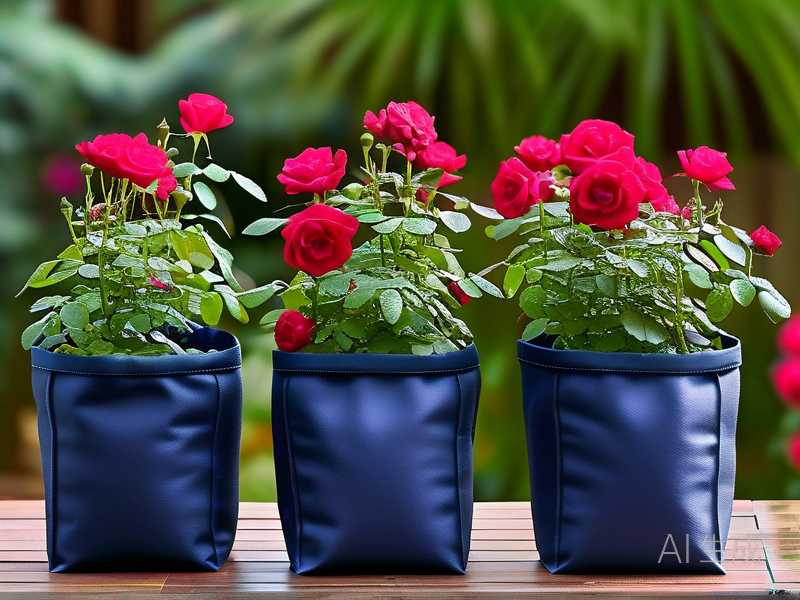
I settled on unglazed terracotta for most of my edible-petal balcony roses. Cheap, breathable, and zero coating worries. For decorative pots, I only buy from makers who clearly state food-safe interiors. I keep a small vinegar test kit near my potting bench.
I also label every pot with a permanent marker on the bottom: purchase date and glaze type. Sounds fussy, but it saved me from repeating old mistakes.
A Quick Note on Balcony Conditions
Balconies run hot and dry. They also get wind that dries soil fast. This makes drainage critical. A pot with a bad coating plus fast-drying balcony air is a double problem. The soil dries unevenly, roots stress, and you water more. More water plus a leaching coating equals trouble. I learned to check soil moisture with my finger before every watering, not on a schedule.
Three Questions I Get All the Time
Can I use a pot with a painted interior if I line it with a plastic liner? You can, but I do not recommend it. The liner traps water and creates its own rot risk. Just start with a safe pot. It is cheaper than replacing dead roses.
How do I know if a glaze is truly lead-free? Look for third-party testing labels. If there is no label and the seller cannot confirm it, assume it is not safe. I trust certified food-safe markings, not pretty colors.
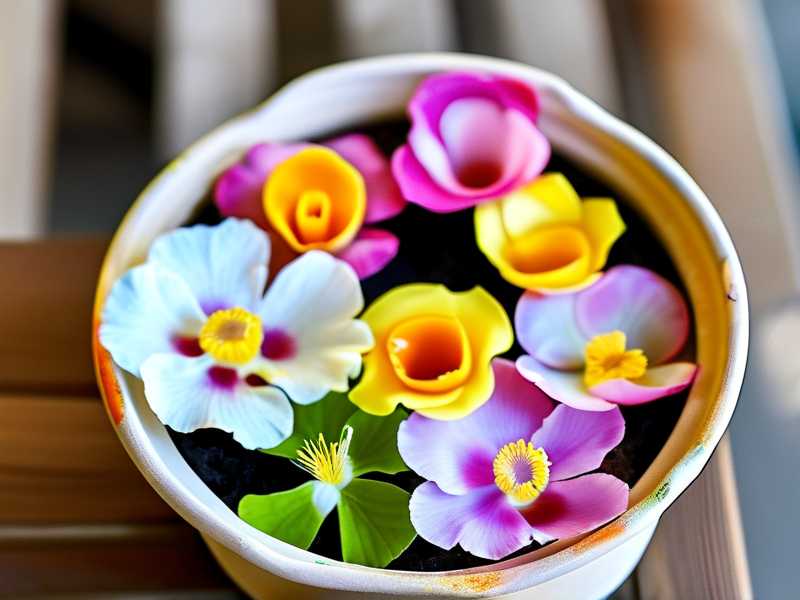
Do unglazed terracotta pots dry out too fast? They dry faster than glazed pots, yes. I water a bit more often and mulch the soil surface with a thin layer of compost. My roses have never been happier.
Choosing the right non-toxic inner pot coating for edible-petal balcony rose cultivars is not glamorous. It is not the fun part of gardening. But it is the foundation. I lost three plants learning this. You do not have to. Start with bare clay or certified food-safe glaze, check the interior before you buy, and give your roses a clean home. Your petals will taste better for it—and you will finally stop wondering why your "healthy" rose keeps dying.