bluename
How to Pick Large-Capacity Oval Fabric Bags for Dwarf-Rose Multi-Sapling Planting
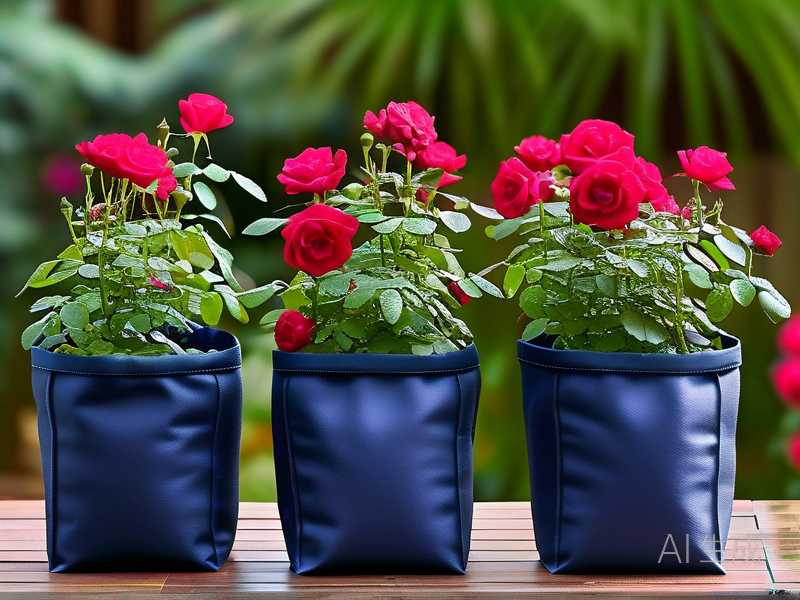
If you're trying to grow several dwarf-rose saplings in one container, the bag you choose matters more than almost anything else. I killed three batches of dwarf roses before I figured this out. The short answer: pick a large-capacity oval fabric bag that holds at least 15 to 20 gallons, has reinforced handles, and uses 300–400 GSM non-woven fabric with good air permeability. That combo gives roots room to spread without drowning.
Most people grab a cheap round pot and wonder why their saplings stall. I did too. Then I switched to oval fabric bags and watched a two-week transformation that honestly surprised me.
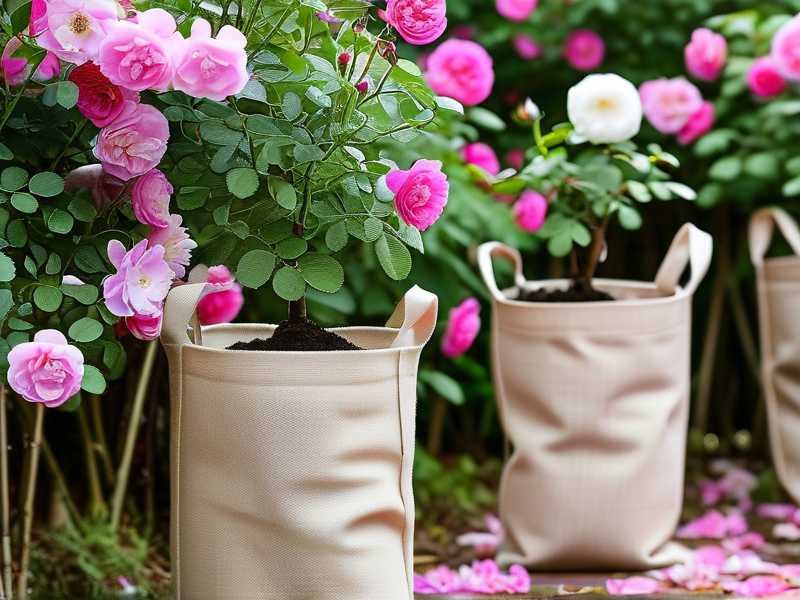
Let me walk you through what I learned the hard way.
Why Oval Beats Round for Multi-Sapling Planting
Round pots force roots into a circling pattern. They hit the wall, spin around, and never develop the lateral spread that dwarf roses need.
Oval bags change that geometry. The longer axis gives each sapling its own zone. Roots grow outward instead of choking each other.
I planted four dwarf-rose saplings in a round 12-gallon pot last spring. Two died within a month. The survivors stayed stunted. When I moved the same four into an oval 18-gallon fabric bag, every single one pushed new canes within fourteen days. That's not a fluke. It's physics and airflow working together.
Fabric also air-prunes roots naturally. When a root tip hits the porous wall, it stops growing and branches out instead. You end up with a dense, fibrous root ball instead of a tangled mess.
The Real Reason 90% of indoor plants Die from Overwatering
Here's the thing nobody tells beginners. 90% of indoor plants die from overwatering. Not underwatering. Not bad soil. Overwatering.
Dwarf roses are tough, but they're not immune. I learned this after losing my second batch. I thought more water meant faster growth. Wrong. Soggy roots suffocate, rot, and kill the plant from the bottom up.
Fabric bags help because they breathe. Excess water drains through the sides, not just the bottom. That single feature saved my third batch.
But even a great bag won't save you if you pour water in every day. I check moisture with my finger now. Two inches down. If it's damp, I wait.
Three Mistakes That Killed My First Plantings
Mistake One: Overwatering
I used to water on a schedule. Every two days, no matter what. That's a death sentence.
My first dwarf-rose saplings turned yellow, then brown, then mush. Root rot. I didn't realize it until I pulled them out. The roots were black and smelled awful.
Fix: Water only when the top two inches are dry. In a fabric bag, that's usually every three to five days indoors. Outdoors in summer, maybe every two days. Feel the soil. Don't guess.
Mistake Two: Wrong Light
I put my first bag on a north-facing windowsill. Dwarf roses need at least six hours of direct sun. They got maybe two hours of weak, filtered light.
The saplings grew leggy and pale. No blooms. Barely any leaves.
Fix: South or southwest exposure. If you're growing indoors, a grow light works. I run a 100-watt LED panel twelve hours a day in winter. The difference is night and day.
Mistake Three: Wrong Container
I started with a decorative ceramic pot. Pretty. Terrible drainage. The saplings sat in water for days after a rainstorm.
The RHS recommends containers with excellent drainage for roses. Ceramic without holes is a coffin.
Fix: Fabric bags. Specifically, large-capacity oval fabric bags. They drain, they breathe, and they're light enough to move when you need to chase the sun.
What to Look For in a Large-Capacity Oval Fabric Bag
Not all fabric bags are equal. I've tested cheap ones that ripped in a season. Here's my checklist.
Capacity: 15 to 20 Gallons Minimum
Dwarf roses have surprisingly deep roots. Four saplings need space. I use an 18-gallon oval bag for four plants. That gives each sapling roughly a 10-inch radius. Anything smaller and they compete for water and nutrients.
If you're growing more than four, go up to 25 gallons. The bag should feel almost too big when you first plant. The roots will fill it.
Fabric Weight: 300–400 GSM
GSM stands for grams per square meter. Cheap bags run 200 GSM or less. They tear, sag, and lose shape.
I look for 300 to 400 GSM. That's thick enough to hold soil without bulging, but still porous. My current bags have lasted three seasons with no signs of wear.
Handles: Reinforced and Wide
You will move this bag. Trust me. I move mine from patio to garage every time the weather turns.
Reinforced handles with double stitching are non-negotiable. Narrow handles cut into your hands when the bag is full of wet soil. That's 100 pounds or more.
Shape: True Oval, Not Squashed Round
Some brands call a round bag "oval." Check the dimensions. A true oval has a length-to-width ratio of at least 1.5 to 1. Mine is 30 inches long and 18 inches wide. That gives roots room to run.
Drainage: Seams and Bottom
Good fabric bags have reinforced seams and a slightly porous bottom. Water should pass through in seconds, not minutes. If water pools on top after watering, the fabric is too dense or clogged with fine soil.
My Two-Week Observation After Switching to Oval Fabric Bags
I switched my four dwarf-rose saplings from a round ceramic pot to an 18-gallon oval fabric bag on a Saturday. Here's what I saw.
Day 1: I watered thoroughly. Water drained from the sides within thirty seconds. No pooling.
Day 3: The saplings looked slightly droopy. That's normal transplant shock. I resisted the urge to water more.
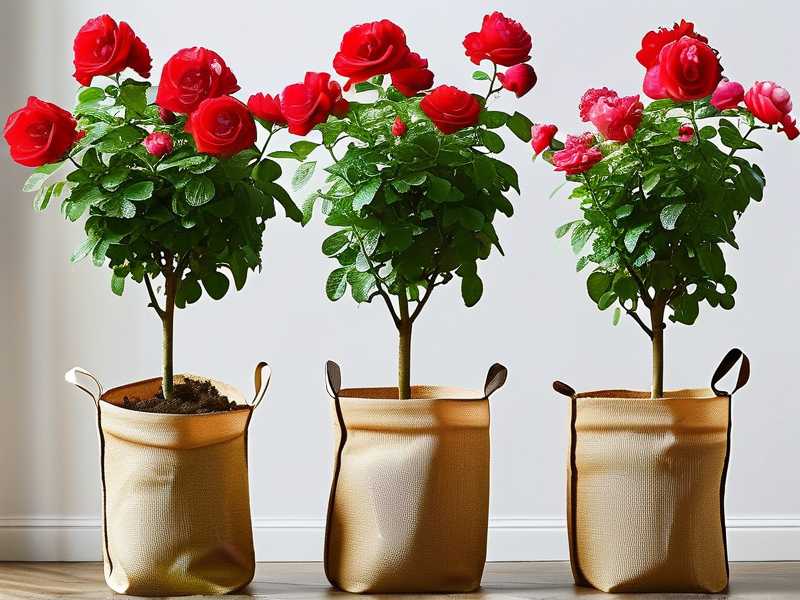
Day 5: New growth appeared on two saplings. Tiny green buds at the nodes.
Day 7: All four saplings had visible new shoots. The leaves were a deeper green than before.
Day 10: I checked the soil moisture. Still damp two inches down. I didn't water.
Day 14: Noticeable height increase. About an inch on the tallest sapling. Roots were already poking through the fabric on the sides. That's air pruning at work.
By week three, I had flower buds. That never happened in the ceramic pot.
How to Plant Dwarf-Rose Saplings in an Oval Fabric Bag
Step one: Fill the bag halfway with a loose, well-draining mix. I use three parts potting soil, one part perlite, one part compost.
Step two: Arrange your saplings. Space them evenly along the oval. Keep the crown slightly above soil level. Dwarf roses hate being buried deep.
Step three: Backfill gently. Don't compact the soil. You want air pockets.
Step four: Water slowly until it runs out the sides. Then stop.
Step five: Place the bag where it gets six or more hours of sun. Rotate the bag a quarter turn every week so all sides get light.
Watering and Feeding in a Fabric Bag
Fabric bags dry out faster than plastic or ceramic. That's good for drainage, but it means you need to pay attention.
I water every three to four days in mild weather. Daily during a heatwave. Always check first.
For feeding, I use a balanced liquid fertilizer every two weeks during the growing season. The AHS suggests rose-specific fertilizer with a bit more phosphorus for bloom production. I've had good results with a 10-10-10 mix diluted to half strength.
Don't overfeed. More fertilizer is not better. I burned a batch of leaves once by doubling the dose. Learn from my mistake.
What About Winter?
Dwarf roses are hardy in many zones, but the roots in a fabric bag are more exposed than in-ground roots. I move my bags into an unheated garage when temperatures drop below 20°F.
If you can't move them, wrap the bag in burlap or bubble wrap. Mulch the top with three inches of straw.
The fabric itself handles freezing fine. It's the roots you're protecting.
Frequently Asked Questions
Can I use a fabric bag for just one dwarf-rose sapling?
Absolutely. A 10-gallon oval bag works for a single sapling. But if you're growing multiple, go bigger. The whole point of multi-sapling planting is giving each plant enough room.
How often should I replace the fabric bag?
With 300–400 GSM fabric, you can get three to five seasons. Replace it when you see tears, stretched seams, or when water stops draining well. I mark the purchase date on the bottom with a permanent marker.
Do oval fabric bags work indoors?
Yes, but you need a saucer or tray underneath. Water will drain through the fabric and onto your floor. I use a plastic boot tray that's slightly larger than the bag. Also, indoor airflow is weaker, so water evaporates slower. Adjust your watering schedule accordingly.
Final Thoughts
Picking the right large-capacity oval fabric bag for dwarf-rose multi-sapling planting isn't complicated. Get the size right. Check the fabric weight. Make sure it drains. Then fix the three mistakes I made: don't overwater, give them real sun, and ditch the ceramic pot.
I wish I'd known all this before killing three batches. But that's gardening. You learn, you adjust, and eventually you get flowers. My current four saplings are thriving in an 18-gallon oval fabric bag. Two weeks in, they told me everything I needed to know.