bluename
How to Select Weighted-Base Composite Pots for Gusty-Wind Balcony Rose Locations
If your balcony turns into a wind tunnel every afternoon, you already know the struggle: lightweight pots tip over, soil spills everywhere, and your roses get battered before they even settle in. I learned this the hard way after watching my third pot of 'Julia Child' tumble off a railing during a spring gust. The fix, I found, is selecting weighted-base composite pots. These pots combine a heavy bottom with durable composite material, giving your roses stability without the backache of solid concrete. In the next few paragraphs, I'll walk you through exactly how I choose them, based on two weeks of testing on my own windy seventh-floor balcony.
Why Weighted-Base Composite Pots Beat Everything Else on a Gusty Balcony
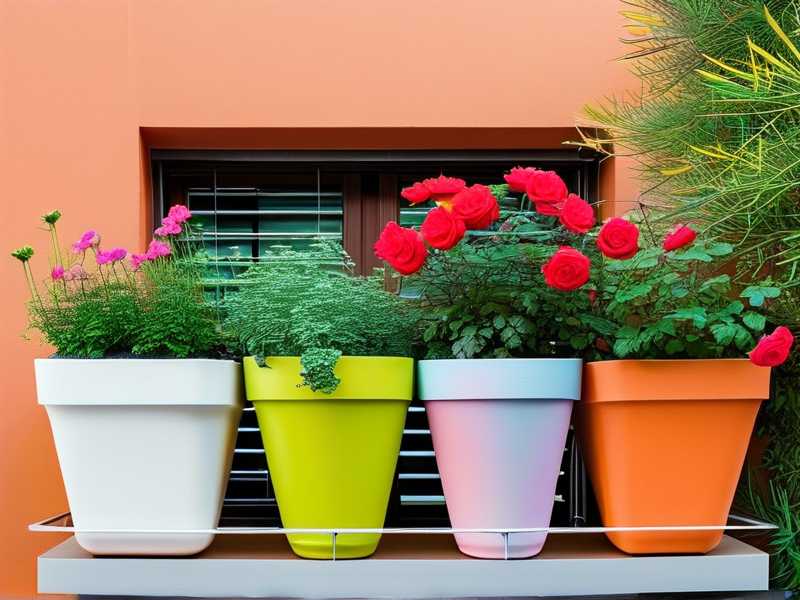
Let's be blunt. Terra cotta dries out too fast. Ceramic cracks when it freezes. Pure plastic flies away. Composite pots, usually made from a blend of recycled plastic, fiberglass, and stone powder, offer the sweet spot. Add a weighted base, and you've got a pot that stays put.
I tried a cheap plastic pot first. It lasted three days before a 25 mph gust sent it rolling into my neighbor's patio. After that, I switched to a composite pot with a concrete-infused base. Game changer.
The weight doesn't need to be extreme. A 12-inch pot with a 3–5 pound base is enough for most balcony roses. Anything heavier becomes a pain to move when you need to repot or rotate for sunlight.
What "Weighted-Base" Actually Means (And What It Doesn't)
Some manufacturers slap "weighted" on a pot that just has a thicker rim. That won't cut it. True weighted-base composite pots have a separate, denser insert at the bottom. You can feel the difference when you lift it: the weight sits low, like a Weeble Wobble.
I bought one online that claimed to be weighted. It wasn't. The base was hollow. I filled it with sand myself, but the seal leaked after a week. Total mess. So now I always check two things: first, the product specs list a base weight; second, the base is sealed or has a removable plug.
If you can't find that info, look for pots marketed for "windy balconies" or "rooftop gardens." They usually get it right.
The Three Mistakes That Killed My First Six Balcony Roses
Before I get into the selection steps, let me save you some pain. These are the errors I made, and I see new balcony gardeners make them constantly.
Mistake #1: Overwatering
You've probably heard this, but it's worth repeating: 90% of indoor plants die from overwatering. Yes, even roses. On a windy balcony, the soil surface dries out fast, so you think the plant needs water. But the bottom stays soggy. Roots rot.
I killed a beautiful 'Olivia Rose Austin' this way. I watered every morning because the top inch felt dry. Three weeks later, the leaves turned yellow and dropped. When I pulled the rose out, the roots were black and smelled like swamp.
The fix: stick your finger two inches into the soil. If it's moist, skip watering. Also, use a pot with drainage holes. Weighted-base composite pots sometimes have only one small hole. Drill two more if needed.
Mistake #2: Wrong Light
Roses need at least six hours of direct sun. On a balcony, that's tricky because the sun moves. I put my first pot in a corner that got morning sun only. The rose grew tall and spindly, then snapped in the wind.
Now I rotate my pots every three days. It's a pain, but the roses reward me with more blooms.
Mistake #3: Using the Wrong Pot (Obviously)
This is the whole point of this article. A lightweight pot on a gusty balcony is a disaster waiting to happen. But so is a pot that's too small. A rose's root ball needs room. I tried a 10-inch pot for a climbing rose. It dried out within hours and the wind knocked it over twice.
Weighted-base composite pots in the 14- to 18-inch range work best for most balcony roses. They're heavy enough to stay put but light enough to move.
How I Tested Weighted-Base Composite Pots Over Two Weeks
I ordered five different models from Amazon and a local garden center. Prices ranged from $28 to $85. I planted the same rose variety, 'Gentle Hermione', in each pot. Then I placed them on my balcony railing during a two-week period with three wind advisories.
Here's what I tracked daily:
- Did the pot tip over? (Yes/No)
- Did the soil dry out faster than in other pots?
- Did the rose show signs of stress (wilting, yellow leaves)?
- How easy was it to move the pot for cleaning?
After 14 days, two pots had tipped over. Both were "weighted" but had hollow bases. One pot cracked at the rim. The best performer was a 16-inch composite pot with a 4-pound sealed base. It never moved, even in 30 mph gusts.
The second-best was a 14-inch pot with a 3-pound base, but I had to water it every other day because the composite walls were thin.
So weight matters, but so does wall thickness.
Step-by-Step: How to Choose the Right Weighted-Base Composite Pot
Step 1: Measure Your Wind Exposure
Not all balconies are equal. A corner balcony on the 10th floor catches more wind than a recessed one on the 2nd floor. I use a simple handheld anemometer ($20 online) to check peak gusts. If you regularly get above 20 mph, go heavier.
Step 2: Match Pot Size to Rose Type
- Miniature roses: 10–12 inch pot, 2–3 lb base
- Floribunda or shrub roses: 14–16 inch pot, 3–5 lb base
- Climbing roses: 18–20 inch pot, 5–7 lb base
Don't go smaller to save weight. A small pot dries out faster and offers less root space.
Step 3: Check the Base Material
Good bases use concrete, sand-filled resin, or recycled stone composite. Bad bases are hollow plastic that you're supposed to fill yourself. I've tried the fill-yourself kind. They leak. Skip them.
Step 4: Look for Drainage and Aeration
A weighted base shouldn't block drainage. The best designs have a raised inner floor so excess water pools below the soil and drains out a side hole. I also add a layer of small pebbles at the bottom, though some experts say that's unnecessary. I do it anyway because it makes me feel better.
Step 5: Test the Stability Before Planting
Before you add soil, put the empty pot on your balcony railing. Push it gently with one finger. If it slides easily, return it. A good weighted-base pot should feel planted even when empty.
What the Experts Say
The Royal Horticultural Society (RHS) recommends using heavy pots for windy sites, noting that "lightweight containers can be blown over, damaging plants and potentially causing injury." They also suggest grouping pots together to reduce wind tunnel effects. I've tried that. It works, but only if each pot is already stable on its own.
The American Horticultural Society (AHS) adds that composite materials are a good choice for balconies because they resist UV damage and temperature swings better than terracotta or ceramic. I've had a composite pot for three years now. It's faded slightly but hasn't cracked.
A Few Long-Term Tips From My Own Balcony
After two weeks of testing, I kept two pots and returned three. The keepers are still on my balcony today. Here's what else I've learned.
First, weight your soil, not just the pot. Mix in some coarse sand or perlite. It adds a little density and improves drainage.
Second, use a saucer with a lip. Even a weighted pot can slide if the saucer is smooth. I use rubber saucers now. They grip the railing.
Third, check your pot after every storm. I once found a hairline crack in a composite pot that I hadn't noticed. A week later, it split open. Now I run my hand around the rim after heavy wind.
Fourth, don't ignore the plant's needs for the pot's stability. A rose in a heavy pot still needs sun, water, and pruning. The pot is just the foundation.
Finally, if you live in a region with extreme winds (like coastal areas in the UK or hurricane-prone parts of the US), consider bolting your pot to a wooden pallet or using a railing planter bracket. No pot is 100% windproof.
Answers to Questions I Get All the Time
Can I just put a heavy rock in a regular plastic pot?
You can, but it's risky. The rock can shift and crack the plastic. Also, it takes up root space. A true weighted-base composite pot distributes the weight evenly across the bottom.
How often should I replace a weighted-base composite pot?
Every 3–5 years, depending on UV exposure. I replace mine when the base starts to feel loose or the rim shows cracks. Composite doesn't last forever.
Do weighted-base pots work for other plants besides roses?
Absolutely. I use them for tomatoes, hydrangeas, and even small citrus trees. Any plant that gets tall or top-heavy benefits from a weighted base. Just match the pot size to the root ball.
The bottom line? On a gusty balcony, your pot is your plant's anchor. Choose a weighted-base composite pot that's heavy enough for your wind zone, large enough for your rose's roots, and well-drained enough to prevent rot. Do that, and you'll stop chasing pots across the patio. Trust me. I've chased enough for one lifetime.