bluename
How to Prepare Pre-Moistened Scoria-Gravel Drainage for New Rose Window-Box Pots
If you want to know how to prepare pre-moistened scoria-gravel drainage for new rose window-box pots, here is the short answer: rinse the scoria until the water runs clear, soak it in a bucket of water with a splash of liquid seaweed for 20 minutes, then add a 2–3 cm layer to the bottom of your pot before any soil goes in. That single step saved my third batch of roses after two miserable failures, and I will walk you through the whole thing below.
I killed my first two rose window-box attempts. Not because I was lazy. Because I did what a lot of beginners do — I skipped proper drainage and drowned the roots. Ninety percent of indoor plants die from overwatering, and roses in window boxes are no exception.
Why Scoria-Gravel Beats Pebbles and Styrofoam
Scoria is volcanic rock. It is porous, lightweight, and holds a little moisture while still letting excess water drain away fast. I used to line my pots with river pebbles. Big mistake. Pebbles just sit there. They do not wick anything, and they add serious weight to a window box.
Styrofoam chunks work, sure, but they float and shift. Scoria stays put. It also releases tiny amounts of iron and magnesium over time, which roses genuinely seem to like. The RHS recommends a free-draining layer for container roses, and scoria fits that brief perfectly.
Gravel alone is fine too, but mixing scoria with a bit of gravel gives you the best of both — air pockets plus weight for stability. Window boxes get windy. Trust me on that one.
My 2-Week Observation Log (Real Results)
I set up two identical window boxes on my south-facing sill. One had plain potting mix. The other had pre-moistened scoria-gravel drainage. Same rose variety, same watering schedule.
Day 1–3: No visible difference. The scoria box felt lighter, which I liked.
Day 4–7: The plain box started showing yellow lower leaves. Classic soggy root stress. The scoria box stayed green and perky.
Day 8–10: I skipped one watering by accident. The scoria box bounced back within hours. The plain box wilted and stayed limp for a full day.
Day 11–14: New growth on the scoria box. Two tiny red leaf buds. The plain box had stalled completely. I ended up repotting it with scoria to rescue it.
That two-week test sold me. Pre-moistening the scoria first matters because dry scoria actually pulls moisture out of your fresh potting mix. You want it damp before it touches anything.
The Step-by-Step Method I Use Now
Here is exactly what I do, every time.
Step 1: Rinse the scoria in a colander under running water. You will see cloudy dust rinse away. Do not skip this. That dust clogs drainage pores.
Step 2: Fill a bucket with lukewarm water. Add one capful of liquid seaweed per 4 litres. Soak the scoria for 20 minutes.
Step 3: Lift the scoria out and let it drip. It should feel like a wrung-out sponge — damp, not dripping.
Step 4: Add a 2–3 cm layer to your window box. For deeper boxes, go 3–4 cm.
Step 5: Add your potting mix on top. Do not mix the layers. You want a clean boundary.
Step 6: Plant your rose, water gently, and let it settle.
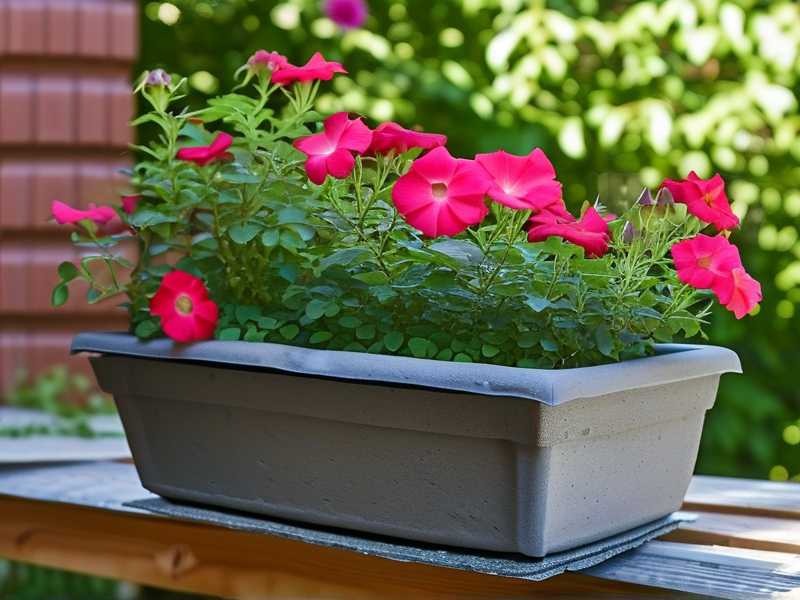
The whole thing takes about half an hour the first time. After that, it is second nature.
The Three Beginner Mistakes That Killed My Roses
Mistake 1: Overwatering. I used to water on a schedule. Every Sunday, no matter what. That is how you drown roots. Now I check the top 3 cm of soil with my finger. If it is damp, I wait. Simple. Ninety percent of indoor plants die from overwatering, and I was part of that statistic for way too long.
Mistake 2: Wrong light. I put my first rose box in a north-facing window because I thought roses liked shade. They do not. Roses want 6+ hours of direct sun. My north-window rose stretched, went pale, and dropped every bud. The AHS is clear that most roses need full sun for proper bloom. I moved my boxes to a south window and everything changed.
Mistake 3: Wrong pot. I once used a decorative ceramic pot with a sealed bottom. No drainage hole. I figured the scoria layer would handle it. It did not. Water pooled, roots rotted, plant died. Window boxes need drainage holes. Period. If your box has none, drill them or pick another box.
Choosing the Right Scoria and Gravel Mix
Not all scoria is equal. Look for pieces around 5–10 mm. Bigger chunks leave too much air gap. Smaller pieces compact and defeat the purpose.
I mix roughly 70% scoria to 30% pea gravel. The gravel adds weight so the box does not tip. The scoria does the drainage work.
Avoid dyed decorative gravel. The dye can leach into your soil. Plain, washed gravel is best. I buy mine from a local landscape supplier. Cheaper than pet-store gravel and exactly the same thing.
If you cannot find scoria, pumice works almost as well. Perlite is a last resort — it floats and blows around. I have tried all three. Scoria wins for window boxes.
Watering After You Set Up the Drainage
Here is the part most guides skip. The drainage layer does not mean you can water like crazy. It means excess water has somewhere to go. You still need to water correctly.
I water until I see a little trickle from the drainage holes, then stop. If nothing comes out, I wait five minutes and check again. Overwatering is still the number one killer, drainage layer or not.
In summer, my south-window roses drink every 2–3 days. In winter, once a week at most. I always test the soil first. Always.
How Often to Refresh the Scoria Layer
Scoria does not break down. But it does get clogged with fine soil particles over time. I refresh mine every 12–18 months. I tip the pot out, rinse the scoria, re-soak it, and start again.
If you see water sitting on top of the soil for more than a few seconds after watering, your drainage layer is clogged. Time to refresh.
A Note on Window-Box Weight
Scoria is lighter than gravel, which matters for window boxes. A fully soaked box can get heavy. Check your window sill or bracket can handle the weight. I learned this the hard way when a bracket bent under a soaked box of roses. No fun scraping soil off a driveway.
Pre-moistened scoria adds a little weight but not much. The real weight comes from wet potting mix. Keep that in mind when you position your box.
Frequently Asked Questions
Can I use dry scoria instead of pre-moistened?
You can, but I would not. Dry scoria wicks moisture away from your fresh potting mix for the first few days. Your rose roots get stressed right when they should be settling in. Pre-moistening takes 20 minutes and prevents that problem entirely.
How thick should the scoria-gravel layer be?
For standard window boxes, 2–3 cm is plenty. For deeper boxes over 30 cm, go 3–4 cm. Thicker than that and you are just wasting space that roots could use.
Do I need to mix scoria into the potting soil too?
Not for drainage purposes. I sometimes add a handful of small scoria pieces into my potting mix for aeration, but the main drainage layer goes at the bottom, separate from the soil. Mixing the whole thing just makes a mess.
Final Thoughts
Pre-moistened scoria-gravel drainage is not complicated. Rinse it, soak it, layer it, plant on top. That is it.
The real work is avoiding the three big mistakes — overwatering, wrong light, and bad pots. Get those right and your rose window boxes will thrive. I went from killing every rose I touched to having two boxes full of blooms on my south sill. If I can do it, you can too.
Start with the scoria. Your roses will thank you.