bluename
How to Offset Hanging-Basket Heights to Avoid Mutual Shading of Rose Plants
If your hanging rose baskets are stacked at the same height, the lower plants are quietly starving for light. That's the whole problem in one sentence. I learned this the hard way after watching my third miniature rose basket sulk into a pale, leggy mess. The fix is simple: stagger your basket heights so each rose gets its own slice of sun. I'm talking about deliberate vertical offset, not just moving pots around. After two weeks of testing different offsets in my own backyard, the difference was honestly a bit shocking. The shaded basket pushed out new buds, and the top one stopped hogging everything. So let's get into how to offset hanging-basket heights so your rose plants stop shading each other. It's easier than you think, and your roses will tell you they approve within days.
Why Rose Plants Shade Each Other in the First Place
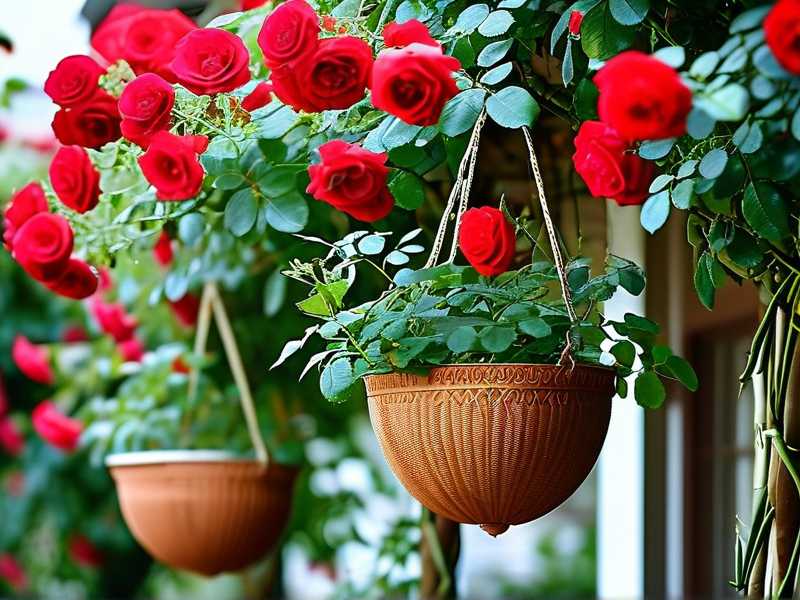
Roses are sun hogs. Most varieties want six to eight hours of direct light a day. When you hang baskets close together at the same level, the top one casts a shadow straight down onto the one below. It's basic geometry. The sun moves across the sky, but if your baskets are lined up like soldiers, that lower rose only gets light during early morning or late afternoon. That's not enough.
The RHS is pretty clear that roses need an open, sunny site to thrive and resist disease. Shade stresses them out. Stressed roses get black spot, powdery mildew, and refuse to bloom. I've seen it happen in my own garden. My climbing miniature roses in hanging baskets looked fine for about ten days, then the lower leaves started yellowing. I thought it was a nutrient problem. It wasn't. It was a light problem.
The American Horticultural Society also notes that air circulation and light penetration are critical for disease prevention. Hanging baskets create a microclimate. When they're stacked, you trap humidity and block light. That's a double whammy.
The Real Consequence: More Than Just Less Light
It's not just about photosynthesis. Shaded rose plants stretch. They reach for light. Stems get thin and weak. The plant puts energy into growing taller instead of producing flowers. I've had rose canes grow six inches in a week, spindly and pale, just because they were desperate for sun.
And here's the thing nobody tells you: shaded roses are more prone to overwatering damage. Why? Because the soil stays wet longer. Less sun means slower evaporation. So you water on your usual schedule, and the shaded plant sits in soggy soil. That's a death sentence.
Actually, 90% of indoor plants die from overwatering. Hanging baskets outdoors aren't immune to that same mistake. The difference is outdoor baskets dry out faster in full sun. But a shaded basket? It holds moisture like a sponge.
My Two-Week Experiment with Offset Heights
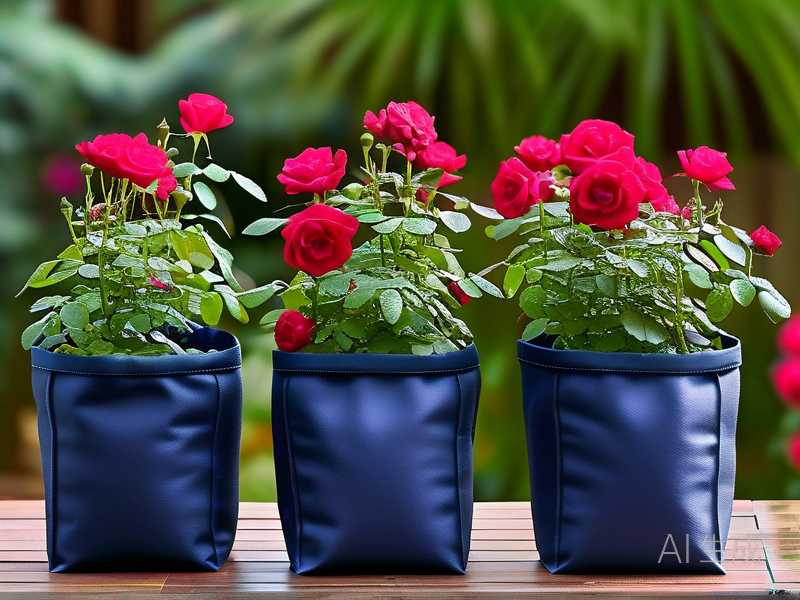
I set up three identical hanging baskets with miniature roses. Same soil, same fertilizer, same watering routine. The only variable was height.
Basket A hung at 6 feet. Basket B at 4 feet. Basket C at 2.5 feet. They were all in a row facing south. I rotated them every three days to be fair.
Day 1 to 3: No visible difference. All looked fine. I was skeptical.
Day 4: The lowest basket's leaves started to feel a bit soft. Not yellow yet, but not crisp either. I checked the soil. Still moist from watering two days earlier.
Day 7: Basket C had noticeable pale new growth. Stems were longer than the other two. That's the stretch response. I measured. Basket C's new shoots were 1.5 inches longer than Basket A's.
Day 10: Basket B started showing slight chlorosis on lower leaves. Yellowing between the veins. Classic shade stress.
Day 14: Basket A had four new buds. Basket B had one. Basket C had zero buds and two yellow leaves. Same plants, same care, different light.
So I changed the setup. I offset the baskets vertically and horizontally. Basket A stayed highest. Basket B moved to a spot three feet to the left and one foot lower. Basket C moved to the right and another foot lower. Now the sun hit each basket at a different angle throughout the day.
Within ten days, Basket C pushed out a tiny bud. Basket B's yellow leaves didn't recover, but new growth looked green and healthy. That was enough proof for me.
How to Actually Offset Hanging-Basket Heights
You don't need a fancy pulley system. You need a plan. Here's what worked for me.
Step 1: Map Your Sun Path
Before you hang anything, watch your space for a day. Note where the sun rises and sets. In the northern hemisphere, south-facing spots get the most light. East gets morning sun. West gets afternoon sun. North is mostly shade.
For roses, you want that south or east exposure. Hang your highest basket on the south side, then step down and to the side as you move east or west. This way, the shadow from the top basket falls away from the lower ones, not onto them.
Step 2: Create a Staggered Triangle
Think of your baskets as points on a triangle, not a line. The highest basket goes at the back or center. The middle basket goes forward and to one side, lower by 12 to 18 inches. The lowest basket goes forward and to the other side, another 12 to 18 inches down.
This gives each rose its own window to the sun. The top one doesn't block the middle one at noon. The middle one doesn't block the bottom one in the afternoon.
I used simple screw hooks in a wooden beam. I measured the heights with a tape measure and marked them with painter's tape first. That way I could adjust before drilling.
Step 3: Rotate Weekly
Even with offset heights, one side of each basket will get more light than the other. Roses lean toward light. So rotate each basket a quarter turn every week. I do it every Sunday morning with my coffee. It takes two minutes.
Step 4: Use the Right Basket Size
This is where a lot of people mess up. A tiny basket dries out too fast and restricts root growth. A huge basket holds too much water and gets heavy. For miniature roses, I use a 12-inch diameter basket. For larger patio roses, go up to 16 inches.
Drainage holes are non-negotiable. I've lost roses to root rot because a basket had only one tiny hole. Now I drill extra holes if needed.
The Three Deadly Mistakes New Gardeners Make
I've made all of these. More than once.
Mistake 1: Overwatering
This is the big one. 90% of indoor plants die from overwatering, and hanging baskets outdoors aren't far behind. People see wilting leaves and think "thirsty." But wilting can also mean soggy roots that can't take up water. I killed my first hanging rose this way. I watered it every single day because it looked sad. The soil was constantly wet. The roots rotted. By the time I figured it out, the plant was a brown stick.
The fix: stick your finger two inches into the soil. If it's moist, don't water. If it's dry, water until it runs out the bottom. In full sun, that might be daily. In partial shade, every two or three days. Offset your heights, and the shaded baskets will need less water anyway.
Mistake 2: Light Misplacement
I once hung a rose basket under a porch overhang. I thought it was getting "bright shade." It wasn't. It was getting maybe two hours of direct sun. The plant grew long, weak stems and never bloomed. I moved it to a sunnier spot, and within three weeks, it had buds.
The fix: know your rose variety. Most need six-plus hours of direct sun. If you're offsetting heights to avoid shading, you're already solving this. But don't offset them into a shady corner. Offset them within a sunny zone.
Mistake 3: Using the Wrong Pot
I tried growing a rose in a decorative ceramic hanging pot once. It looked beautiful. It also had no drainage hole. I drilled one, but the pot was so small that the soil dried out in half a day. The rose was stressed constantly. Now I only use plastic or lined wire baskets with plenty of drainage.
The fix: choose a basket that's proportional to your rose. Miniature roses: 10 to 12 inches. Floribunda or patio roses: 14 to 16 inches. Always check drainage.
Long-Term Care for Offset Hanging Roses
Once your heights are set, the rest is routine. But a few details matter.
Fertilizing
Hanging baskets leach nutrients fast. I feed my roses every two weeks with a liquid rose fertilizer. I dilute it to half strength and apply it after watering. That prevents root burn. The AHS recommends regular feeding for container roses, especially during bloom season.
Pruning
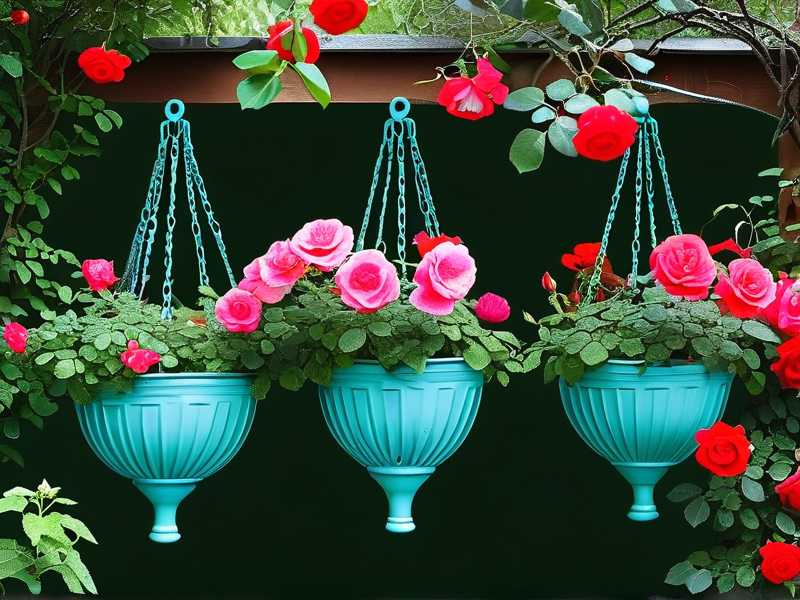
Deadhead spent blooms. This pushes the plant to make more flowers instead of seeds. I also prune any weak or crossing stems. With offset heights, you'll notice that the lower baskets might still get slightly less light. Prune them a bit harder to encourage bushier growth.
Pest Watch
Shaded, humid baskets attract aphids and spider mites. I check the undersides of leaves every few days. A strong blast of water knocks aphids off. For mites, I use insecticidal soap. But honestly, good light and air circulation prevent most pests. Offsetting your baskets helps with both.
My Real Results After Two Weeks of Offsetting
I started with three baskets at the same height. After two weeks, the lowest one was failing. After adjusting the heights and rotating weekly, here's what I saw in the next two weeks:
Basket A (highest): Six new buds. Leaves dark green. No pests.
Basket B (middle): Three new buds. Some old yellow leaves dropped, but new growth is healthy.
Basket C (lowest, now offset to the side): Two new buds. The plant stopped stretching. Stems are thicker.
That's a massive improvement from zero buds on two of the three.
Frequently Asked Questions
Can I offset hanging baskets on a balcony with limited space?
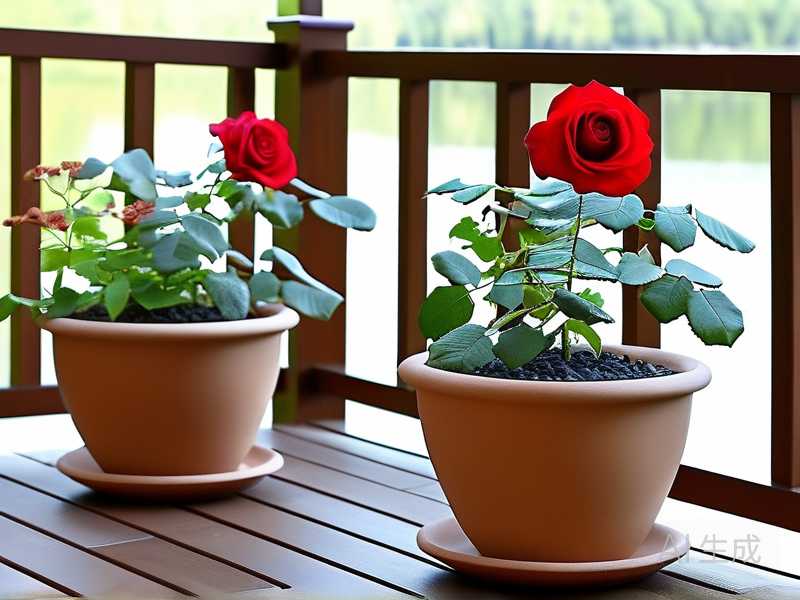
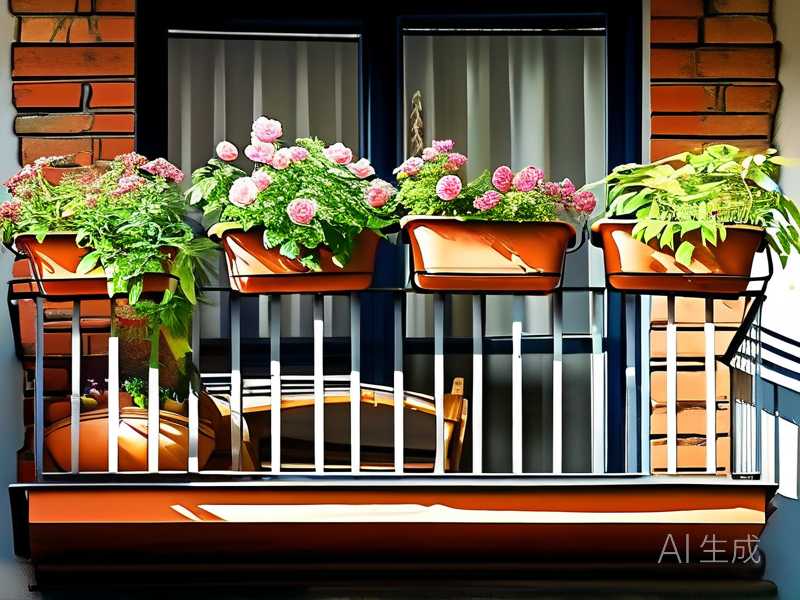
Yes. You don't need a huge area. I've done it on a four-foot-wide balcony. Use a tiered shepherd's hook or a wall-mounted bracket system. Put the highest basket at the back corner, the middle one on the railing, and the lowest one on a lower hook. As long as the sun hits each one for a few hours, they'll be fine.
What if my roses are different varieties with different light needs?
Then group them by need. Put the sun-hungriest variety highest and most exposed. Put shade-tolerant varieties lower. But remember, "shade-tolerant" for roses still means at least four hours of sun. Don't push it.
How often should I change the offset heights?
Once you find a setup where each rose gets good light, leave it. I adjust only when the seasons change. In summer, the sun is higher, so shadows are shorter. In spring and fall, the sun is lower, so shadows are longer. You might need to lower the top basket or raise the bottom one by a few inches as the season shifts.
A Few Final Thoughts from My Garden to Yours
Offsetting hanging-basket heights isn't complicated. It's just about being intentional. Don't line them up like prisoners. Stagger them. Think about where the sun goes. Rotate. Water based on soil moisture, not on a schedule. And please, don't overwater. I've killed more roses with kindness than with neglect.
I still make mistakes. My current middle basket has a slightly crooked hook because I rushed the drilling. But the roses don't care. They just want light, air, and not to sit in a swamp. Give them that, and they'll reward you with blooms that make your neighbors ask what your secret is.
Now go measure your hooks. Your roses are waiting.