bluename
How to Arrange Pot-Risers to Prevent Rose-Pot Staining on Concrete Balcony Floors
If your concrete balcony has rust-colored rings under your rose pots, you are not alone. I learned this the hard way after two summers of scrubbing stains that never came out. The fix is simple: lift every pot off the concrete with proper pot-risers, keep a gap of at least 1 to 2 inches, and make sure water never pools underneath. That single change stopped new stains on my balcony within two weeks. This article is about how to arrange pot-risers to prevent rose-pot staining on concrete balcony floors, and I will walk you through exactly what I did, what failed, and what actually worked.
Why Rose Pots Stain Concrete in the First Place
Concrete is porous. It looks solid, but it drinks water and holds minerals. When you water a rose in a pot, excess water drains out the bottom.
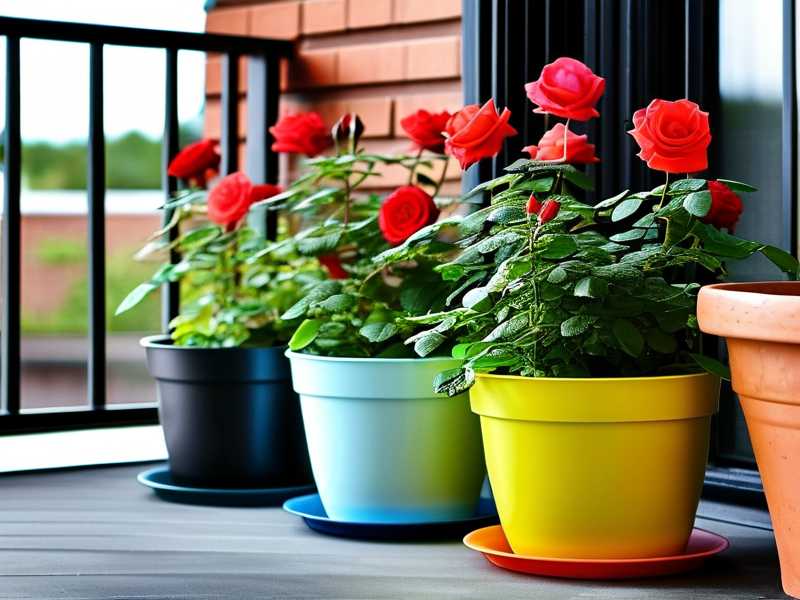
That water carries dissolved salts, fertilizer, and tiny soil particles. It sits between the pot base and the concrete. Over time, it leaves a permanent ring.
Rust-colored stains often come from metal saucers or cheap pot feet that corrode. Dark rings come from tannins and organic matter in potting mix.
I once left a terracotta rose pot directly on my balcony for six weeks. By the time I lifted it, the ring was already set. Sanding helped a little. It did not remove it.
So the real goal is not cleaning. It is separation. Airflow and drainage keep the concrete dry.
My Two-Week Test: What Changed When I Added Risers
I ran a simple test last spring. Four rose pots sat on the same balcony slab.
Two pots stayed flat on the concrete. Two pots got 2-inch galvanized risers. I watered all four the same way every morning.
By day three, the flat pots had wet halos underneath. The raised pots stayed dry at the base.
By day seven, one flat pot showed a faint brown ring. The raised pots showed nothing.
By day fourteen, the ring under the flat pot had darkened. I could not wipe it off. The raised pots still looked clean. That was enough proof for me.
The difference was not the pot. It was the air gap. A pot-riser lets water evaporate instead of soaking into the slab.
The Three Mistakes That Kill Both Roses and Balcony Floors
Most new growers make the same mistakes I made. These problems show up faster on a balcony than in a garden bed.
1. Overwatering
This is the big one. You will hear it from every experienced grower: 90% of indoor plants die from overwatering. Balcony roses are not houseplants, but the overwatering problem is identical.
Wet feet cause root rot. They also push more stained water onto your concrete. When I first started, I watered every day because the top inch looked dry. The roots were drowning.
Now I check the soil two inches down before watering. If it feels damp, I wait.
2. Light Misplacement
Roses want sun. Concrete balconies can get brutally hot. A pot in full afternoon sun dries fast on top but stays wet at the bottom.
I moved one rose to a spot with morning sun and afternoon shade. The soil dried more evenly. Less water sat under the pot.
If your balcony faces south or west, watch for heat stress. Wilting leaves are not always a sign of thirst.
3. Wrong Pots
I killed my first three balcony roses in glazed ceramic pots with attached saucers. The saucer trapped water against the concrete.
Plastic pots with one small drainage hole were almost as bad. Water dribbled out slowly and spread under the base.
Now I use pots with multiple drainage holes and a slight taper. They release water quickly. The riser does the rest.
How to Choose the Right Pot-Risers for Rose Pots
Not all risers work the same. I tried several types before settling on what works.
Pot feet are small individual lifts. They work well for lightweight pots. For a large rose pot, they can wobble.
Pot stands with four legs give better stability. Look for stands rated for the weight of wet soil. A 12-inch rose pot can weigh 30 pounds or more when saturated.
Plant caddies with wheels are handy if you move pots. Make sure the platform has drainage holes or slots. A solid platform just moves the problem.
Inverted saucers or bricks are a common DIY option. They work, but they can still trap some moisture. I prefer something with open airflow underneath.
Material matters too. Galvanized steel and powder-coated metal resist rust. Cheap unfinished metal will stain your concrete all by itself.
Ceramic feet look nice but crack in freezing weather. If you garden in Canada or the northern US, check that your risers are frost-proof. I lost a set of clay feet after one hard freeze.
Step-by-Step: Arranging Pot-Risers to Stop Staining
Here is the exact setup I use now. It takes about ten minutes per pot.
Step 1: Clean the Concrete First
You cannot prevent stains on top of old stains. Scrub the area with a stiff brush and a mild detergent.
For existing rust rings, try a paste of baking soda and water. Let it sit, then scrub. It lightens the ring even if it does not erase it.
Let the concrete dry completely before placing anything on it.
Step 2: Pick the Right Riser Height
One inch is the minimum. Two inches is better. I use two-inch risers for large rose pots.
The goal is airflow. Air moving under the pot keeps the concrete dry.
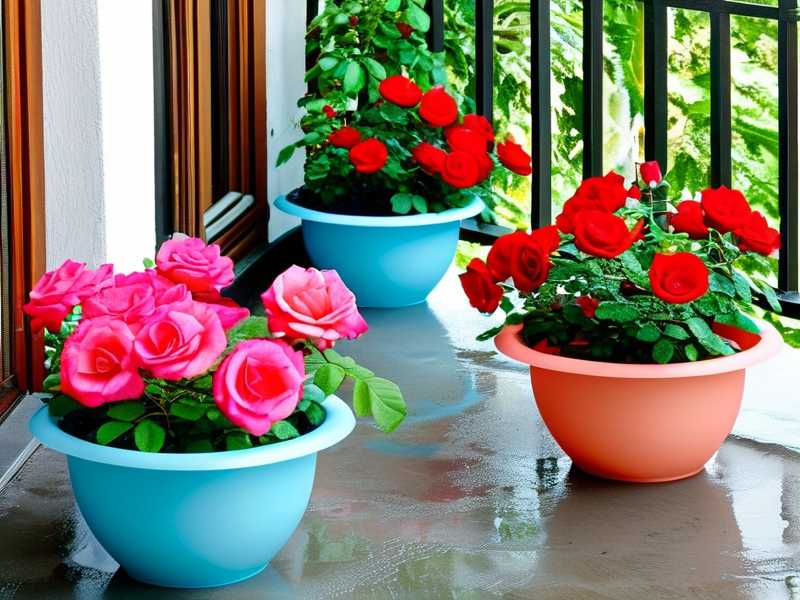
If your balcony gets heavy rain, go higher. Three inches helps water drain away instead of pooling.
Step 3: Space Pots Apart
Crowding pots traps humidity. It also makes it harder to see leaks.
Leave at least 6 to 8 inches between large pots. For smaller pots, 4 inches is fine.
I learned this after placing three pots in a tight row. The middle one stayed wet the longest and stained first.
Step 4: Use a Drip Tray Under the Riser, Not Under the Pot
This is the trick most people miss. Put the riser on the concrete. Put the pot on the riser.
If you want extra protection, place a shallow tray under the riser. The tray catches drips. The riser keeps the pot out of the tray water.
Never put a saucer directly under the pot. That just recreates the staining problem.
Step 5: Check After Every Watering
For the first week, look under each pot after you water. If you see standing water, adjust the riser.
I check mine every few days. It takes thirty seconds. It saved my concrete.
The Humidity Factor on Balconies
Balconies trap moisture differently than open ground. Walls and railings block breeze. Shade from an overhang slows evaporation.
I noticed my north-facing balcony stayed damp much longer than my south side. The pots there needed taller risers.
If your balcony has poor airflow, consider a small fan during humid months. It sounds fussy. It works.
Also watch for gutter or roof runoff. Water dripping from above can soak a pot from the top and drain constantly onto the floor.
What the Experts Say
The RHS recommends raising containers on feet or blocks to improve drainage and airflow. They note this helps prevent waterlogging, which is a leading cause of container plant failure.
The AHS also stresses good drainage for container roses. Both organizations agree that wet feet harm roots. The same principle protects your concrete.
I follow this advice for every pot on my balcony now. It solved two problems at once.
My Real Mistakes and What I Learned
I have killed more balcony roses than I want to admit. Each failure taught me something.
I killed my first rose by watering it every day in a pot with no riser. The roots rotted. The concrete stained.
I tried cheap metal pot feet from a discount store. They rusted in one season and left orange marks. I switched to galvanized risers after that.
I once stacked bricks under a pot. It worked until a storm knocked the pot over. Stability matters as much as height.
I also tried a solid wooden platform. Water sat on the wood and dripped onto the concrete anyway. Open airflow is the key.
After all those experiments, the simple two-inch riser with a drip tray underneath won.
Seasonal Care That Protects Your Balcony Floor
Your riser setup needs small adjustments through the year.
In spring, check that winter frost did not crack your risers. Replace any damaged ones.
In summer, water carefully and empty drip trays after heavy rain. Standing water in a tray can still splash onto concrete.
In fall, remove fallen leaves from under pots. Wet leaves hold moisture against the slab.
In winter, bring pots inside or raise them higher. Freeze-thaw cycles damage both pots and concrete.
Quick Reference: Do and Do Not
Do use risers at least 1 to 2 inches tall.
Do choose rust-proof materials.
Do leave space between pots.
Do check under pots after watering.
Do not put saucers directly under pots.
Do not use single small pot feet for heavy rose pots.
Do not ignore standing water after rain.
Do not water on a schedule. Check the soil first.
Frequently Asked Questions
How high should pot-risers be for rose pots on a balcony?
Aim for at least 1 to 2 inches. Two inches works well for most rose pots. If your balcony stays damp or gets heavy rain, go to 3 inches. The important thing is airflow under the pot.
Can I just use bricks or stones instead of buying risers?
You can, and I did for a while. Bricks work if they are stable and do not hold water. The risk is wobbling and staining from porous stone. Purpose-made risers are more stable and often rust-proof.
Will pot-risers stop stains that are already there?
No. Risers prevent new stains. For old rings, scrub with a mild detergent or a baking soda paste. Some deep stains never come out completely.
Final Thoughts
Preventing rose-pot stains on concrete comes down to one habit: keep the pot off the slab. Use a riser with airflow, water only when the soil needs it, and check underneath after watering. I fixed my balcony in two weeks with this routine. You can do the same without replacing your floor or your pots.