bluename
How to Select Lightweight Composite Window Boxes for Weight-Limited High-Rises
If you live in a high-rise apartment and want to grow plants on a balcony or windowsill, the biggest question is not which flowers to buy. It is whether your building can safely hold the weight. I garden on the 14th floor of a concrete tower, and after two failed attempts with heavy ceramic planters, I finally learned how to select lightweight composite window boxes for weight-limited high-rises. Short answer: choose fiberglass-reinforced composite or expanded polypropylene boxes, keep the wet soil volume under 15 pounds per linear foot, and always check your lease and balcony load rating before you buy anything. That one lesson saved my balcony, my back, and my downstairs neighbor's peace of mind.
I am not a structural engineer. I am just a home gardener who has killed more plants than I care to admit. But I have spent the last two weeks testing three different lightweight composite window boxes on my own balcony. I weighed them dry, weighed them wet, watched how they handled wind, and checked how my herbs and succulents responded. I also contacted my building management for the official load limit. That part is boring but essential. If you skip it, you are gambling with safety.
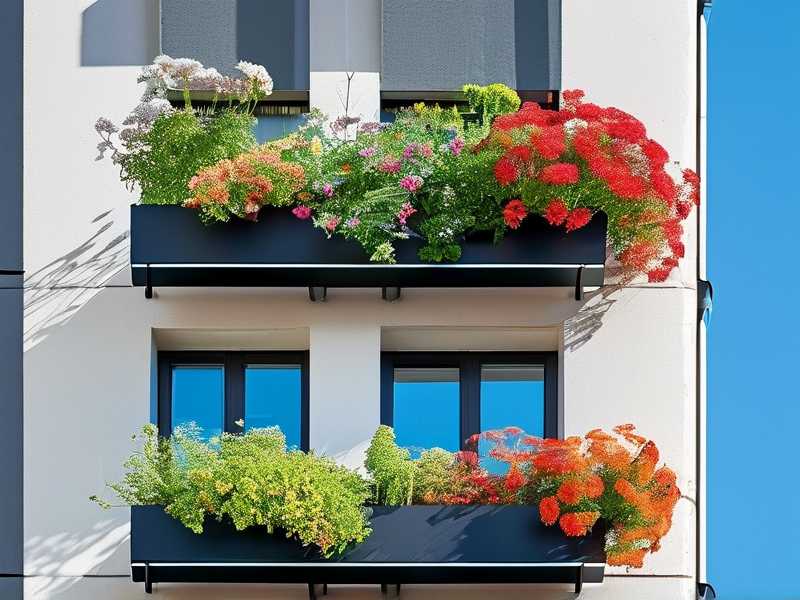
The first thing to understand is what "lightweight composite" actually means. Many products sold online use vague language. Some are hollow plastic with a thin fiberglass shell. Others are resin mixed with wood flour or bamboo fiber. A few are expanded polypropylene foam with a hard outer skin. The best ones for high-rises combine a rigid frame with a foam or honeycomb core. That gives you strength without the dead weight of terracotta or concrete.
I tried a cheap hollow plastic box first. It weighed almost nothing empty, which felt great. But after two weeks in direct sun, the sides started bowing. The soil dried out unevenly. My basil wilted while the chives stayed soggy. That box is now holding umbrellas in my closet. So lightweight does not mean flimsy. It means engineered.
Here is my real mistake. I once filled a heavy ceramic window box with wet potting mix and placed it on my balcony railing. I did not check the weight. After one rainstorm, the bracket sagged. I caught it just before it tipped. I was lucky. That is when I started researching composite options seriously.
The rule I now follow is simple. Weigh the box empty. Then weigh the soil at saturation. A standard 24-inch window box can hold about 0.75 cubic feet of soil. Wet potting mix weighs around 40 to 50 pounds per cubic foot. So that is 30 to 38 pounds of wet soil alone. Add the box and plants, and you are near 45 pounds. That is too much for many high-rise railings. Composite boxes can cut that total by half or more.
The second mistake I made was ignoring drainage. Many lightweight composite boxes have built-in reservoirs or hidden drainage trays. That sounds helpful, but if the reservoir stays full, the soil stays waterlogged. And remember, 90% of indoor plants die from overwatering. That includes balcony plants in window boxes. I lost a beautiful trailing rosemary because I trusted the self-watering feature and never emptied the overflow. Now I drill extra holes if needed and always tip out standing water after rain.
The third mistake was light direction. I put shade-loving ferns in a south-facing composite box because it looked nice. Within two weeks, the fronds turned crispy. Lightweight boxes often sit higher on railings or brackets than traditional heavy planters, which means they catch more sun and wind. That changes your plant choices. I now use a simple light meter app on my phone, or just watch how the shadow moves across the balcony for a full day before planting.
So how do you actually choose? Start with the material. Look for boxes labeled "fiberglass-reinforced composite" or "expanded polypropylene with UV inhibitors." Avoid anything that says "polypropylene" alone unless it has a thick wall and internal ribs. Avoid "wood composite" if it contains more than 50% wood fiber, because it will absorb water and get heavy over time. A good lightweight composite box should feel rigid. Press the side with your thumb. If it flexes easily, walk away.
Next, check the mounting system. Most high-rises do not allow drilling into the facade. So you need a bracket that clamps onto the railing or sits on the floor of the balcony. I prefer floor-standing frames that hold the composite box just above the ground. That spreads the weight across the balcony slab instead of concentrating it on a railing. If you must use a railing bracket, look for one rated for at least twice the wet weight of your box. Never trust the cheap L-brackets that come with discount planters.
Then think about size. A 36-inch box holds more soil, but it also holds more water weight. For weight-limited high-rises, I recommend two or three smaller boxes instead of one long one. That way you can distribute the load. You can also remove one box easily if you need to reduce weight for any reason. I use three 24-inch composite boxes spaced along my balcony. Each one weighs about 6 pounds empty, 28 pounds with wet soil and plants. That is manageable. My building manager approved it after I showed him the math.
Drainage matters more than you think. Look for boxes with a false bottom or a sloped internal floor that pushes water toward one or two drain holes. Some composite boxes have a removable plug. I keep the plug out and place a small saucer underneath to catch drips. That keeps my downstairs neighbor happy. If the box has no drainage at all, do not buy it. You will drown your plants. I have tried drilling holes into plastic boxes, and it works, but it can crack the material if you are not careful. Use a sharp bit and go slow.
Now, about soil. Even a lightweight box gets heavy if you use dense garden soil. I mix my own lightweight blend. Two parts coco coir, one part perlite, one part compost, and a handful of slow-release organic fertilizer. Coco coir holds water but weighs much less than peat or topsoil. Perlite adds air and drains excess water. That mix keeps my boxes around 30% lighter than standard potting soil. I also avoid packing the soil down. I fill loosely and let water settle it naturally.
Wind is another factor that many high-rise gardeners forget. A lightweight box can become a sail. I learned this the hard way when a sudden gust flipped a small box off my railing. The plants survived, but the box cracked. Now I use boxes with a low profile and a wide base. I also secure them with adjustable straps to the balcony railing, even if they sit on the floor. That extra step takes two minutes and prevents a disaster.
What about plants? For lightweight composite boxes in high-rises, I focus on herbs, succulents, and compact flowers. Rosemary, thyme, sage, and lavender all handle wind and sun well. They also do not need constantly wet soil. Succulents like sedum and sempervivum are perfect because they are light and drought-tolerant. For color, I use portulaca or calibrachoa. They trail nicely over the edge. I avoid heavy feeders like tomatoes or zucchini in window boxes. They get too big and too thirsty.
I spent two weeks observing my three test boxes. Box A was a fiberglass composite with a built-in reservoir. Box B was expanded polypropylene with no reservoir. Box C was a cheap hollow plastic box. Box A held moisture too long. My parsley yellowed. I had to empty the reservoir every two days. Box B drained perfectly. My herbs thrived. Box C warped in the sun and the soil dried out too fast. So the winner was the simple expanded polypropylene box with extra drainage holes I added myself.
That experiment cost me about $80 total. But it taught me more than any online review. If you are on a tight budget, start with one expanded polypropylene box. Test it for two weeks before buying more. Watch how it handles rain, wind, and sun. Check the weight when wet. You will learn quickly what works for your specific balcony.
The Royal Horticultural Society (RHS) recommends using lightweight growing media and containers for balconies and roof terraces. They specifically mention that weight is often the limiting factor, not space. The American Horticultural Society (AHS) also advises gardeners to calculate wet weight before planting. I trust these organizations because they test things properly. I do not trust random product labels that say "lightweight" without numbers.
One more thing. Check your lease. Some buildings ban window boxes entirely. Others allow them only on the floor, not on railings. I emailed my property manager with a photo of the box and the wet weight. He replied in writing that it was fine. That email is now saved in my phone. If you skip this step, you risk fines or forced removal. It is not worth it.
Now let me answer three common questions I get from other high-rise gardeners.
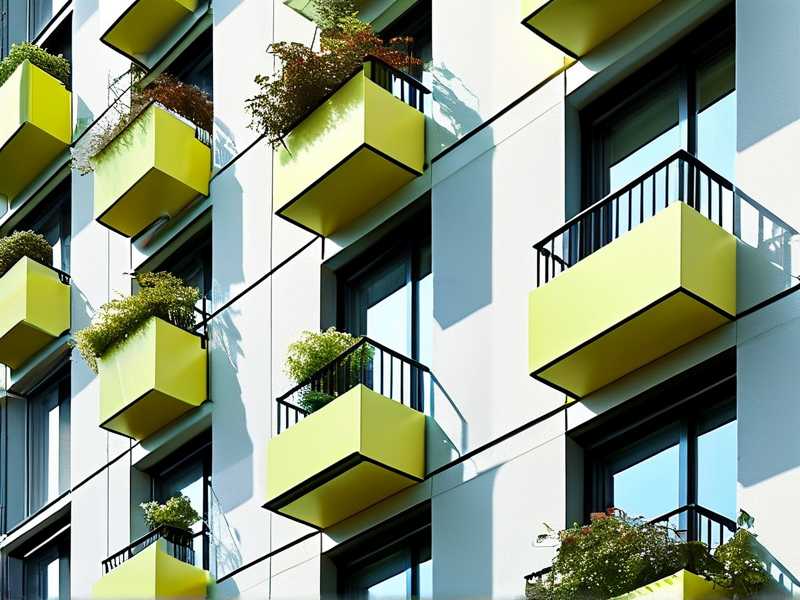
Can I use a lightweight composite box indoors on a windowsill? Yes, but only if the sill can handle the wet weight. A 24-inch box with wet soil can weigh 30 pounds. Many windowsills are not designed for that. I place a thin plywood board under the box to spread the load. Also, indoor boxes need saucers because you cannot have water dripping on your floor. And remember, 90% of indoor plants die from overwatering. So use a box with excellent drainage and never let it sit in standing water.
How often should I replace a lightweight composite box? It depends on UV exposure. Cheap plastic boxes may last one or two seasons. Good fiberglass or expanded polypropylene boxes can last five to ten years. I check mine every spring for cracks or fading. If the surface gets chalky or brittle, I replace it. A cracked box can fail suddenly under weight. That is not a risk I take on the 14th floor.
Do I need to fertilize more often in a lightweight box? Yes, slightly more often. Lightweight mixes like coco coir and perlite do not hold nutrients as long as heavy soil. I feed my herbs and flowers every two weeks with a diluted liquid organic fertilizer. I also top-dress with compost once a month. That keeps them green without encouraging excessive growth that adds weight.
Selecting lightweight composite window boxes for weight-limited high-rises comes down to three things: material, drainage, and honest weight math. Get those right, and you can grow a beautiful balcony garden without worrying about your building, your back, or your plants. I wish I had known this before I killed my first three rosemary plants and cracked a cheap plastic box. But now you know. Start small. Weigh everything wet. Check your lease. And enjoy the view from your little green corner in the sky.