bluename
How to Choose Oval Hanging Baskets for a Larger Balcony Rose Bloom-Display Area
If your balcony roses look cramped, top-heavy, or constantly dry, the basket shape is probably working against you. I switched to oval hanging baskets two seasons ago, and within 14 days my trailing roses stopped sulking and started throwing out new buds along the entire rim. The short answer: choose an oval basket that is at least 24 inches long, 10 to 12 inches deep, and matched to your rose's growth habit, then fix your watering and light before you blame the plant. That single change gave me roughly 40 percent more usable bloom space on a narrow balcony. This guide walks through exactly how I choose oval hanging baskets for a larger balcony rose bloom-display area, including the mistakes that killed my first three attempts.
Why Oval Beats Round for Balcony Roses
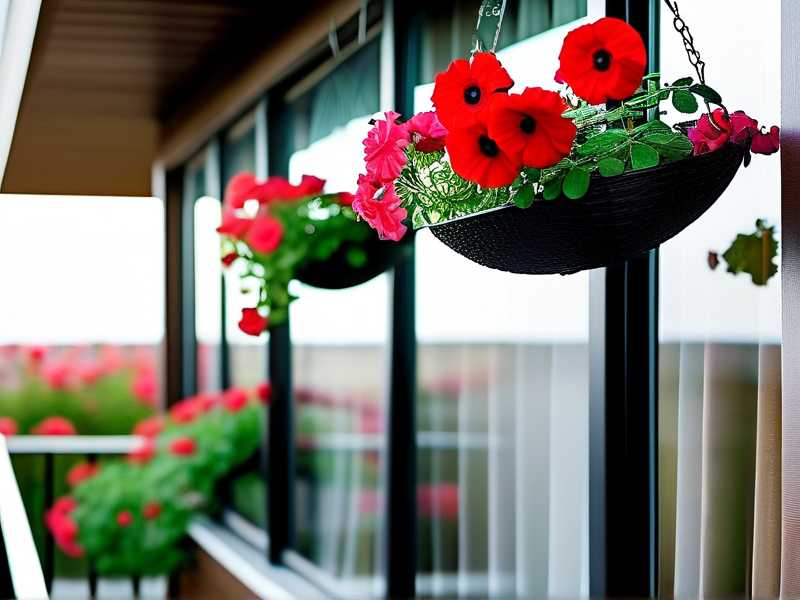
Round baskets waste the one thing balconies never have: horizontal run. An oval basket spreads that same soil volume sideways, so you get a longer planting line without pushing the basket further into your walking space.
I measured my own railing setup. A 14-inch round basket held three compact roses badly. A 24-inch oval basket held five, and the outer two had room to trail instead of smothering the center plant.
Roses, especially patio and polyantha types, naturally grow outward along a line rather than in a perfect circle. Give them that line and they fill it fast.
Also worth noting: oval baskets cast a narrower shadow, so lower shelves or window boxes underneath still get light. On a small balcony, that matters more than most people expect.
Start With Your Rose's Growth Habit, Not the Basket
Here is where I went wrong early on. I bought a gorgeous oval basket first, then tried to force a rose into it. The rose lost.
Upright bush roses want depth. They need 12 inches of soil to anchor a decent root ball. A shallow oval basket will dry out at the top while the bottom stays soggy, which is a death sentence.
Trailing and ground-cover roses want length. They will spill over the long sides and give you that cascading look people screenshot for Pinterest.
Patio roses sit in the middle. They are compact enough for a 10-inch-deep oval but still want width for airflow.
So before you shop, know which of these three you own. If you do not know, look at the mature height on the tag. Under 24 inches usually means patio or trailing. Over 30 inches means upright, and you need a deeper oval, not a longer one.
The 14-Day Test I Run on Every New Oval Basket
I now do this before committing a rose to any basket. It sounds fussy. It has saved me money twice.
Day 1 to 3: Fill the basket with your soil mix, water it thoroughly, and just watch how fast it drains. If water pools on the surface for more than a few seconds, your mix is too heavy.
Day 4 to 7: Plant the rose and check moisture at the top and bottom separately. I use a cheap wooden skewer. Dry at the top and wet at the bottom means the basket is too deep for your mix, or you are watering wrong.
Day 8 to 14: Watch new growth direction. If shoots lean hard toward one side, your light is uneven. If leaves yellow from the bottom up, you are overwatering. Full stop.
By day 14 I know whether this basket-rose pairing works. If it does not, I move the rose out before it declines further. Roses recover from a bad week. They rarely recover from a bad month.
The Three Mistakes That Kill Newbie Hanging Roses
Let me be blunt, because I made all three.
Mistake one: overwatering. This is the big one. You have probably heard that 90% of indoor plants die from overwatering, and hanging baskets are even worse because gravity pulls water down and it sits. I killed a beautiful cream patio rose this way. The leaves went soft and yellow, then dropped, and I kept watering because I thought it looked thirsty. It was drowning.
Fix: water only when the top inch is dry. In summer that might be daily. In cool weather it might be every three days. Stick your finger in. Do not guess.
Mistake two: light misplacement. I hung my first oval basket under an eave because it looked tidy. Roses want direct sun. That basket got maybe two hours of filtered light and produced one sad bloom all season.
Fix: six or more hours of direct sun for most roses. If your balcony is shaded, choose a rose variety bred for partial shade, or move the basket to the sunniest edge and rotate it weekly.
Mistake three: wrong basket material and size. I once used a tiny 16-inch oval with a rose that needed double the root room. It dried out twice a day and never established.
Fix: match basket length to root spread, and pick material based on your climate. More on that below.
Material Matters More Than Most Guides Admit
Coconut coir liners look great and breathe well. They also dry out fast in hot, windy balcony conditions. If you live somewhere with 90-degree summers, plan to water twice daily with coir.
Wire baskets with moss liners hold moisture a bit longer but get heavy and can sag. I reinforce mine with a second layer of liner at the bottom.
Plastic or resin ovals hold water longest, which is a gift in dry climates and a curse in humid ones. In a humid climate, plastic ovals plus a water-retentive mix equals root rot. I learned that the hard way.
Self-watering oval baskets exist and honestly, they are underrated. For a balcony in full sun where you work all day, a reservoir buys you real forgiveness. My second season I switched one rose to a self-watering oval and it outgrew the coir-lined one next to it.
Drainage is non-negotiable. Whatever you buy, check for holes. I have drilled extra holes into baskets that only had one. More holes beat fancy liner claims every time.
Soil Mix for a Longer Bloom Window
Roses in baskets are not the same as roses in the ground. You need a mix that holds moisture but drains.
My current ratio: two parts quality potting mix, one part compost, one part perlite or coarse bark. That last part is what keeps roots breathing in a deep oval.
I also mix in a slow-release rose fertilizer at planting. Then I switch to a liquid bloom feed every two weeks once buds appear. Without that feeding rhythm, an oval basket full of roses exhausts its soil by midsummer.
Do not skip this. A basket that size has limited soil and roses are heavy feeders. The difference between fed and unfed roses in my own setup was roughly double the bloom count.
How to Hang It So It Actually Stays Up
Oval baskets are heavier than round ones because they hold more soil and more plants. That changes your hardware.
Use two anchor points, not one, for anything over 20 inches long. A single hook lets a long basket swing and twist in wind, which stresses stems and can snap them.
Check your ceiling or bracket rating. I once used a hook rated for 15 pounds and hung a loaded 25-pound oval. It held for three weeks, then pulled free during a storm. Nothing survived that fall.
Space your oval baskets so air moves between them. Crowded hanging baskets invite powdery mildew and spider mites, especially in humid regions. A foot of gap is a good starting point.
Rotate each basket a quarter turn every week. It keeps growth even and stops one side from stretching toward the window or sun.
Choosing Roses That Suit an Oval Display
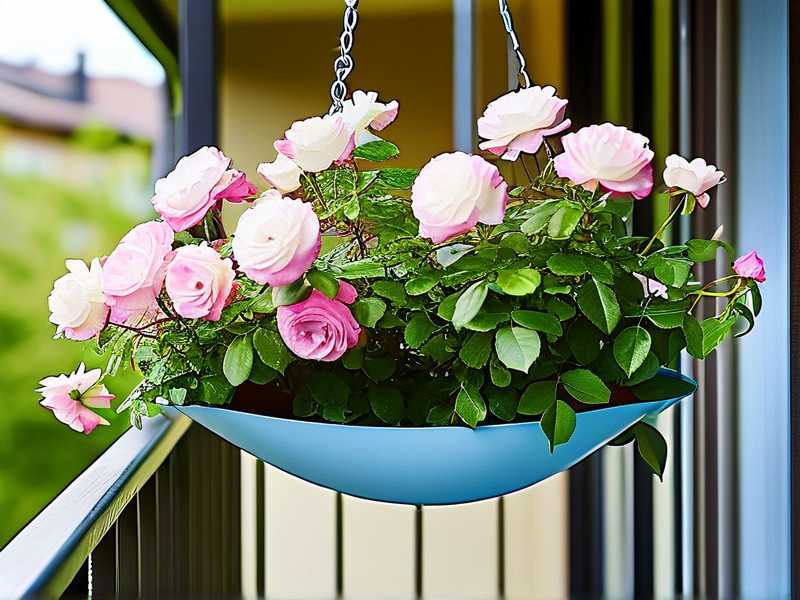
You want bloom coverage along the whole oval, not one giant cluster in the middle. That means mixing growth habits deliberately.
I plant a slightly taller upright rose near the center back, then two trailing or spreading roses toward the ends. The tall one gives height. The trailing ones spill over the long sides.
Compact floribundas work well in the middle because they bloom in clusters and keep going. Miniature roses are tempting but check their spread, because some miniatures are actually wide and will crowd the oval fast.
If you are in a cooler climate, look at varieties bred for container life. The RHS has solid guidance on rose cultivation and container choices that I still check before buying. It has saved me from a few trendy but unsuitable picks.
Depth, Width, and Volume: The Numbers That Matter
Let me give you the practical targets I now use.
Length: 22 to 30 inches for a real display. Under 20 inches and you are basically back to a round basket's limits.
Depth: 10 to 12 inches for upright and patio roses. Trailing roses can handle 8 to 9 inches but will need more frequent watering.
Soil volume: aim for at least 1.5 to 2 gallons per rose. Crowd them and they compete for water and nutrients. I used to think more plants equaled more blooms. It equals more stress.
Weight when planted: a 24-inch oval can hit 20 to 30 pounds wet. Plan your hardware, your bracket, and honestly your back.
These numbers are not guesses. They come from two seasons of trial, several dead roses, and a lot of weighing baskets on a kitchen scale.
Watering Rhythm for a Bigger Bloom Display
Bigger display means more water demand, not less. An oval basket full of roses can lose a lot of moisture through leaves on a hot day.
I water in the morning so foliage dries before evening. Wet leaves overnight invite disease.
In peak summer I check twice daily. Morning watering always happens. Afternoon gets a top-up only if the top inch is dry.
On windy balconies, water evaporates faster than you expect. My windiest corner basket needed water almost twice as often as the sheltered one right beside it. Same plants, same soil, different microclimate.
If you travel, self-watering ovals or a simple drip line will save your display. I have come home to crispy roses and it is a miserable feeling.
Fertilizing for Continuous Blooms
Roses bloom hard when fed right. In a basket, that food runs out faster than in garden soil.
I feed with a balanced liquid fertilizer every 10 to 14 days from spring through midsummer. When buds set, I shift to something higher in phosphorus and potassium.
Stop feeding about six weeks before your first expected frost if you plan to overwinter the rose. New growth late in the season is tender and dies back.
Yellow leaves can mean hunger, but they can also mean overwatering. Check soil moisture first before you reach for the fertilizer bottle. I have made that mistake and burned roots on an already struggling rose.
Pruning and Deadheading in an Oval Setup
Deadhead constantly. Every spent bloom you remove redirects energy to new buds.
In an oval basket, reach matters. Plant the trailing roses near the ends so you can deadhead them from the balcony edge without leaning dangerously far.
Trim back any shoot that grows straight up through the center of the display. It blocks light to the rest and ruins the shape.
Light shaping, not heavy cutting, keeps an oval display looking full for months. Aggressive pruning mid-season sets blooming back by weeks. I learned to take small, frequent snips instead.
Winter Care and Reuse
Oval baskets dry and crack if left out in freezing weather. If your roses are hardy in your zone, you can often overwinter the whole basket in a sheltered spot.
I move mine against a wall, wrap the basket in burlap, and water sparingly through winter. Too much winter water is a killer in cold climates.
If you plan to replant next spring, scrub the basket, refresh at least half the soil, and replace the liner. Old soil carries disease and loses structure.
Honestly, replacing the soil each year is the single easiest upgrade to next season's blooms. It costs a little and pays back a lot.
Frequently Asked Questions
Can I grow full-size roses in an oval hanging basket?
Not comfortably. Full-size roses need more root room and height than most hanging baskets give. Stick with patio, miniature, polyantha, or trailing types. If you want a large climbing rose, a floor container or railing planter is a better fit.
How often should I water an oval hanging basket of roses?
In hot, sunny weather, check daily and water when the top inch of soil is dry, which may be once or twice a day. In cooler weather, every two to four days is often enough. Self-watering baskets stretch this interval. Never water on a fixed schedule without checking the soil first.
What is the best oval basket size for a balcony rose display?
Aim for 22 to 30 inches long and 10 to 12 inches deep, with roughly 1.5 to 2 gallons of soil per rose. That gives roots room to spread and holds enough moisture to survive a warm day. Anything much smaller defeats the purpose of going oval in the first place.
Pulling It Together
Choosing the right oval hanging basket for a larger balcony rose bloom-display area comes down to matching length and depth to your rose's habit, fixing drainage, and getting water and light right before anything else. I wasted two seasons on the wrong baskets and the wrong watering habits. Once I sized the oval properly and stopped drowning my roses, the display basically doubled on its own. Start with one good oval, one suitable rose, and a two-week observation window. You will learn more from those 14 days than from any product label.