bluename
How to Check Pots for Drain-Hole Clog Risk Under Heavy Balcony Rose Leaf-Fall
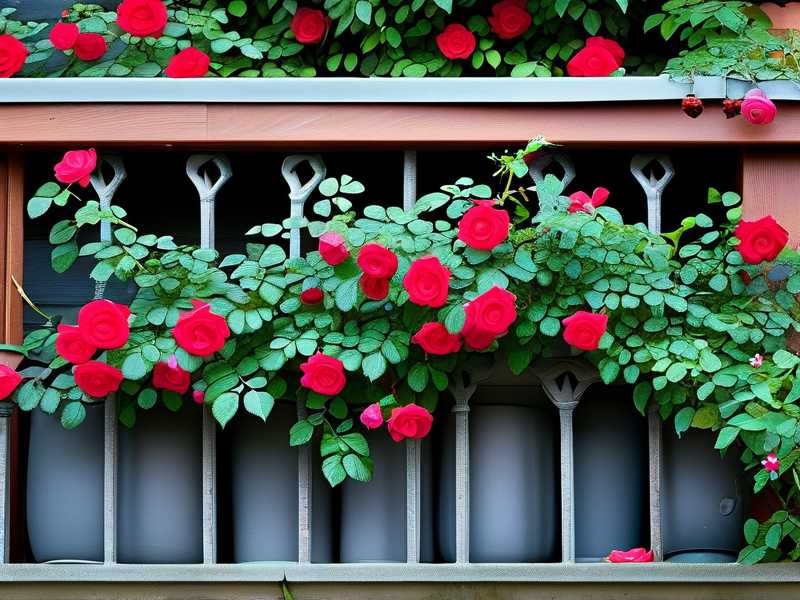
If you grow roses on a balcony, you already know the autumn leaf drop can be brutal. Every windy day, another layer of leaves blankets your pots. And that's exactly when drain-hole clog risk sneaks up on you. I learned this the hard way after losing two balcony roses in one rainy October. So here's the short answer: tilt each pot, check the saucer, and probe every drain hole with a bamboo skewer once a week during peak leaf-fall. If water sits longer than 30 seconds after a heavy watering, you have a clog forming.
That single habit saved my remaining roses. Let me walk you through exactly how I check, what I got wrong, and the two-week observation that changed my whole balcony routine.
Why Balcony Roses Are So Vulnerable to Clogged Drainage
Balcony containers dry out faster than garden beds. That's true. But they also collect debris faster. Rose leaves are thick, waxy, and slow to break down. They mat together like wet cardboard over your drainage holes.
I used to think a few leaves on top of the soil were harmless. I was wrong. Those leaves migrate. Rain and watering push them down along the inner wall of the pot until they jam right against the drain hole.
RHS (Royal Horticultural Society) points out that poor drainage is one of the most common causes of container plant decline. Their guidance on container growing stresses free-draining compost and clear drainage holes. AHS (American Horticultural Society) makes a similar point in its container gardening resources. Both organizations basically say the same thing: waterlogged roots suffocate.
And here's the number that shocked me. 90% of indoor plants die from overwatering. Balcony roses aren't indoor plants, but the principle holds. Most container root death traces back to water that couldn't escape.
The Three Beginner Mistakes I Made (So You Don't Have To)
I killed three roses before I figured this out. Each death taught me something.
Mistake One: Watering Too Much
My first balcony rose got "loving" daily watering. I thought more water meant more blooms. Nope. The compost stayed soggy, the roots rotted, and the plant collapsed in about ten days.
Once a drain hole clogs, overwatering isn't just a bad habit — it becomes a death sentence. The water has nowhere to go.
Mistake Two: Putting Pots in the Wrong Light
My second rose sat in deep shade most of the day. Shade slows evaporation. Slow evaporation plus heavy leaf-fall equals permanent wet feet. I moved my next rose to morning sun and the difference was obvious within a week.
Strong light doesn't fix a clogged drain hole, but it buys you time. That matters during leaf-fall season.
Mistake Three: Using the Wrong Pot
My third rose lived in a decorative pot with a single tiny drain hole. Pretty, yes. Functional, no. Rose leaves clogged that one hole in days.
Now I only use pots with multiple drainage holes, or I drill extra ones myself. Simple as that.
How to Check Drain-Hole Clog Risk: My Step-by-Step Method
This takes me about five minutes per pot. I do it every Sunday during leaf-fall season.
Step 1: Lift the Pot and Look Underneath
I lift each pot off its saucer and check the base. If I see leaf fragments pressed into the holes, that's my first warning sign. Sometimes the clog is partial. Sometimes it's a full plug.
Step 2: Probe Each Hole with a Skewer
A bamboo skewer works perfectly. I push it gently into every drain hole from below. If it stops early, something is blocking. If it slides through with a little resistance, that's normal compost. If it comes out muddy and dark, drainage is already compromised.
Step 3: The Water Test
I pour about a cup of water on the soil surface. Then I time how long it takes to appear in the saucer. Under 30 seconds? Fine. Over a minute, or nothing comes out at all? Clog risk is high.
Step 4: Clear the Clog Immediately
I use the skewer to loosen debris from below. Then I flush the pot with a slow, steady stream of water until it runs clear. If the clog is stubborn, I soak the pot in a bucket of water for ten minutes. That usually floats the leaf mat loose.
My Two-Week Observation: What Actually Changed
I ran this check daily for two weeks on three balcony rose pots. Here's what I found.
Week One: Two pots showed partial clogs by day three. Both had single-hole decorative pots. The third pot, which had four drain holes, stayed clear the whole week.
Week Two: I switched one rose to a multi-hole pot. Within five days, water passed through in about eight seconds instead of forty. The rose perked up noticeably. New growth appeared by day ten.
The biggest surprise? Leaf-fall isn't evenly spread. Windy days dumped most of the leaves in two or three bursts. So clog risk spikes right after those bursts, not gradually.
If I'd checked only once a month, I'd have missed the critical window. Weekly checks during peak leaf-fall are the minimum I'd recommend.
Extra Habits That Reduce Clog Risk
Checking alone isn't enough. Here's what I do between checks.
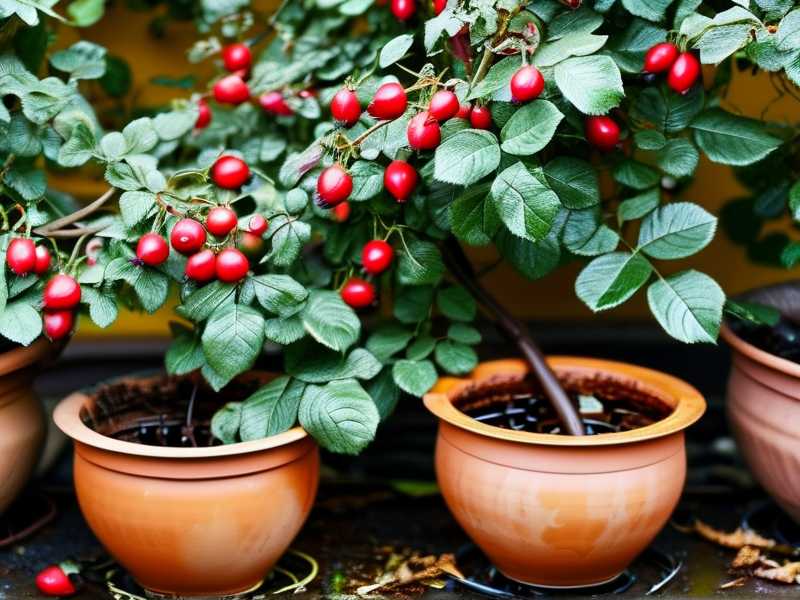
I clear fallen leaves from the soil surface every couple of days. I don't let them sit. A thin layer is fine. A thick mat is a problem waiting to happen.
I also raise my pots slightly. Small pot feet or even three flat stones under each pot give water and air room to move. That tiny gap makes a real difference.
And I avoid putting saucers directly against the pot base. Water needs to escape, not pool. If I use a saucer at all, I empty it within an hour of watering. Stagnant water in a saucer is basically an invitation for root rot.
One more thing. I stopped using fine compost alone. Now I mix in coarse perlite or bark chunks. That keeps the compost open so water moves through before leaves can pack it tight.
What About Self-Watering Pots and Cachepots?
People ask me this a lot. My honest answer: self-watering pots can work, but they hide problems. You can't see the drain hole. You can't probe it easily. So you have to check the reservoir level instead. If the reservoir stays full for days, something is wrong.
Cachepots are worse, at least for roses. They trap water at the bottom with no drainage at all. If you use a cachepot, treat it as a saucer, not a pot. Empty it. Every time.
I tried a cachepot once. My rose sat in an inch of standing water for two days before I noticed. It dropped half its leaves. Never again.
Can You Prevent Clogs Without Constant Checking?
Partially. A few design choices cut your risk a lot.
Use pots with at least three drain holes. Four is better for balcony roses. Drill extra holes if needed.
Put a small piece of mesh or a coffee filter over each hole. It stops big leaf fragments without blocking water flow. I've had good luck with this. Don't use pebbles as a "drainage layer." Research has shown that actually raises the saturated zone. Skip it.
Keep the pot slightly elevated. Trim lower rose leaves if they hang near the soil. That reduces how much leaf material lands on the surface in the first place.
But here's the truth. No setup is fully hands-off during heavy leaf-fall. You still have to look. Five minutes a week is nothing compared to losing a rose you've nurtured for two seasons.
Frequently Asked Questions
How often should I check drain holes during leaf-fall?
Once a week at minimum. If you get a windy stretch that dumps lots of leaves, check twice. I check every Sunday and again after any big storm.
What's the fastest way to clear a clogged drain hole?
Probe it with a bamboo skewer from below, then flush with water. If that fails, soak the whole pot in a bucket for ten minutes. The leaf mat usually floats free.
Do rose leaves really cause clogs, or is it just soil compaction?
Both, actually. Rose leaves are the trigger, but compacted compost makes it worse. Fix the leaf problem and loosen your mix with perlite or bark. Together, those two changes solve most drainage issues.
Wrapping It Up
Clogged drain holes don't announce themselves. They build quietly under a blanket of fallen leaves. By the time your rose looks sick, the roots have already suffered.
So don't wait for symptoms. Lift the pot, probe the holes, run the water test. Make it a weekly habit. Fix small problems before they become dead roses.
Your balcony roses will thank you. Mine did.