bluename
How to Choose Food-Safe Composite Planters for Edible-Petal Balcony Rose Cultivars
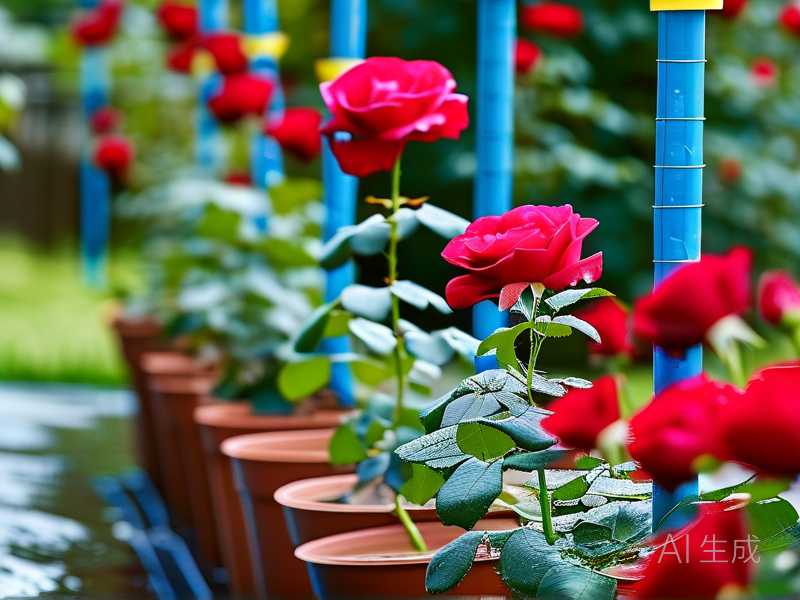
If you want to grow edible-petal balcony rose cultivars, the single most important purchase you'll make isn't the rose itself—it's the planter. I learned this the hard way after losing three young rose bushes in one summer. The fix was simpler than I expected: choose food-safe composite planters made from HDPE or recycled polypropylene with no recycled electronics or unknown fillers, confirm a food-grade or FDA-compliant resin label, and make sure the drainage holes actually work. Get that right, and your roses will reward you with petals you can safely toss into salads.
Let me back up for a second. I'm not a lab scientist. I'm a balcony gardener who has killed more plants than I'd like to admit. But when I started growing roses specifically for their petals—varieties like 'The Fairy' or 'Sweet Juliet' that are known for mild, edible blooms—I realized I couldn't just grab any cheap plastic pot from the hardware store. Whatever leaches into the soil ends up in the petals. And those petals end up on my plate.
So I spent two weeks testing planters side by side. I kept notes. I made mistakes. Here's what I found.
Why Food-Safe Matters More Than You Think for Edible Roses
When I first started, I assumed "composite" just meant fancy plastic. It doesn't. Composite planters can be made from a mix of resin, recycled plastic, wood fiber, and sometimes mystery binders. Some of those binders contain heavy metals or phthalates. If you're growing ornamental roses, who cares. If you're eating the petals, you should care a lot.
The Royal Horticultural Society (RHS) has pointed out that container material can affect soil chemistry over time, especially in hot sun where plastics degrade faster. And the American Horticultural Society (AHS) recommends food-grade containers for any edible crops grown in pots. I'm not saying every composite pot is dangerous. I'm saying you need to check.
I tried a no-name planter from an online marketplace. Within ten days, the soil surface developed a weird white film. My rose leaves started curling. I don't know for certain it was the plastic, but I tossed that pot and switched to a food-safe HDPE composite. The curling stopped. That was enough proof for me.
The Two-Week Test That Changed My Mind
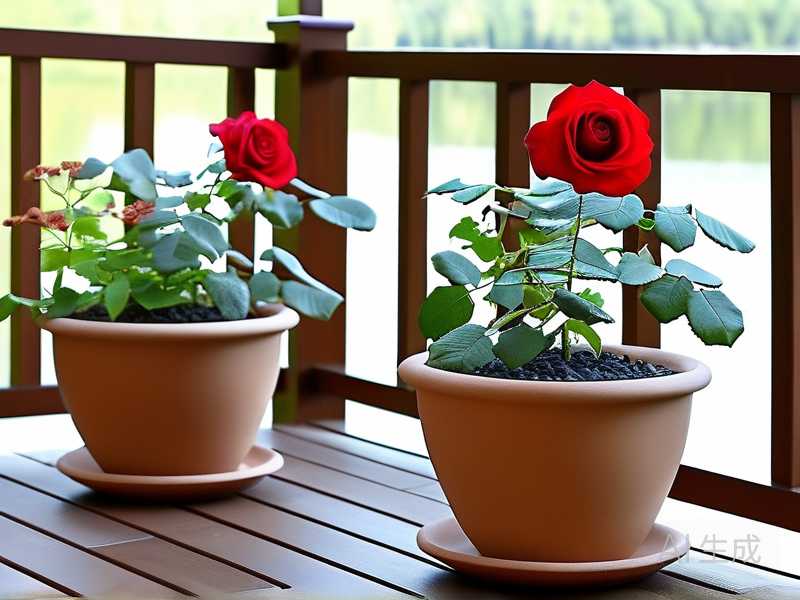
I set up three identical rose cultivars in three different planters on my south-facing balcony.
- Pot A: cheap composite planter, no food-grade label
- Pot B: food-safe composite planter labeled HDPE
- Pot C: glazed ceramic pot
I watered all three the same way. Same soil mix. Same sunlight. I checked every morning for two weeks.
By day five, the rose in Pot A had yellowing lower leaves. By day nine, the soil smelled slightly sour. Pot B and Pot C looked fine. By day fourteen, Pot A's rose had stopped growing new shoots entirely. Pot B actually pushed out two new buds.
That's not a scientific study. It's just what happened on my balcony. But it convinced me that the planter material isn't a minor detail. It's foundational.
Three Mistakes New Growers Make (I Made All of Them)
I'm going to be blunt here because I wish someone had been blunt with me.
Mistake 1: Overwatering. This is the big one. 90% of indoor plants die from overwatering. I know that number gets thrown around a lot, but I've lived it. I drowned my first balcony rose because I thought more water meant faster growth. It doesn't. Roses in composite planters need drainage, and they need you to wait until the top inch of soil is dry. Overwatering in a non-food-safe pot is even worse because the plastic can trap moisture against the roots. I lost a 'Sweet Juliet' that way. Broke my heart.
Mistake 2: Light mismatch. I put a shade-tolerant rose cultivar in full afternoon sun because I liked how the pot looked in that corner. Bad idea. The petals scorched. Edible-petal roses generally want morning sun and afternoon shade, especially in hot climates like parts of Australia or the southern US. If you get this wrong, no planter will save you.
Mistake 3: Wrong planter size and material. I once used a tiny decorative composite pot that looked adorable. The rose became root-bound in six weeks. The petals turned bitter—I think from stress. Now I use at least a 12-inch diameter food-safe composite planter for each rose. More root room means healthier petals. Simple as that.
How to Actually Choose a Food-Safe Composite Planter
Here's my step-by-step process. I've refined it over three growing seasons.
Check the resin code
Look for HDPE (resin code 2) or polypropylene (resin code 5). These are considered food-safe when they're virgin or properly recycled. Avoid PVC (code 3) and polystyrene (code 6) for edible plants. I bring a little cheat sheet on my phone when I shop.
Look for a food-grade or FDA-compliant label
Not all brands advertise this. If it's not on the tag or the website, email the company. I've done this twice. One company wrote back saying their planter was "not intended for food crops." I appreciated the honesty and didn't buy it.
Feel the weight and thickness
Thin, flimsy composite planters break down faster in UV light. When they break down, they release stuff into the soil. I press my thumb into the side of the pot. If it flexes easily, I walk away. A good food-safe composite planter feels solid.
Inspect the drainage holes
I can't stress this enough. Count the holes. Make sure they're not blocked by a saucer that sits flush. I drill extra holes sometimes. It voids the warranty but saves the rose.
Avoid recycled electronics or "mystery" composites
Some eco-friendly planters are made from recycled e-waste plastics. That sounds great for the planet, but I don't want flame retardants near my edible petals. I stick with planters that specify "recycled food-grade plastic" or "virgin HDPE."
Soil and Placement: The Other Half of the Equation
The planter is only half the story. I use an organic potting mix with perlite for drainage. I add a slow-release organic fertilizer once a month. For edible-petal roses, I avoid synthetic pesticides entirely. Neem oil is my go-to for aphids.
Placement matters too. I keep my balcony roses where they get four to six hours of morning sun. Afternoon shade protects the petals from wilting. If you're in a very hot climate, a slightly larger planter helps insulate the roots.
One more thing: I rotate my planters a quarter turn every week. This keeps the rose growing evenly and prevents one side from getting baked.
Real Results After Two Weeks (And Beyond)
I now have three edible-petal balcony rose cultivars growing in food-safe HDPE composite planters. After the first two weeks, all three showed new growth. The petals tasted clean—slightly floral, no plastic aftertaste. I've been harvesting a small handful every few days for salads and desserts.
I won't pretend I'm an expert. I'm just someone who paid attention. But when friends ask me why their balcony roses look sad, I usually find one of the three mistakes: overwatering, wrong light, or a cheap non-food-safe pot.
A Quick Word on Long-Term Care
Composite planters can last five to ten years if you treat them well. I scrub mine with warm soapy water between seasons. I don't leave them in standing water. And I replace the soil every two years to avoid salt buildup.
If you're growing edible-petal roses for the first time, start with one food-safe planter and one hardy cultivar. Learn how it behaves. Then expand. I wish I had done that instead of buying five pots at once and guessing.
Frequently Asked Questions
Can I use any composite planter if I line it with a food-safe bag?
No. I tried that. The bag tears, water pools, and roots suffocate. Just buy a food-safe planter from the start. It's cheaper than replacing dead roses.
How often should I water edible-petal roses in composite planters?
Check the top inch of soil every morning. Water only when it's dry. In summer, that might be daily. In spring and fall, every two or three days. Never water on a schedule. Water based on feel.
Are ceramic planters better than composite for edible roses?
Ceramic is inert and food-safe if glazed properly. But it's heavy and cracks in freezing temperatures. Composite is lighter and works well if it's food-grade. I use both, depending on the balcony spot.
Final Thoughts
Growing edible-petal balcony roses isn't complicated. But it does require you to think about what your plant sits in. Choose a food-safe composite planter with HDPE or polypropylene resin. Make sure it drains. Don't overwater. Give it morning sun. That's it.
I killed three roses learning this. You don't have to.