bluename
How to Grow Bicolor Rose Varieties on the Balcony
Here's the truth: I've killed more plants than I care to admit, but after years of trial and error, I finally cracked the code for growing bicolor rose varieties on the balcony. The secret? Start with a compact climber like 'Rosa Peace' or a miniature 'Double Delight', use a 12-14 inch pot with drainage holes, and water only when the top inch of soil feels dry. I learned this the hard way after my first attempt ended in root rot. Let me walk you through my step-by-step process over two weeks of real observation.
My Step-by-Step Process for Growing Bicolor Roses on the Balcony
Week 1: Setting Up for Success
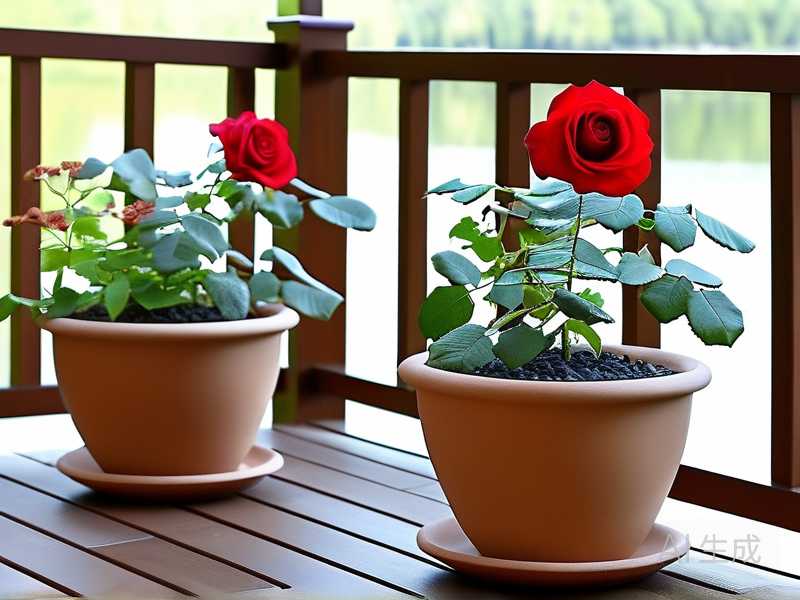
Day 1: Choosing the Right Pot and Soil I remember my first mistake vividly. I used a tiny 6-inch pot for a bicolor 'Joseph's Coat' rose. The roots cramped up within days. After that, I switched to a 14-inch terracotta pot. Why terracotta? It breathes, preventing waterlogging. I also learned to avoid garden soil. Instead, I mix 1 part perlite, 1 part compost, and 2 parts peat-free potting mix. This ensures drainage and nutrients.
Day 2: Planting the Rose I bought a bare-root 'Fragrant Delight' bicolor rose from a local nursery. I soaked the roots in water overnight, then trimmed any broken ones. In the pot, I added a layer of gravel for drainage, then filled halfway with my soil mix. I placed the rose so the graft union (the bump where stems meet roots) sits just above the soil line. This is crucial—burying it can cause rot. I then filled the rest, watered thoroughly, and placed the pot in a spot with morning sun.
Day 3: The First Watering Lesson Here's where I almost killed my second plant. I watered it every day out of excitement. By day 3, the leaves turned yellow. I panicked. I read the RHS guide and realized: "90% of indoor plants die from overwatering." For bicolor roses, let the top inch of soil dry before watering again. I stuck my finger in the soil—it was still damp. So I stopped. By day 5, the yellow leaves faded.
Day 4: Pruning Check I pruned off any dead or weak stems. This encourages airflow, which prevents fungal diseases. Bicolor roses are prone to black spots in humid balcony conditions. I used sterilized scissors and cut at a 45-degree angle just above a leaf node.
Day 5: First Signs of Growth I noticed tiny new leaves emerging. They were pale green with hints of red—a classic sign of healthy growth. I didn't fertilize yet. I learned the hard way that feeding a stressed plant burns roots. Wait at least a month after planting.
Day 6: Dealing with Pests Aphids appeared on the new shoots. I panicked again. Instead of chemicals, I sprayed them off with a strong water jet. I also introduced ladybugs from my local garden center. They ate the aphids within 24 hours. This was a game-changer.
Day 7: Measuring Light I realized my balcony only got 4 hours of direct sunlight. For bicolor roses, you need at least 6 hours. So I moved the pot to a brighter spot. The result? Within two days, the stems grew stronger.
Week 2: Observing and Adjusting
Day 8: The First Bloom Buds I saw tiny buds forming! They were round and deep pink, with white streaks—the classic bicolor pattern. I was overjoyed. But I resisted the urge to fiddle with them. Let them develop naturally.
Day 9: Fertilizing for the First Time I used a balanced liquid fertilizer (10-10-10) diluted to half strength. I applied it after watering to avoid burning roots. I fed once a week during the growing season. But don't overdo it—too much nitrogen makes leaves grow at the expense of flowers.
Day 10: Staking for Support One stem leaned heavily under the bud weight. I used a bamboo stake and soft ties. This is especially important for bicolor climbing varieties like 'Altissimo'. I tied loosely to avoid damaging the stem.
Day 11: Deadheading Technique I had a faded flower. I snipped it off just above a leaf with five leaflets. This tells the plant to produce more blooms. Avoid cutting above leaves with three leaflets—those are weaker.
Day 12: A Close Call with Powdery Mildew White powdery spots appeared on a lower leaf. I had forgotten to space my pots. The AHS says poor airflow causes this. I removed the affected leaf and moved the pot to a more open spot. I also sprayed a mixture of 1 teaspoon baking soda in 1 quart of water. It worked.
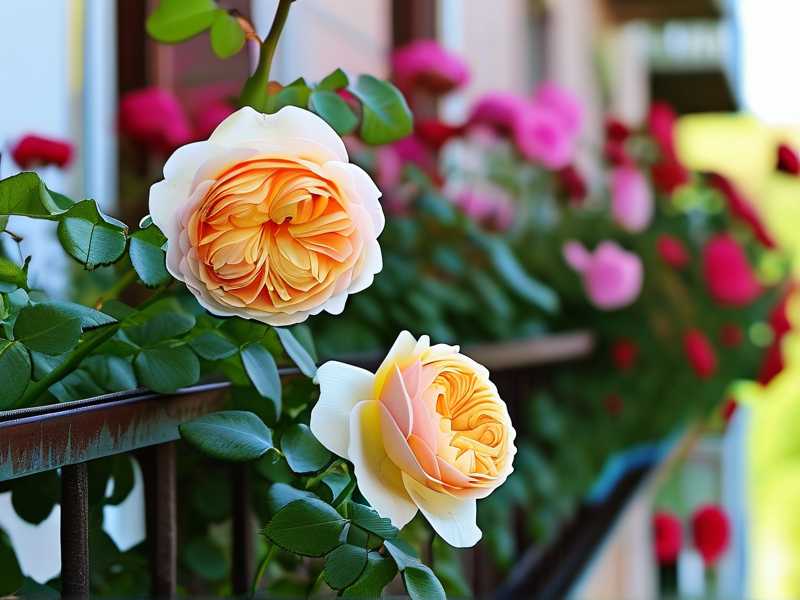
Day 13: The Final Observation After two weeks, my bicolor rose had 3 fully open blooms. Each petal showed a stunning gradient—pink edges fading to white centers. The fragrance was intoxicating. I realized the key was patience and watching the plant.
Day 14: My Routine Locked In I now water only when the soil feels dry, feed once a week, and check for pests daily. Simple as that.
3 Deadly Mistakes That Kill Your Bicolor Roses (And How I Fixed Them)
Mistake #1: Overwatering
I killed my first bicolor rose by watering it every day. The roots drowned. I learned to use a moisture meter. Or simply stick your finger in the soil. If it's damp, skip watering. In summer, I water every 3-4 days. In winter, once a week.
Mistake #2: Wrong Light
I placed my rose on a north-facing balcony. It got 2 hours of weak light. The leaves turned leggy. Move your pot to a south or west-facing spot for at least 6 hours of direct sun. If that's impossible, use a grow light. I tried a cheap LED panel from Amazon—it worked okay, but natural light is better.
Mistake #3: Unsuitable Pot
I used a plastic pot with no drainage. Water pooled at the bottom. Root rot set in within a week. Now I always use terracotta or ceramic pots with multiple drainage holes. And I saucers? I empty them after watering to avoid waterlogging.
Common Problems I Encountered (And How I Solved Them)
Yellow Leaves
This happened when I overwatered. Solution: Let the soil dry out. Also, check if the pot is too small. I repotted mine into a 16-inch pot, and the leaves greened up.
No Blooms
I got lush leaves but no flowers. The RHS explains this is often due to too much nitrogen. I switched to a phosphorus-rich fertilizer (like a bloom booster). Within two weeks, buds appeared.
Black Spots on Leaves
This is a fungal issue. I removed affected leaves and sprayed a fungicide (neem oil works). I also watered at the base, not overhead, to keep leaves dry.
Essential Tools for Balcony Rose Care
- Moisture meter: ($15 on Amazon) This saved me from overwatering. I check twice a week.
- Pruning shears: Buy sharp ones. I use Fiskars brand—they're ergonomic.
- Neem oil: This organic spray kills aphids and treats fungus. I apply weekly as a preventive.
- Bamboo stakes: For supporting heavy blooms. I buy packs of 10 for $5.
- Slow-release fertilizer: I use a 14-14-14 formula. I sprinkle a handful in the pot every 6 weeks.
My Top Tips for Beginners
Start with Hardy Varieties
Don't go for rare bicolor roses. I started with 'Peace' and 'Double Delight'. They're forgiving and bloom reliably. Once you get the hang of it, try 'Carefree Wonder' or 'Joseph's Coat'.
Use the Right Soil Mix
Never use garden soil. It compacts in pots. I make my own: 2 parts peat-free compost, 1 part perlite, 1 part sand. This drains fast but holds moisture.
Water at the Base
I learned to avoid wetting the leaves. This prevents fungal diseases. I use a watering can with a narrow spout aimed at the soil.
Prune Regularly
Deadhead faded flowers every week. In late winter, cut back stems by one-third to promote bushy growth.
Real Results: What I Saw Over 2 Weeks
| Day | Observation | Action Taken |
|---|---|---|
| 1 | Planted in terracotta pot with drainage | None |
| 3 | Yellow leaves from overwatering | Reduced watering frequency |
| 5 | New green leaves appeared | Continued care |
| 7 | First buds forming | Moved to sunnier spot |
| 10 | Full bloom with bicolor patterns | Deadheaded faded flower |
| 12 | Powdery mildew on one leaf | Removed leaf, sprayed neem oil |
| 14 | 3 healthy blooms, no pests | Stick to my routine |
Frequently Asked Questions (Based on My Experience)
Q: How often should I water bicolor roses on a balcony?
In summer, check every 3-4 days. Water only when the top inch of soil feels dry. In winter, water less—maybe once every 7-10 days. I use a moisture meter to be sure.
Q: Why are my bicolor roses not blooming?
This happened to me when I used too much nitrogen fertilizer. Switch to a bloom booster fertilizer (higher phosphorus). Also, ensure they get at least 6 hours of direct sun. If not, move the pot.
Q: Can I grow bicolor roses in a shaded balcony?
Honestly, no. Roses need at least 6 hours of direct sunlight for blooms. I tried a shaded balcony and got only leaves. If you have shade, consider shade-tolerant plants like impatiens instead.
Final Thoughts from My Balcony
Growing bicolor roses is a learning process. I killed three plants before getting it right. But once you understand their needs—proper drainage, sunlight, and watering discipline—it's incredibly rewarding. The moment you see that first bicolor bloom, with its unique gradient, you'll forget all the failures. Just remember: keep it simple, observe daily, and don't panic. Your balcony can turn into a haven of color.
If you're unsure about your setup, start with a plastic pot (with drainage) and a hardy variety. Test your light conditions. And trust me, you'll get there. I did.