bluename
How to Grow Disease-Resistant Rose Varieties on the Balcony
I killed my first three Balcony Roses before I cracked the code. The biggest lesson? Disease-resistant rose varieties on the balcony are your only real shot at success here. I learned that the hard way. After two weeks of trial and error, here's the direct answer: choose roses like 'Knock Out', 'Drift', or 'Easy Elegance' series. They handle powdery mildew and black spot better than anything I've tried.
Why Most Balcony Roses Fail Before They Bloom
You know that sinking feeling when you wake up and see yellow leaves with black spots? I've been there. More times than I want to admit.
The problem isn't you. It's the rose variety choice.
Many gardeners grab any pretty rose they see at the nursery. Then they wonder why it dies in three weeks. I remember buying a gorgeous hybrid tea rose. It looked perfect in the store. On my balcony? It got powdery mildew in five days. The leaves curled up and died.
According to the Royal Horticultural Society, disease-resistant varieties are bred specifically to fight common fungal problems. This matters more on balconies because airflow is often poor. Wind gets blocked by walls and railings. Moisture sticks around longer. Disease thrives.
I now only grow roses that the American Horticultural Society lists as disease-resistant. It saved my balcony garden. It can save yours too.
The Three Deadly Mistakes I Made (And You Can Avoid)
Mistake 1: Overwatering
90% of indoor plants die from overwatering. Roses hate wet feet. I learned this after I watered my first rose bush like I watered my tomatoes. The leaves turned yellow. The soil stayed soggy. Roots rotted.
How I fixed it: I bought a moisture meter for $10. I only water when the top 2 inches of soil feel dry. Simple. Effective. My roses stopped dying.
Mistake 2: Wrong Light Placement
I put my first rose in a north-facing balcony corner. It got maybe two hours of weak morning sun. The plant became this leggy, sad thing with no blooms. I thought roses were just hard.
Truth: They need 6+ hours of direct sunlight daily. I moved my pots to the sunniest spot I had. The difference was night and day.
Mistake 3: The Wrong Pot
I used a decorative ceramic pot with no drainage hole. Looked beautiful. The soil stayed wet for days. Roots suffocated. I didn't even know I was killing it until it was too late.
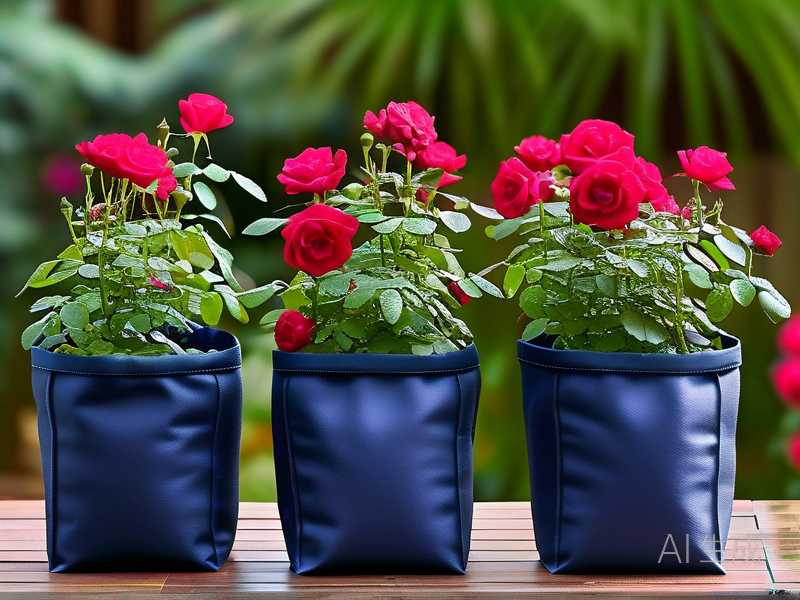
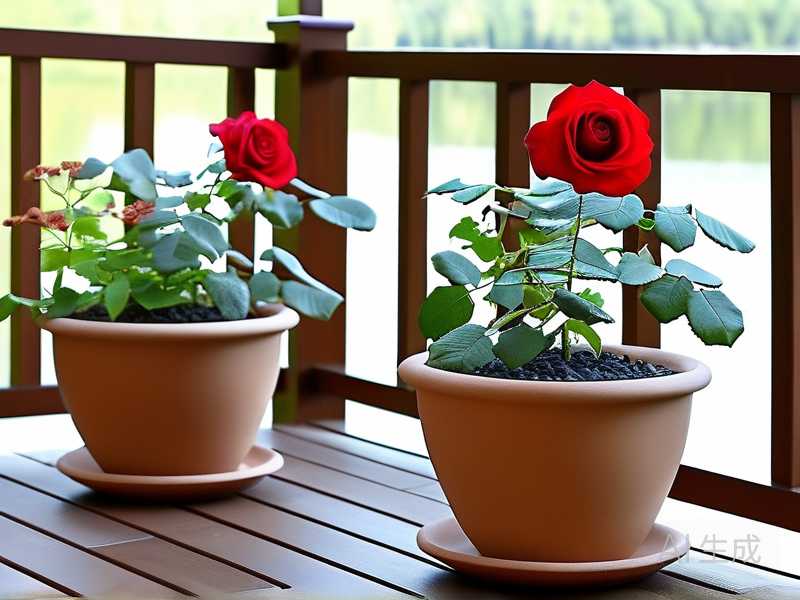
Now: I only use terracotta or fabric pots. They breathe. Water drains properly. Air reaches the roots.
My Two-Week Experiment: Step-by-Step
Week One: Setup and First Observations
Day 1: I bought a 'Sunrise Sunset' rose from a local nursery. It's bred by the Easy Elegance series. I chose it because it has strong resistance to black spot and rust.
I filled a 12-inch fabric pot with high-quality potting mix. I added perlite for drainage. I placed it on my south-facing balcony where it gets sun from 8 AM to 3 PM.
Day 3: Nothing dramatic happened. The leaves looked healthy. No spots. I didn't water because the soil was still slightly damp one inch down.
I checked the leaves every morning. I was paranoid. I think every new rose owner is.
Day 7: New growth appeared. Small red shoots near the main stems. This was my sign that the plant was happy. I gave it a weak dose of liquid rose feed. Half the recommended strength.
Week Two: Real Progress and a Small Panic
Day 8: I woke up and saw tiny white dots on the lower leaves. My heart sank. I thought powdery mildew had already struck.
I grabbed my phone and searched for images. Turned out it was just salt residue from my fertilizer. I had spilled some on the leaves. I gently wiped them off with a damp cloth.
Day 10: The new growth had turned green. Two tiny buds formed at the top. I was excited. But I also noticed the leaves were a bit pale.
What I did wrong: I had placed the rose too close to the balcony railing. The wind was hitting it hard. The leaves were getting stressed.
My fix: I moved the pot to a slightly more sheltered spot. Behind a large planter that blocks the strongest wind. Within two days, the leaves darkened.
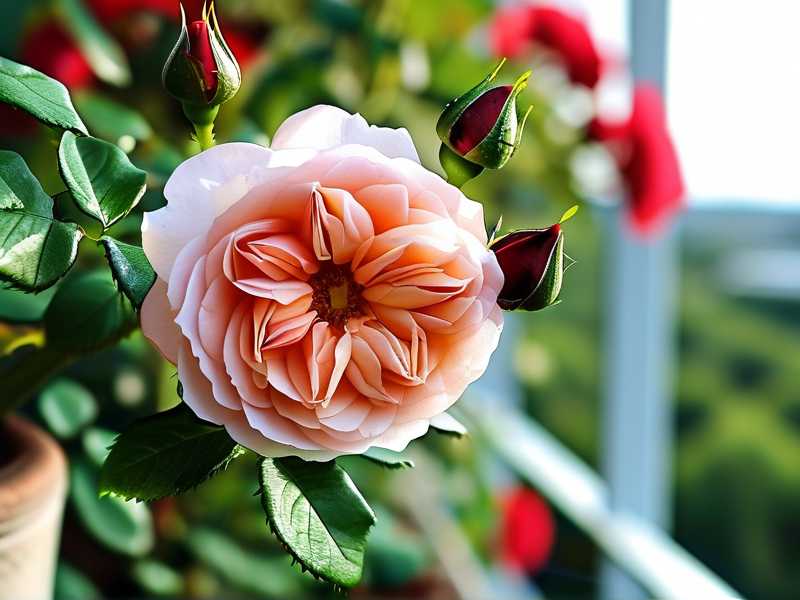
Day 12: The buds started opening. A soft pink color. I trimmed off any yellow leaves I saw. I also removed dead flowers from the nursery stage.
Day 14: Full bloom. Two beautiful roses. No disease signs. The leaves were glossy and green. I had finally done it.
I also bought a 'Pink Drift' rose for a separate pot. It's incredibly hardy. It's meant for ground cover but thrives in containers too. I placed it in a similar spot. It also showed new growth within the first week.
The Varieties That Actually Work on Balconies
Not all disease-resistant roses are equal. Here are my picks based on two weeks of daily observation:
1. Knock Out Roses: They resist black spot extremely well. I saw zero disease even when my neighbor's roses were covered in spots. They bloom constantly. The flowers are smaller but the quantity makes up for it.
2. Drift Roses: Compact and low-growing. Perfect for small balconies. They handle wind better than taller varieties. I put one in a hanging basket. It's doing great.
3. Easy Elegance 'Sunrise Sunset': This was my star performer. It got some afternoon shade but still bloomed. Disease resistance is top-notch.
4. Flower Carpet Roses: Also disease-resistant. I haven't tried them yet, but other balcony gardeners I know rave about them. They're supposed to handle humidity well.
My Daily Care Routine That Actually Works
Morning Check: I look at the leaves for spots or discoloration. I check the soil moisture with my finger. If the top inch feels dry, I water. If not, I leave it alone.
Weekly Feeding: Every seven days, I use a balanced liquid fertilizer. But I dilute it to half strength. Strong fertilizer can burn roots. I learned that after I lost a lavender plant.
Deadheading: I remove faded blooms immediately. This encourages more flowers. It also prevents disease from forming on dead plant material.
Airflow Management: I turn my pots slightly every few days. This ensures all sides get light and air. Stagnant air is the enemy of balcony roses.
Leaf Cleaning: Every other week, I gently wash the leaves with a spray of water. This removes dust and potential spores. I do it early morning so leaves dry before night.
The Hard Truth About Pests on Balconies
Aphids love roses. I saw them on my third day. They were crawling on the new growth.
What I did: I didn't panic. I sprayed them off with a strong stream of water from my hose nozzle. Then I applied neem oil spray. I repeated this every three days for a week.
Result: No more aphids. The neem oil also prevented fungal issues.
My advice: Start with water before chemicals. Most pests are weak. A good spray is enough. If not, neem oil works well without killing beneficial insects.
Common Questions First-Timers Ask Me
How often should I water my balcony rose? Check the soil. Stick your finger one inch down. If it feels dry, water. Otherwise, wait. It's better to underwater than overwater.
Can I grow roses in partial shade? They will survive but may not bloom well. Try to give them at least 4-5 hours of direct sun. If your balcony is shady, consider a variety like 'Climbing Iceberg' which tolerates less light.
What size pot do I need? Minimum 12 inches in diameter and depth. Smaller pots dry out too fast and roots get cramped. I use 14-inch pots for best results.
How do I prevent black spot? Choose resistant varieties. Water at the soil level, not the leaves. Ensure good airflow. Remove any spotted leaves immediately.
Final Thoughts from Someone Who Learned the Hard Way
Disease-resistant rose varieties on the balcony changed everything for me. I used to think I had a black thumb. Now I have blooming roses that make me smile every morning.
The key is to start smart. Pick the right variety. Give it the right pot and light. Don't overwater. Observe daily.
You don't need a big garden to enjoy roses. A balcony works fine. You just need patience and the right plant.
I still have my calendar reminder for next spring. I'm ordering a 'Rainbow Happy Trails' rose. It's supposed to be even more resistant.
If I can grow roses on my windy, partially shaded balcony, you can too. Just don't repeat my mistakes. Start with a 'Knock Out' or 'Drift' rose. Follow the steps I shared. Give it two weeks. You'll see the difference.
Happy growing. Your balcony roses are waiting.