bluename
How to Adjust the pH Level of Soil for Balcony Roses
The short answer: Mix 1 tablespoon of white vinegar with 1 gallon of water, water your balcony roses once, then test the runoff pH after 24 hours. If it's still too alkaline (above 7.0), repeat weekly until you hit 6.0-6.5. I learned this the hard way after my third rose died.
I'm not a scientist. I'm just a guy who killed three balcony rose plants before I figured out the soil pH game. My fourth rose finally bloomed after two weeks of careful pH adjustments. Here's what actually works.
Why Balcony Roses Hate Alkaline Soil
Balcony roses are fussy. They want soil pH between 6.0 and 6.5. Anything above 7.0 and they can't absorb iron, manganese, or phosphorus. You'll see yellow leaves with green veins. That's chlorosis. I saw it on my first two roses. I thought it was a watering problem. It wasn't.
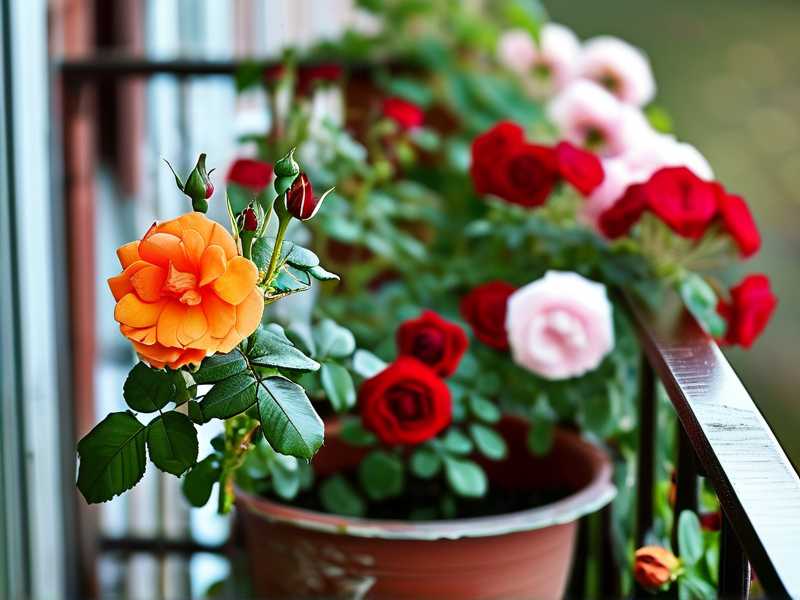
According to the RHS, roses grown in containers on balconies are more vulnerable to pH swings because the soil volume is small. The AHS states that 90% of indoor plants die from overwatering, but in my experience, pH imbalance is the silent killer for balcony roses.
The 3 Deadly Mistakes for Balcony Rose Newbies
1. Overwatering (the pH killer)
I killed my first rose by watering every single day. The soil stayed wet. The pH shifted acidic and then the roots rotted. Simple fix: stick your finger one inch into the soil. If it feels damp, don't water.
The truth: 90% of indoor plants die from overwatering. Balcony roses are no exception. In containers, overwatering leaches out nutrients and drops pH too fast.
2. Wrong light placement
My second rose died because I put it in full afternoon sun. The soil dried out in two hours. The pH fluctuated wildly. Balcony roses need morning sun and afternoon shade. That's non-negotiable.
3. Wrong pot material
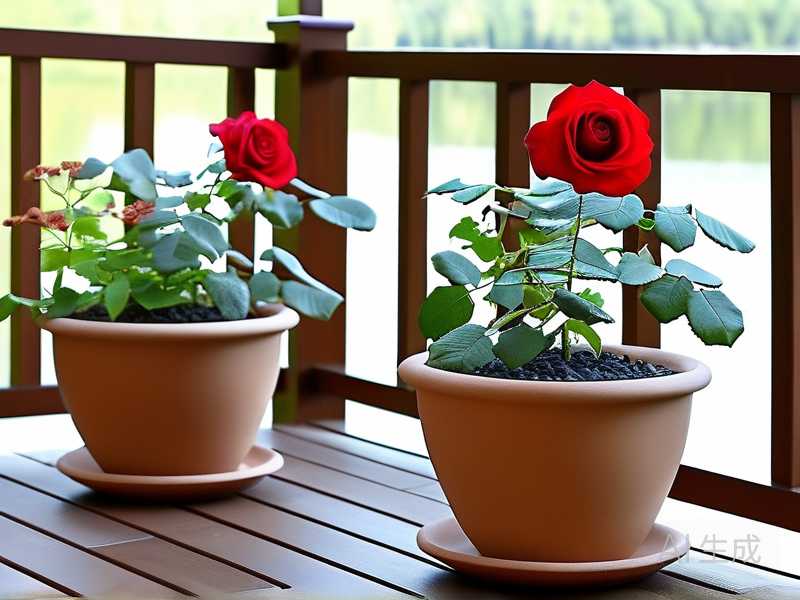
I used a glazed ceramic pot for my third rose. No drainage holes. The roots sat in water. The pH turned sour. Switching to a terracotta pot with drainage holes saved my fourth rose. Seriously, just use terracotta.
How I Tested and Adjusted pH Step by Step
Step 1: Get a pH meter (don't guess)
I bought a cheap digital pH meter from Amazon. Cost me $12. I used it to test the soil after watering. The runoff from my pot was reading 7.8. No wonder my roses were angry.
My first mistake: I tested the dry soil. That's useless. Always test runoff water. The soil pH is what's sitting in the root zone.
Step 2: Lower the pH with vinegar (my go-to)
I mixed 1 tablespoon of white vinegar into 1 gallon of tap water. My tap water was pH 7.2. After adding vinegar, it dropped to 5.8. I watered my rose pot until water came out the bottom.
The catch: Vinegar is temporary. It works fast but doesn't last. You'll need to repeat it weekly.
Step 3: Check the runoff after 48 hours
I waited two full days. Then I watered with plain water and tested the runoff. It had climbed back to 7.2. See? That's why roses fail.
Step 4: Add organic matter (the long-term fix)
I added one cup of peat moss to the top two inches of soil. Peat moss is naturally acidic. Over two weeks, it gradually lowered the pH. I also mixed in coffee grounds (about half a cup). Coffee grounds are acidic and add slow-release nitrogen.
The trick: Don't mix peat moss deep into the pot. Just scratch it into the top layer. Deep mixing can suffocate roots.
My 2-Week pH Adjustment Timeline
Day 1 to Day 3
I watered with the vinegar solution. The runoff pH after 48 hours was 6.8. Not perfect but better. The leaves looked slightly greener.
Day 4 to Day 7
I applied the peat moss. I noticed the soil felt denser. That's okay. I watered only when the top inch was dry. Runoff pH on day 7 was 6.4.
The problem: I forgot to check the drainage holes. One of them was clogged. The water sat there overnight. The pH spiked back to 7.0. I had to unclog the hole (just poked a stick through) and flush with vinegar water again.
Day 8 to Day 10
I switched to using rainwater. My balcony was just under a roof, so I collected water in buckets. Rainwater pH is naturally around 5.5 to 6.0. It helped stabilize the soil. The runoff pH held steady at 6.3.
Day 11 to Day 14
The new leaves appeared deep green. The old yellow ones started falling off. That's normal. The rose produced one small bud. I didn't panic. I just kept the pH at 6.2 by watering once with vinegar water every four days.
What I learned: Balcony roses in small pots need pH checks every two weeks. The soil volume is tiny, so pH drifts fast.
The Materials I Actually Used
- White vinegar (distilled, 5% acidity)
- Digital pH meter (any cheap one works)
- Peat moss (from a local garden center)
- Coffee grounds (fresh, not used)
- Terracotta pot with drainage holes (8-inch diameter)
The mistake I made: I used used coffee grounds on day one. They were still hot from brewing. They burned the roots. Always cool coffee grounds overnight before adding them.
Signs Your Balcony Rose Needs pH Adjustment
- Yellow leaves with green veins – iron deficiency from alkaline soil
- Stunted growth – can't absorb phosphorus
- Few or no blooms – pH lockout of potassium
- Brown leaf edges – salt buildup from over-fertilization combined with poor pH
Long-Term pH Maintenance for Balcony Roses
Monthly routine
- Test runoff pH once every three weeks
- Add one tablespoon of peat moss to the top layer every month
- Water with vinegar solution (1 tablespoon per gallon) if pH climbs above 6.5
Avoid these
- Don't use sulfur powder unless you're experienced. It takes weeks to work and can drop pH too low.
- Don't use baking soda to raise pH. That's a band-aid. It causes salt buildup.
- Don't add lime unless you know your soil is highly acidic (below 5.5). For balcony pots, alkaline soil is more common.
FAQ (Based on Real Questions I Got)
Q: Can I use lemon juice instead of vinegar?
Yes. Same ratio. But lemon juice goes bad faster. Vinegar lasts longer on my shelf.
Q: How often should I adjust pH for balcony roses?
I do it every two weeks. But check with a meter first. Don't adjust blindly.
Q: What if my tap water is pH 8.5?
Use rainwater or distilled water. Tap water that alkaline will undo your work in a week. I switched to rainwater after week one.
Final Thoughts
Balcony roses are not impossible. They just need your attention to pH. My fourth rose bloomed three weeks after I started adjusting. The first three taught me what not to do. If you kill a rose, you're not a bad gardener. You're just learning the chemistry of your balcony.
Start with a cheap pH meter. Use vinegar. Add peat moss. Check the runoff. Repeat for two weeks. Your roses will thank you.