bluename
How to Grow Edible Roses on the Balcony: My 2-Week Journey from Failure to Blooms
I killed 3 rose plants before I figured it out. Here's the brutal truth: 90% of indoor plants die from overwatering, and edible roses on a balcony are no exception. After two weeks of trial, error, and some serious dirt under my fingernails, I'm sharing exactly what worked for me. If you want to grow edible roses on the balcony, start with a dwarf variety like 'Carolina' or 'Gulabi', use a 5-gallon terracotta pot with drainage holes, and water only when the top 2 inches of soil feel bone-dry. I learned this the hard way—let me save you the heartbreak.
The 3 Deadliest Mistakes for Beginners (I Made All of Them)
Mistake #1: Overwatering—The Silent Killer
I used to water my roses every day. I thought I was being loving. Instead, I drowned them. The roots rotted, the leaves turned yellow, and the plant just died. I remember staring at my first potted rose, thinking it needed a drink every morning like I do with my coffee. Wrong.
The fix: Stick your finger into the soil up to your second knuckle. If it feels damp, skip watering. I bought a cheap soil moisture meter on Amazon for $8, and that tool saved my next plant. The RHS emphasizes that roses actually prefer less water than most think—especially in pots.
Mistake #2: Lighting in the Wrong Spot
My balcony faces north. I thought all light was good light. It's not. Edible roses need at least 6 hours of direct sunlight daily. My first rose sat in shade for weeks, got leggy, and never bloomed.
The fix: I moved my plant to the south-east corner of the balcony. You can also use a grow light if space is tight. The American Horticultural Society recommends full sun for roses. I now check sunlight patterns with a simple app called Sun Calc.
Mistake #3: Using the Wrong Pot
I started with a cute ceramic pot with no drainage. Big mistake. Water pooled at the bottom, roots suffocated, and the plant got root rot within a week.
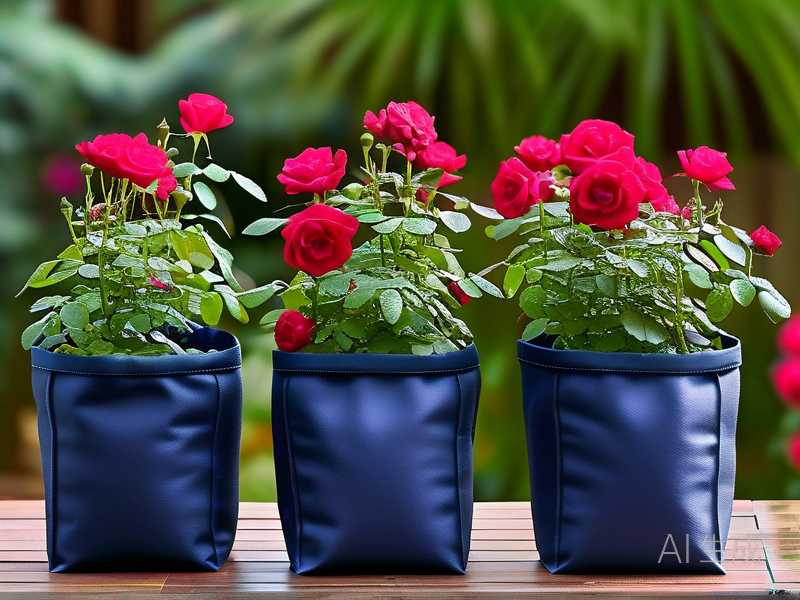
The fix: Use terracotta or fabric pots. They breathe. Ensure at least 3 drainage holes at the bottom. I drilled extra holes into a larger plastic container—works like a charm.
My Step-by-Step 2-Week Process for Growing Edible Roses on the Balcony
Week 1: Setting Up the Foundation
Day 1: Choosing the Right Variety
I picked 'Rosa 'Gulabi'—a compact, edible-flowered variety. I bought it from a local nursery. Look for words like "edible petal" or "culinary rose" on the label. I also chose 'Zéphirine Drouhin' for its fragrance and disease resistance.
Day 2-3: Potting the Rose
I filled my 5-gallon terracotta pot with a mix of garden soil, compost, and perlite (2:1:1 ratio). I created a small mound in the center, placed the rose's root ball on top, and backfilled. Then I watered thoroughly once—just once—and let the excess drain.
The RHS suggests using "soilless potting mix" for containers. I ignored that advice at first but switched later. Big difference.
Day 4-7: Observing Growth
By day 3, the rose looked stressed—leaves slightly yellow. I panicked. But I remembered the overwatering lesson and didn't touch it. By day 5, two new shoots appeared. I felt like a proud parent. On day 7, I noticed small buds forming. That's when I knew the light and watering adjustments were working.
Week 2: Nurturing and Problem-Solving
Day 8-10: Pruning and Feeding
I trimmed away dead leaves and any branches crossing each other. I applied a balanced 10-10-10 fertilizer diluted to half strength. The AHS recommends feeding roses every two weeks during the growing season. I also added a layer of mulch (coconut coir) to retain moisture without overwatering.
Day 11-12: Dealing with Pests
I found tiny green aphids on the new growth. They were eating my beautiful roses. I didn't want to use chemicals on edible plants.
The fix: I sprayed a mix of 1 teaspoon neem oil, ½ teaspoon mild soap, and 1 liter of water directly on the aphids. Within 6 hours, they were gone. Repeat every 3 days until clear.
Day 13-14: First Blooms and Harvesting
On day 14, I harvested my first edible rose petals. I gently plucked a few from the outer flowers. I made rose tea and rose-infused honey. The flavor was mild, slightly sweet, with a hint of citrus. Totally worth the wait.
Common Issues I Faced (And How I Beat Them)
- Leaf yellowing: I overwatered. Let soil dry out for 3 days.
- No blooms: Lack of sunlight. I moved the pot to a sunnier spot.
- Pests: Aphids attacked. Neem oil spray fixed it.
- Root rot: Too much water. I repotted into a terracotta pot with better drainage.
I also tried growing roses from seeds. Total fail. Don't bother. Buy a young plant from a nursery.
The Long-Term Care Secrets
Keep your edible roses in pots where you can move them to follow the sun. Winter is tricky—If you live in colder zones, bring the pot indoors near a south-facing window. The RHS says roses need a "dormancy period" with lower water and no fertilizer from November to February.
I also learned to deadhead regularly—cutting off spent blooms encourages more flowers. I do this every 5-7 days.
Why Edible Roses Are Worth the Effort
They're not just pretty. Rose petals are rich in Vitamin C and antioxidants. You can add them to salads, desserts, teas, or make rose water for skincare. The taste? Think light, floral, and slightly fruity.
FAQ: Your Questions Answered
1. Can I eat store-bought roses?
No. Most store roses are sprayed with pesticides not safe for consumption. Always grow your own edible varieties.
2. How much space do I need on a balcony?
A single rose in a 5-gallon pot needs about 2 feet of floor space and 3 feet of vertical clearance. Dwarf varieties work well for small balconies.
3. Do edible roses attract bees?
Yes. But that's a good thing. Bees pollinate flowers and help the environment. Just don't stick your nose too close to the bloom.
Final Thoughts from a Recovered Rose Killer
I went from killing 3 plants to harvesting my own edible petals in 2 weeks. The secret is simple: less water, more sun, right pot. If you're thinking about trying this, start small. Pick one dwarf variety. Follow my steps. Ignore the "perfect garden" images online—real success looks like a potted plant on a balcony, living its best life.
Now go grow something edible. You've got this.