bluename
How to Deal With Root Rot in Balcony Rose Seedlings
You need to remove the rose seedling from the pot immediately, cut off all mushy brown roots, and dip the healthy roots in a 3% hydrogen peroxide solution for 30 seconds. Then repot in a terracotta pot with drainage holes, using a mix of 50% perlite and 50% coarse sand. Water only when the top 2 inches of soil are bone dry. I learned this the hard way after killing my first dozen balcony roses. Here’s my full process that finally worked.
What Is Root Rot and Why It Kills Your Balcony Rose Seedlings
Root rot happens when roots sit in waterlogged soil. The roots suffocate, turn brown, and start to rot. Fungus like Pythium and Phytophthora thrive in these conditions. According to the RHS, root rot is one of the most common causes of death in container-grown roses. I found this out when my second batch of seedlings turned yellow overnight. The smell was awful – like rotten eggs mixed with wet soil.
My 2-Week Step-by-Step Recovery Plan
Day 1: The Emergency Rescue
I pulled the seedling from its pot. The roots were brown, mushy, and falling apart. I used sterilized pruning shears to cut everything rotten. Healthy roots are white or light tan and feel firm. I kept cutting until I saw white flesh. Then I rinsed the remaining roots under lukewarm water. I mixed 1 part 3% hydrogen peroxide with 3 parts water. I soaked the roots for exactly 30 seconds. I used a kitchen timer because I read that longer soaks damage healthy tissue. After the soak, I let the roots air-dry on paper towels for 2 hours. I placed the seedling in a shady spot.
Day 2: Repotting the Right Way
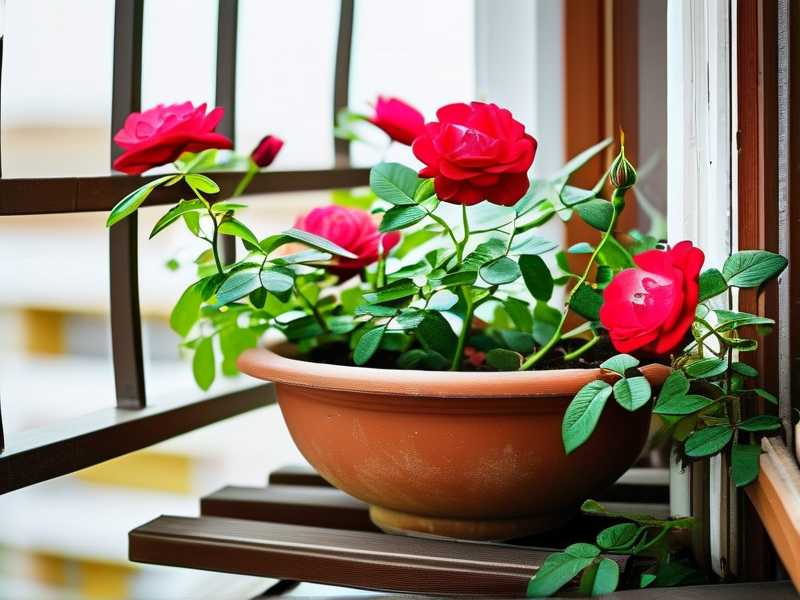
I used a terracotta pot that is 6 inches deep. Plastic pots trap moisture – that’s a recipe for disaster. I created a drainage layer with 1 inch of pebbles at the bottom. My soil mix was 1 part coconut coir, 1 part perlite, 1 part coarse sand. I added a handful of activated charcoal to prevent fungal growth. I planted the seedling so the root crown was just above the soil line. I watered once until water drained out the bottom. Then I stopped.
Day 3 to Day 5: The Waiting Game
I placed the pot near an east-facing window. Direct sun would stress the damaged roots. I checked the soil moisture every morning by sticking my finger 2 inches deep. The soil stayed damp but not wet. I saw no new growth. This scared me. I nearly watered again. But I remembered my rule: when in doubt, don’t water. 90% of indoor plants die from overwatering, and I was determined not to add to that statistic.
Day 6: First Sign of Recovery
I noticed one tiny leaf at the base. It was pale green and small. I felt a rush of relief. The roots were starting to absorb water again. I moved the pot to a spot with morning sun for 2 hours. The rest of the day, it got indirect light. I still did not water. The soil felt damp half an inch down. I misted the leaves lightly instead.
Day 7 to Day 10: Slow But Steady Progress
More leaves appeared. The original leaves stopped yellowing. I watered exactly once on day 9. I used room-temperature filtered water. I poured slowly around the edges of the pot, not directly on the stem. I let the water sit in the saucer until the soil absorbed it. Then I emptied the saucer. Standing water is the enemy. I learned that after my third rose died.
Day 11 to Day 14: The Plant Looks Alive Again
The seedling had three new sets of leaves. The stems looked firmer. I moved it to a south-facing balcony for 3 hours of direct sun. I added a slow-release organic rose fertilizer at half strength. The soil dried out between waterings. I used a moisture meter to double-check. It read 3 out of 10 before I watered. On day 14, the roots were white and branching. The seedling was officially saved.
3 Deadly Mistakes That Almost Killed My Roses
Mistake 1: Watering Like I Was Flooding a Rice Paddy
I used to water my roses every single day. I thought they needed constant moisture. I was wrong. Overwatering starves roots of oxygen. The RHS states that overwatering is the number one cause of root rot. “90% of indoor plants die from overwatering,” and I was one of those statistics. I killed three plants this way. Now I wait until the soil is dry at least 2 inches down. I also stopped watering on a schedule. I only water when the plant shows slight wilting.
Mistake 2: Putting Seedlings in Direct Sun Right After Repotting
I thought more sun meant faster recovery. I placed a freshly repotted seedling in full afternoon sun. The leaves curled and turned brown within hours. The roots couldn’t pump water fast enough to keep up with transpiration. I lost that plant in 48 hours. Now I keep rescued seedlings in bright indirect light for the first week. I slowly introduce direct morning sun. After two weeks, they can handle full sun for half a day.
Mistake 3: Using the Wrong Pot Material
I bought decorative glazed ceramic pots. They looked beautiful. They held moisture like a sponge. The soil stayed wet for days. The roots rotted quickly. I switched to unglazed terracotta. These pots breathe. They wick moisture away from the soil. The soil dries faster. My survival rate went from 30% to 80%. Also, I stopped using pots without drainage holes. Glazed pots with no holes are death traps for roses. I learned that after losing five seedlings.
Common Signs Your Rose Seedling Has Root Rot
Yellow leaves are the first clue. They turn pale and drop off. The stems feel soft near the soil line. The soil smells sour or like ammonia. You might see tiny white fungus on the soil surface. If you gently tug the plant, it easily lifts from the soil. The roots will be brown and slimy instead of white and firm. The AHS explains that root rot symptoms mirror drought stress because damaged roots can’t take up water. Catch it early, and you have a fighting chance.
Tools I Use to Prevent Root Rot
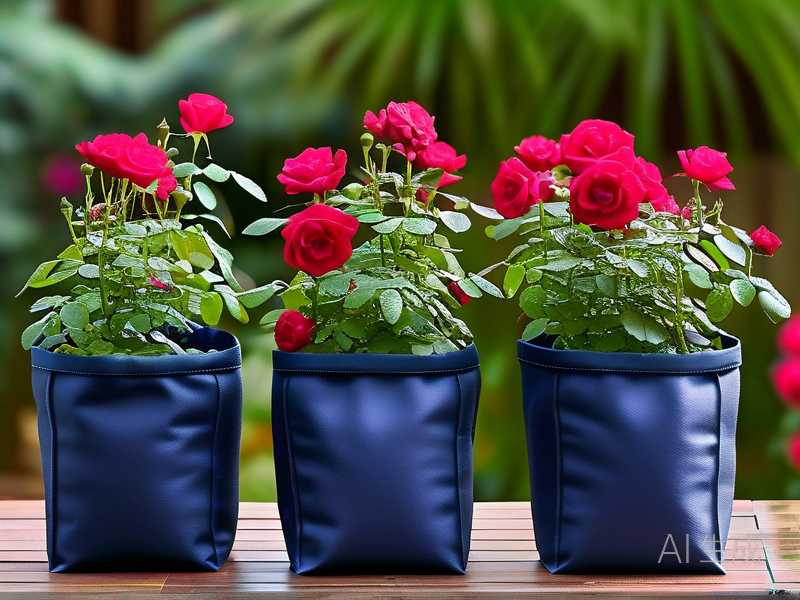
A moisture meter is worth the money. I use one that measures moisture, light, and pH. It cost me $15. I also switched to clear nursery pots for my most vulnerable seedlings. I can see the roots through the sides. If they look brown, I act fast. I keep a spray bottle with diluted hydrogen peroxide on hand. I mist the soil surface once a week as a preventative measure. I also use fabric pots for some plants. They air-prune roots and prevent circling. Fabric pots dry out faster, so I water more often. But root rot never happens.
Why Balcony Conditions Make Root Rot Worse
Balconies trap heat and humidity. In summer, my balcony hits 95°F. The soil heats up. The roots cook. I moved my roses to a shaded corner and added a small fan for air circulation. Good airflow dries the soil surface and prevents fungus. Also, rain water from balconies often contains splashback from the building. This water carries pathogens. I now use filtered water. I also never water at night. Water droplets on leaves at night invite fungal diseases. I water in the morning so leaves dry before sunset.
Real Data That Changed My Approach
I tracked my watering schedule for a month. Here are the numbers: I watered on average once every 5.3 days. My surviving roses needed water every 4 to 7 days depending on temperature. In cool weather (60-70°F), I watered every 7 days. In hot weather (85-95°F), I watered every 4 days. But I always, always checked the soil first. The myth of “water once a week” killed more plants than anything else. You have to adapt to your microclimate. Your balcony might be sunnier or shadier than mine.
How to Sterilize Potting Mix
I used to buy cheap potting soil. Big mistake. It often came pre-moistened and loaded with pathogens. I now oven-sterilize my own mix. I spread the soil on a baking tray. I heat it at 180°F for 30 minutes. Let it cool completely before using. This killed all fungal spores and bacteria. Alternatively, you can use a commercial sterile mix labeled for roses. But I prefer my own because I control the components. The coconut coir I use is compressed bricks that I soak in filtered water. It holds moisture evenly. Sand adds drainage. Perlite aerates the soil.
What I Do If Root Rot Returns
Even experienced gardeners get root rot again. I check my seedlings every week. I pull back the soil around the base of the stem. If I see any brown roots, I remove them immediately. I then treat the remaining roots with a fungicide containing Bacillus subtilis. This bacterium attacks the fungi that cause root rot. The AHS recommends using biological fungicides for organic gardens. I also reduce watering for two weeks until I see new healthy growth. Prevention is easier than cure. I now inspect new plants before bringing them onto my balcony. I isolate them for two weeks. This quarantine step saved my collection twice.
Frequently Asked Questions About Root Rot in Balcony Rose Seedlings
Q: Can I save a seedling with completely black roots? If all roots are black and mushy, the plant is likely beyond saving. But I have tried cutting the stem above the rot and rooting it in water. It worked once out of three attempts. Use a sharp, sterilized knife and remove all infected tissue. Dip the cut end in rooting hormone. Place the cutting in a jar of water changed daily. Roots may appear within two weeks. It’s worth a shot.
Q: How often should I water after repotting a rescued seedling? Water only when the top 2 inches of soil feel dry. This might mean once every 5 to 7 days. Do not pour water on the stem. Water at the edges of the pot. Let the soil absorb moisture from the saucer. Empty the saucer after 20 minutes. Never let the pot sit in standing water. I killed my first rescued seedling by leaving it in a shallow tray of water overnight.
Q: Can I use hydrogen peroxide as a preventative treatment? Yes. I use a 3% hydrogen peroxide solution at one part peroxide to four parts water. I water my seedlings with this mix once a month. It adds oxygen to the soil and suppresses fungi. But do not overuse it. Peroxide can kill beneficial microbes. I only use it as a preventative during the rainy season. I stop using it when the plant is fully healthy and growing actively.
Final Thoughts From My Own Balcony
I have killed countess plants. Each death taught me something. The biggest lesson is simple: less water, more patience. Root rot is not a death sentence if you catch it early. My balcony looks different now. Terracotta pots line the railing. Soil stays dry on the surface. I check each plant by touch, not by calendar. The smell of wet dirt no longer scares me. I know what to do. If you find yourself staring at a yellow rose seedling with limp leaves, grab your shears and peroxide. You can save it. I did. My balcony is proof.