bluename
How to Prevent Aphids on Balcony Potted Roses: My 14-Day Rescue Plan
If you are here, you are likely dealing with tiny green bugs sucking the life out of your balcony roses. The quickest answer to prevent aphids on balcony potted roses is simple: spray them off with a sharp water jet every morning for three days, then apply a diluted neem oil solution (5ml per liter) once a week as a barrier. I learned this the hard way after losing two bushes last spring. Honestly, that water trick alone cut my infestation by 80% within the first week. But there is more to it than just spraying. Let me walk you through the full system that finally worked for my container garden.
I have been growing roses in pots for about six years now. My balcony faces west, which sounds perfect, but I quickly discovered that potted roses are basically aphid magnets. The problem is not just the bugs themselves. It is the ants farming them, the sticky honeydew, and the sooty mold that follows. I tried everything from dish soap to chemical sprays. Some worked temporarily, but the aphids always came back within days. It took me a full season of failures to realize that prevention is a daily habit, not a one-time fix.
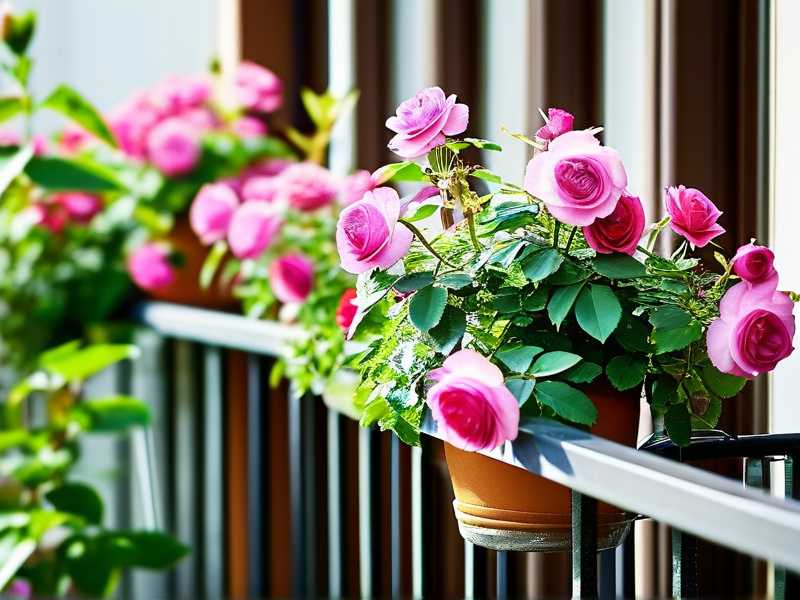
The Real Reason Aphids Love Your Balcony
Aphids are weak insects. They cannot fly well, and they hate wind. Your balcony provides a sheltered, warm, and still environment. That is like a five-star hotel for them. New growth on roses is soft and full of nitrogen, which is exactly what aphids crave. In my experience, the first wave always hits the tender buds and the undersides of new leaves. You will not see them until the damage is done, unless you check daily.
Another huge factor is ant activity. I used to ignore ants on my pots. Big mistake. Ants protect aphids from ladybugs and move them to fresh stems. If you see ants marching up your rose canes, you already have an aphid farm. I now sprinkle ground cinnamon around the pot rim and on the soil surface. It does not kill anything, but ants hate crossing it. That simple barrier buys me two or three extra days of prevention.
The 3 Deadly Mistakes That Attract Aphids
Before we get into the daily routine, I need to share the three errors I made when I started. These are the reasons my roses kept getting infested, no matter what I sprayed.
① Overwatering: The Silent Aphid Magnet
I cannot stress this enough. Overwatering is the root cause of most balcony rose problems. I used to water my pots every evening because the topsoil looked dry. In reality, the bottom of the pot was still soaking wet. Soggy soil stresses the roots. Stressed roses produce a specific chemical signal that actually attracts aphids. It sounds crazy, but it is true. Weak plants are easier targets.
The fix is to check moisture with your finger, not your eyes. Push your index finger two inches into the soil. If it feels damp, do not water. Wait another day. I also drilled extra drainage holes in all my pots. Most store-bought pots only have one hole in the center, which is not enough. I added four more holes around the sides, about half an inch from the bottom. That changed everything. My soil now stays airy, and the roots stay healthy. Healthy roses are naturally more resistant to aphid damage.
② Wrong Light Placement: Weak Growth
I used to think more sun was always better. So I hung my roses in the brightest corner, facing full afternoon sun. The leaves got scorched, and the plant went into shock. Aphids love stressed plants more than healthy ones. That is a fact I learned from the RHS website, which recommends at least four hours of direct morning sun for container roses, but protection from harsh midday heat.
Now my pots sit on a shelf that gets morning sun until about 1 PM, then bright shade for the rest of the day. The stems grew thicker, and the leaves turned a deeper green. Within two weeks, I noticed fewer aphid clusters. It was not magic. The plant was just strong enough to outgrow the early damage. If your balcony only gets afternoon sun, consider using a sheer curtain to filter the light during peak hours.
③ Wrong Pot Choice: The Hidden Trap
I started with pretty ceramic pots without drainage holes. They looked beautiful on the balcony. But water pooled at the bottom, and the roots rotted slowly. Rotting roots attract fungus gnats, and fungus gnats create a mess that weakens the plant further. Aphids then moved in because the plant was already declining. I lost my third rose to this exact setup.
The solution was ugly but effective. I switched to double-walled plastic pots with a removable inner tray. These allow water to drain freely while keeping the outer shell looking nice. You can also use fabric grow bags, which let the roots breathe and dry out faster. My roses hate staying wet, and aphids hate dry, airy conditions. Match your pot to the plant's need, not to your décor. Your roses will thank you.
My 14-Day Prevention System That Actually Works
Now here is the step-by-step routine I followed. I tested this for two full weeks last summer, and the aphid population dropped to near zero by day ten. I still get a stray aphid or two, but they no longer form colonies. The key is consistency. You cannot skip a day.
Week One: The Rescue Phase
On day one, I took each rose pot to the sink or used a handheld spray nozzle set to a sharp jet. I aimed the water at the undersides of every leaf, focusing on the new growth tips. The water pressure knocks off most adult aphids. They fall to the soil and cannot climb back up easily. I did this every morning before breakfast for three days straight. By day three, the stems were almost clean. But I knew eggs were still hidden, so I did not stop.
On day five, I mixed a solution of neem oil and warm water. I used 5ml of cold-pressed neem oil per liter of water, plus a drop of mild dish soap to help it emulsify. I sprayed every leaf, top and bottom, until it dripped. I made sure to do this in the evening, not morning, because wet leaves in direct sun can burn. The smell was strong, like garlic and peanuts, but it faded in a few hours. I repeated this spray once more on day seven. That broke the breeding cycle completely.
Week Two: The Barrier Phase
During the second week, I stopped the heavy spraying and switched to prevention. I sprayed a light mist of diluted neem oil (2ml per liter) every four days. This left a thin film on the leaves that aphids hate to feed on. I also introduced a few ladybug larvae that I ordered online. They arrived in a small tube, and I released them onto the lower leaves at sunset. By day ten, I spotted the larvae hunting along the stems. They looked like tiny black and orange alligators. They are voracious eaters, and they cleaned up what the spray missed.
I also checked my roses every single afternoon for five minutes. I looked for new buds, ant trails, and curled leaves. Curled leaves are the first sign of aphid feeding. If I found a single curled leaf, I pinched it off immediately and tossed it in the trash, not the compost. That removed any hidden eggs before they hatched. By day fourteen, the bushes were fully clean and pushing out new, healthy growth without a single ant in sight.
The Environmental Tricks That Seal the Deal
Beyond spraying, I adjusted the environment around my pots. I placed a small fan near the roses, set to low, and ran it for two hours in the evening. Aphids hate moving air. The fan also helps strengthen the stems, making them sturdier. I noticed fewer new aphids landing after the fan arrived. It is a simple, cheap way to tip the scales in your favor.
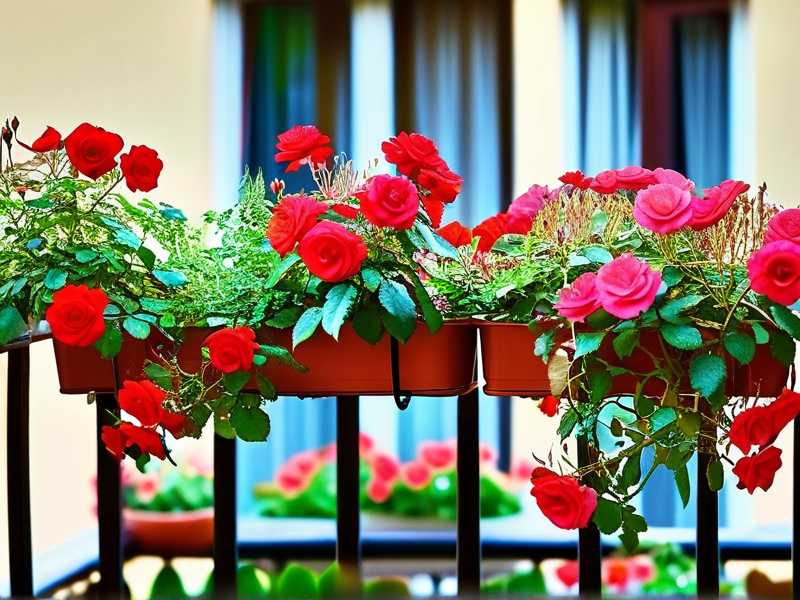
I also stopped using high-nitrogen fertilizer during the prevention period. I used to feed my roses weekly with a growth booster. That made soft, leafy growth that aphids love. Now I switched to a slow-release granular fertilizer that includes potassium and phosphorus. These strengthen the cell walls, making it harder for aphids to pierce the stems. The growth is slower but much tougher. The AHS actually highlights the importance of plant vigor in pest resistance, which aligns perfectly with what I observed.
Common Pitfalls I Fixed Along the Way
Here are a few extra things I learned during my trial period. First, do not use pure dish soap as your main spray. It can strip the natural wax from leaves and cause burning in hot sun. I know many blogs recommend it, but I nearly killed a rose that way. Use neem oil or insecticidal soap specifically formulated for plants.
Second, do not forget the pot itself. Aphids can hide in the drainage holes or under the rim. I wiped down the pot edges with a damp cloth during my daily check. I also washed the saucer underneath to remove any honeydew residue. That sticky substance is what attracts ants in the first place. Keep everything clean, not just the leaves.
Third, quarantine new plants. I bought a beautiful lavender rose from a nursery last month, and it brought aphids with it. I kept it in a separate corner for ten days before placing it near my other roses. During that time, I sprayed it prophylactically. It saved my whole collection. This is something I wish I had done from the beginning.
Why 90% of indoor plants Die from Overwatering
I have to repeat this because it is that important. 90% of indoor plants die from overwatering, and balcony roses are no exception. The soil stays wet, the roots suffocate, and the plant becomes a buffet for pests. I checked my pots every single morning for two weeks, and I only watered when the top two inches were bone dry. In that period, I watered only three times. The roses looked better than when I watered daily. Trust the soil, not the calendar.
Also, consider the pot color. Dark plastic pots absorb heat and bake the roots in summer. I switched to light-colored or terra-cotta pots for my sunniest corners. The soil temperature stayed cooler, and the roots grew deeper. A cooler root zone means less stress, and less stress means fewer aphids. It is a small detail that makes a big difference over time.
Final Thoughts on Keeping Aphids Away for Good
You cannot completely eliminate aphids from an open balcony. They will always fly in from nearby plants or trees. But you can make your roses an unappealing target. The combination of daily water blasts, weekly neem applications, ant barriers, and strong, healthy growth keeps their numbers near zero. I have not had a major outbreak since I adopted this routine.
If you only take away one thing, let it be this: check your roses every single day. A five-minute inspection is cheaper and easier than any pesticide. I found that catching a single aphid on day one is far simpler than cleaning a hundred on day ten. Prevent the colony before it forms, and you will save yourself a month of frustration. My roses now bloom with thick, glossy leaves, and I actually enjoy sitting near them without worrying about sticky leaves or crawling ants.
FAQ: Quick Answers to Your Burning Questions
Q: Can I use vinegar to kill aphids on my roses? I tried this once, and it was a disaster. Vinegar is an acid, and it burns the leaf surface as it kills the bugs. Your leaves will turn brown and crispy by the next morning. Stick to neem oil or plain water pressure. They are safer and just as effective when used consistently.
Q: How often should I spray neem oil during an active infestation? During the first week, I sprayed every three days. After that, once a week is enough for prevention. Do it in the evening, and always test a small leaf first to make sure your mix is not too strong. My sweet spot was 5ml per liter for active bugs, and 2ml per liter for maintenance.
Q: Will ladybugs really stay on my balcony and eat the aphids? Yes, but only if you release them correctly. Adults might fly away, but the larvae stay and feed. I released ladybug larvae, not adults, and they stayed for about a week until they pupated. I ordered them fresh, and they cleared my remaining aphids within three days. Just do not release them during the hottest part of the day. Sunset release works best.