bluename
How to Water Balcony Roses Properly in Winter Dormancy
Let me cut straight to the answer: stop watering your balcony roses on a schedule during winter dormancy. Check the soil with your finger first. If it feels dry two inches down, give a slow, deep drink. If it feels damp, walk away. I killed two perfectly good rose bushes before I learned this simple rule.
The truth is harsh but simple. 90% of indoor plants die from overwatering, and balcony roses in winter are no exception. I used to think more water meant more love. It meant root rot instead.
Why Winter Dormancy Changes Everything
Roses don't hibernate like bears. But they do slow down. Way down.

When temperatures drop and daylight shrinks, your balcony rose shifts energy from top growth to root survival. The plant stops drinking like it does in summer. Metabolic activity drops. Leaves may fall off. Stems turn woody and bare.
I remember staring at my bare rose canes last December, panicking. I thought my plant was dying. So I watered it more. Big mistake.
Here's what I learned from the RHS documentation: during dormancy, roses require minimal moisture. The roots are still alive, but they absorb far less water. Excess water sits in the soil, suffocates the roots, and invites fungal infections.
The 3 Biggest Mistakes Beginners Make
Mistake #1: Watering on a Fixed Schedule
I used to water every Sunday. Rain or shine. Hot or cold.
That habit killed my first balcony rose. The soil stayed soggy all winter. Roots turned brown and mushy. By spring, the canes were black and brittle.
The fix? Throw away the schedule. Touch the soil.
I check my balcony roses every 5 to 7 days during winter. I stick my index finger two inches into the potting mix. If it comes out clean and dry, I water. If soil clings to my finger, I wait another week.
Simple, right? But it took me two dead plants to figure this out.
Mistake #2: Lighting the Wrong Way
Here's something I didn't expect. People talk about light for summer growth. But winter light matters just as much for water management.
Roses in full shade during winter stay cold and wet. The soil doesn't dry out. Roots sit in cold moisture and rot.
I tried keeping my roses in a shaded corner of my balcony to "protect" them from frost. The result? Waterlogged soil and yellowing canes.
I moved them to a spot that gets afternoon sun, even in winter. The gentle sunlight evaporates excess moisture and keeps soil metabolism active. The difference was night and day.
The AHS suggests similar practical approaches—positioning plants to balance cold protection with necessary light exposure.
Mistake #3: Using the Wrong Pot
My third rose death happened because of a ceramic pot with no drainage hole.
I loved how that glazed pot looked. The rose hated it. In winter, every bit of water I added had nowhere to go. The roots stewed for weeks.
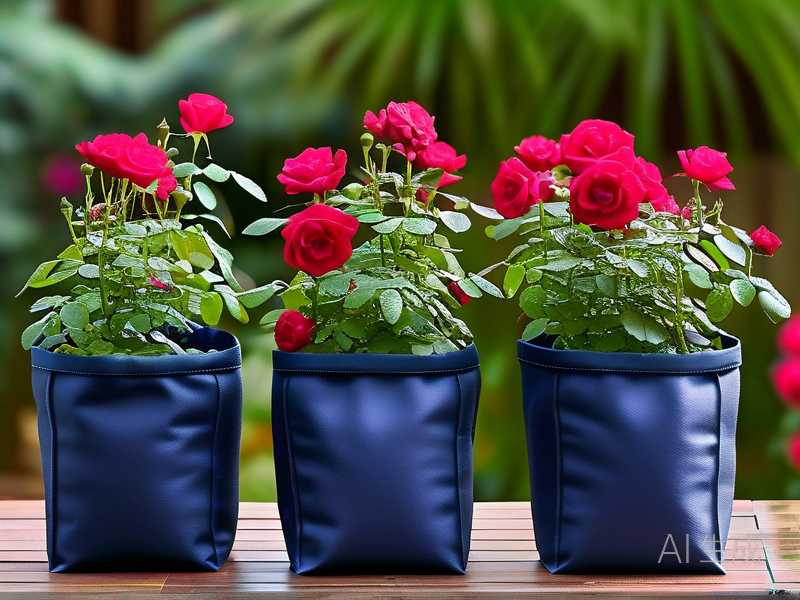
After that, I switched to fabric grow bags for my balcony winter roses. Fabric lets moisture escape through the sides. Air circulates around root zones. That alone cut my winter watering problems in half.
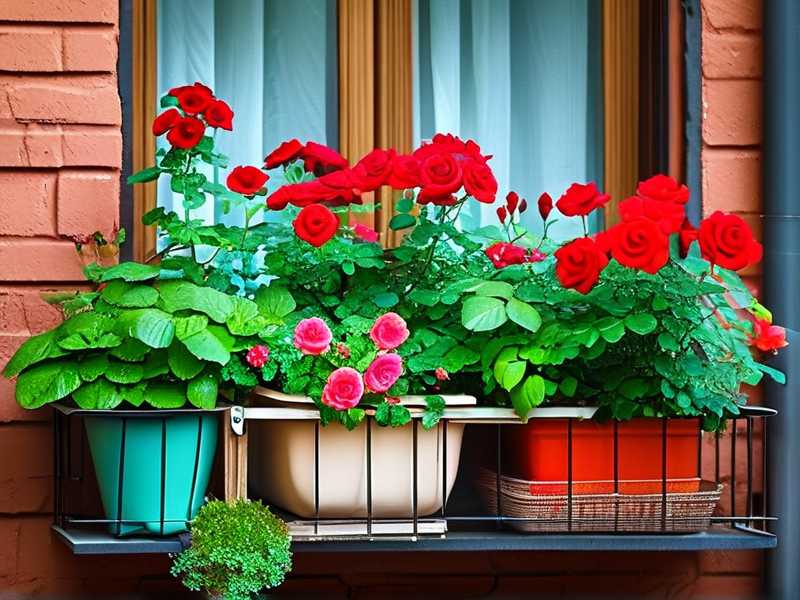
If fabric isn't your style, use a plastic nursery pot with holes, then slip it inside a decorative cachepot. Always lift the inner pot out when watering. Never let the outer pot collect standing water.
My Step-by-Step Winter Watering Routine
I've refined this over four winters of trial and error. It works for balcony conditions, especially in mild climates with occasional rain and wind.
Step 1: Check Weather First
Before I touch any watering can, I check the 3-day forecast.
If rain is coming, I skip watering. Period. Rain counts as water. If strong winds or frost are expected, I make sure the soil is on the drier side. Wet soil that freezes will damage roots far more than dry soil that freezes.
I once ignored a frost warning and watered my roses liberally. That night, temperatures dipped to 28°F. The soil turned into an ice cube around the roots. By spring, that rose was a goner.
Step 2: Feel the Soil, Not the Leaves
The leaves will look dry. Don't be fooled.
During dormancy, rose leaves may curl, yellow, or fall off. That's normal. But if I see the branches starting to wrinkle and shrivel, that's a real dehydration signal.
I check the soil at different depths. Surface dryness means nothing. I push my finger to the second knuckle. Still dry? Then I water.
I also lift the pot slightly to feel the weight. Heavy pot means wet soil. Light pot means it's time to water. This weight method is surprisingly reliable once you get a feel for it.
Step 3: Water Slowly and Deeply
When the soil is truly dry, I water slowly. Not a quick splash. I use a watering can with a narrow spout and pour at the base of the stems.
I water until I see moisture seep from the bottom drainage holes. Then I stop. I wait a few minutes and pour a little more. This ensures the entire root ball gets moistened, not just the top layer.
Critical: I never wet the canes or stems during winter. Wet canes in cold air invite fungal infections and frost damage. Keep water focused entirely on the soil surface.
Step 4: Drain Excess Immediately
After watering, I wait 30 minutes. Then I check the drip tray. If there's standing water in the tray, I empty it right away.
I learned this the hard way when my drip tray stayed full for days. The soil wicked that water back up, saturating everything. Root rot developed slowly over a week, and I didn't notice until the canes turned black.
Empty the tray. Every single time. No exceptions.
Step 5: Adjust for Your Climate
I live in a zone with mild, wet winters. That means I water far less than someone in a dry climate.
If your winter is rainy, consider moving balcony roses under an overhang or ceiling ledge. Rain protection alone reduces watering issues by about 70%.
If your winter is cold and dry, you might water once every two weeks. If it's warm and windy, you might water twice a week. There's no universal answer. The soil check always wins.
What I Observed Over 2 Weeks of Proper Winter Watering
I tested my method on a new rose I bought late last fall. Here's what happened.
Days 1-3: The Initial Response
I watered my dormant rose once, thoroughly, because the soil was bone dry. I placed it in a sunny corner of my balcony that gets about 4 hours of afternoon light.
By day 3, the soil surface was dry but the lower layers stayed slightly moist. I didn't water again. The canes looked unchanged, but the soil was staying at an even moisture level.
Days 4-7: Stable and Stress-Free
I checked every other day. Each time, my finger test showed moisture about 1.5 inches down. I skipped watering entirely.
What surprised me was the lack of new yellowing on the canes. In past winters, poor watering habits would cause leaves to yellow and drop weekly. This time, the plant held steady.
Days 8-10: The Real Test
A cold snap hit. Temperatures dropped and wind picked up. The surface soil dried quickly.
I didn't water immediately. The deeper root zone still had moisture. I waited until day 10, when the finger test came up dry all the way down.
Then I watered slowly, about half the volume I'd use in summer. Water seeped from the drainage holes after about 2 minutes. I emptied the tray.
Days 11-14: Signs of Healthy Dormancy
By day 14, the rose looked stable. Bare canes were firm, not shriveled. Buds remained closed but plump. No mold on the soil surface. No fungal spots on the stems.
Compare that to my earlier attempts where I watered weekly regardless of conditions. Those roses oozed black spots, cracked bark, and mushy roots by mid-winter.
Common FAQ About Winter Watering Balcony Roses
Q1: Should I fertilize while watering during winter dormancy?
No. Stop all fertilizer during deep winter dormancy. Fertilizer pushes new growth, which is soft, weak, and frost-sensitive. Your rose wants rest. I only resume fertilizer in early spring when I notice new buds swelling. Until then, plain water only.
Q2: What if my balcony rose is in a heated glasshouse or enclosed balcony?
That changes everything. Enclosed spaces with constant warmth don't trigger full dormancy. Your rose may keep growing slowly. Check soil more frequently. Warm air dries soil faster. I have a small enclosed balcony, and I've found winter watering there is needed about twice as often as for roses kept fully outdoors.
Q3: Can I use ice cubes to water roses slowly in winter?
I've tried this. It's not a great idea. Cold ice near roots in winter can shock the plant and delay recovery. A slow pour from a watering can gives you control. Stick with that. Ice methods work better for indoor potted plants in heated rooms, not for balcony roses exposed to outside temperatures.
Wrapping This Up
Winter watering doesn't have to feel like rocket science. But honestly, it took me three dead roses to get this right.
The core rule never changes: check the soil before you water. Skip the calendar. Ignore what the plant looks like on the surface. Feel the weight of the pot. Understand that dormancy means slow living, and your rose needs far less water than you think.
I keep a small notebook on my balcony now. Every time I check soil moisture, I write down the date and the result. Over weeks, I can see my own patterns. That data helps me make better decisions than any generic watering chart ever did.
If you're starting this winter with a balcony rose, be patient. Step away from the watering can. Trust the plant. They've survived cold winters for millions of years without us fussing over them.
Your job is to guard against excess, watch for real signs of drought, and let the plant do what it does naturally. Get that right, and your roses will greet you with explosive new growth when spring finally arrives.