bluename
Watering Balcony Roses in hot summer is the single biggest challenge I face every year. The brutal truth is that 90% of indoor plants die from overwatering, and balcony roses are not much different. If you water them wrong in July, you will lose them within a week. I learned this the hard way after killing three beautiful bushes. So, here is the direct answer: water deeply only when the top 2-3 inches of soil are completely dry, preferably in the early morning, and always check the drainage hole before you pour another drop.
I remember my first summer with balcony roses. I thought more water meant happier plants. I was completely wrong. My once-vibrant 'Mister Lincoln' turned yellow, dropped all its leaves, and developed root rot within ten days. It was a heartbreaking mess. The soil was sticky, dark, and smelled like a swamp. That was my first lesson in "how to water balcony roses correctly". The issue wasn't the heat. It was my panic.
The 3 Fatal Mistakes That Kill Balcony Roses in Summer
Before I give you the exact watering schedule, I must warn you about the three biggest traps. I have made every single one of these mistakes. You do not have to repeat my failures.
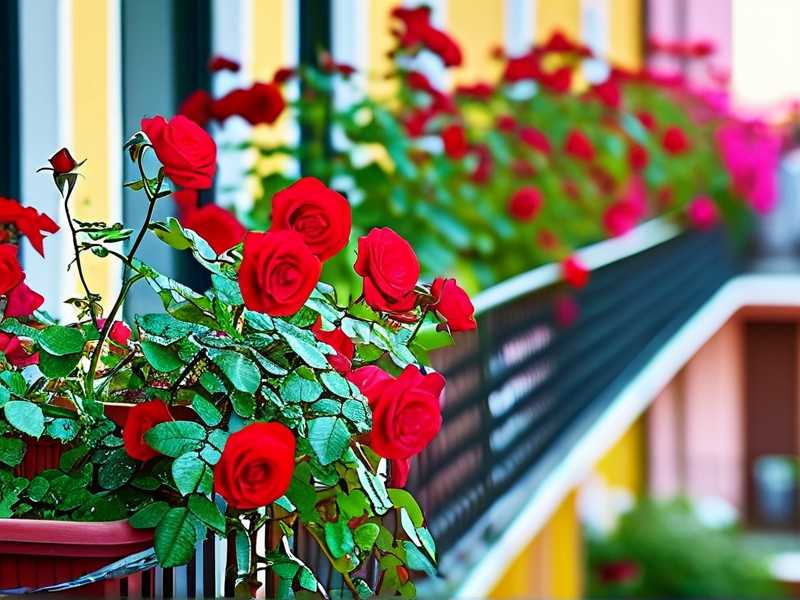
Mistake #1: Overwatering (The Silent Killer) This is the biggest one. I used to water my pots every single evening because the topsoil looked dusty. Big mistake. The inner soil was still soaked. Roots need oxygen as much as they need water. When you drown them, they rot. The leaves turn yellow, and the plant looks exactly like it needs more water. It is a cruel trick. I actually bought a cheap moisture meter after killing that 'Mister Lincoln'. It saved my life. You stick it in the soil, and it tells you if the bottom is wet. Honestly, you rarely need to water daily unless the pot is tiny. In a 16-inch pot, I water every 2 to 3 days during a heatwave. In a smaller 10-inch pot, maybe every other day. But never every day.
Mistake #2: Wrong Light Positioning (The Sunburn Trap) I thought roses were sun worshippers. They are, but balcony environments are different. A south-facing balcony in a heatwave can cook the pots. The roots get baked even if you water the top. I tried to fight this by watering more, which made the root rot worse. The fix? I moved my pots to a spot that gets morning sun until 11 AM and then dappled shade for the rest of the day. The leaves stopped scorching. The water stopped evaporating instantly. You need to check your specific balcony. If you see white marks on the leaves, that is sunburn. Move them.
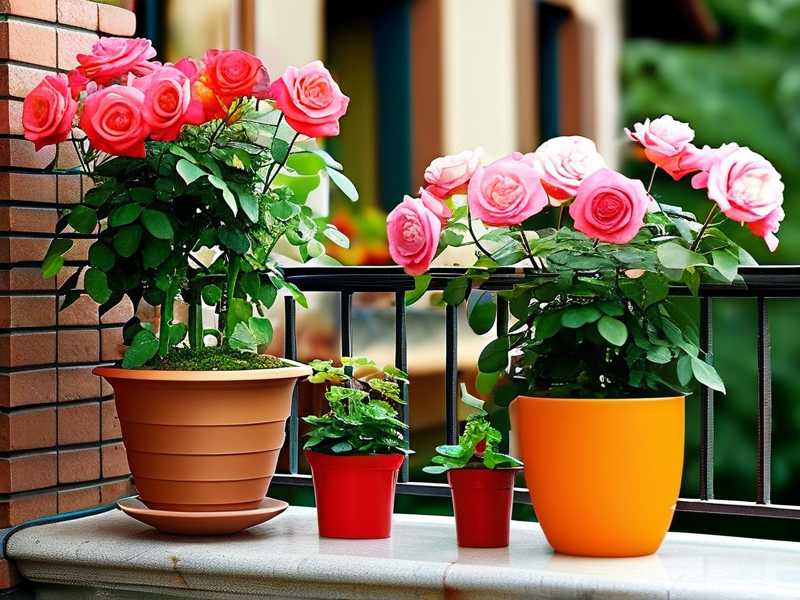
Mistake #3: Using the Wrong Pot (The Death Penalty) The pot matters more than the fertilizer. I once used a beautiful ceramic pot with no drainage hole. I thought I was being clever by adding pebbles at the bottom. That is a myth. The water collects at the bottom, and the roots sit in it forever. The pebbles just raise the water table. You need a plastic nursery pot inside a decorative shell, or a terracotta pot with one big hole in the bottom. Terracotta is great because it breathes. It lets the soil dry out faster. I switched all my roses to plastic or glazed pots with multiple holes. The difference was night and day.
My Daily Watering Routine (The Step-by-Step Fix)
After my initial disasters, I developed a strict process. It took me about two weeks to see a massive improvement in leaf health and new bud growth. Here is exactly what I do every day in July and August.
Step 1: The Morning Check (Before 7 AM) I wake up, grab a coffee, and go to the balcony. I do not water yet. I first stick my finger into the drainage hole at the bottom.
- If the soil feels damp or cool, I skip watering.
- If it feels bone dry, I water.
- If it feels slightly moist, I wait until the afternoon. This finger test is 100% more accurate than the topsoil test. The surface can be dusty while the bottom is a marsh.
Step 2: The Deep Watering Technique When I do water, I do it deep and slow. I never just splash the top. I use a watering can with a narrow spout. I pour slowly at the base of the stem, not on the leaves. Wet leaves in summer act like a magnifying glass and cause fungal spots. I pour until I see water coming out of the bottom drainage holes. Then I wait 10 minutes. Then I pour a little bit more. This ensures the entire root ball is wet, not just the top half. I try to use rainwater if I can. I keep a big tub on the balcony to collect it. Tap water is okay, but I let it sit for 24 hours to let the chlorine evaporate.
Step 3: The Afternoon Inspection (2 PM - 3 PM) Here is a trick I learned from a friend. During a heatwave, leaves will wilt even if the soil is wet. This is called "transpiration shock". They droop to save energy. Do not water them again in the afternoon. I check the leaves. If the stems are still firm but the leaves are limp, they are just hot. They will perk up by evening. If you water them again, you will drown them. I only water in the afternoon if the soil at the bottom is completely dry and the leaves are crispy. This happens about once a week during a 90°F+ heatwave.
Step 4: Mulching to Lock in Moisture This was a game-changer for me. I put a 1-inch layer of shredded bark or dried grass clippings on top of the soil. This acts like a blanket. It stops the sun from baking the soil. It reduces evaporation by about 30%. I do not use fine wood chips because they blow away. Coarse bark is best. This means I water less. It also keeps the soil temperature stable. The roots are happier. It was a cheap fix, and I noticed the difference within three days.
How I Beat Root Rot (The 2-Week Recovery Plan)
Let me tell you about the time I almost lost a 'Golden Celebration' rose. It was a disaster. I had watered it every evening for a week. The leaves turned yellow and dropped. I panicked and gave it even more water.
I pulled it out of the pot and saw the horror. The roots were brown and mushy. That is root rot. I had to fix it quickly.
Week 1: The Rescue Mission I carefully removed all the dead roots with sterilized scissors. I washed the healthy ones gently. I then repotted it into fresh, gritty compost mixed with 20% perlite. Perlite is volcanic glass that creates air pockets. It is your best friend. I placed it in the shadiest corner of the balcony. I did not water it for 5 days. I sprayed the leaves with water in the morning just to keep them hydrated. The plant looked terrible. It was just a bare stick with two sad leaves. I kept my fingers crossed. I checked the drainage hole every morning. I only watered when that hole was completely dry.
Week 2: The Comeback On day 6, I watered it with a diluted seaweed extract. Just a tiny bit. On day 9, I noticed a tiny green bump on the stem. My heart jumped. By day 14, there were three new leaves. The root rot was gone. The plant had recovered.
I learned that patience is key. You cannot force a plant to grow. You just have to provide the right conditions and wait. It also taught me that "how to water balcony roses correctly" is really about "how to hold back on watering".
The Science of Watering (What Experts Say)
I don't want to give you just my opinion. I read a lot of material to confirm my findings. The RHS points out that container plants dry out much faster than border plants. They recommend checking pots twice daily in hot weather. That is vital advice. I also found that they suggest using "hazel" or "willow" twigs as a natural support and mulch.
The AHS notes that most container plants suffer from "hydraulic failure" in extreme heat. This means the roots cannot move water fast enough to match the transpiration rate. That explains the afternoon wilt. They strongly advise against watering in the mid-day sun, as it can cause "thermal shock" to the roots if the water is cold.
I have a small thermometer for my soil. I actually tuck a soil thermometer into the pot. If the soil temperature hits 85°F (29°C), the roots stop absorbing water. They shut down. At that point, watering is useless. You need to shade the pot itself. I wrap my black pots in white cloth or cardboard in July. This simple trick lowers the soil temperature by 10 degrees. It is an old tip from a greenhouse grower, and it works like magic.
Key Signs Your Watering is Wrong
You need to read the leaves. They are like a dashboard. Here is what I look for:
- Yellow leaves with green veins: This is usually overwatering. Stop immediately.
- Brown, crispy edges: This is usually underwatering or salt build-up. Flush the pot with lots of water.
- Black spots on leaves: This is fungal. It happens when water stays on the leaves overnight. Water in the morning only.
- Bud drop: The plant is stressed. Usually too much heat or water stress.
FAQ: Common Watering Questions I Get
Question 1: Should I mist the leaves with water on a hot day? I stopped doing this. It causes more harm than good. During the day, tiny drops act like lenses and burn the leaves. At night, they cause fungus. Instead of misting, I water the floor of the balcony to create humidity around the pots. It cools the air without wetting the plant.
Question 2: My soil is hard and pulling away from the pot edges. What do I do? This is called hydrophobic soil. When it dries out completely, it repels water. If you pour water on it, it runs down the sides and out the drain, leaving the root ball dry. To fix this, I submerge the entire pot in a bucket of water for 20 minutes. This forces the water to soak in from the bottom. Then I let it drain completely.
Question 3: Is tap water bad for balcony roses? In my area, tap water is very hard. It has lots of calcium. Over time, this leads to salt build-up in the soil, which blocks nutrient absorption. I use a simple filter for my watering can. If you cannot filter, let the water sit out overnight. The chlorine will evaporate. The calcium might still be there, but it is manageable.
My Final Thoughts on Summer Watering
I used to get so stressed about this. I would water a little bit every day just to feel like I was doing something. That was my mistake. I eventually learned that in "balcony rose care", restraint is a virtue.
For deep watering, I picked up a simple trick: I use a plastic bottle with a tiny hole in the cap, inverted it into the soil. This is a DIY drip system. It releases water slowly over a few hours. This is perfect for those days I have to go to work in the heat.
Remember to merge your watering with a feeding schedule. A hungry rose is more sensitive to drought. I use a low-nitrogen fertilizer every two weeks in summer. I never feed a dry plant. I always water first, wait 30 minutes, and then feed. This prevents root burn.
You will not perfect this overnight. It takes time. I had to lose three plants to get it right. The fourth one survived, and by the end of August, she was covered in huge, fragrant blooms. That was the reward for getting the water right.
Stay patient. Watch your plants. The leaves will tell you if you are doing it wrong. And remember, when in doubt, wait. A thirsty rose recovers in a day. A drowned rose does not recover at all.