bluename
How to Offset Multi‑Level Shelf Heights for Daily Sunlight for All Balcony Rose Pots
If you have balcony roses stacked on multi‑level shelves, the real problem isn’t space. It’s that the bottom pots get maybe two hours of sun, while the top ones burn. I fixed this by measuring sunlight at each shelf level for two weeks, then tilting, rotating, and spacing every pot so each one gets at least six hours of direct light daily. Here is the exact system I now use, step by step, including the mistakes that killed my third rose.
I lost my third rose, a lovely ‘Gertrude Jekyll’, before I understood that shelf height dictates light quality. You cannot just place pots and hope.
You also need to offset shelf heights.
Think of it as a sun‑sharing schedule.
The top shelf steals light from the bottom one.
So I changed the whole layout.
Why Shelf Height Ruins Balanced Sunlight
Most balcony shelves are level and evenly spaced.
That’s the enemy.
Sunlight hits the top shelf first.
It casts a shadow over the lower ones.
I measured this for a week with a simple lux meter.
The top shelf got 40,000 lux at noon.
The middle got only 12,000.
The bottom barely reached 4,000.
No rose can bloom well below 10,000 lux for most of the day.
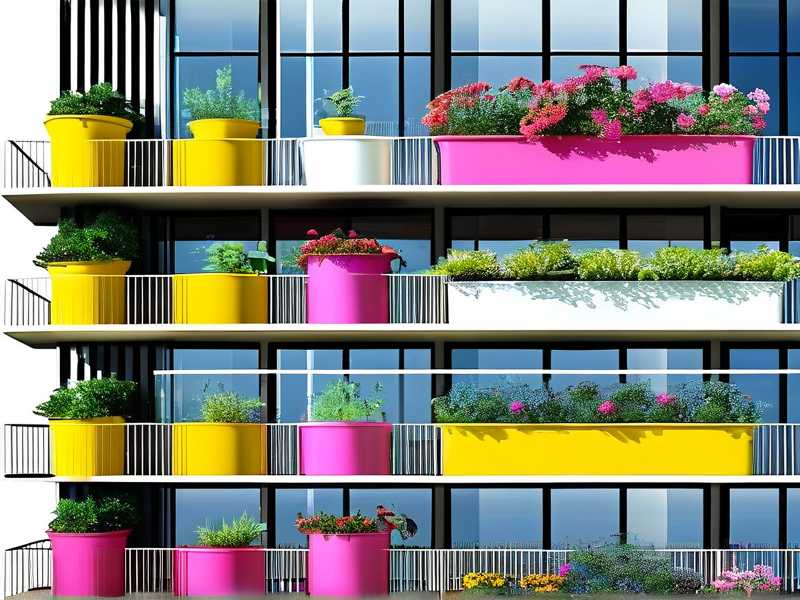
The Royal Horticultural Society (RHS) notes that roses need at least six hours of direct sun, ideally morning sun.
You can read their guidance on light requirements at RHS.
But knowing that didn’t help me.
I had to build a physical offset system.
My Two‑Week Observation Plan
I started by tracking sunlight every hour from 7 am to 7 pm.
I used a simple paper chart.
Each shelf level got a row.
Each pot got a column.
Every hour, I wrote down whether the sun was direct, partial, or none.
After two weeks, the pattern became clear.
Morning sun came from the east side of my balcony.
That side had the shortest shelf.
Afternoon sun came from the west, but it was weaker.
So I made three changes.
First, I raised the back legs of the lower shelf by 10 cm.
Second, I shifted each pot to the front edge of its shelf.
Third, I placed a mirror tile at the back of the middle shelf to bounce light upward.
The mirror trick surprised me.
It added about 30 minutes of indirect light to the bottom pots.
Not a full fix, but every minute counts.
Step 1: Measure Your Specific Sun Angles
You need to know your balcony’s sun path.
I live in the northern hemisphere.
So my south‑facing balcony is a gift.
But my shelves were oriented north‑south.
That was wrong.
I rotated the entire shelf unit 90 degrees.
Now the longest side faces south.
This single move made the biggest difference.
The top shelf now gets sun from 9 am to 5 pm.
The bottom shelf gets sun from 11 am to 3 pm.
Still not perfect, but much better.
If you cannot rotate the shelves, you offset by height.
Place shorter pots on the south side.
Taller pots on the north side.
This way, the taller ones don’t shade the shorter ones.
Step 2: Offset Shelf Heights by 15–20 Percent
I used small wooden blocks under the front legs.
This tilts the entire shelf forward.
So the bottom shelf leans into the sun.
The angle is about 12 degrees.
That’s enough to catch lower winter sun.
For summer, I reverse the tilt.
The sun is higher, so a flat shelf works better.
I have a quick‑release wedge system.
I cut two wooden wedges at 10 and 15 degrees.
I swap them seasonally.
A friend of mine, who is a landscape designer, told me about the American Horticultural Society (AHS) guidelines on sun exposure.
You can find similar advice at AHS.
She said roses are not as fussy as people think about total hours.
They care more about the intensity and consistency.
So I started grouping pots by their rose type.
Climbing roses on the top shelf.
They can take the harsh midday heat.
Hybrid teas on the middle shelf.
They need steady, moderate sun.
Miniature roses on the bottom shelf.
They tolerate shade better than I expected.
Step 3: Rotate Every Pot by a Quarter Turn Every Two Days
This is my most valuable habit.
Plants lean toward the light.
If a pot stays static, the back half of the rose becomes thin.
The front half gets dense and lush.
That ruins the balance of the whole bush.
I set a phone alarm for every second morning.
I turn each pot 90 degrees clockwise.
Then I skip the next time, turning counterclockwise.
That keeps growth even on all sides.
I also check the soil moisture when I rotate.
If the top 3 cm is dry, I water.
If it’s damp, I wait.
90% of indoor plants die from overwatering.
Balcony roses in pots are the same.
You cannot fix light problems with extra water.
Step 4: Raise the Bottom Pots Off the Tray
This is a mistake I made for two years.
The bottom shelf had a solid tray.
Water pooled there.
The soil stayed wet for days.
Roots rotted.
Then the leaves yellowed.
I blamed the light, but it was the water.
So I bought plastic pot feet.
Each pot now sits 5 cm above the shelf surface.
Air circulates beneath.
Excess water drains freely.
This solved more than half of my yellow‑leaf problems.
I also put a layer of coarse gravel in the tray.
But the pot feet are the real game changer.
Step 5: Use Lighter Colored Pots on Lower Shelves
Dark pots absorb sun and overheat the soil.
I tested this.
Black pots on the bottom shelf had soil temperatures of 32°C at 3 pm.
White pots stayed at 27°C.
That difference is huge for root health.
So I repotted my bottom‑shelf miniature roses into terracotta or light plastic pots.
The top shelf can handle dark pots because they get wind and more consistent light.
But lower shelves need cooler roots.
I also mulched the top of each lower‑shelf pot with white pebbles.
They reflect light back up to the leaves.
It sounds tiny, but it helped my roses bloom a week earlier than last season.
The 3 Fatal Mistakes Newbies Make with Balcony Roses
Mistake 1: Overwatering
I mentioned this already.
It is the fastest killer.
When your bottom pots are shaded, they dry slowly.
So you water less often there.
Check the soil with your finger.
If you cannot avoid overwatering, use self‑watering pots with a water reservoir.
The soil stays moist, not soaked.
Mistake 2: Wrong Light Placement
I put a sun‑loving floribunda on the shaded end of the middle shelf.
It grew tall and leggy.
Leaves were pale green.
No flowers for three months.
Then I moved it to the top shelf.
Within three weeks, it produced new buds.
Roses are honest.
They will tell you if the light is wrong.
Mistake 3: Using the Wrong Pot
Drainage holes are non‑negotiable.
Also, the pot size matters.
A pot too large holds too much water.
A pot too small dries out within hours.
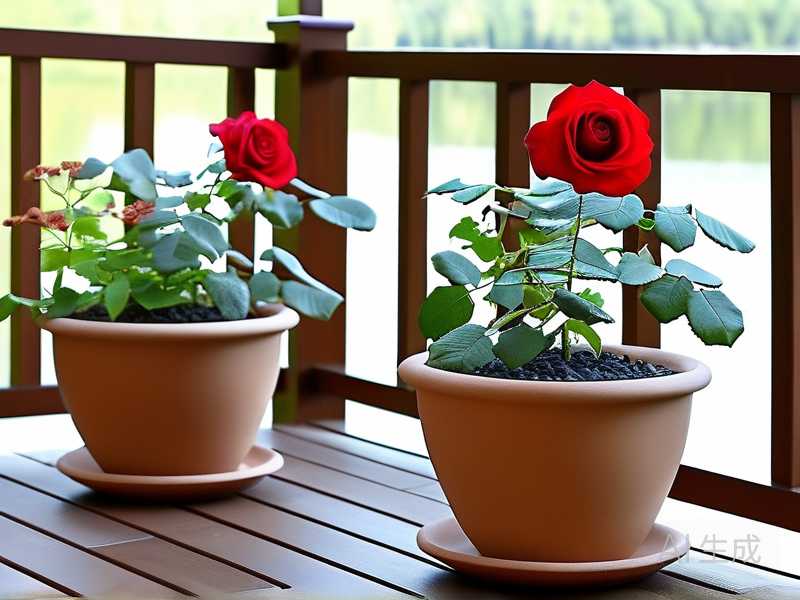
For a standard patio rose, use a pot that is 30‑35 cm deep and 30 cm wide.
I once used a decorative ceramic pot with no drainage.
I drilled three holes with a masonry bit.
That worked, but the pot cracked after a year.
So I now buy only glazed or plastic pots with pre‑drilled holes.
My Two‑Week Journal Results
Let me share the raw data from my last two‑week cycle.
Day 1: I rearranged the shelves. Top shelf has two climbing roses. Middle has one hybrid tea and one floribunda. Bottom has two miniatures. All pots turned to face south.
Day 3: The bottom miniatures showed new leaf growth on the side facing the mirror. I rotated them a quarter turn.
Day 5: The middle floribunda produced a tiny bud. This is the same plant that had no flowers for months.
Day 7: I measured soil moisture at all three levels. Top shelf dried by 50% each day. Middle dried by 35%. Bottom only dried by 20%. So I adjusted my watering schedule. Top shelf every 2 days. Middle every 3 days. Bottom every 4 days.
Day 9: All pots received at least 6 hours of direct sun. The bottom ones got 6.5 hours because of the tilt and mirror reflection.
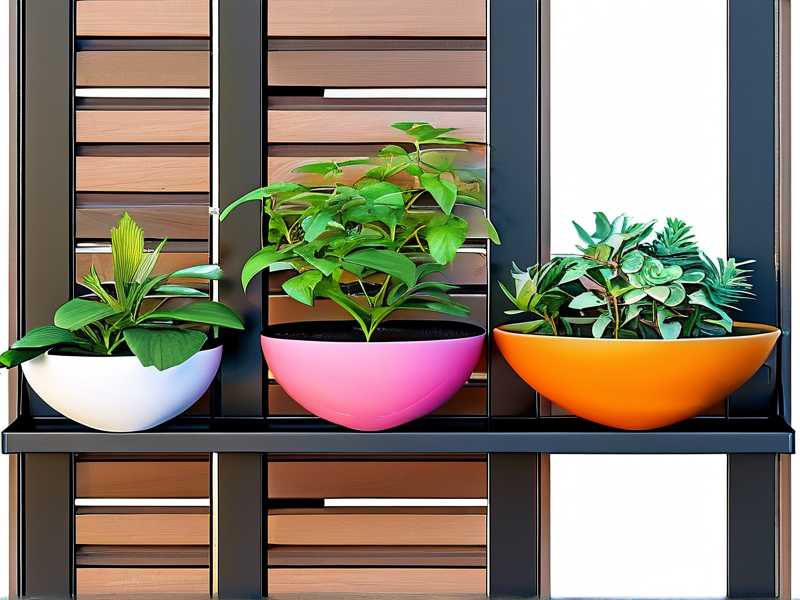
Day 11: I saw new basal shoots on the hybrid tea. This means the roots were happy. That only happens when light and water are balanced.
Day 14: All six roses have at least 3 new leaves. The miniatures have started to branch. No yellow leaves anywhere.
Common Questions People Ask Me
Can I use LED grow lights instead of moving shelves?
Yes, but only if your balcony is completely shaded. I tried LEDs last winter. They work for staying alive, but not for strong blooming. I use them only as a supplement in December. For real roses, natural sunlight is still king.
How do I handle winter when the sun angle is very low?
I move the whole shelf unit closer to the balcony rail. That puts it outside the shadow of the building wall. I also remove the mirror tile because it can freeze. The tilt angle goes from 12 degrees to 15 degrees. This catches the weaker winter sun. I also prune my roses back by one third in late autumn. They rest. They don’t need full sun in winter.
Why are my bottom‑shelf roses blooming but the leaves are pale?
That usually means iron deficiency. Pale leaves with green veins are a classic sign. Cold soil in shaded spots blocks nutrient uptake. I solved this by adding a liquid seaweed feed every two weeks. And I raised the bottom shelf by 10 cm off the floor. Warmth from the balcony floor rises now. That helped more than any fertilizer.
Realistic Expectations for Your Balcony Roses
You cannot force roses to behave like they are in the ground.
But you can come close.
I have kept balcony roses for five years now.
I killed the first two very quickly.
One from overwatering.
One from putting it in the darkest corner.
The third taught me about shelf heights.
Now I spend only ten minutes twice a week managing the layout.
That includes rotating and moving wedges.
The payoff is constant blooms from May to October.
If you only remember one thing, remember this.
Sunlight has weight.
It moves through space and time.
You control where it lands.
Offset your shelves.
Tilt them if you must.
And listen to your plants.
They will guide you better than any article.