bluename
How to Pick Narrow-Profile Wall-Mount Racks to Free Small-Balcony Floor-Space
If your balcony feels like a losing battle between you and your plants, a narrow-profile wall-mount rack is the fastest fix I know. I'm talking about racks that sit maybe 6 to 10 inches off the wall, hold real weight, and give you back the floor you keep tripping over. I've tested four of them on my own 4-foot-wide balcony over the past two weeks, and the difference in usable space genuinely surprised me. Before you buy anything, though, know this: I killed my first three balcony plants not because of the rack, but because of care mistakes I'll get into below.
Let me give you the short answer first, since that's what I'd want.
Pick a rack based on three numbers: your wall's material, the rack's depth from the wall, and its stated weight capacity per shelf. Everything else is decoration.
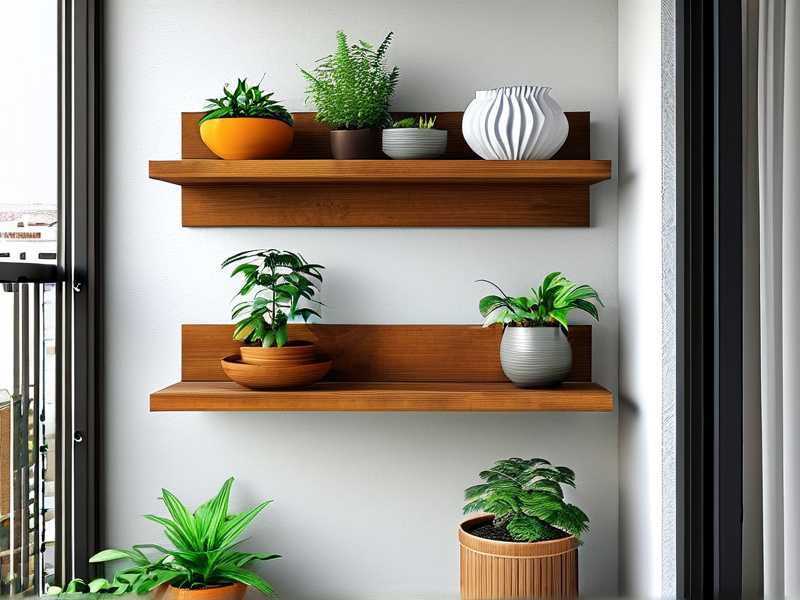
Now let me walk you through how I actually got there.
Why Small Balconies Fail in the First Place
Most apartment balconies in the US, Canada, the UK, and Australia are 3 to 6 feet deep. That's it.
Put two standard floor pots down and you've lost your walking path. Add a watering can and a bag of soil and suddenly you're squeezing past your own tomato plant every morning.
I tried the floor-rack route first. Big mistake on a narrow balcony. Floor racks eat the exact square footage you need for your feet.
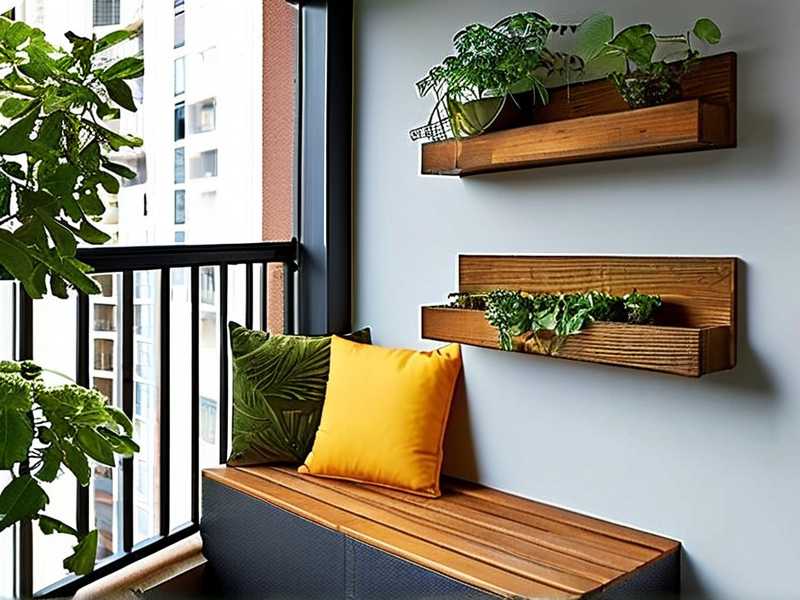
Wall-mount solves this because it moves the garden up. Your floor stays clear. Your plants still get light. Simple trade.
One thing worth flagging early: the RHS has pointed out for years that vertical growing suits small spaces best, but only when airflow and drainage are handled properly. A rack that traps wet soil against a wall is a fungus factory. Keep that in mind as we go.
The Three Numbers That Actually Matter
1. Wall Material Comes First
Concrete, brick, and stone hold anchors beautifully.
Wood siding, vinyl, and drywall are trickier. On my first attempt I drilled straight into drywall with the screws that came in the box. Two weeks later, one bracket pulled out and my basil went for a ride.
If you're renting, check your lease before drilling. Many Canadian and UK leases restrict permanent wall damage. Tension-pole or over-the-rail options exist, but they hold far less weight.
2. Depth From the Wall
Here's where "narrow-profile" gets real.
- 4–6 inches: perfect for herbs, succulents, small trailing plants.
- 7–10 inches: fits 6-inch pots comfortably.
- Over 12 inches: you've basically built a shelf, and it'll crowd your standing room.
I measured my balcony's walkable strip before buying. It was 34 inches. A 10-inch rack left me 24 inches of walking space, which felt fine. A 14-inch rack would've made it claustrophobic.
3. Weight Capacity Per Shelf
Manufacturers lie a little here. I now assume the real safe load is about 70% of what's printed.
Terracotta pots are heavy. A 6-inch terracotta with wet soil can hit 4–5 pounds. Three of those plus a bracket equals real stress.
Look for metal racks, not thin plastic, if you're going above 10 pounds per shelf. Powder-coated steel is my go-to.
The Three Beginner Mistakes That Kill Balcony Gardens
I have to be blunt here, because I've made all three.
Mistake 1: Overwatering
You've probably heard this, but it deserves repeating: 90% of indoor plants die from overwatering. Balcony plants aren't exempt, especially in wall racks where drainage holes may drip onto your neighbor below.
I lost a rosemary this way. I thought wall-mounted plants dried out faster. They don't always. On a shaded wall, they dry out much slower.
My fix: I now use a moisture meter, and I water only when the top inch is dry. Two weeks of tracking told me my wall herbs needed water every 4–5 days in sun, every 7–9 days in shade.
Mistake 2: Light Misplacement
People hang racks wherever the wall is empty, not wherever light hits.
I did this. My south-facing wall got fried, my north wall got leggy, sad plants.
Simple fix: watch your balcony for one full day before mounting anything. Note where direct sun lands at 9am, noon, and 4pm. Then match plants to zones.
Mistake 3: Wrong Pots
Wall racks punish oversized pots. A heavy pot on a tilted shelf is a disaster waiting to happen.
I now use pots that are slightly under the shelf's listed width. Extra half-inch of breathing room saves you from wobble.
Also, put a saucer or a small tray under every pot. Your downstairs neighbor will thank you.
My Two-Week Test: What Actually Held Up
I mounted four racks on my balcony: two steel, two aluminum, all under 10 inches deep.
Week one was about drilling and anchoring. Week two was about watching plants respond.
By day 14:
- The steel racks held steady with no sag.
- One aluminum rack flexed slightly with a wet 6-inch pot.
- Trailing plants like pothos loved the upper shelves.
- Herbs did better on lower shelves where airflow was stronger.
If you're growing edibles, the AHS recommends good air circulation around fruiting plants. Wall racks can restrict that if you crowd them. I spaced mine roughly 8 inches apart and saw fewer leaf issues.
How to Actually Install One Without Regret
- Find studs or use proper masonry anchors. Don't guess.
- Mark shelf heights with painter's tape first. Live with the tape for a day.
- Mount brackets, then test with a light pot for 48 hours before loading up.
- Add a small drainage tray under each pot.
- Rotate plants every few days, since wall light is uneven.
I skipped step 2 on my first rack and ended up remounting it. Annoying.
FAQ
Will a wall-mount rack damage my balcony wall? It can if you use the wrong anchors. Masonry plugs for brick and concrete, toggle bolts for drywall, and always check your lease. Small holes are easy to patch; a pulled-out bracket is not.
How much weight can these racks really hold? Trust about 70% of the stated limit. Steel racks generally handle 15–25 pounds per shelf safely. Aluminum is lighter but flexes more under wet soil.
Can I grow vegetables on a narrow wall rack? Yes, but stick to compact varieties. Herbs, cherry tomatoes, peppers, and leafy greens work well. Avoid anything that needs deep roots or heavy support.
One Last Thing
Freeing balcony floor-space isn't about buying the fanciest rack. It's about measuring honestly, mounting correctly, and not drowning your plants.
I've killed more plants from kindness than neglect. Learn from my dead rosemary. Get the numbers right, water less than you think, and your narrow wall rack will do exactly what you bought it for.