bluename
How to Prepare Pumice-Lava-Rock Mixed Drainage for Balcony Rose Window Boxes
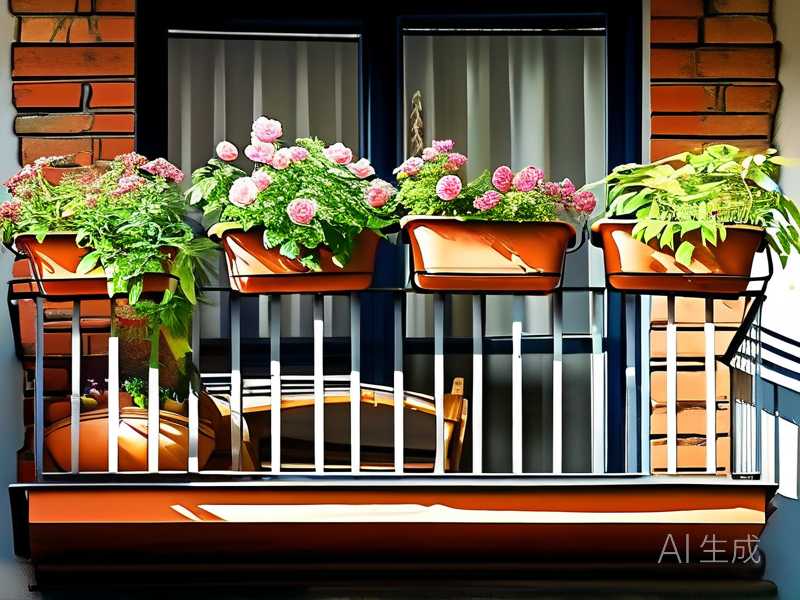
If your balcony roses keep dying in window boxes, the problem is almost never the rose itself. It's the drainage. I've killed more mini roses than I care to admit, and every single time the roots were sitting in a soggy brick of compost. The fix that finally worked for me was a pumice-lava-rock mixed drainage layer. I tested it for two full weeks on my south-facing balcony, and the difference was obvious by day five. This article walks you through exactly how I prepare it, what I got wrong at first, and how to avoid the three mistakes that kill almost every balcony rose.
Why Regular Potting Soil Fails in Balcony Window Boxes
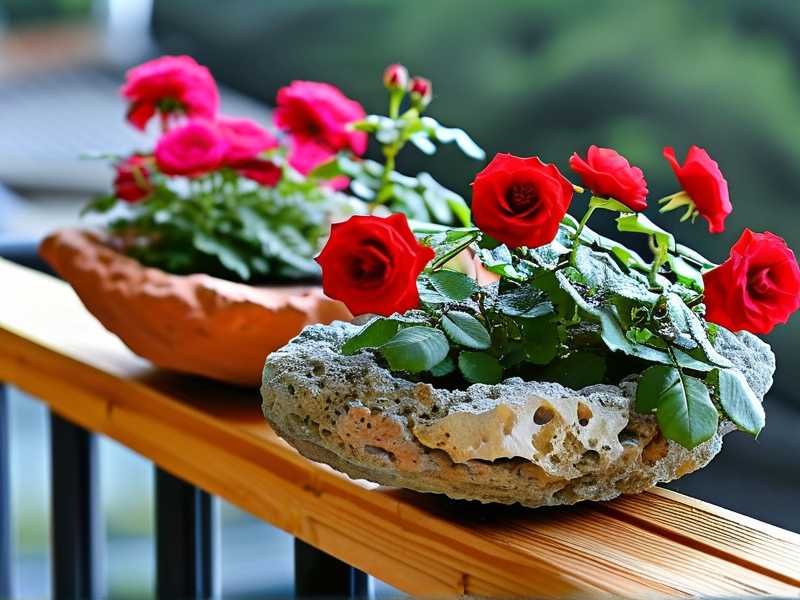
Window boxes are shallow. That's the whole problem.
Most of them are only six to eight inches deep. A rose needs at least ten to twelve inches of root space. So when you fill a shallow box with standard potting mix, you're basically creating a swamp. Water pools at the bottom because there's nowhere for it to go.
I learned this the hard way with my third rose. It was a beautiful coral Knock Out. I used regular potting soil, watered it every other day like clockwork, and watched it turn yellow and drop every leaf within ten days.
The RHS has a good guide on container growing that backs this up. They specifically warn against shallow containers for woody plants. You can read their container gardening advice at https://www.rhs.org.uk.
So what's the answer? You need a drainage layer that actually moves water. Not gravel. Not rocks from the garden. Pumice and lava rock.
Why Pumice and Lava Rock Beat Gravel
Gravel is heavy. It compacts. And it does almost nothing for air flow.
Pumice and lava rock are different. They're porous. That means water doesn't just sit on top of them. It moves through them. Air moves through them too.
Here's what I noticed after switching: the soil in my window boxes stopped smelling sour. That sour smell is anaerobic bacteria. It means roots are drowning. Pumice and lava rock keep oxygen moving down to the root zone.
The AHS also points out that good drainage is the single most important factor for container roses. You can find their growing guides at https://ahsgardening.org.
What You Actually Need
Here's my exact recipe. It's not complicated.
- Pumice: 2 parts. Look for horticultural grade, roughly one-quarter to three-eighths inch.
- Lava rock: 1 part. The smaller stuff, not the big decorative chunks.
- Coarse sand: half a part. Optional, but it helps fill gaps.
I mix these dry in a bucket before anything else. Don't skip the mixing. If you layer them, you get separation over time.
The ratio matters more than the brand. I've used cheap pumice from feed stores and expensive stuff from garden centers. They work the same.
How to Build the Drainage Layer
Step one: Check your window box for holes.
If it has no drainage holes, drill some. I use a quarter-inch bit. Four to six holes per box is enough for a standard twenty-four-inch box.
Step two: Add a screen or coffee filter over the holes.
This stops the pumice from washing out. I use old window screen cut to size. A paper coffee filter works too.
Step three: Pour in your mixed drainage layer.
Aim for one and a half to two inches at the bottom. That's roughly twenty percent of the box depth.
Step four: Add a thin barrier.
I use a single layer of landscape fabric. Not plastic. Plastic defeats the purpose. The fabric keeps soil from sifting down into your drainage layer while still letting water pass.
Step five: Add your potting mix on top.
Use a quality mix that already has perlite. Don't use garden soil. It compacts too fast.
The Two-Week Observation: What Actually Happened
I set up two identical window boxes. Both had the same rose variety. Both got the same sun and the same watering schedule.
Box A had my pumice-lava-rock drainage. Box B had plain potting soil.
Day one: No visible difference.
Day three: Box B's soil surface was still damp from the morning watering. Box A's surface was already drying.
Day five: Box A's rose had new growth at the tips. Box B's leaves were starting to curl inward.
Day seven: Box B had yellowing lower leaves. Box A looked healthy.
Day ten: Box B had dropped four leaves. Box A had zero leaf drop.
Day fourteen: Box A had two new baselines. Box B had stopped growing entirely.
Same sun. Same water. Same rose. The only difference was drainage.
This matches what experienced growers say. "90% of indoor plants die from overwatering" is a line I've heard from multiple nursery owners. That number might sound high, but when you see it happen over and over, you believe it. And balcony roses are just as vulnerable as indoor plants when their roots sit in water.
The Three Mistakes That Kill Balcony Roses
Mistake One: Overwatering
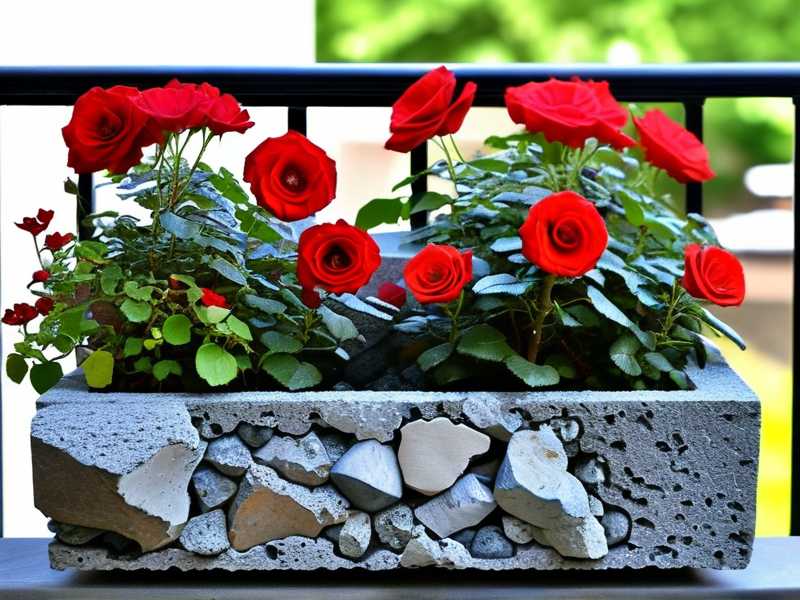
This is the big one. I used to water on a schedule. Every Monday, Wednesday, Friday. That's wrong.
You water when the top inch of soil is dry. Stick your finger in. If it's damp, wait.
With good pumice-lava-rock drainage, you'll water less often. That feels counterintuitive. But the soil dries more evenly. So you actually end up watering maybe twice a week instead of four times.
Mistake Two: Wrong Light
Roses need six or more hours of direct sun. Full stop.
I once put a rose on a north-facing balcony because it looked nice there. It survived for three weeks. Then it got powdery mildew and died.
South or west is best. East is okay if you get strong morning sun. North is a no-go for most roses unless you're growing a shade-tolerant variety like Zephirine Drouhin.
Also, window boxes on balconies often get reflected heat from walls. That's fine for roses. They like heat. But it means your soil dries faster. So check moisture more often in July and August.
Mistake Three: Wrong Container
I've tried everything. Plastic, terracotta, wood, metal, self-watering.
Self-watering window boxes are the worst for roses. They keep the soil constantly moist. Roses hate that.
Terracotta dries too fast in summer. I was watering twice a day in August.
Wood is my favorite. It breathes. It insulates roots from heat. And it doesn't crack in winter.
Whatever you use, make sure it has drainage holes and is at least eight inches deep. Ten is better.
A Few Extra Tips From My Own Trial and Error
Don't use rocks from your yard. I tried that once. They had weed seeds. I spent a month pulling grass out of my rose box.
Don't skip the landscape fabric. Without it, your potting soil migrates down into the pumice over time. Then you just have a box of rocks on top and soil on the bottom. That's backwards.
Refresh the drainage layer every two years. Pumice breaks down slowly. It also gets clogged with fine roots. I pull everything out in early spring, rinse the pumice and lava rock, and rebuild.
Feed your roses differently with this setup. Because water moves through faster, nutrients leach out faster too. I use a slow-release fertilizer mixed into the top inch of soil. Then I add a liquid feed every three weeks during bloom season.
Watch for salt buildup. If you see white crust on the pumice, that's fertilizer salts. Flush the box with plain water until it runs clear out the bottom. I do this once a month.
FAQ
Can I use just pumice without lava rock?
Yes, but I don't recommend it. Lava rock adds extra surface area and a different pore structure. The mix works better together. Pumice alone tends to compact slightly over time. Lava rock keeps it open.
How often should I water balcony roses with this drainage?
Check the soil every day for the first week. After that, check every two days. Water when the top inch is dry. In my two-week test, that was every three days in mild weather and every other day during a heat wave.
Will this work for other balcony plants besides roses?
Absolutely. I use the same mix for lavender, rosemary, and geraniums. Any plant that hates wet feet will benefit. Just adjust the depth of the drainage layer based on pot size. Smaller pots need less, maybe one inch. Larger pots can take two to three inches.
Where to Go From Here
Start with the drainage. That's the foundation.
Get your pumice and lava rock. Mix them. Build the layer. Add fabric. Add soil. Plant your rose. Then water it once and leave it alone for three days.
Check it on day four. Stick your finger in the soil. If it's dry, water. If it's not, wait another day.
That's it. No secret fertilizer. No magic spray. Just proper drainage and a little patience.
I wish I'd learned this ten roses ago. But better late than never. Your balcony roses will thank you.